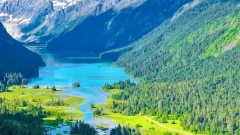
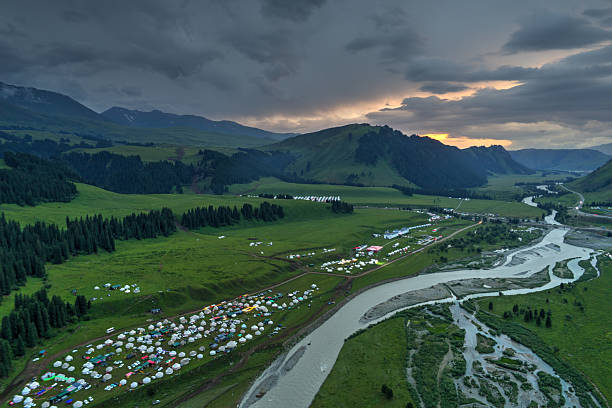
Perched at an elevation of 4,718 meters above sea level, Namtso Lake stands as one of the most breathtaking natural wonders on the Tibetan Plateau. Known as the “Heavenly Lake” in Tibetan, it is the largest saltwater lake in Tibet and the second-largest in China. The sheer scale of its turquoise waters stretching toward snow-capped peaks creates a landscape that feels almost otherworldly. For centuries, pilgrims have traveled vast distances to walk its shores, drawn by deep spiritual significance rooted in Tibetan Buddhism. Today, travelers from around the globe seek out Namtso Lake not only for its religious heritage but also for its untouched, raw beauty. Whether you are planning a photography expedition or a spiritual journey, understanding the logistics, climate, and cultural etiquette of this high-altitude destination is essential for a safe and rewarding experience.
Key Takeaways:
- Altitude: 4,718 meters; acclimatization is mandatory before visiting.
- Best time to visit: May to October for accessible roads and milder weather.
- Spiritual importance: One of the three holiest lakes in Tibetan Buddhism.
- Distance: Approximately 250 kilometers north of Lhasa.
- Wildlife: Home to migratory birds, yaks, and rare plateau species.
Understanding the Geography and Significance of Namtso Lake
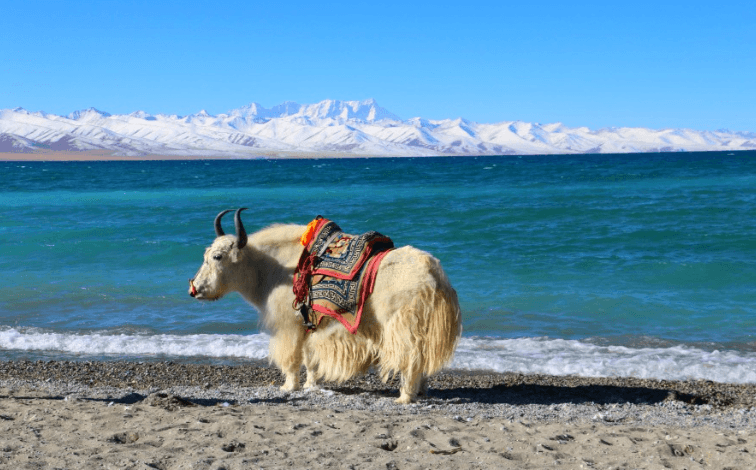
Namtso Lake spans roughly 1,920 square kilometers, making it a massive inland body of water nestled between the Nyainqêntanglha mountain range and the northern Tibetan grasslands. Its depth reaches over 30 meters in certain areas, though the average depth is considerably shallower. Because it is a closed-basin saltwater lake, its mineral content is high, contributing to the striking shades of blue and green that change depending on the angle of the sun and the cloud cover above.
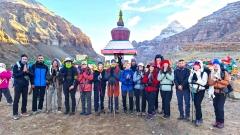
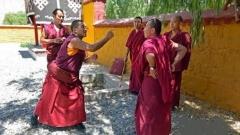
The name itself translates directly to “Heavenly Lake,” which perfectly encapsulates how local Tibetan people view it. In Tibetan Buddhist tradition, Namtso Lake is considered the physical manifestation of a divine goddess. Along with Yamdrok Lake and Lake Manasarovar, it forms the trio of the most sacred lakes in Tibet. Every twelve years, during the Year of the Sheep according to the Tibetan lunar calendar, thousands of devout Buddhists undertake a grueling kora (circumambulation) around the lake. This pilgrimage can take weeks to complete due to the rugged terrain and high altitude, reflecting the profound devotion tied to Namtso Lake.
Even outside of pilgrimage years, you will frequently see prayer flags fluttering along the shoreline and mani stones—rocks carved with Buddhist mantras—stacked carefully by visitors and monks alike. Respecting these religious artifacts is paramount. Never step on mani stones, and always walk clockwise around stupas and shrines when exploring the area.
When Is the Best Time to Visit Namtso Lake?
Timing your trip correctly is crucial because the extreme altitude dictates severe weather patterns. Winter transforms the region into a frozen expanse, and heavy snowfall often blocks the mountain passes leading to the lake, making access impossible for standard vehicles. Therefore, the optimal window to visit Namtso Lake is from late spring through early autumn, specifically May to October.
During June, July, and August, daytime temperatures hover around 10°C to 15°C (50°F to 59°F), which is relatively mild for the Tibetan Plateau. However, nighttime temperatures still drop significantly, often falling below freezing even in summer. These months also coincide with the monsoon season, meaning afternoon rain showers are common, though they usually pass quickly, leaving behind dramatic cloud formations that photographers love.
September and October offer some of the clearest skies. The air becomes crisper, visibility improves dramatically, and the surrounding grasslands turn golden brown, providing a stunning contrast against the deep blue water. If your primary goal is stargazing or capturing the Milky Way reflected on the surface of Namtso Lake, early autumn is arguably the best period, provided you pack adequate thermal clothing.
How to Get There and Transportation Options
Reaching Namtso Lake requires traveling approximately 250 kilometers north from Lhasa, Tibet’s capital city. The journey typically takes about four to five hours by car, depending on road conditions and the number of stops made along the way. The route involves crossing the Nagenla Mountain Pass, which sits at a staggering 5,190 meters. From this pass, travelers get their first panoramic glimpse of the lake shimmering in the distance, framed by the snow-covered peak of Mount Nyainqêntanglha.
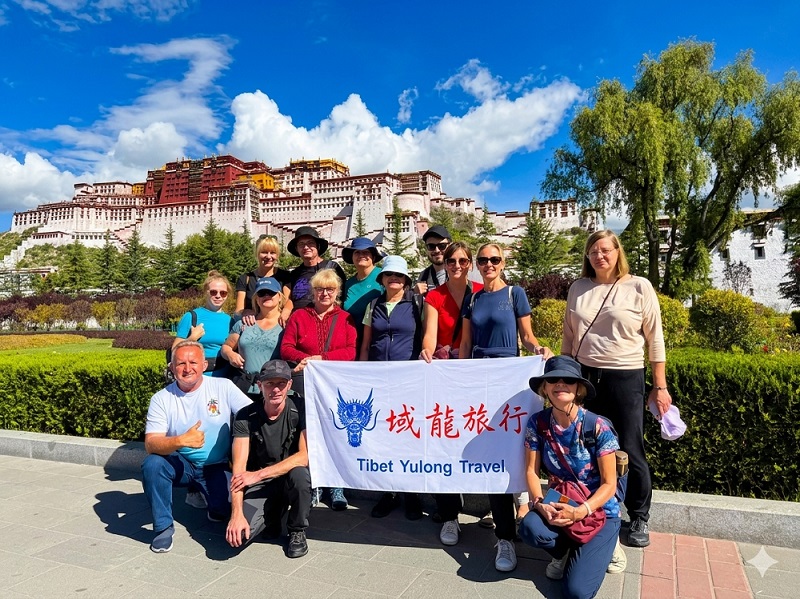
There is no public bus service that goes directly to the lakeshore. Independent backpackers rarely attempt this trip without private transport due to the logistical challenges and lack of facilities en route. Hiring a private vehicle or joining an organized tour is the standard approach. Many travelers choose to work with experienced local operators like Tibet Yulong Travel, who specialize in navigating the complex permit requirements and high-altitude driving conditions. Having a reliable driver familiar with the unpaved sections near the lake ensures both safety and efficiency.
Keep in mind that foreign visitors must obtain a Tibet Travel Permit before entering the region, and additional military or border permits may be required depending on current regulations. A registered travel agency will handle these documents on your behalf, so arranging your transport well in advance is highly recommended.
Essential Tips for Dealing with High Altitude
At 4,718 meters, the oxygen level at Namtso Lake is roughly half of what you would experience at sea level. Altitude sickness is a very real concern, and ignoring its symptoms can lead to dangerous medical emergencies such as pulmonary or cerebral edema. Proper preparation is non-negotiable.
Before heading to the lake, spend at least two to three days acclimatizing in Lhasa, which sits at a lower elevation of 3,650 meters. During this acclimatization period, avoid strenuous exercise, alcohol, and heavy meals. Drink plenty of water to stay hydrated, as the dry plateau air accelerates dehydration.
When you arrive at Namtso Lake, move slowly. Do not run, jump, or rush to set up photography equipment. Even walking briskly can leave you breathless and dizzy. Many guides recommend carrying portable oxygen cylinders, which can be purchased or rented in Lhasa prior to departure. If you begin experiencing severe headaches, persistent vomiting, or confusion, descend to a lower altitude immediately. Communicate any discomfort to your driver or guide right away; delaying treatment at this elevation is incredibly risky.
Medications like acetazolamide (Diamox) are commonly used by travelers to aid acclimatization, but you should consult a physician before taking any prescription drugs. Natural remedies, such as drinking local butter tea or chewing dried fruits, are also popular among locals for maintaining energy levels in thin air.
What to Expect: Scenery, Wildlife, and Local Life
The landscape surrounding Namtso Lake is defined by vast, open spaces. Unlike heavily commercialized tourist destinations, there are no large hotels or sprawling infrastructure here. Accommodation consists primarily of basic guesthouses or traditional yak-hair tents operated by local nomadic families. Facilities are rudimentary; expect squat toilets, limited electricity, and no central heating. Embracing this simplicity is part of the authentic experience.
Wildlife thrives in this remote ecosystem. During the warmer months, the lake serves as a vital breeding ground for numerous bird species, including bar-headed geese, brown-headed gulls, and various types of cormorants. On the grasslands approaching the shore, herds of domesticated yaks and sheep graze freely, tended by Tibetan nomads who have lived in harmony with this harsh environment for generations. Occasionally, lucky visitors might spot wild animals like Tibetan foxes or kiangs (wild asses) roaming the distant hills.
Interacting with local herders offers a glimpse into traditional Tibetan pastoral life. You may be invited into a tent to share a bowl of warm butter tea or tsampa (roasted barley flour). Always ask for permission before photographing people, their livestock, or their homes. Offering a small tip or purchasing handmade goods is a respectful way to support the local economy while honoring their hospitality.
Photography and Sightseeing Around the Shoreline
For photographers, Namtso Lake provides endless inspiration. The interplay of light, water, and mountains shifts constantly throughout the day. Sunrise and sunset are particularly magical. As the sun crests the eastern horizon, the water transitions from dark navy to brilliant turquoise, while the snowcaps glow pink and gold. Conversely, sunset casts long shadows across the rocky peninsulas, creating dramatic silhouettes.
One of the most photographed landmarks is Tashi Dor Peninsula, a rocky outcrop jutting into the lake. It features several small caves where monks historically meditated, and ancient rock paintings can still be found hidden within the stone crevices. Walking around this peninsula allows you to capture different angles of the lake with the towering Nyainqêntanglha peak serving as a majestic backdrop.
Because the UV radiation at this altitude is exceptionally strong, protecting your camera gear and yourself is vital. Use lens hoods to prevent flare, and keep spare batteries close to your body heat, as cold temperatures drain them rapidly. For personal protection, wear high-SPF sunscreen, UV-blocking sunglasses, and wide-brimmed hats to prevent sunburn and snow blindness.
Traveling to Namtso Lake is not merely a sightseeing excursion; it is an immersion into one of the most demanding yet spiritually enriching environments on Earth. By respecting the altitude, preparing logistically with trusted services like Tibet Yulong Travel, and honoring the deep cultural roots of the region, visitors can safely witness a landscape that truly earns its title as the Heavenly Lake.