Nestled in the dramatic landscapes of the Himalayas, Gyirong Port serves as the primary overland gateway connecting Tibet, China, with Nepal. Following the permanent closure of the Zhangmu border crossing after the devastating earthquake, this port has transformed into the most vital artery for international travelers, traders, and mountaineers moving between the two nations. Unlike many high-altitude border towns that feel barren and harsh, the Gyirong Valley is surprisingly lush, earning it the reputation of being the “back garden” of the Himalayas. For anyone planning an overland expedition from Lhasa to Kathmandu, or vice versa, understanding how this border operates is absolutely essential. The journey through this region offers not just a change of countries, but a profound shift in culture, climate, and scenery. This comprehensive guide will walk you through every practical detail needed to navigate the crossing successfully.
Key Takeaways:
- Gyirong Port is the main active land border between Tibet and Nepal.
- Foreign travelers require a Tibet Travel Permit and a Chinese Group Visa to cross.
- The altitude drops significantly from the Tibetan plateau down to the border valley.
- Road conditions have improved greatly, making the overland journey more reliable.
- Proper preparation for customs and immigration procedures saves hours at the checkpoint.
Understanding Gyirong Port and Its Strategic Importance
Gyirong Port is located in Gyirong County, part of Shigatse City in the Tibet Autonomous Region. Sitting at an elevation of approximately 2,800 meters on the Chinese side, it is notably lower than most Tibetan towns, which makes the transition much easier on the body for travelers coming down from Lhasa or Mount Everest. The port officially connects to Rasuwagadhi on the Nepalese side. Historically, this route was an ancient trade path used by merchants transporting salt, wool, and spices. Today, it handles both commercial freight and tourist traffic.
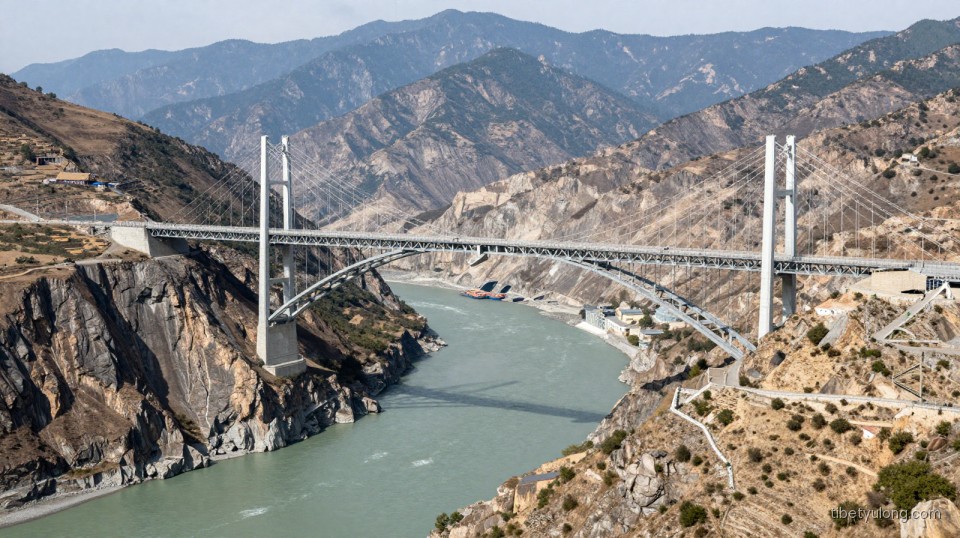
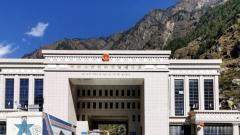
The strategic importance of Gyirong Port cannot be overstated. It is the only year-round operational land border between China and Nepal. The infrastructure here has seen massive upgrades in recent times, including widened roads, modernized customs facilities, and better bridges spanning the Gyirong River. When you arrive at the port, you will notice a blend of traditional Tibetan architecture and modern administrative buildings. The atmosphere is usually bustling with trucks waiting to clear customs and small groups of travelers completing their immigration formalities. Understanding that this is a working border town first and a tourist destination second helps set the right expectations regarding amenities and pacing.
Essential Permits and Visas for Gyirong Port
Crossing Gyirong Port is not as simple as showing up with a standard passport. Because the route passes through the Tibet Autonomous Region, the bureaucratic requirements are strict and non-negotiable. If you are traveling from Nepal into Tibet, you must arrange your documents well in advance through a registered travel agency. Independent travel in Tibet is not permitted for foreign nationals.
First, you need a Tibet Travel Permit (TTP), which is issued by the Tibet Tourism Bureau. Your travel agency will apply for this using your passport and Chinese visa copies. Second, because you are entering China via a land border rather than a standard airport, you will need a Chinese Group Visa. This special visa is issued by the Chinese Embassy in Kathmandu and requires you to be part of an organized tour. You cannot apply for a standard individual Chinese tourist visa if your entry point is Gyirong Port.
If you are traveling from Tibet into Nepal, the process is slightly different. You still need the Tibet Travel Permit to be in Tibet, and your guide will assist you in getting the necessary exit paperwork. Upon reaching the Nepalese side of Gyirong Port at Rasuwagadhi, you can obtain a Nepal visa on arrival, provided you have the correct passport photos and visa fees ready. Always double-check the latest visa regulations with your agency, as immigration policies can update without long notice periods.
The Overland Route: From Lhasa to Gyirong Port
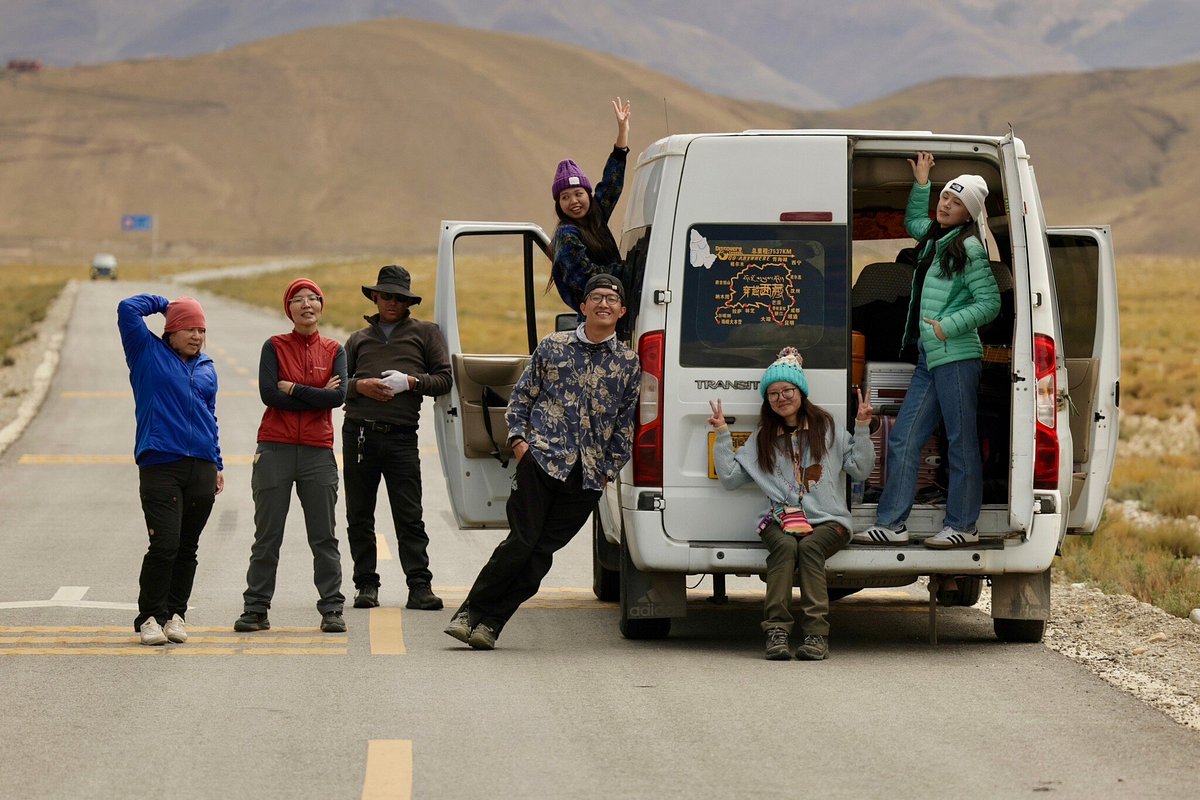
The journey to Gyirong Port usually forms the final leg of the classic Lhasa to Kathmandu overland tour. Starting from Lhasa at 3,650 meters, the route takes travelers past some of the most iconic sights on the planet. A typical itinerary includes stops at Yamdrok Lake, the city of Shigatse, and the Everest Base Camp region before finally descending toward the border.
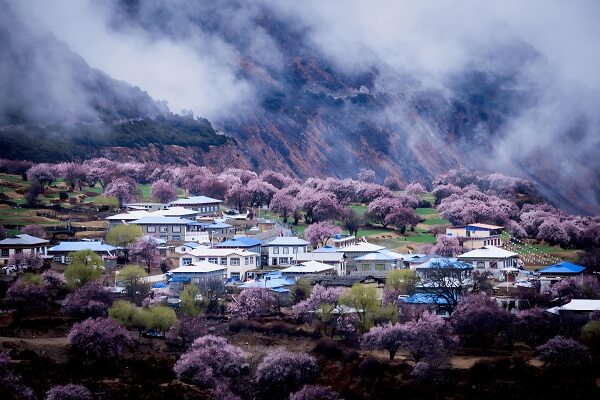
The drive from Tingri or Everest Base Camp to Gyirong Town covers roughly 250 kilometers. While this distance might seem short, the mountainous terrain means the drive takes several hours. The Friendship Highway and its connecting spur roads have been heavily paved and maintained, drastically reducing travel times compared to the old dirt tracks. As you approach Gyirong Town, the landscape undergoes a dramatic transformation. The arid, rocky expanses of the high plateau give way to deep gorges, rushing rivers, and dense forests of pine and rhododendron. This sudden burst of greenery is a welcome relief for the eyes and lungs alike.
Most tours spend one night in Gyirong Town before heading down to Gyirong Port the next morning. The town sits higher up the valley, while the actual port is located further down near the river gorge. The road winding down to the border features numerous switchbacks and offers stunning views of the waterfalls cascading down the cliff faces. Drivers familiar with this route are essential, as weather conditions like rain or snow can occasionally make the descent slippery.
Practical Tips for Crossing Gyirong Port Smoothly
Navigating the actual border crossing at Gyirong Port requires patience and organization. The process involves exiting one country and entering another, which means dealing with two sets of customs and immigration officers. Here are several practical tips to ensure your crossing goes smoothly.
Arrive early in the morning. The border opens at specific hours, and queues of commercial trucks can build up quickly. Tourist vehicles are usually given priority, but arriving early ensures you have plenty of daylight to complete the journey on the Nepalese side, where roads are generally rougher and slower. Keep all your documents—passports, permits, visas, and customs declaration forms—in a single, easily accessible folder. Do not pack them in your checked luggage or deep inside your backpack.
When walking across the bridge that separates the Chinese and Nepalese immigration zones, you will carry your own day bags while larger luggage might be transported separately depending on the current logistics setup. Be prepared for thorough bag checks. Certain items, such as fresh fruits, meats, and specific literature, are restricted from crossing the border. Avoid carrying prohibited agricultural products to prevent delays or fines.
Currency exchange is another factor to consider. There are limited facilities for exchanging money exactly at the port. It is highly recommended to exchange a small amount of Chinese Yuan to Nepalese Rupees before you leave Gyirong Town, or bring US Dollars to exchange once you reach Kathmandu. Mobile network signals also switch at the border; inform your contacts that you may be unreachable for a few hours during the transit. Ensure your phone has international roaming activated or purchase a local Nepalese SIM card immediately after clearing immigration at Rasuwagadhi.
Best Time to Travel Through Gyirong Port
Timing your trip correctly can make the difference between a comfortable journey and a logistical headache. The best time to travel through Gyirong Port is during the spring and autumn months. Spring brings blooming flowers to the lower valleys and clear skies, offering excellent visibility of the surrounding Himalayan peaks. Autumn provides crisp air and stable weather, which is ideal for driving the mountain roads.
Summer coincides with the monsoon season. While the high Tibetan plateau remains relatively dry, the Gyirong Valley receives heavy rainfall. This increases the risk of landslides and mudslides along the steep roads leading down to the port. Road closures due to weather events are not uncommon during the peak monsoon months, so summer travelers must build buffer days into their itineraries. Winter brings freezing temperatures and snow at higher elevations. While the port itself rarely freezes over completely due to its lower altitude, the passes leading to it can become icy and dangerous. If traveling in winter, ensure your vehicle is equipped with snow chains and that your driver has extensive experience in winter mountain driving.
Planning Your Journey with Tibet Yulong Travel
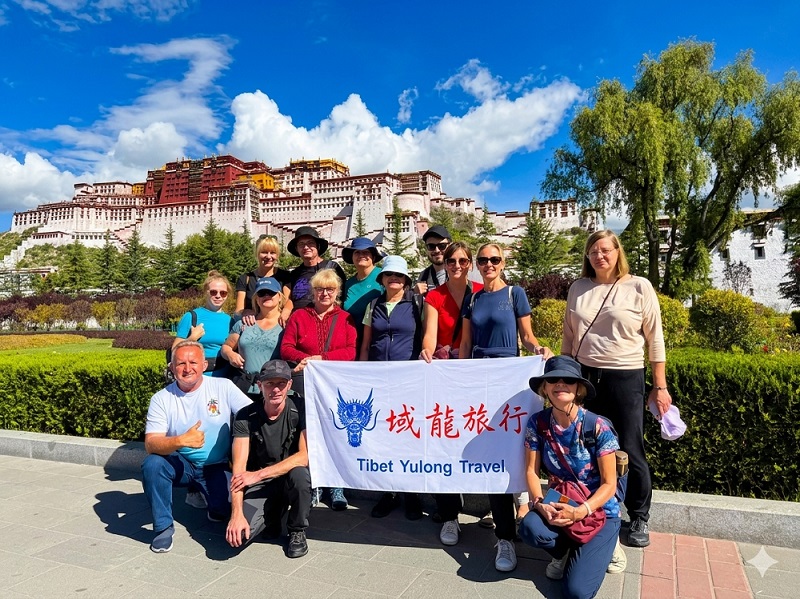
Successfully crossing Gyirong Port relies heavily on having a knowledgeable and experienced travel partner handling the logistics behind the scenes. Organizing the required Tibet Travel Permit, coordinating the Chinese Group Visa, arranging reliable transportation, and managing the tight timeline of the border crossing are complex tasks. This is where professional agencies like Tibet Yulong Travel prove invaluable. With years of expertise in organizing overland expeditions between Lhasa and Kathmandu, Tibet Yulong Travel ensures that every document is in order and every transfer is seamless. Their local guides are intimately familiar with the procedures at Gyirong Port, helping travelers bypass common pitfalls and unnecessary delays. By entrusting your itinerary to an experienced operator like Tibet Yulong Travel, you can focus entirely on the breathtaking scenery and cultural richness of the Himalayas, knowing that the complexities of the border crossing are handled with precision and care.