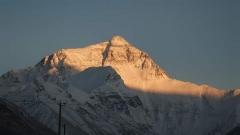
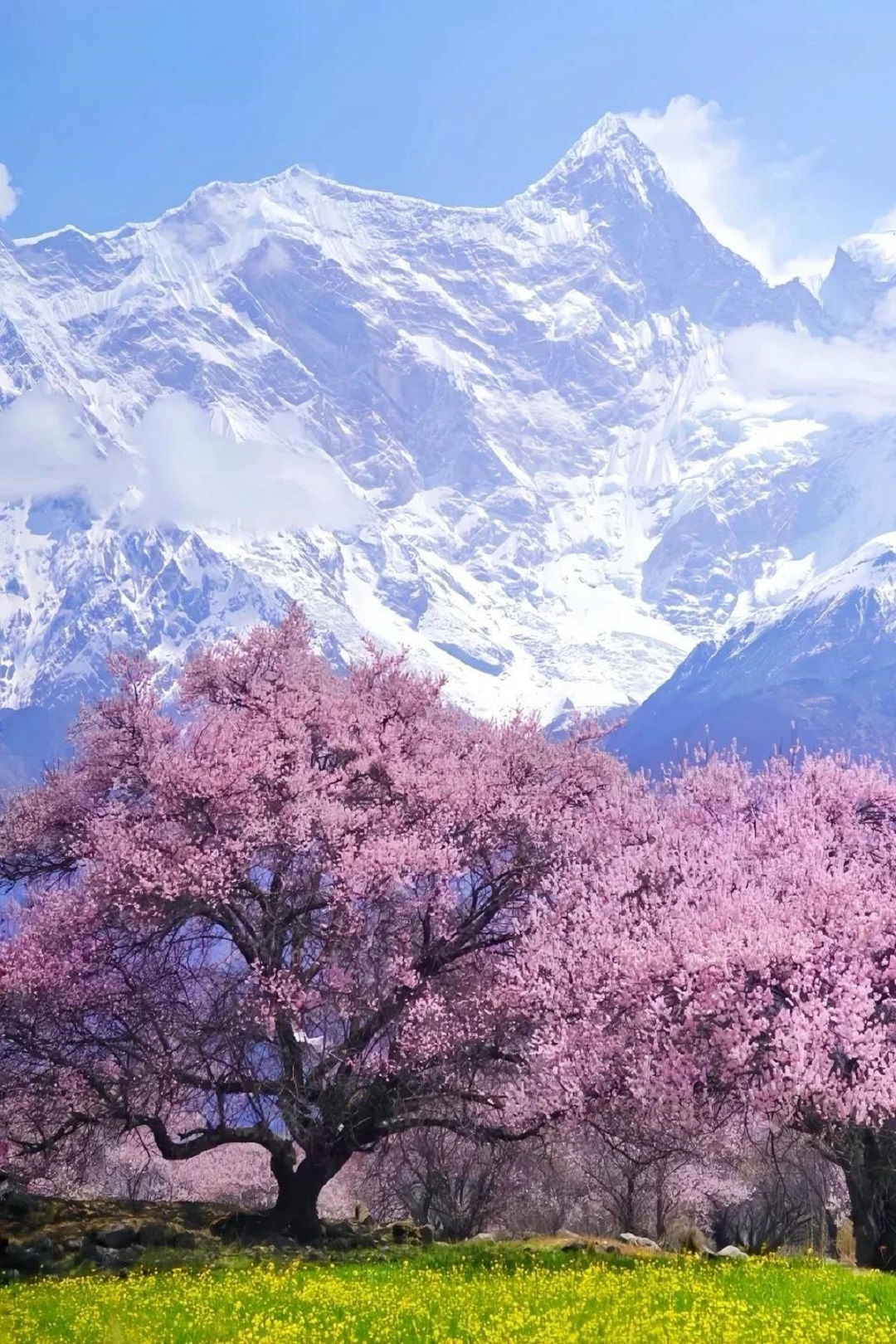
Tibet is a destination that defies ordinary description. Perched on the highest plateau on Earth, it offers a landscape where snow-capped peaks meet vast grasslands, and ancient monasteries echo with centuries of devotion. For travelers seeking spiritual depth, raw natural beauty, and a cultural experience unlike any other, this region stands as an unparalleled frontier. Understanding the nuances of this remote area is essential before embarking on a journey here. This introduction to Tibet will guide you through its geography, cultural heritage, practical travel considerations, and the best ways to experience its wonders. Whether you are drawn by the towering presence of Mount Everest or the rhythmic chants of monks in Lhasa, preparing for this trip requires both enthusiasm and knowledge.
Key Highlights:
- Average elevation exceeds 4,000 meters, earning it the title “Roof of the World.”
- Tibetan Buddhism deeply influences daily life, architecture, and local festivals.
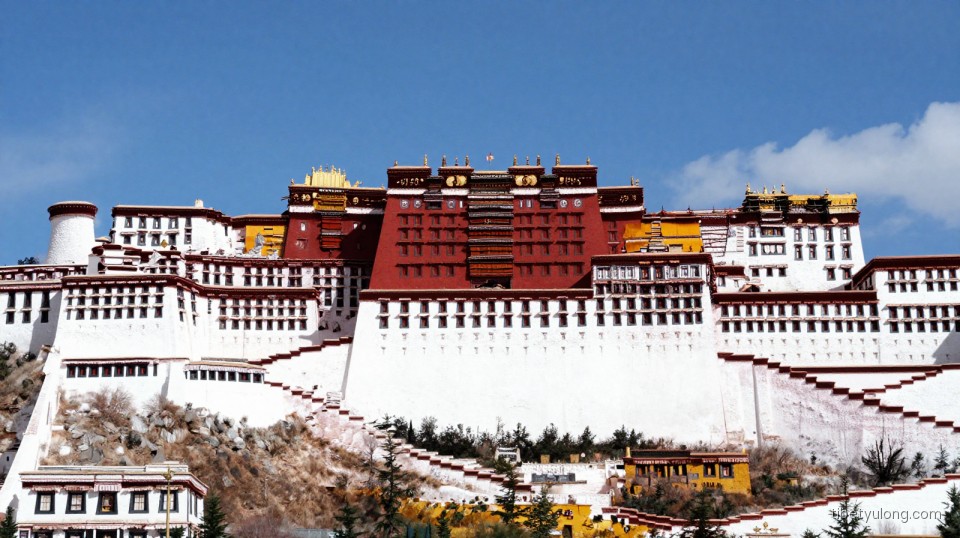
- The Potala Palace remains the most iconic historical landmark in the region.
- Proper acclimatization is mandatory to safely enjoy high-altitude exploration.
- Spring and autumn provide the clearest skies and most comfortable travel conditions.
Geography and Climate: An Introduction to Tibet’s Natural Wonders
The geographical reality of Tibet is defined by extreme altitude and dramatic topography. As the core of the Qinghai-Tibet Plateau, it is bordered by the Himalayas to the south, the Kunlun Mountains to the north, and the Hengduan Mountains to the east. This immense elevation shapes everything from the climate to the lifestyle of its inhabitants. The air is thin, the solar radiation is intense, and the temperature fluctuates significantly between day and night.
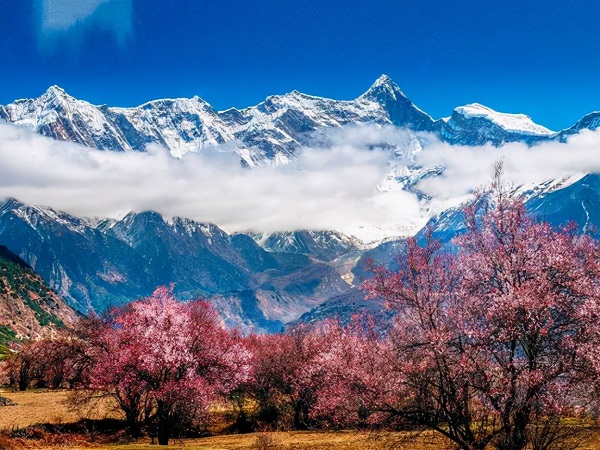
Despite its reputation as a frozen wasteland, the region boasts surprising ecological diversity. The southeastern areas, such as Nyingchi, feature lush forests, deep river gorges, and a relatively mild climate due to moisture carried up from the Indian Ocean. In contrast, the northern Changtang region is a vast, arid steppe inhabited primarily by nomadic herders and rare wildlife like the Tibetan antelope and wild yak.
When planning a trip based on this introduction to Tibet, understanding the seasons is crucial. Winter brings heavy snows that can close mountain passes, while summer is the rainy season, which often obscures the views of major peaks. Therefore, the transitional months of spring and early autumn are generally considered the optimal times for clear skies and accessible roads.
Cultural Heritage and Religion in This Introduction to Tibet
To truly appreciate Tibet, one must understand the profound influence of Tibetan Buddhism. It is not merely a religion but the very fabric of society, dictating art, architecture, daily routines, and moral philosophies. Monasteries are scattered across the landscape, ranging from massive institutional centers to small, remote hermitages clinging to cliff faces.
Lhasa, the capital city, serves as the spiritual heart of the region. The Jokhang Temple is arguably the most sacred site, drawing pilgrims who have often traveled hundreds of miles on foot, performing full-body prostrations along the way. The Barkhor Street surrounding the temple is a vibrant circuit where visitors can observe traditional customs, spin prayer wheels, and smell the ever-present juniper incense.
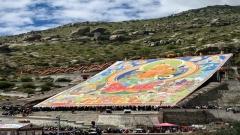
Beyond Lhasa, monasteries like Tashilhunpo in Shigatse and Sera Monastery offer deep insights into monastic life. The famous monk debates at Sera, characterized by dramatic hand-clapping and stomping, are a unique intellectual tradition designed to test the understanding of Buddhist philosophy. Art forms such as Thangka painting—meticulous scroll paintings depicting deities and mandalas—and sand mandala creation showcase a dedication to spiritual artistry that has survived for centuries.
Iconic Landmarks You Must See
No introduction to Tibet would be complete without highlighting its architectural marvels. The Potala Palace dominates the Lhasa skyline. Originally built in the 7th century and significantly expanded in the 17th century, it served as the winter residence of the Dalai Lamas and the seat of the Tibetan government. Its striking white and red facades house thousands of rooms, chapels, and stupas filled with historical artifacts. Visiting the interior requires advance ticket booking due to strict daily visitor limits designed to protect the ancient wooden structure.
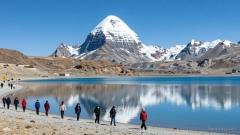
Further west, Mount Kailash holds immense significance for four religions: Buddhism, Hinduism, Jainism, and Bon. It is never climbed out of religious reverence; instead, pilgrims undertake a grueling multi-day trek around its base, known as the Kora. The sight of its perfectly symmetrical, snow-dusted peak rising above the barren landscape is one of the most awe-inspiring visuals on the planet.
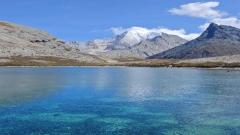
For those interested in natural landmarks, Yamdrok Lake and Namtso Lake offer surreal beauty. Their waters shift in color depending on the sunlight, presenting shades of turquoise and deep blue against the backdrop of snow-covered mountains. These sacred lakes are integral to local mythology and provide stunning photography opportunities.
Practical Travel Tips and Health Precautions
Traveling to the plateau requires careful physical preparation. Altitude sickness, or Acute Mountain Sickness (AMS), is the primary concern for visitors. Symptoms include headaches, nausea, dizziness, and shortness of breath. To mitigate these risks, it is highly recommended to spend the first few days resting upon arrival in Lhasa, avoiding strenuous exercise, alcohol, and heavy meals. Drinking plenty of water and ascending gradually allows the body to acclimatize naturally.
Foreign travelers cannot visit the region independently. A Tibet Travel Permit is strictly required, alongside a standard Chinese visa. This permit must be arranged through a registered travel agency well in advance of your departure. Furthermore, traveling with a licensed guide is mandatory for foreign nationals, ensuring both compliance with local regulations and a smoother logistical experience.
Packing appropriately is another vital aspect of your preparation. Because of the drastic temperature swings, layering clothing is the best strategy. Sun protection is non-negotiable; high-SPF sunscreen, UV-blocking sunglasses, and wide-brimmed hats are essential to prevent severe sunburns caused by the thin atmosphere.
Local Cuisine and Culinary Experiences
The food in Tibet reflects the harsh environment and the need for high-calorie sustenance. Tsampa, roasted barley flour mixed with butter tea, is the traditional staple. Butter tea itself, made from yak butter, salt, and tea leaves, is an acquired taste for many foreigners but is incredibly effective at providing energy and combating the dry, cold air.
Yak meat features heavily in the local diet, served dried, boiled, or in stews. Momos, steamed or fried dumplings filled with meat or vegetables, are perhaps the most universally loved dish among travelers. When exploring local teahouses, trying sweet tea—a more familiar alternative to butter tea—offers a great way to sit back and observe daily life.
Planning Your Journey with Tibet Yulong Travel
Navigating the logistics of permits, transportation, and high-altitude itineraries can be daunting. This is where partnering with experienced professionals makes a significant difference. Tibet Yulong Travel specializes in crafting seamless journeys across the plateau, handling all necessary permit applications, providing knowledgeable local guides, and arranging reliable transportation. Whether you are looking for a classic Lhasa and Everest Base Camp tour or a more off-the-beaten-path exploration of eastern regions, Tibet Yulong Travel ensures that the complex details are managed efficiently. By relying on their expertise, travelers can focus entirely on absorbing the spiritual and visual magnificence of the destination, knowing their safety and comfort are prioritized throughout the expedition.