Embarking on a pilgrimage to Mount Kailash and Lake Mansarovar is a profound spiritual journey that attracts thousands of devotees and adventure seekers from around the globe. However, before setting foot on this sacred terrain, understanding the Kailash Mansarovar tour cost is essential for proper planning. The remote location, high altitude, and strict permit requirements make this trip more complex than a standard vacation. Expenses can vary significantly based on your chosen route, travel style, and group size. Whether you are traveling from Nepal, India, or directly through Tibet, knowing where your money goes helps prevent unexpected financial stress. This comprehensive guide breaks down every aspect of the cost associated with this legendary yatra, ensuring you can focus entirely on the spiritual experience rather than logistical worries.
Key Takeaways:
- Total expenses depend heavily on your chosen route.
- Mandatory permits and guides form a significant portion of the budget.
- Transportation costs vary between overland driving and helicopter options.
- High-altitude gear and medical insurance are non-negotiable expenses.
- Booking through specialized agencies like Tibet Yulong Travel optimizes overall value.
Understanding the Overall Kailash Mansarovar Tour Cost
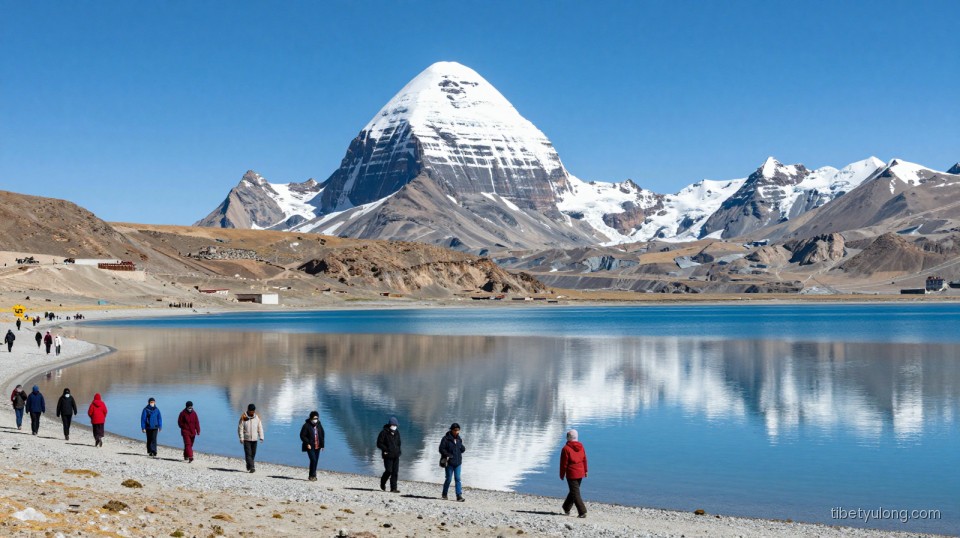
When calculating the total Kailash Mansarovar tour cost, it is important to recognize that there is no single fixed price. The final amount depends on several variables, including your starting point, the duration of the trip, and the level of comfort you desire. Generally, travelers approach this pilgrimage via three main routes: the overland route from Kathmandu through the Kyirong border, the helicopter route from Nepalgunj to Hilsa, or direct access from within mainland China via Lhasa or Ali.
The overland route tends to be the most economical option, though it requires more time and physical endurance due to long drives on rugged mountain roads. The helicopter route significantly reduces travel time but increases the overall expense. Regardless of the path chosen, the remote nature of the Ngari Prefecture in Tibet means that basic commodities, fuel, and labor are more expensive than in major cities. Every item must be transported over vast distances, which naturally inflates the baseline cost for accommodation, food, and logistics.
Permit Fees and Administrative Expenses
No traveler can visit Mount Kailash without obtaining specific permits, and these administrative fees constitute a mandatory part of your budget. Foreign passport holders require a Tibet Travel Permit, an Alien Travel Permit, and a Military Border Pass. For Indian nationals undertaking the official yatra, the process involves coordination between the Chinese authorities and designated liaison organizations.
These permits cannot be applied for individually; they must be arranged through a registered travel agency. The processing fees, combined with the service charges of the agency, add to the initial cost. Furthermore, independent travel is strictly prohibited in this region. You are required by law to travel with a licensed guide and use registered vehicles. While this might seem like an added expense, it ensures safety and compliance with local regulations. When evaluating different tour packages, always verify exactly which permits and administrative fees are included in the quoted price to avoid hidden charges later.
Transportation Costs for the Pilgrimage
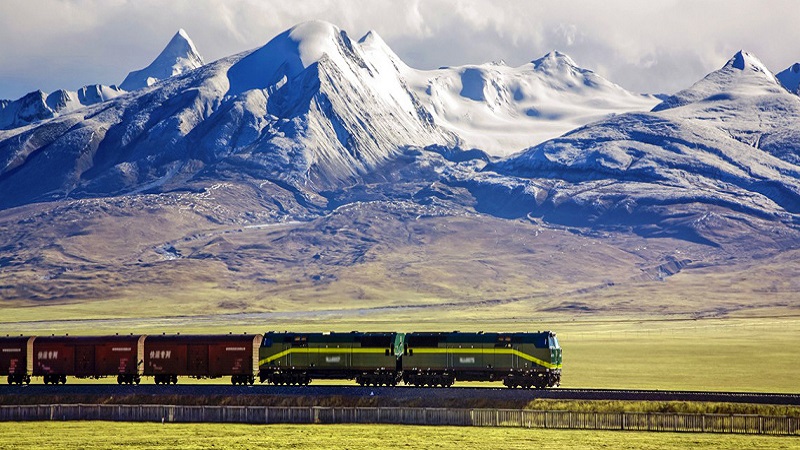
Transportation is often the largest single component of the Kailash Mansarovar tour cost. Because public transportation does not service the immediate areas around Mount Kailash and Lake Mansarovar, all travel must be conducted via chartered vehicles. For the overland route from Kathmandu, you will typically share a robust 4×4 vehicle or a comfortable tourist van with other pilgrims. The drive covers hundreds of kilometers across high-altitude plateaus, requiring experienced drivers familiar with the treacherous terrain.
If you opt for the route involving flights, such as flying from Kathmandu to Lhasa, or taking a domestic flight closer to Ali Kunsha Airport, airfare will substantially increase your budget. Helicopter charters from Nepalgunj to the Tibetan border at Hilsa offer a thrilling and time-saving alternative, but the charter fees are steep. Fuel costs in remote Tibet are higher than average, and vehicle maintenance in extreme conditions adds to the operational expenses borne by tour operators. Sharing transportation costs within a larger group is the most effective way to keep this particular expense manageable.
Accommodation and Lodging Budget
Expectations regarding accommodation must be adjusted when planning for this region. The towns along the route, such as Saga, Darchen, and Paryang, offer limited lodging options. While luxury hotels do not exist in these remote outposts, there are decent guesthouses and basic hotels available. The cost of a bed here is surprisingly high relative to the amenities provided, simply because building materials and daily necessities must be trucked in over long distances.
During the peak pilgrimage season, demand for rooms surges, which can drive prices up further. Most organized tours include twin-sharing rooms in their package cost. In Darchen, the base camp for the Kailash kora (circumambulation), accommodations are very basic. During the actual trekking days around the mountain, you will stay in monastery guesthouses or pitched tents at places like Dirapuk and Zutulpuk. These camping arrangements are usually factored into the overall package price, covering tents, sleeping mats, and the labor of the support crew who set them up.
Food and Daily Sustenance Expenses
Dining options along the Kailash Mansarovar route are sparse. In larger transit towns, you might find small restaurants serving Tibetan, Chinese, or basic Indian vegetarian meals. However, once you leave these towns, food becomes entirely dependent on what your tour operator provides. Many agencies employ dedicated cooks who travel with the group to prepare hygienic, warm meals suited to the dietary restrictions of pilgrims.
The cost of food is integrated into most comprehensive tour packages. If you plan to buy snacks, bottled water, or extra meals independently, be prepared to pay premium prices. Fresh vegetables and fruits are scarce and expensive at high altitudes. It is highly recommended to bring your favorite dry snacks, energy bars, and instant foods from home. Relying solely on purchasing food along the route will unnecessarily inflate your daily spending and may not satisfy your palate during physically demanding days.
Guide, Support Staff, and Tipping
As mentioned, traveling with a guide is legally required, but beyond the guide, a successful Kailash Mansarovar tour relies on a team of support staff. This includes drivers, cooks, and porters or yak herders who assist during the three-day trek around Mount Kailash. The wages for these professionals are included in the upfront cost of an organized tour.
Tipping, while not legally mandatory, is a deeply ingrained custom and a vital source of income for the local support crew. After enduring harsh weather and high altitudes alongside you, acknowledging their hard work with a gratuity is standard practice. Budgeting an additional amount for tips at the end of the journey is a necessary consideration. Discuss tipping guidelines with your tour operator beforehand so you know the expected norms for guides, drivers, and trekking staff.
Gear, Insurance, and Miscellaneous Costs
Beyond the core logistical expenses, personal preparation incurs its own costs. High-altitude trekking demands specialized gear. Investing in thermal layers, windproof jackets, sturdy trekking boots, UV-protection sunglasses, and a reliable sleeping bag rated for sub-zero temperatures is crucial. If you do not already own these items, purchasing them represents a significant pre-trip expense.
Travel insurance is another non-negotiable factor. Standard policies rarely cover altitudes above 5,000 meters or emergency helicopter evacuations. You must purchase a specialized high-altitude travel insurance policy that explicitly covers the Kailash region. Medical emergencies at this elevation can be life-threatening, and evacuation costs are astronomical without proper coverage. Additionally, factor in miscellaneous expenses such as visa fees, currency exchange fluctuations, entrance fees to specific monasteries, and personal offerings at holy sites.
How to Optimize Your Kailash Mansarovar Tour Cost
Managing your budget effectively does not mean compromising on safety or the spiritual essence of the journey. The most practical strategy is to travel in a group. Since transportation, guide fees, and camping logistics are shared, larger groups drastically reduce the per-person cost. Traveling during the shoulder seasons, just before or after the peak summer months, can sometimes yield better rates, though you must be prepared for colder weather.
Selecting the right tour operator is perhaps the most impactful decision you will make. An experienced agency streamlines the entire process, preventing costly mistakes and hidden fees. For instance, organizing your journey through specialists like Tibet Yulong Travel can provide immense value. With deep expertise in Tibetan logistics, Tibet Yulong Travel offers transparent pricing structures, ensuring you understand exactly what your money covers. Their established relationships with local providers mean better rates on accommodation and transport, ultimately helping you manage the overall cost efficiently while guaranteeing a safe, well-coordinated pilgrimage.
Careful research, realistic expectations about remote travel, and partnering with seasoned professionals will ensure that your financial investment translates into a seamless, transformative experience at the roof of the world.