Lhasa is often celebrated for its towering monasteries and breathtaking Himalayan landscapes, but to truly understand the soul of this region, a visit to the Tibet Museum is essential. Located near the iconic Norbulingka Summer Palace, this institution serves as the premier repository of Tibetan history, art, and culture. Whether you are a history enthusiast or a curious traveler, the museum offers an immersive journey through thousands of years of civilization on the plateau. Before exploring the details, here are the key highlights of visiting the Tibet Museum:
- Free admission makes it highly accessible for all travelers.
- Extensive collections feature prehistoric artifacts, Thangka paintings, and rare texts.
- Interactive exhibits provide deep insights into traditional Tibetan daily life.
- The architecture beautifully blends modern design with traditional Tibetan aesthetics.
- Guided tours and audio guides enhance the overall visitor experience significantly.
Understanding these core elements will help you appreciate why this destination is a must-see stop on any Lhasa itinerary.
Overview and Location of the Tibet Museum
The Tibet Museum stands as the first large-scale, modern comprehensive museum in the Tibet Autonomous Region. Situated in the western part of Lhasa, it occupies a prime location adjacent to Norbulingka, making it easy to combine both attractions into a single day trip. The building itself is an architectural marvel, designed to reflect traditional Tibetan structural elements while incorporating modern exhibition technologies. From the grand entrance hall adorned with intricate murals to the spacious galleries filled with natural light, every corner of the facility is designed to evoke a sense of reverence and curiosity.
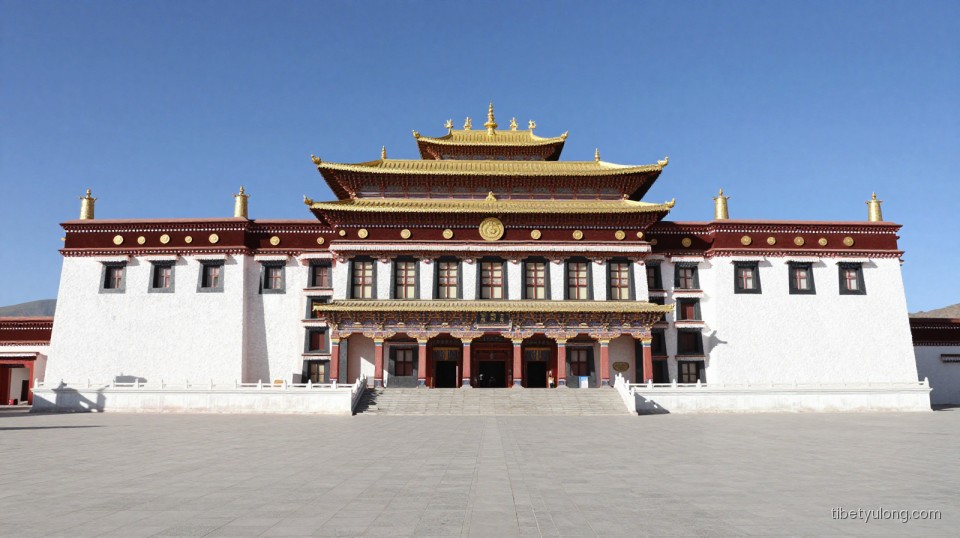
Navigating to the museum is straightforward for most visitors staying in central Lhasa. Local taxis and public transportation routes frequently pass by the area. Because the altitude in Lhasa exceeds 3,600 meters, walking too quickly from your hotel can be exhausting. Many travelers prefer to arrange comfortable transport to conserve energy for the actual exploration inside. The exterior grounds are equally impressive, featuring landscaped gardens where visitors can rest and acclimatize before or after their indoor tour. The peaceful environment surrounding the building provides a stark contrast to the bustling streets of downtown Lhasa.
Historical Significance of the Tibet Museum
To fully appreciate the collections housed within the Tibet Museum, one must understand the historical context of the region. The plateau has been inhabited for tens of thousands of years, and the artifacts displayed trace a continuous line of human adaptation to one of the harshest environments on Earth. The museum’s permanent exhibitions are carefully curated to tell the story of how various ethnic groups interacted, traded, and eventually forged a unique cultural identity deeply intertwined with Buddhism.
The historical narrative presented here goes beyond religious timelines. It delves into the political, economic, and social developments that shaped the region over centuries. Visitors can examine ancient stone tools, bronze wares, and pottery that highlight early agricultural and nomadic practices. These prehistoric relics demonstrate the ingenuity required to survive at high altitudes. Furthermore, the museum documents the historical exchanges between the plateau and neighboring regions, showcasing how trade routes facilitated not only the movement of goods but also the spread of ideas, art forms, and religious philosophies. This comprehensive approach ensures that guests leave with a nuanced understanding of local history rather than a superficial overview.
Key Exhibitions and Collections Inside the Tibet Museum
The true draw of the Tibet Museum lies in its vast and meticulously preserved collections. The exhibition halls are generally divided into several thematic sections, each focusing on a different aspect of regional heritage. One of the most popular sections is dedicated to Thangka art. These intricate, hand-painted scroll paintings depict deities, mandalas, and historical events. The colors used in authentic Thangkas are derived from precious minerals like lapis lazuli, malachite, and gold, which explains why they remain vibrant even after centuries. Standing before these masterpieces allows visitors to witness the extraordinary patience and spiritual devotion of the artisans who created them.
Another fascinating section explores traditional Tibetan folk culture. Here, you will find detailed dioramas and authentic artifacts illustrating daily life, including traditional clothing, jewelry, farming implements, and nomadic tents. The craftsmanship evident in silver ornaments and woven textiles speaks volumes about the aesthetic sensibilities of the people. Additionally, the museum houses an impressive collection of Buddhist scriptures printed on wooden blocks, some of which date back hundreds of years. These texts are vital for scholars studying the transmission of Vajrayana Buddhism across Asia. For those interested in anthropology, the displays detailing traditional medicine, astronomy, and calendrical systems offer a glimpse into a highly sophisticated indigenous knowledge system that continues to influence daily life today.
Practical Visitor Information for the Tibet Museum
Planning your logistics ahead of time ensures a smooth and enjoyable visit. One of the greatest advantages of the Tibet Museum is that general admission is free, though visitors must present valid identification to obtain entry tickets. During peak tourist seasons, lines can form early in the morning, so arriving shortly after opening hours is advisable. The museum typically operates from Tuesday to Sunday, remaining closed on Mondays for maintenance, though schedules may occasionally adjust during major local festivals.
Photography policies vary by gallery. While taking photos without flash is generally permitted in the main halls, certain sensitive artifacts or temporary exhibitions may strictly prohibit photography to protect delicate pigments from light damage. Always check signage or ask staff before raising your camera. Audio guides are available in multiple languages, providing invaluable context that transforms a simple walk-through into an educational experience. If you prefer a more personalized touch, hiring a local guide can unlock stories and historical nuances that placards might miss. Remember to dress modestly out of respect for the religious artifacts on display, and keep noise levels low to maintain the contemplative atmosphere appreciated by other guests.
Integrating the Tibet Museum into Your Lhasa Itinerary
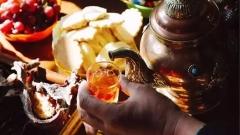
Because of its proximity to Norbulingka, combining a morning visit to the summer palace with an afternoon spent exploring the Tibet Museum creates a perfectly balanced cultural day. After absorbing the historical weight of the exhibits, stepping out into the fresh Lhasa air provides a moment to process what you have learned. Nearby teahouses offer the perfect setting to rest your feet while sipping sweet milk tea or butter tea, allowing you to discuss your favorite artifacts with travel companions.
For those looking to expand their exploration beyond Lhasa, venturing into the broader region reveals even more layers of this rich culture. Many travelers choose to partner with experienced local operators to navigate the logistical challenges of high-altitude travel safely. Companies like Tibet Yulong Travel specialize in crafting itineraries that seamlessly blend major historical sites with off-the-beaten-path experiences. By utilizing professional services such as Tibet Yulong Travel, visitors can ensure that their journey from the museum halls of Lhasa to the remote monasteries of the hinterlands is handled with expertise, allowing them to focus entirely on the profound beauty and history of the plateau. Proper planning through knowledgeable agencies minimizes altitude-related risks and maximizes cultural immersion, making the entire expedition far more rewarding.
Preserving Cultural Heritage Through Education
Beyond serving tourists, the institution plays a critical role in academic research and cultural preservation. Conservation labs work tirelessly behind the scenes to restore damaged manuscripts, stabilize fragile textiles, and prevent the degradation of organic materials exposed to fluctuating climates. Educational outreach programs frequently bring local school children through the halls, fostering a sense of pride and continuity among younger generations. When you purchase items from the museum gift shop—such as replica Thangkas, locally crafted jewelry, or scholarly books—you directly contribute to funding these vital preservation efforts.
Ultimately, dedicating a few hours to this remarkable institution fundamentally changes how you perceive the landscape outside its walls. Every mountain pass, prayer flag, and monastery takes on deeper meaning once you understand the historical forces that shaped them. The careful curation of artifacts, combined with thoughtful architectural design and accessible visitor services, elevates the experience far beyond a standard tourist attraction. Whether you spend two hours skimming the highlights or an entire day reading every plaque, the knowledge gained here becomes an indispensable lens through which to view the rest of your journey across the roof of the world.