Traveling across the roof of the world is an experience unlike any other, and stepping inside a Tibet Train marks the beginning of one of the most remarkable railway journeys on the planet. The Qinghai-Tibet Railway connects mainland China to the Tibetan Plateau, offering passengers a front-row seat to some of the most breathtaking landscapes on Earth. But beyond the stunning views outside the window, the interior of the train itself is a marvel of modern engineering designed specifically for high-altitude travel. From pressurized cabins to specialized oxygen delivery systems, every detail has been carefully considered to ensure passenger comfort and safety at elevations exceeding 5,000 meters. Whether you are a seasoned traveler or planning your first trip to Lhasa, understanding what awaits you inside the train will help you prepare for this unforgettable adventure.
Key Takeaways:
- Cabins offer hard sleeper, soft sleeper, and hard seat options.
- Built-in oxygen systems prevent altitude sickness during the journey.
- Dining cars serve hot meals adapted for high-altitude cooking.
- Large windows provide unobstructed views of the plateau scenery.
- Booking through experienced agencies like Tibet Yulong Travel simplifies the permit process.
Inside Tibet Train: Understanding the Cabin Layouts
When you first step inside a Tibet Train, you will notice that the layout resembles conventional Chinese long-distance trains, but with several crucial modifications tailored for the extreme environment. Passengers generally choose between three classes of travel: hard seats, hard sleepers, and soft sleepers. Hard seats are arranged in rows of three and two, suitable for shorter segments of the journey, though most travelers heading all the way to Lhasa opt for a sleeper berth to rest comfortably over the multi-day trip.
Hard sleeper cabins feature open compartments with six bunks stacked three high on each side. While they lack doors for privacy, they offer a budget-friendly way to experience the railway. Soft sleepers, on the other hand, are the preferred choice for international tourists. These enclosed cabins contain four berths—two lower and two upper—with a sliding door that provides privacy and security. The mattresses are thicker, and each bunk comes equipped with a reading light, a small storage space, and bedding. Knowing exactly what to expect inside a Tibet Train helps travelers pack appropriately and select the accommodation that best fits their comfort needs.
Oxygen Supply Systems Inside the Tibet Train
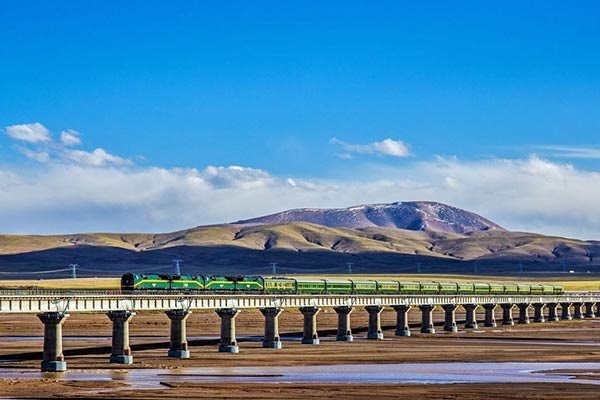
The most critical engineering achievement found inside a Tibet Train is its dual oxygen supply system, designed to combat the thin air of the high plateau. As the train ascends past Golmud and climbs toward the Tanggula Pass—the highest point on the railway at over 5,000 meters above sea level—the atmospheric pressure drops significantly. To protect passengers from acute mountain sickness, the entire train is pressurized similarly to an aircraft cabin.
In addition to this centralized diffusion system, personal oxygen outlets are available at every berth and seat. In soft sleeper cabins, you will find individual oxygen nozzles near the beds. If you begin to feel lightheaded or short of breath, you can request a disposable nasal tube from the train attendant, connect it to the outlet, and breathe supplemental oxygen directly. This system operates continuously while the train travels through high-altitude sections. It is highly recommended not to smoke anywhere inside a Tibet Train, as the sealed, oxygen-enriched environment makes fire hazards particularly dangerous. The combination of cabin pressurization and personal oxygen masks ensures that the journey remains safe and comfortable even when traversing the most elevated stretches of the track.
Dining and Food Options on Board
Eating well is an important part of any long journey, and the food service inside a Tibet Train is designed to accommodate the diverse tastes of domestic and international passengers. Every train features a dedicated dining car where freshly prepared meals are served throughout the day. Because water boils at a lower temperature at high altitudes, the kitchen utilizes specialized pressurized cooking equipment to ensure that rice, noodles, and vegetables are cooked thoroughly.
The menu typically includes traditional Chinese dishes such as stir-fried vegetables, rice plates, soups, and noodle dishes. Breakfast usually consists of porridge, steamed buns, eggs, and pickled vegetables. For those who prefer to eat in the privacy of their cabins, mobile carts frequently pass through the aisles selling packaged snacks, instant noodles, fruits, and beverages. Hot water dispensers are located at the end of each carriage, allowing passengers to brew tea, coffee, or instant meals at any time. Many travelers also bring their own supply of dried fruits, nuts, and energy bars to supplement the onboard dining options during their time inside the Tibet Train.
Restrooms, Washrooms, and Daily Hygiene
Hygiene facilities inside a Tibet Train vary depending on the class of travel. Soft sleeper carriages are equipped with both Western-style sitting toilets and traditional squat toilets, along with washbasins at the end of the corridor. Hard sleeper and hard seat carriages primarily feature squat toilets. All restrooms are cleaned regularly by the onboard staff, though bringing your own toilet paper, wet wipes, and hand sanitizer is strongly advised, as supplies can run out quickly on busy routes.
There are no shower facilities available on the train. Passengers typically use wet wipes or a damp towel to freshen up during the journey. Washbasins provide running water for brushing teeth and washing hands and faces. Keeping yourself hydrated and maintaining basic hygiene goes a long way in ensuring you feel refreshed upon arrival in Lhasa. The closed-loop waste management system used inside a Tibet Train prevents environmental contamination on the fragile plateau, meaning nothing is discharged onto the tracks during the journey.
Scenic Views Through the Windows
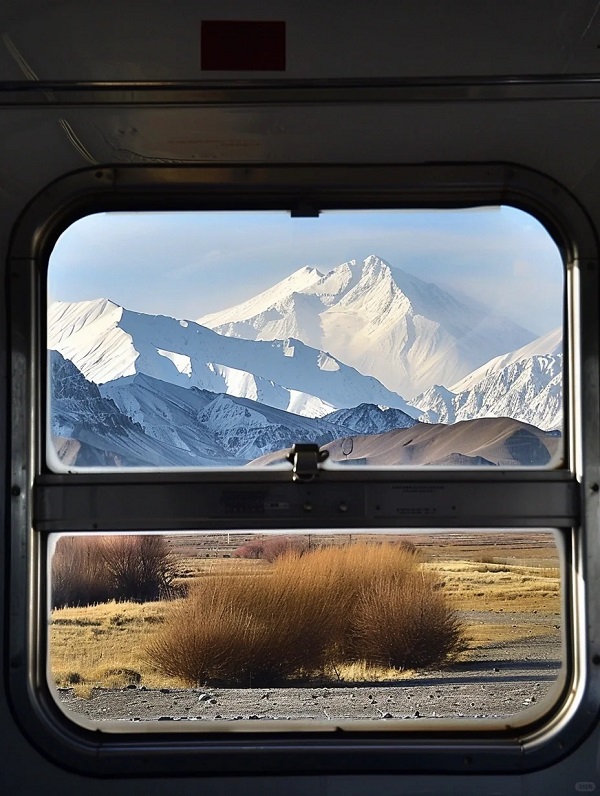
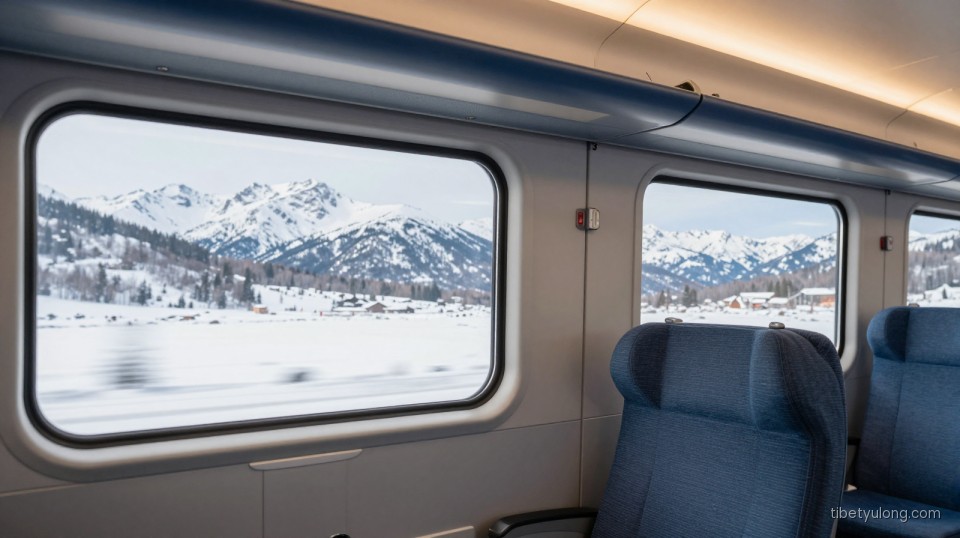
One of the primary reasons travelers choose to ride inside a Tibet Train rather than fly directly to Lhasa is the unparalleled scenery. The train features large, double-paned glass windows equipped with UV filters to protect passengers from the intense solar radiation at high altitudes. These windows offer panoramic views of a landscape that changes dramatically as the miles roll by.
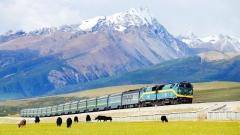
After departing from Xining or Golmud, the route passes through vast grasslands, snow-capped mountains, and desolate deserts. You may spot herds of Tibetan antelopes, wild donkeys, and yaks grazing near the tracks, particularly as the train crosses the Hoh Xil nature reserve. The sight of Qinghai Lake shimmering in the distance, followed by the glaciers of the Kunlun Mountains, creates a visual narrative of the plateau’s raw beauty. During daylight hours, the observation areas near the carriage connections often become gathering spots for photographers and nature enthusiasts riding inside the Tibet Train.
Safety, Security, and Onboard Staff
Security is taken very seriously on the Qinghai-Tibet Railway. When boarding inside a Tibet Train, passengers must present their tickets, passports, and the mandatory Tibet Travel Permit. The train staff includes conductors, police officers, and medical personnel trained to handle altitude-related emergencies. Upon boarding, attendants collect your physical ticket and issue a plastic exchange card, returning your ticket before your destination so you do not miss your stop.
Smoking is strictly prohibited throughout the entire train due to the oxygen-enriched environment. Passengers are also advised to avoid strenuous physical activity, such as running down the corridors, to minimize oxygen consumption. The medical staff on board carry emergency oxygen cylinders and medications to assist anyone experiencing severe symptoms of altitude sickness. This robust support network allows travelers to relax and enjoy the journey safely.
Practical Tips for Your Journey
Preparing properly for your time inside a Tibet Train will significantly enhance your overall experience. Dress in layers, as temperatures inside the cabin can fluctuate, and the heating systems occasionally make the air quite warm despite the freezing conditions outside. Bring slip-on shoes or slippers for walking around the carriage comfortably without having to lace up your boots every time you leave your berth.
Power outlets are available in soft sleeper cabins and along the corridors, but they are limited. Carrying a fully charged power bank is essential for keeping your phone, camera, or e-reader alive during the long stretches between major stations. Download movies, music, or audiobooks beforehand, as cellular signal and internet connectivity are virtually nonexistent across much of the plateau.
Finally, securing tickets for this popular route requires advance planning, especially during peak travel seasons. Foreign travelers must book through a registered travel agency to obtain the necessary permits. Working with professionals like Tibet Yulong Travel can streamline this process, handling everything from train ticket reservations to organizing your complete itinerary upon arrival in Lhasa, ensuring a seamless transition from the rails to the monasteries and mountains of Tibet.