Traveling to the Roof of the World is a dream for many adventurers, but the extreme elevation demands serious preparation. Having a reliable emergency plan for altitude sickness in Tibet is not just a precaution; it is an absolute necessity for anyone venturing above 3,000 meters. The thin air can affect even the fittest individuals, making prior knowledge and logistical readiness crucial for a safe journey. Whether you are trekking remote trails or exploring ancient monasteries, understanding how your body reacts to hypoxia will determine the quality of your trip.
✨ Highlights:
- Gradual acclimatization prevents most severe altitude-related illnesses.
- Recognizing early symptoms allows for timely intervention before conditions worsen.
- Portable oxygen cylinders and hyperbaric bags are essential backup equipment.
- Knowing the locations of local clinics and hospitals speeds up emergency response.
- Partnering with experienced operators like Tibet Yulong Travel provides critical on-the-ground support.
Understanding Altitude Sickness Before You Need an Emergency Plan for Altitude Sickness in Tibet
Altitude sickness, medically referred to as Acute Mountain Sickness (AMS), occurs when the body fails to adapt quickly enough to the reduced oxygen levels at high elevations. Tibet’s average elevation exceeds 4,500 meters, meaning travelers are immediately thrust into an environment where atmospheric pressure is significantly lower than at sea level. In this thin air, each breath delivers less oxygen to the bloodstream, forcing the heart and lungs to work much harder to supply vital organs.
The physiological process behind AMS involves fluid dynamics within the body. When oxygen saturation drops, blood vessels in the brain can begin to leak slightly, leading to mild swelling. This swelling causes the hallmark symptoms of altitude sickness. It is important to understand that physical fitness does not grant immunity. Young, athletic travelers are just as susceptible—and sometimes more so if they ascend too rapidly—compared to older individuals who take their time.
There are three primary forms of altitude illness. The first is Acute Mountain Sickness, which ranges from mild discomfort to debilitating headaches. The second is High Altitude Pulmonary Edema (HAPE), a dangerous condition where fluid accumulates in the lungs, making breathing increasingly difficult. The third is High Altitude Cerebral Edema (HACE), a life-threatening progression where brain swelling leads to confusion, loss of coordination, and eventually coma. An effective emergency plan for altitude sickness in Tibet must address all three stages, providing clear protocols for identifying and treating each one before a mild case becomes a critical emergency.
Recognizing the Early Warning Signs
The success of any emergency plan for altitude sickness in Tibet hinges entirely on early detection. Many travelers mistakenly attribute their initial discomfort to jet lag, travel fatigue, or a minor cold. However, ignoring these signs at high elevation can lead to rapid deterioration. Symptoms typically manifest within six to twenty-four hours after arriving at a new, higher altitude, though they can sometimes appear later.
Mild AMS presents primarily as a throbbing headache that worsens when bending over or lying down. This is usually accompanied by nausea, a loss of appetite, dizziness, and general fatigue. Sleep disturbances are also incredibly common; travelers often wake up gasping for air due to periodic breathing, a natural but unsettling response to low oxygen. If you experience these symptoms, it is a signal to halt any further ascent. Resting at the current elevation for twenty-four to forty-eight hours allows the body to produce more red blood cells and adjust to the environment.
Moderate symptoms indicate that the body is struggling to acclimatize. The headache becomes severe and unresponsive to standard over-the-counter painkillers. Vomiting may occur, and the traveler will feel overwhelmingly exhausted, unable to perform basic tasks without losing their breath. At this stage, supplemental oxygen should be administered immediately.
Severe symptoms point toward HAPE or HACE. For HAPE, watch for a persistent dry cough that progresses to coughing up pink, frothy sputum, alongside a gurgling sound when breathing and a feeling of suffocation. For HACE, the defining sign is ataxia—the inability to walk in a straight line, similar to severe intoxication. Confusion, hallucinations, and lethargy are also red flags. These severe conditions require immediate descent and emergency medical intervention. They cannot be managed simply by resting in place.
Building Your Emergency Plan for Altitude Sickness in Tibet: Prevention Strategies
Prevention is always superior to treatment, and building a proactive emergency plan for altitude sickness in Tibet starts long before you board your flight or train. The golden rule of high-altitude travel is gradual ascent. If flying directly into Lhasa, which sits at roughly 3,650 meters, plan to do absolutely nothing strenuous for the first two days. Avoid bathing in hot water immediately upon arrival, as it dilates blood vessels and can exacerbate symptoms. Walk slowly, eat light meals rich in carbohydrates, and drink plenty of water.
Hydration plays a pivotal role in acclimatization. The air in Tibet is exceptionally dry, and the increased respiratory rate causes you to lose moisture rapidly. Aim to consume at least three to four liters of water daily. Avoid alcohol and heavy sedatives during your first few days, as both depress the respiratory system and interfere with the body’s natural acclimatization processes.
Pharmacological prevention is another layer of defense. Many travelers consult their physicians about taking Acetazolamide (commonly known as Diamox) prior to their trip. This medication accelerates acclimatization by altering the acidity of the blood, prompting deeper and faster breathing. It is typically started twenty-four hours before ascending and continued for a few days at altitude. Note that Diamox is a preventive measure, not a cure for established severe illness, and it comes with side effects like tingling extremities and frequent urination. Always seek professional medical advice before starting any medication regimen.

Butter Tea
Dietary adjustments also contribute to prevention. Traditional Tibetan butter tea is highly recommended by locals. The combination of black tea, yak butter, and salt provides hydration, calories, and electrolytes, helping the body cope with the harsh environment. Carbohydrate-heavy diets are preferred over high-fat or high-protein meals during the initial acclimatization phase, as carbs require less oxygen to metabolize.
Essential Medical Gear for Your Emergency Kit
No emergency plan for altitude sickness in Tibet is complete without the right equipment. While pharmacies in Lhasa and Shigatse stock basic supplies, relying solely on finding what you need in remote areas is a risky strategy. Travelers and guides should carry specific items designed to manage hypoxia.
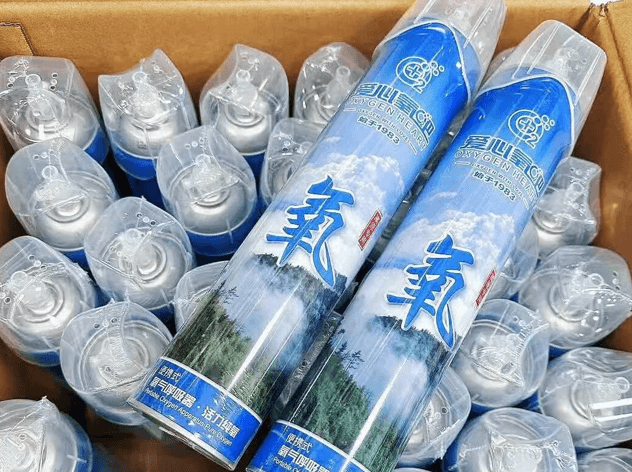
Portable oxygen cylinders are the most fundamental tool. Small, pressurized cans are available for purchase in Lhasa and provide temporary relief for mild headaches or shortness of breath. However, for a genuine emergency, larger medical-grade oxygen tanks with regulators and nasal cannulas are necessary. Vehicles used for overland travel across the plateau should always be equipped with these larger tanks.
A portable hyperbaric chamber, such as a Gamow bag, is a critical piece of equipment for trekkers venturing far from roads and hospitals. This lightweight, zip-up fabric cylinder simulates a descent of several thousand meters when inflated with a foot pump. Placing a severely ill patient inside the pressurized bag can stabilize them long enough to arrange a physical evacuation. It does not replace descent, but it buys invaluable time in life-or-death situations.
Pulse oximeters are small, inexpensive devices that clip onto a fingertip to measure blood oxygen saturation and heart rate. Normal oxygen saturation at sea level is between 95% and 100%. In Tibet, readings in the high 80s or low 90s are common initially. However, if a reading consistently drops below 80%, especially while resting, it is a strong indicator of trouble. Monitoring these numbers helps remove the guesswork from assessing a traveler’s condition.
A well-stocked first aid kit should also include ibuprofen or paracetamol for headaches, anti-nausea medication like promethazine, and rehydration salts. Dexamethasone, a potent steroid, is sometimes carried for emergency treatment of HACE, while Nifedipine may be used for HAPE. Both require proper training to administer safely and should ideally only be used under the guidance of a medical professional or a highly experienced expedition leader.
Executing the Emergency Plan for Altitude Sickness in Tibet During a Crisis
When prevention fails and symptoms escalate, executing your emergency plan for altitude sickness in Tibet requires calm, decisive action. Panic wastes energy and increases oxygen consumption. The universally accepted protocol for worsening altitude illness is simple: descend, descend, descend.
If a traveler shows signs of moderate AMS that do not improve with rest and oxygen, they must not go higher. If symptoms progress to severe AMS, HAPE, or HACE, immediate descent is mandatory. Even dropping 500 to 1,000 meters in elevation can result in dramatic improvements. Descent should never be delayed until morning if severe symptoms are present at night; nighttime is when oxygen saturation naturally dips lowest, making HAPE and HACE most likely to strike fatally.
During the descent, the affected individual should exert themselves as little as possible. They should be carried, placed on a pack animal, or transported in a vehicle. Administer continuous supplemental oxygen throughout the evacuation. If a Gamow bag is available and descent is physically impossible due to weather or terrain, inflate the chamber immediately and keep the patient inside while arranging rescue.
Communication is the backbone of crisis execution. Ensure your group has reliable means of contacting help. Mobile phone coverage in Tibet has expanded significantly, with 4G networks reaching many rural towns, but vast stretches of the plateau remain dead zones. Satellite phones or satellite messengers are non-negotiable for remote expeditions. Establish a communication schedule with your base camp or travel agency so that a missed check-in automatically triggers a search protocol.
Navigating Local Medical Resources and Evacuation Routes
Understanding the local healthcare infrastructure is a vital component of your emergency plan for altitude sickness in Tibet. Lhasa possesses the best medical facilities on the plateau. The People’s Hospital of Tibet Autonomous Region and the Tibet Military General Hospital have dedicated departments for treating altitude-related illnesses. They are equipped with intensive care units, advanced imaging, and staff experienced in managing HAPE and HACE.
Outside the capital, prefectural hospitals in cities like Shigatse, Nyingchi, and Ngari offer basic stabilization services. They can provide intravenous fluids, high-flow oxygen, and initial medications. However, complex cases usually require transfer back to Lhasa or evacuation out of the region entirely. Smaller county clinics may only have basic oxygen supplies and are not equipped for critical care.
Evacuation logistics depend heavily on your location. Along popular routes like the Friendship Highway to Everest Base Camp or the road to Namtso Lake, vehicle evacuation is generally straightforward, provided the roads are passable. In winter or during the monsoon season, landslides and snowdrifts can block highways, making helicopter evacuation the only option. Helicopter rescue services exist but are expensive, highly dependent on weather conditions, and require advance coordination with local authorities.
This is why travel insurance specifically covering high-altitude rescue and medical evacuation is mandatory. Standard travel policies often exclude activities above 4,000 meters. Read the fine print carefully to ensure your policy covers helicopter extraction and hospital stays in China. Keep digital and physical copies of your insurance documents accessible at all times.
How Tibet Yulong Travel Enhances Your Safety on the Plateau
Navigating the complexities of high-altitude travel is significantly safer when supported by seasoned professionals. Tibet Yulong Travel specializes in crafting itineraries that prioritize physiological adaptation alongside cultural exploration. Their deep understanding of the terrain and local medical infrastructure makes them an invaluable partner for anyone concerned about altitude risks.
Guides working with Tibet Yulong Travel are extensively trained in wilderness first aid and altitude illness management. They continuously monitor guests for subtle behavioral changes—like unusual quietness or clumsiness—that might indicate the onset of AMS before the traveler even feels sick. Their vehicles are consistently outfitted with large-capacity medical oxygen systems, pulse oximeters, and comprehensive emergency kits, ensuring that the tools required for an emergency plan for altitude sickness in Tibet are always within arm’s reach.
Furthermore, Tibet Yulong Travel designs routes that respect the principles of gradual acclimatization. Rather than rushing travelers to the highest passes on day one, their itineraries build elevation slowly, allowing the body to adjust naturally. Should a medical emergency arise, their established relationships with local hospitals and transport networks facilitate rapid evacuations, cutting through bureaucratic delays that independent travelers might face. Choosing an operator with this level of localized expertise transforms a potentially dangerous environment into a manageable, deeply rewarding adventure.
Training and Preparation Before Your Departure
Physical and mental preparation at home sets the foundation for your emergency plan for altitude sickness in Tibet. While cardiovascular fitness does not prevent AMS, being in good shape reduces the overall stress on your body, leaving more physiological reserve to handle the lack of oxygen. Engage in regular aerobic exercise—running, cycling, swimming—in the months leading up to your trip. Focus on endurance rather than peak power.
Equally important is educating yourself and your travel companions. Everyone in the group must understand the symptoms of altitude sickness and the protocols for responding to them. There should be no stigma attached to reporting a headache or feeling unwell. A culture of open communication prevents individuals from hiding symptoms out of pride, which is a leading cause of altitude fatalities.
Consult a travel medicine physician at least a month before departure. Discuss your itinerary, including maximum sleeping elevations and the remoteness of your route. Obtain prescriptions for preventive or emergency medications, and learn exactly how and when to use them. Undergo a thorough dental checkup, as trapped air in cavities can expand painfully at high altitudes. Address any underlying health issues, particularly respiratory or cardiac conditions, which can be severely aggravated by hypoxia.
Mental preparation involves accepting that plans may change. If someone falls ill, summit attempts or scheduled sightseeing must be abandoned without hesitation. The mountain will always be there, but a delayed response to cerebral edema can be fatal. Flexibility and a willingness to retreat are the hallmarks of a mature, safe high-altitude traveler.
Environmental Factors That Complicate Altitude Illness
Tibet’s unique climate introduces variables that can worsen altitude sickness, complicating your emergency plan for altitude sickness in Tibet. The intense ultraviolet radiation at high elevation can cause severe sunburns and dehydration, mimicking or exacerbating the headaches associated with AMS. Wearing broad-spectrum sunscreen, UV-blocking sunglasses, and wide-brimmed hats is essential to prevent this added stress on the body.
Temperature extremes also play a role. The plateau experiences massive diurnal temperature swings. Freezing nights followed by warm, sunny days force the body to constantly expend energy regulating its core temperature. Cold exposure causes peripheral vasoconstriction, which can increase pulmonary artery pressure and elevate the risk of HAPE. Dressing in easily adjustable layers allows you to maintain a stable body temperature without overheating during exertion or freezing during rest stops.
Wind is another relentless factor. Gale-force winds on exposed passes accelerate heat loss and make breathing physically difficult. Protecting the face and chest from direct wind chill helps conserve energy. Furthermore, dust storms in certain arid regions of western Tibet can irritate the respiratory tract, causing coughing that might be confused with the early stages of pulmonary edema. Wearing a buff or mask in dusty conditions protects the lungs and keeps airways moist.
By anticipating these environmental stressors and mitigating their impact through proper gear and behavior, travelers reduce the cumulative burden on their bodies, allowing their physiological systems to focus entirely on the critical task of acclimatizing to the thin air of the Tibetan Plateau.