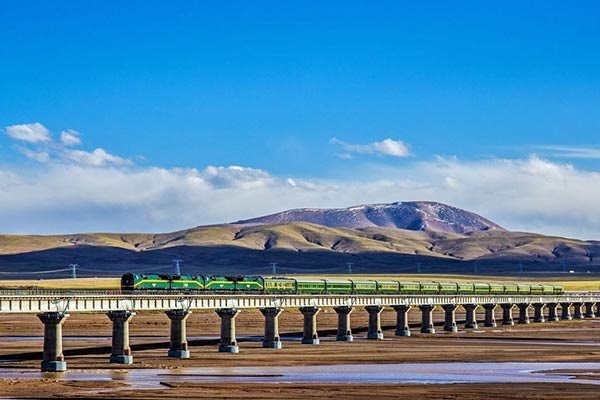
Traveling by rail to the roof of the world is an experience unlike any other. The journey inside a Tibet train offers more than just transportation; it provides a gradual, scenic transition from bustling lowland cities into the serene, high-altitude landscapes of the Himalayas. The Qinghai-Tibet Railway, often referred to as the highest railway in the world, connects Xining to Lhasa, traversing altitudes that exceed 5,000 meters. For many travelers, stepping inside a Tibet train marks the beginning of a life-changing adventure. The specially engineered carriages are designed to handle extreme weather conditions while ensuring passenger comfort throughout the multi-day trip. Whether you are a seasoned backpacker or a first-time visitor to the plateau, understanding what awaits you on board will help you prepare for this extraordinary voyage.
Key Takeaways:
- Specially designed oxygen systems keep passengers comfortable at high altitudes.
- Three main cabin classes cater to different budgets and privacy needs.
- Large panoramic windows offer uninterrupted views of the Tibetan Plateau.
- Onboard dining cars serve hot meals featuring both Chinese and local flavors.
- Booking through experienced agencies like Tibet Yulong Travel simplifies permit logistics.
Engineering Marvels Inside a Tibet Train
The engineering behind the trains operating on the Qinghai-Tibet Railway represents one of the most significant achievements in modern rail transport. Because the route crosses permafrost regions and reaches dizzying heights, standard train designs simply would not work. Inside a Tibet train, you will notice several unique features tailored specifically for this harsh environment.
The most critical innovation is the supplemental oxygen system. As the train climbs past Golmud and ascends toward the Tanggula Pass, the atmospheric pressure drops significantly. To prevent altitude sickness, the entire cabin is pressurized, much like an airplane. Additionally, individual oxygen outlets are located near every berth and seat. Passengers can plug in a provided nasal cannula if they feel lightheaded or short of breath. This dual-system approach ensures that the air quality inside a Tibet train remains safe and breathable, even when the exterior elevation surpasses 5,000 meters.
Another vital feature is the UV-filtering glass. The atmosphere at high altitudes is thin, allowing intense ultraviolet radiation to penetrate easily. The double-paned windows inside a Tibet train are specially treated to block harmful UV rays while still offering crystal-clear visibility of the surrounding landscape. The train’s undercarriage is also reinforced to withstand extreme temperature fluctuations, which can range from scorching daytime sun to freezing nighttime cold within a matter of hours.
Cabin Classes and Accommodations for Your Tibet Journey
When planning your trip, choosing the right accommodation is essential for enjoying the time spent inside a Tibet train. There are three primary classes available, each offering a different level of comfort and privacy.
Soft Sleeper Cabins
The soft sleeper is widely considered the best option for the long journey to Lhasa. Each compartment contains four berths—two lower and two upper—with a sliding door that closes off the space from the corridor. This setup provides a quiet, private environment where you can rest comfortably. The mattresses are relatively thick, and clean bedding, including pillows, sheets, and heavy blankets, is provided. Inside a Tibet train’s soft sleeper cabin, you will also find a small table, a thermos of hot water, and reading lights for each bunk. For families or groups of four, booking an entire compartment guarantees total privacy.
Hard Sleeper Cabins
For budget-conscious travelers who still want a bed, the hard sleeper is a popular choice. These compartments are open to the corridor and contain six berths stacked three high on each side. While the mattresses are slightly thinner than those in the soft sleeper, they are still perfectly adequate for a good night’s rest. The middle and upper bunks offer less headroom, so taller passengers usually prefer the lower berths. Despite being less private, the hard sleeper class fosters a communal atmosphere, making it easy to strike up conversations with fellow travelers sharing the carriage inside a Tibet train.
Soft Seat Carriages
Soft seats are the most economical option, resembling business-class seating on an airplane. The chairs are cushioned and recline slightly, but since the journey from Xining to Lhasa takes roughly 21 hours, sitting upright for the entire duration can be exhausting. This class is generally recommended only for shorter segments of the route or for travelers on a very strict budget.
Dining and Daily Life On Board
Life inside a Tibet train revolves around a relaxed routine of eating, resting, and gazing out the window. Every train features a dedicated dining car that serves freshly prepared meals throughout the day. The menu typically includes a mix of traditional Chinese dishes, such as stir-fried vegetables, rice, noodles, and meat options like pork or chicken. Breakfast usually consists of porridge, steamed buns, eggs, and pickled vegetables.
If you prefer to eat in your cabin, attendants frequently push carts down the aisles selling snacks, instant noodles, beverages, and fruit. It is highly recommended to bring some of your own favorite snacks, dried fruits, and tea bags before boarding, as the variety on the train can be limited. Boiling water is available for free at the end of every carriage, which is a staple of Chinese train travel. You will see passengers constantly refilling their thermoses to brew tea or prepare instant meals.
Hygiene facilities are another important aspect of daily life inside a Tibet train. Each carriage has washrooms at both ends. In soft sleeper carriages, you will typically find both Western-style toilets and squat toilets, whereas hard sleeper carriages predominantly feature squat toilets. The washrooms are cleaned regularly by the onboard staff, but given the length of the journey and the number of passengers, bringing your own toilet paper, wet wipes, and hand sanitizer is absolutely necessary. Some newer trains have upgraded washing areas, but basic preparation goes a long way in ensuring your comfort.
Breathtaking Scenery Along the Qinghai-Tibet Railway
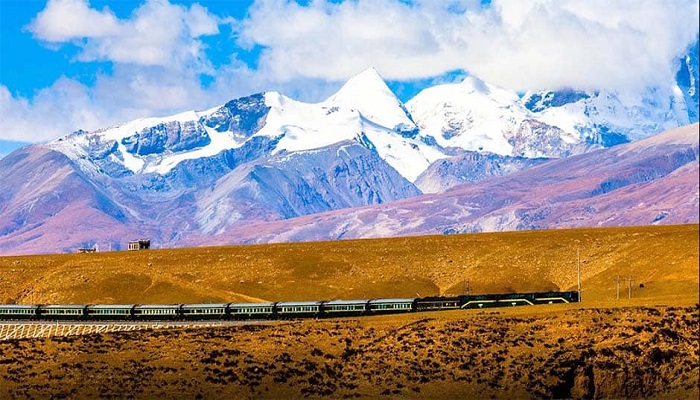
The primary reason travelers choose to spend days inside a Tibet train rather than taking a quick flight is the unparalleled scenery. The route is essentially a moving documentary of the plateau’s diverse ecosystems.
Shortly after departing Xining, the train skirts the edge of Qinghai Lake, China’s largest inland saltwater lake. The shimmering blue waters contrast sharply with the golden grasslands and distant snow-capped peaks. As the train continues westward, it enters the vast Qaidam Basin, characterized by arid deserts, salt flats, and rugged rock formations that look almost extraterrestrial.
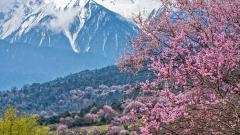
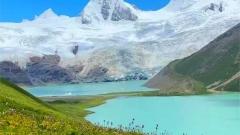
The most dramatic shift occurs after the train leaves Golmud and begins its steep ascent. Passing through the Hoh Xil Nature Reserve, passengers often spot herds of Tibetan antelopes, wild donkeys, and occasionally wolves roaming the untouched tundra. The climax of the visual journey is crossing the Tanggula Pass at 5,072 meters above sea level, the highest point on the railway. Glaciers, frozen rivers, and towering mountains dominate the horizon here. Finally, as the train descends toward Lhasa, the landscape softens into lush river valleys dotted with traditional Tibetan villages, monasteries, and fluttering prayer flags. Spending time looking out the windows inside a Tibet train during these segments is an unforgettable experience.
Health, Safety, and Altitude Acclimatization
Altitude sickness is a valid concern for anyone traveling to the plateau, but the design inside a Tibet train mitigates most risks. The gradual ascent allows the body to acclimatize much better than flying directly into Lhasa’s 3,600-meter elevation. However, mild symptoms like headaches, dizziness, or fatigue can still occur, especially when the train crosses the highest passes.
To stay healthy, drink plenty of water and avoid alcohol or heavy meals during the first few hours of the ascent. Move slowly when walking through the corridors, and do not overexert yourself. If you feel unwell, use the personal oxygen outlet provided at your seat or berth. The train staff are trained to handle altitude-related issues, and there is always a medical professional or trained attendant on board equipped with emergency medical supplies.
Safety inside a Tibet train is strictly managed. Police officers and security personnel patrol the carriages, and tickets are checked multiple times during the journey. Smoking is strictly prohibited anywhere on the train due to the oxygen-enriched environment. Always keep your valuables secure, particularly in the shared hard sleeper compartments.
Practical Tips and Booking Your Tibet Train Ticket
Securing a ticket to ride inside a Tibet train requires careful planning, especially during peak tourist seasons from May to October. Tickets go on sale weeks in advance and sell out incredibly fast, particularly for the highly sought-after soft sleeper berths. Foreign travelers must also obtain a Tibet Travel Permit before they are allowed to board the train or enter the region.
Navigating these logistical hurdles is where professional assistance becomes invaluable. Working with an established agency like Tibet Yulong Travel can significantly streamline the process. They specialize in arranging train tickets, securing the necessary permits, and organizing ground transportation once you arrive in Lhasa. By relying on the expertise of Tibet Yulong Travel, you eliminate the stress of bureaucratic requirements and can focus entirely on enjoying the spectacular journey ahead. Remember to pack layers of clothing, as temperatures inside the train can fluctuate, and bring entertainment like books or downloaded movies for the stretches of travel between major scenic highlights.