Walking through the heart of Lhasa, you will inevitably find yourself drawn into the rhythmic flow of Barkhor Street. This ancient circular pathway is far more than a simple road; it is the spiritual and cultural artery of Tibet. For over a millennium, pilgrims, merchants, and travelers have walked this route, turning prayer wheels and chanting mantras as they circumambulate the sacred Jokhang Temple. The scent of burning juniper incense fills the air, while the vibrant colors of traditional Tibetan architecture frame every step. Whether you are seeking spiritual enlightenment, historical knowledge, or simply a place to experience authentic local life, this iconic street offers an unparalleled window into Tibetan culture.
Key Highlights:
- Ancient pilgrimage route circling Jokhang Temple.
- Rich hub for traditional Tibetan handicrafts and art.
- Authentic destination for local Tibetan cuisine and sweet tea.
- Essential advice on respecting local religious customs.
- Practical navigation tips for independent travelers.
The Historical Significance of Barkhor Street
To truly appreciate Barkhor Street, one must first understand its deep historical roots. The pathway was originally established alongside the construction of the Jokhang Temple in the seventh century. According to historical records, Princess Wencheng of the Tang Dynasty used traditional Chinese astrology and geomancy to select the site for the temple, which was built to house a sacred statue of the Buddha. As the temple grew in religious importance, a path naturally formed around it. Devout Buddhists began walking this path in a clockwise direction, a practice known as circumambulation, to accumulate spiritual merit.
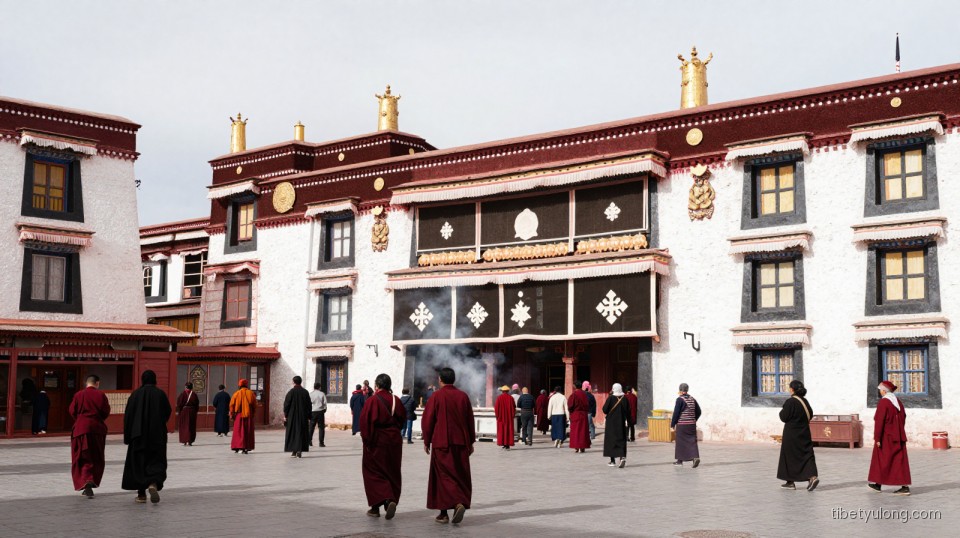
Over the centuries, what started as a simple dirt track worn down by the footsteps of countless pilgrims evolved into a paved, bustling thoroughfare. It became the primary commercial center of Lhasa, where traders from Nepal, India, and various parts of China would gather to exchange goods. Today, the street retains much of its original layout. The whitewashed stone buildings with their dark wooden window frames and colorful prayer flags remain largely unchanged, offering visitors a living museum of Tibetan urban history. Walking here feels like stepping back in time, surrounded by the echoes of centuries of devotion and commerce.
Navigating the Spiritual Path Around Jokhang Temple
The physical layout of Barkhor Street is relatively straightforward, yet navigating it requires an understanding of its spiritual rules. The entire route forms a rough circle around the Jokhang Temple complex, stretching for approximately one kilometer. The most critical rule for any visitor is the direction of travel. You must always walk in a clockwise direction. This is not merely a suggestion; it is a deeply held religious requirement that aligns with the movement of the sun and the spinning of prayer wheels. Walking counterclockwise is considered highly disrespectful and will cause confusion among the locals and pilgrims who share the path with you.
As you walk, you will notice the continuous stream of pilgrims. Some walk at a normal pace, murmuring prayers or spinning handheld prayer wheels. Others perform full-body prostrations, sliding along the ground with wooden blocks strapped to their hands to protect them from the friction of the stone pavement. This intense display of faith is the defining characteristic of the area. Visitors should maintain a respectful distance, avoid blocking the path of those prostrating, and never step over religious items placed on the ground. The atmosphere is generally peaceful, filled with the low hum of chanting and the clatter of beads, creating a sensory experience unlike anywhere else in the world.
Shopping for Authentic Tibetan Crafts on Barkhor Street
For travelers interested in souvenirs and traditional arts, Barkhor Street is an absolute treasure trove. The narrow alleys branching off the main circular path are lined with hundreds of small shops and market stalls. Here, you can find everything from intricate silver jewelry and turquoise amulets to hand-woven carpets and traditional Tibetan clothing. Thangka paintings, which are detailed Buddhist artworks painted on cotton or silk appliqué, are among the most sought-after items. When purchasing a thangka, it is advisable to take your time, examine the brushwork closely, and buy from reputable vendors who can explain the deity depicted and the materials used.
Bargaining is a standard part of the shopping experience on Barkhor Street, but it should be done politely and with a smile. Vendors expect negotiation, especially for items like singing bowls, prayer beads, and decorative knives. However, it is important to recognize the difference between mass-produced tourist trinkets and genuine handmade crafts. Authentic items crafted by local artisans will naturally command a higher price. If you are unsure about the authenticity or quality of an item, consulting with experienced guides from agencies like Tibet Yulong Travel can be incredibly helpful. Their local expertise ensures that travelers make informed purchases while supporting genuine Tibetan artisans rather than imported factory goods.
Experiencing Local Flavors and Sweet Tea Houses
No visit to Barkhor Street is complete without indulging in the local culinary offerings. While the street itself features vendors selling roasted barley flour (tsampa), dried yak meat, and traditional flatbreads, the real magic happens inside the historic teahouses tucked away in the surrounding courtyards. The Makye Ame restaurant is perhaps the most famous dining establishment in the area, known for its yellow facade and its legendary association with the sixth Dalai Lama, Tsangyang Gyatso, who is said to have written poetry there centuries ago. It serves a mix of Tibetan, Nepali, and Western dishes, making it a comfortable stop for international travelers.
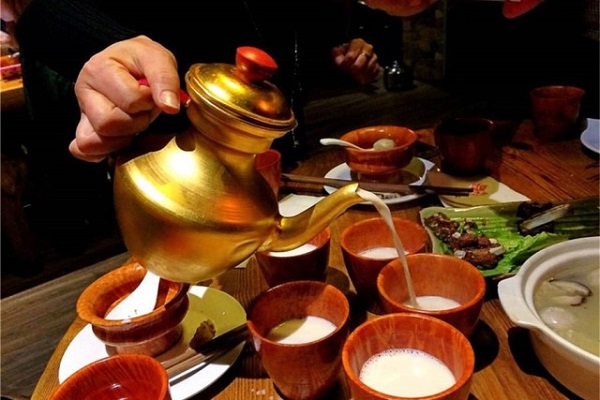
However, for a more authentic experience, seek out the smaller, unnamed sweet tea houses frequented by locals. In these modest rooms, sitting on long wooden benches, you can order a thermos of Tibetan sweet tea—a comforting blend of black tea, milk, and sugar—alongside plates of momos (steamed dumplings) filled with yak meat or vegetables. These teahouses serve as the social hubs of Lhasa, where residents gather to gossip, play dice, and rest after completing their daily circumambulations. Joining them provides a rare, unfiltered glimpse into everyday Tibetan life away from the heavily trafficked tourist routes.
Essential Travel Tips for Visiting Barkhor Street
Preparing for a trip to Lhasa and specifically to Barkhor Street requires some logistical planning due to the high altitude and specific regional regulations. Lhasa sits at an elevation of roughly 3,650 meters above sea level, meaning altitude sickness is a genuine concern. It is highly recommended to spend your first day or two resting at your hotel to acclimatize before attempting the physical exertion of walking the pilgrimage route. Stay hydrated, avoid alcohol initially, and move slowly.
Foreign travelers cannot visit Tibet independently. You must obtain a Tibet Travel Permit, which is arranged through a registered travel agency before your arrival. Working with a reliable operator such as Tibet Yulong Travel simplifies this process significantly. They handle the necessary paperwork, arrange transportation, and provide knowledgeable guides who can translate interactions with local vendors and explain the complex religious iconography found throughout the Jokhang Temple and the surrounding streets. Furthermore, having a local guide ensures you navigate the cultural nuances smoothly, preventing accidental offenses during your exploration.
Photography is another area where caution is required. While capturing the vibrant street scenes and architecture is generally permitted, you must always ask for explicit permission before taking close-up portraits of pilgrims, monks, or local residents. Inside the Jokhang Temple and certain monasteries along the route, photography is often strictly prohibited or requires the purchase of a special photo permit. Respecting these boundaries is essential for maintaining a harmonious relationship between tourists and the local community.
Finally, consider the timing of your visit. Early mornings offer the most spiritually immersive experience, as the crowds of devout pilgrims are at their peak and the light casts long, dramatic shadows across the whitewashed walls. Late afternoons tend to be slightly quieter, providing a better opportunity for leisurely shopping and relaxed photography. Regardless of when you go, wearing comfortable, sturdy walking shoes is mandatory, as the uneven stone paving demands good foot support. By approaching Barkhor Street with preparation, respect, and an open mind, you ensure a journey that is both culturally enriching and personally transformative.