Flying into Tibet is unlike any other aviation experience in the world. When your plane descends toward the Tibetan Plateau, you are approaching one of the highest commercial aviation hubs on Earth. The primary Tibet Airport serving international and domestic travelers is Lhasa Gonggar Airport, situated at an elevation of 3,570 meters (11,712 feet). Understanding how this unique airport operates is crucial for a smooth journey. Whether you are flying from Chengdu, Kathmandu, or Beijing, preparing for the high-altitude environment begins before you even board your flight. Many travelers underestimate the impact of arriving directly at such heights, making proper planning essential.
To help you navigate your arrival, here is a quick summary of key points regarding the main Tibet Airport:
- Lhasa Gonggar is the primary Tibet Airport for most travelers.
- Altitude sickness preparation must start before your flight lands.
- Flights mostly connect through major Chinese hub cities.
- Airport transfers to downtown Lhasa take about an hour.
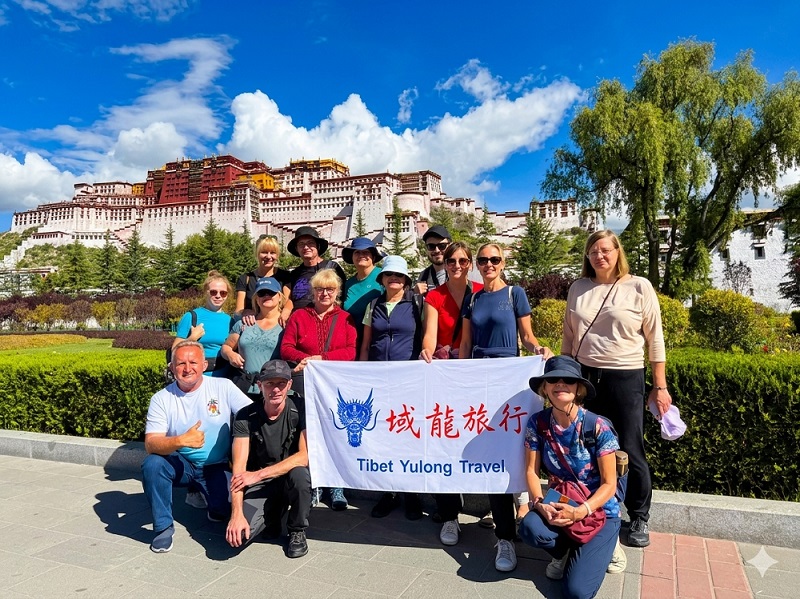
- Booking with experienced agencies like Tibet Yulong Travel simplifies logistics.
Understanding Lhasa Gonggar: The Main Tibet Airport
Lhasa Gonggar Airport serves as the central gateway for anyone looking to explore the mystical landscapes and rich culture of Tibet. Located in Gonggar County, roughly 60 kilometers southwest of Lhasa city center, this Tibet Airport handles millions of passengers annually. Despite its remote location, the facility has been continuously upgraded to meet modern aviation standards while accommodating the extreme weather conditions typical of the plateau.
The terminal building is relatively compact compared to massive international hubs, but it is efficiently designed to handle the steady flow of tourists and locals. Upon entering the arrivals hall, you will notice signs in Tibetan, Chinese, and English. The atmosphere inside the Tibet Airport is generally calm, though the excitement among newly arrived travelers is palpable. Because of the high altitude, the air inside the terminal can feel noticeably thinner, which is your first physical reminder that you have arrived in a truly unique destination.
Facilities at the airport include basic dining options, souvenir shops, restrooms, and seating areas. While you should not expect luxury lounges or extensive shopping malls, the amenities provided are sufficient for transit and waiting periods. Free Wi-Fi is available, though connection speeds can vary. ATMs are present, but it is always advisable to carry some cash, especially smaller denominations, for immediate expenses upon leaving the Tibet Airport.

Flight Routes and Airlines Serving the Tibet Airport
Getting to the Tibet Airport requires flying through specific authorized routes. Direct international flights to Lhasa Gonggar are virtually non-existent, with the notable exception of the route connecting Kathmandu, Nepal, to Lhasa. Therefore, almost all travelers must transit through a major mainland Chinese city before catching their connecting flight to Tibet.
Chengdu Shuangliu International Airport and Chengdu Tianfu International Airport are by far the most popular transit hubs for flights heading to the Tibet Airport. Multiple daily flights operate between Chengdu and Lhasa, taking approximately two to two-and-a-half hours. Other common departure cities include Beijing, Shanghai, Guangzhou, Chongqing, Kunming, and Xining. Flights from eastern cities like Shanghai or Beijing usually involve a stopover in Chengdu or Chongqing before continuing to Lhasa.
Airlines operating these routes include Air China, Sichuan Airlines, Tibet Airlines, and China Eastern Airlines. Tibet Airlines, headquartered in Lhasa, offers extensive connectivity across the region. When booking your ticket to the Tibet Airport, keep in mind that morning flights are generally preferred. The weather over the Himalayas tends to be more stable in the early hours, reducing the likelihood of delays or turbulence. Afternoon winds can pick up significantly, sometimes causing flight schedule adjustments.
It is also worth noting that Tibet has other regional airports, such as Nyingchi Mainling Airport, Qamdo Bamda Airport, and Ngari Gunsa Airport. However, Lhasa Gonggar remains the principal Tibet Airport where the vast majority of visitors begin their journey.
Navigating Altitude Sickness Upon Arrival at the Airport
Arriving at an airport situated nearly 3,600 meters above sea level presents immediate physiological challenges. Altitude sickness, or Acute Mountain Sickness (AMS), is the primary concern for travelers landing at the Tibet Airport. The lower oxygen levels mean your body has to work harder, and symptoms can manifest within minutes of stepping off the aircraft.
Common symptoms include headaches, dizziness, shortness of breath, nausea, and fatigue. To mitigate these risks, medical professionals and travel experts strongly advise against rushing. When you disembark at the Tibet Airport, walk slowly. Do not carry heavy luggage yourself if you can avoid it; use the available porters or luggage carts. The simple act of walking too fast at this elevation can trigger a headache.
Preparation should begin days before your flight. Staying well-hydrated, avoiding alcohol, and getting plenty of rest are fundamental steps. Some travelers consult their doctors about taking acetazolamide (Diamox) as a preventive measure, starting a day or two before flying into the Tibet Airport. Once you land, avoid taking hot showers immediately, as this can exacerbate AMS symptoms by dilating blood vessels. Instead, head straight to your hotel, lie down, and allow your body to acclimatize for the first 24 to 48 hours without engaging in strenuous activities.
Oxygen cylinders and portable oxygen cans are readily available for purchase at the Tibet Airport and throughout Lhasa. While they provide temporary relief, relying entirely on supplemental oxygen can delay natural acclimatization. Use them sparingly unless symptoms become severe, in which case seeking immediate medical attention is necessary.
Ground Transportation from the Tibet Airport to Lhasa City
Once you have collected your baggage and cleared the necessary checkpoints at the Tibet Airport, your next step is reaching Lhasa. The distance of about 60 kilometers means the journey takes roughly one hour by road, depending on traffic conditions.
Several transportation options are available. The most convenient method is arranging a private transfer beforehand. If you are traveling with a registered agency like Tibet Yulong Travel, your driver and guide will typically be waiting for you in the arrivals hall holding a sign with your name. This eliminates the stress of negotiating fares or finding transport while dealing with potential altitude discomfort.
For those who haven’t pre-arranged a pickup, official airport shuttle buses run regularly between the Tibet Airport and the city center, usually terminating near the Potala Palace or designated hotels. Taxis are also available outside the terminal, but it is highly recommended to agree on a fare before getting in, as meters are rarely used for this long-distance route. Ride-hailing apps may have limited functionality or availability in this specific region, so traditional methods remain the most reliable.
The drive itself is quite scenic. The road follows the winding Yarlung Tsangpo River, offering stunning views of the surrounding mountains and valleys. It serves as a beautiful introduction to the landscape you are about to explore after leaving the Tibet Airport.
Essential Travel Documents Required at the Tibet Airport
Traveling to Tibet involves strict regulatory requirements, and your documentation will be checked multiple times, starting right at the Tibet Airport. Foreign passport holders cannot simply book a flight and fly to Lhasa independently. You must possess a valid Chinese visa and a Tibet Travel Permit (TTP).
The Tibet Travel Permit is issued by the Tibet Tourism Bureau and can only be applied for through a registered local travel agency. You cannot apply for it individually. Your chosen agency, such as Tibet Yulong Travel, will handle this process on your behalf using copies of your passport and Chinese visa. The original permit must be presented when checking in for your flight to the Tibet Airport at your departure city, and it will be inspected again upon arrival.
If you plan to visit restricted areas outside of Lhasa, such as Mount Everest Base Camp or Mount Kailash, additional permits like the Alien’s Travel Permit and Military Permit are required. These are usually arranged by your guide once you are already in Tibet, but the foundational Tibet Travel Permit is absolutely mandatory to board your flight and exit the Tibet Airport.
Always keep your documents secure and easily accessible. Losing your passport or permit in a remote region with limited consular services can cause significant logistical nightmares.
Practical Tips for a Smooth Experience at the Tibet Airport
Navigating the Tibet Airport becomes much easier when you know what to expect. Security checks here are notably thorough. Expect your luggage to be scanned multiple times, and be prepared for security personnel to inspect electronic devices carefully. Arrive at the airport well in advance of your departure time—at least two hours is recommended for outbound flights—to ensure you clear all checkpoints without anxiety.
Packing smartly for your flight to the Tibet Airport is also important. The temperature inside the aircraft and the terminal can fluctuate wildly. Dressing in layers allows you to adjust comfortably. Bring essential items like lip balm, moisturizer, and sunglasses in your carry-on bag, as the high-altitude sun and dry air affect your skin and eyes immediately upon arrival.
Food options inside the Tibet Airport are somewhat limited and tend to feature standard Chinese fast food or instant noodles. If you have specific dietary requirements, it is wise to bring your own snacks for the journey. Bottled water is available, and drinking plenty of it is crucial for hydration.
Finally, consider the value of professional support when organizing your trip. Agencies like Tibet Yulong Travel specialize in Tibetan tourism and understand the intricacies of flying into and out of the region. They coordinate everything from securing your Tibet Travel Permit to ensuring your driver is ready the moment you step out of the Tibet Airport. Their local expertise transforms a potentially stressful high-altitude arrival into a seamless beginning to your Himalayan adventure, allowing you to focus entirely on the breathtaking culture and scenery that awaits you.