
Highlights at a glance
- ✅ Only functional land border for foreign tourists entering Tibet from Nepal
- 📄 Clear rules on permits and agency‑mandated travel
- 🚗 Full transport guidance for the cross‑border drive
- 🌤️ Pre‑built 8‑day route covering Himalayan and Tibetan cultural highlights
- 🎒 Essential practical & safety reminders for smooth customs clearance
The Gyirong Border Crossing is currently the only open land border crossing between Kathmandu, Nepal, and Lhasa, Tibet, China, and it is also the most popular and scenic cross-border travel route along the Himalayas. Since the permanent closure of the Zhangmu Border Crossing, the Gyirong Border Crossing has become the primary route for international travelers to travel from Kathmandu to Lhasa via the Gyirong border and enter Tibet from Nepal by land. This latest and most comprehensive 2026 guide focuses on Gyirong border Tibet travel, providing a detailed overview of customs clearance policies, document requirements, transportation options, travel routes, accommodations, dining, and tips for avoiding pitfalls. It comprehensively answers all travelers’ questions regarding Kathmandu to Lhasa Overland via Gyirong border, helping every visitor complete their Gyirong border Nepal to Tibet cross-border journey smoothly.
Overview and Travel Advantages of the Gyirong Border Crossing
Located in Gyirong Valley, Gyirong County, Shigatse, Tibet, at an elevation of 2,700 meters, the Gyirong Border Crossing is the lowest-elevation, mildest-climate, and most reliable border crossing on the China-Nepal border. It remains open year-round with no seasonal closures. Compared to traditional high-altitude border crossings, the lower elevation of the Gyirong Border Crossing allows travelers to gradually acclimate to the high-altitude environment, significantly reducing the likelihood of altitude sickness, making it the optimal choice for overland travel to Tibet.
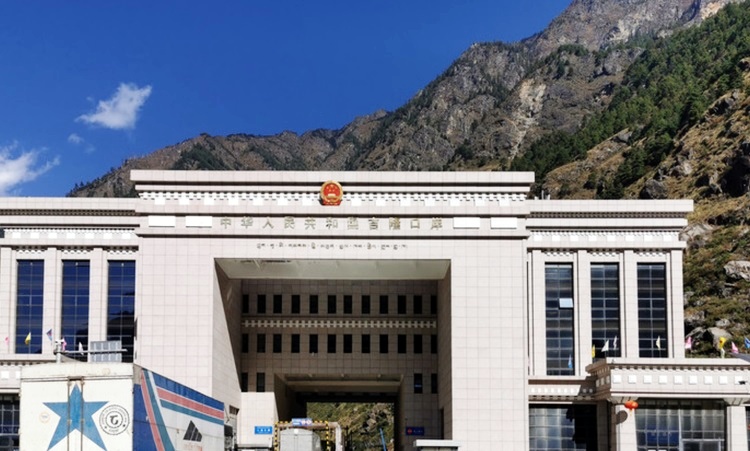
Gyirong Borde
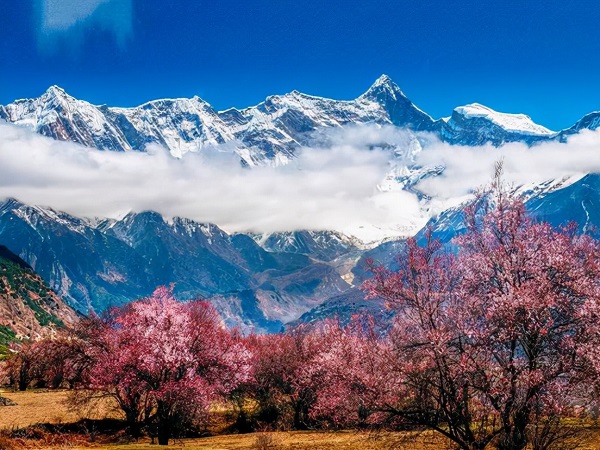
The crossing connects to the Rasuwa Gadhi Border Crossing in Nepal. The total distance from Kathmandu to the Gyirong Border Crossing is approximately 150 kilometers, with a driving time of 7–8 hours; The distance from the Gyirong border crossing to Lhasa is approximately 800 kilometers, taking 10–12 hours by car. The route passes through breathtaking high-altitude landscapes, including snow-capped mountains, gorges, lakes, and grasslands, making it a stunning, off-the-beaten-path route for Kathmandu to Lhasa Overland via Gyirong border cross-border self-drive or chartered vehicle tours. Currently, all Chinese and Nepalese travelers and business travelers taking the Gyirong border Tibet travel and crossing the border by land must complete immigration procedures at the Gyirong border crossing.
Kathmandu → Gyirong Border Crossing → Lhasa: A Complete Transportation Guide
1. Transportation from Kathmandu to the Gyirong Border Crossing
There are two main ways to travel from downtown Kathmandu to the Raswadi Border Crossing in Nepal, each suited to different traveler needs. The first option is a private chartered car, which offers the best value for money and is the most hassle-free. It provides door-to-door pickup and drop-off and takes you directly to the border, making it ideal for families and small groups of travelers. The second option is a local tour bus, which is inexpensive but operates on a fixed schedule with multiple stops along the way, resulting in a longer journey. This option is best suited for budget-conscious backpackers.
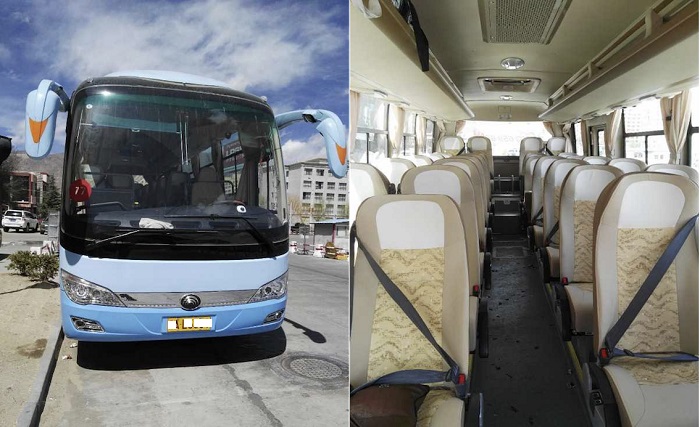
Tibet Travel Vehicles
The entire route consists of winding mountain roads with complex road conditions. During the rainy season (June–September), minor landslides and muddy sections are common, while road conditions are best and travel is safest during the dry season (October–May of the following year). It is recommended that travelers arrive a day early and stay in the suburbs of Kathmandu, departing early the next morning to ensure arrival at the border before noon and smooth completion of customs clearance on the same day—this is a core practical tip from the Gyirong border crossing Kathmandu Lhasa guide.
2. Domestic Transportation at the Gyirong Border Crossing
After completing Nepal’s exit and China’s entry procedures at the Gyirong Border Crossing, you can transfer to domestic vehicles to travel to Gyirong County. The distance from the border crossing to the county seat is approximately 35 kilometers, with a travel time of about 40 minutes. Licensed taxis and chartered tour vans are available; there are no public buses, and walking is not recommended.
3. Transportation from the Gyirong Border Crossing to Lhasa
The route from Gyirong County to Lhasa is a classic scenic highway through the Tibetan Plateau. It passes through key Tibetan cities such as Dingri, Shigatse, and Gyantse, and allows travelers to visit famous attractions along the way, including Lake Peku, Mount Xixabangma, and Lake Yamdrok. The main modes of transportation are private chartered vehicles or shared rides. The trip is typically divided into two days: the first day from Gyirong to Shigatse, and the second day from Shigatse to Lhasa. This allows for gradual acclimatization to the altitude and helps avoid altitude sickness caused by rushing. The entire route consists of smooth paved roads, and vehicle conditions are stable; both standard passenger cars and SUVs can travel the route without issue.
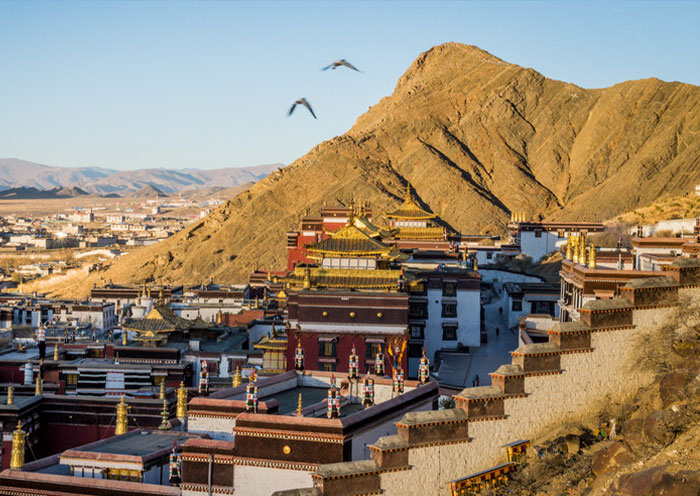
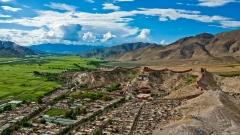
Tashilhunpo Monastery in Shigatse
Classic Itinerary Planning (8-Day Main Route)
Considering road conditions, altitude acclimatization, and overall travel experience, we have compiled the most popular 2026 overland cross-border itinerary for travelers who travel from Kathmandu to Lhasa via Gyirong border. To balance travel comfort and scenic viewing experience, we recommend traveling by car, fully following the professional arrangement of the Gyirong border crossing Kathmandu Lhasa guide:
- Day 1: Kathmandu to Gyirong-Crossing the Border into Tibet
- Day 2: Gyirong Valley-Hike to Milarepa Cave
- Day 3: Gyirong to Tingri: visit Everest Base Camp
- Day 4: Tingri to Shigatse: G318 Milestones & Tashilhunpo Monastery
- Day 5: Shigatse to Lhasa: Karola Glaciers, Yamdrok Lakes & Historic Highway
- Day 6: Lhasa Tour City Tour: visit Drepung Monastery and Sera Monastery
- Day 7: Lhasa Tour City Tour: Explore the Potala Palace, Jokhang Temple & Barkhor Street
- Day 8: Lhasa Departure, successfully completed the cross-border trip
Accommodations, Expenses, and Essential Travel Supplies
1. Accommodation Guide
Gyirong County offers a comprehensive range of accommodations, from budget guesthouses and boutique hotels to star-rated hotels. In 2026, facilities were fully upgraded to include hot water, oxygen supply systems, and heating, making it an ideal place to rest and recuperate during your transit. The area around the Kathmandu border crossing is primarily composed of budget guesthouses with basic amenities, suitable for short-term stays. Cities such as Lhasa, Shigatse, and Dingri offer a wide variety of lodging options to suit all budget levels.
2. Expenses and Payments
There are no widely accessible ATMs at the China-Nepal border crossing. Travelers are advised to bring a small amount of cash in U.S. dollars and Nepalese rupees in advance for minor purchases at the border. Once inside Tibet, WeChat Pay and Alipay are widely accepted, making payments convenient. Overall, the cost of overland cross-border travel is moderate; daily per-person expenses for private car rentals, lodging, and meals are manageable and offer excellent value for money.
3. Essential Travel Supplies
High-altitude sun protection kit (sunscreen, sunglasses, sun hat, windbreaker), altitude sickness medication, cold medicine, stomach medicine, thermos, lightweight warm clothing, and a power bank. Cell service is unreliable in the mountainous border areas, so download offline maps in advance to avoid getting lost.
4. Guide to Avoiding Common Pitfalls and Travel Precautions
- Do Not Attempt to Cross the Border Without Proper Documentation: Foreign tourists must obtain a Letter of Permission to Enter Tibet and a tourist visa in advance. Do not trust intermediaries offering to facilitate border crossings without proper documentation, to avoid being stranded at the border and delaying your itinerary.
- Manage Your Border Crossing Time: Border checkpoints stop processing entry procedures at 5:00 p.m. daily. Do not delay your departure until the afternoon to avoid being unable to enter Tibet on the same day.
- Be Cautious About Altitude Sickness: Do not rush your journey; follow the principle of gradual acclimatization to altitude. Avoid strenuous exercise and alcohol consumption on the first day.
- Avoid Unlicensed Roadside Taxis: At the border, be sure to choose officially registered tourist vehicles and refuse unlicensed taxis to ensure travel safety.
- Comply with Border Regulations: Do not take photos or aerial footage without permission in border areas. Strictly cooperate with security checks and customs inspections, and do not carry prohibited items across the border.
Summary
The Gyirong Border Crossing is the most cost‑effective and scenically spectacular overland route linking Kathmandu, Nepal, and Lhasa, Tibet. It is a top pick for international travelers. Thanks to stable border policies, well-maintained roads, and improved supporting facilities as of 2026, travelers can comfortably complete this spectacular Himalayan cross‑border trip from Kathmandu to Lhasa via Gyirong Border. Just prepare the required documents ahead of time and carefully plan your Nepal‑Tibet overland itinerary.