Nyingchi, often referred to as the “Switzerland of Tibet,” is a destination celebrated for its breathtaking landscapes, dense forests, and snow-capped peaks. However, beyond the stunning scenery lies a culinary treasure trove waiting to be explored. Nyingchi food offers a unique blend of traditional Tibetan flavors and regional specialties influenced by the area’s relatively low altitude and abundant natural resources. Unlike the harsher climates of western Tibet, this region supports diverse agriculture, which directly shapes its local cuisine. For travelers seeking an authentic taste of the Himalayas, understanding the local diet is just as important as planning the hiking routes.
Key Highlights of Nyingchi Food:
- Stone Pot Chicken is the absolute must-try signature dish.
- Highland barley forms the staple foundation of most meals.
- Wild mushrooms and forest ingredients define the regional flavor.
- Yak meat dishes provide essential energy for high-altitude travel.
- Traditional butter tea remains the daily beverage of choice.
The Signature Dish of Nyingchi Food: Stone Pot Chicken
When discussing Nyingchi food, no conversation is complete without mentioning the legendary Stone Pot Chicken, locally known as “Zhuoba Jiguo.” This dish is not merely a meal; it is a cultural experience deeply rooted in the traditions of the Medog and Bomê counties. The cooking vessel itself is carved from a rare type of soapstone found only in the Yarlung Tsangpo Grand Canyon region. Artisans hollow out these stones by hand, creating thick-walled pots that distribute heat evenly and retain warmth for hours.
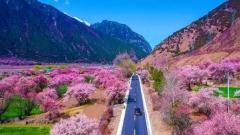
The preparation of Stone Pot Chicken involves simmering free-range Tibetan chickens alongside a carefully curated selection of medicinal herbs and wild fungi. Ingredients such as ginseng, astragalus, danggui (angelica root), and various local mushrooms are added to the broth. The slow-cooking process extracts the deep, earthy flavors from the stone and the herbs, resulting in a golden, nutrient-rich soup that is both savory and slightly sweet. Locals believe this dish possesses remarkable health benefits, helping to combat fatigue and improve circulation at high altitudes. For visitors, sitting around a steaming stone pot after a long day of exploring the peach blossom valleys or the Lulang Forest is one of the most comforting experiences available.
Staples and Grains in Traditional Nyingchi Food
To truly understand Nyingchi food, one must look at the foundational grains that sustain the local population. Highland barley, known as “qingke” in Chinese, is the undisputed king of Tibetan agriculture. In Nyingchi, this resilient grain is roasted and ground into a fine flour called tsampa. Tsampa is incredibly versatile. It is typically mixed with butter tea, dried cheese, and sometimes sugar, then kneaded by hand into small dough balls. This simple yet highly caloric food has sustained Tibetan nomads and farmers for centuries, providing the necessary energy to work in thin air and cold temperatures.
Beyond tsampa, Nyingchi’s relatively mild climate allows for the cultivation of other crops, including wheat and even some vegetables that struggle to grow in higher parts of the plateau. You will frequently find Tibetan noodles, known as “thukpa,” served in rich, warming broths filled with chunks of meat and seasonal greens. Another popular staple is “balep,” a type of round, flat Tibetan bread baked in traditional ovens or cooked on hot stones. These breads are perfect for soaking up the flavorful gravies of meat stews or simply enjoying alongside a hot cup of tea during breakfast.
Yak Meat and Dairy: The Backbone of Nyingchi Food
Yak meat is central to Nyingchi food, serving as the primary source of protein for locals and a fascinating delicacy for travelers. Because yaks graze freely on high-altitude pastures, their meat is lean, organic, and packed with nutrients. In Nyingchi, yak is prepared in numerous ways depending on the season and the occasion. During the colder months, hearty yak bone soups and slow-braised yak stews are common, offering deep warmth and sustenance. In the warmer seasons, you will often encounter air-dried yak meat. This preservation method involves slicing the raw meat into strips, seasoning it lightly with salt and spices, and hanging it in the dry, cold mountain air until it becomes tough and intensely flavorful. Chewing on a piece of dried yak meat while trekking through the Bomi glacier region is a time-honored traveler’s snack.
Dairy products derived from female yaks (dri) are equally important in the local diet. Yak butter is churned daily and used not only in tea but also in cooking and religious offerings. Dried yak cheese, or “chhurpi,” comes in both soft and rock-hard varieties. The softer versions are often crumbled over noodles or mixed into tsampa, while the harder pieces are chewed slowly like candy, providing a concentrated burst of protein and fat.
Wild Ingredients and Foraged Nyingchi Food Delicacies
What sets Nyingchi food apart from the cuisine of Lhasa or Shigatse is the abundance of wild, foraged ingredients. Nyingchi is heavily forested, boasting a biodiversity rarely seen elsewhere on the Tibetan Plateau. This lush environment provides a wealth of edible plants, ferns, and fungi that make their way into local kitchens. Matsutake mushrooms are perhaps the most prized foraged item. Found hidden beneath the pine needles of the Lulang Forest, these aromatic mushrooms are highly sought after for their spicy, pine-like fragrance. They are often sliced thin and lightly pan-fried in yak butter to preserve their delicate texture, or added generously to the famous stone pot chicken.
In addition to mushrooms, locals forage for wild garlic, various alpine greens, and even specific types of tree bark used for flavoring. Bamboo shoots are another regional specialty, particularly in the lower-altitude areas near the Yarlung Tsangpo river basin. These fresh, wild ingredients give Nyingchi food a vibrant, earthy character that reflects the pristine nature of the surrounding environment. When visiting local markets or village eateries, asking about the day’s foraged specials can lead to some of the most memorable meals of your trip.
Beverages That Complement Nyingchi Food
No exploration of Nyingchi food is complete without discussing the beverages that accompany every meal. Butter tea, or “po cha,” is the lifeblood of Tibetan hospitality. Made by churning strong black tea with yak butter and salt, it is an acquired taste for many foreigners but an absolute necessity for acclimatization. The high fat content provides immediate energy, while the salt helps retain hydration in the dry mountain air. It is customary for hosts to continuously refill a guest’s bowl; if you have had enough, simply leave the tea untouched until you are ready to depart.
For those who prefer something sweeter, sweet milk tea is widely available and tastes similar to a rich, milky chai. When it comes to alcoholic beverages, highland barley wine, known as “chang,” is the traditional choice. Chang is mildly fermented, slightly sour, and very refreshing. It plays a central role in festivals, family gatherings, and welcoming ceremonies. Drinking chang is often accompanied by traditional songs and toasts, making it a deeply social experience. Visitors should sip it slowly, as the high altitude can amplify the effects of alcohol much faster than at sea level.
Where to Experience Authentic Nyingchi Food
Finding genuine Nyingchi food requires stepping away from the standardized menus of large tourist hotels and venturing into local teahouses, family-run restaurants, and village homestays. Bayi Town, the administrative center of Nyingchi, offers the highest concentration of dining options. Here, you can find everything from upscale restaurants serving refined versions of Stone Pot Chicken to small, bustling noodle shops where locals grab a quick bowl of thukpa before heading to work. The streets near the central market are particularly good for spotting vendors selling fresh balep, dried yak meat, and seasonal fruits.
For a more immersive experience, traveling to smaller towns like Lulang or Bomê is highly recommended. In these areas, the food is less commercialized and more closely tied to traditional farming and foraging practices. Many guesthouses offer home-cooked meals using ingredients sourced directly from their own farms or gathered from the nearby forests. Sitting in a warm, wood-paneled dining room while a local family prepares a meal is an integral part of the travel experience here.
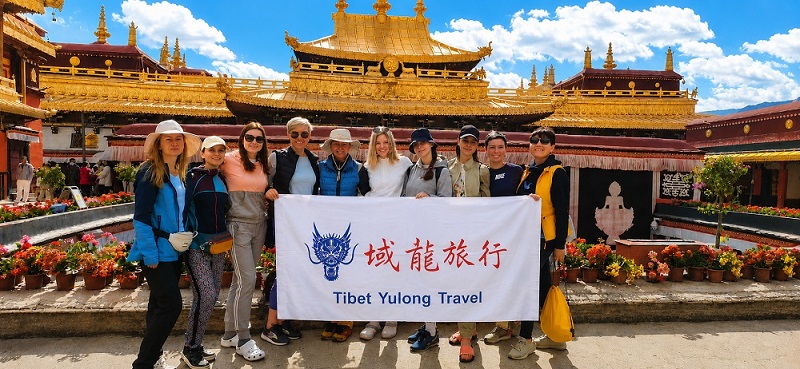
Navigating the remote villages and finding the best local eateries can be challenging for independent travelers due to language barriers and scattered locations. To ensure a seamless culinary journey, many visitors choose to arrange their itineraries through experienced local operators. Agencies like Tibet Yulong Travel specialize in crafting routes that highlight not just the scenic beauty of the region, but also its rich gastronomic heritage. By traveling with knowledgeable guides, you gain access to authentic village kitchens and hidden restaurants that standard guidebooks often overlook, ensuring your palate experiences the true depth of the region’s culinary offerings.
Practical Tips for Enjoying Nyingchi Food Safely
While diving into Nyingchi food is a highlight of any trip, travelers should keep a few practical considerations in mind. First, digestion works differently at high altitudes. Heavy, fatty foods like yak butter and rich meats take longer to process. It is advisable to eat moderate portions, especially during your first few days, to avoid stomach discomfort. Drink plenty of boiled water or mild teas to aid digestion and stay hydrated.
Second, if you have dietary restrictions or allergies, communicating them clearly is essential. Vegetarian options exist—such as mushroom dishes, vegetable thukpa, and tsampa made without animal fats—but they require specific requests, as meat is a default ingredient in many broths. Learning a few basic Tibetan phrases or having your guide translate your dietary needs will go a long way in ensuring safe and enjoyable meals.
Finally, embrace the local dining etiquette. Meals are often communal, with dishes placed in the center of the table for everyone to share. Accepting food or tea offered by a host with both hands is a sign of respect. By approaching Nyingchi food with an open mind and a respectful attitude, you transform a simple meal into a profound connection with the culture and landscape of eastern Tibet.