Traveling to Tibet is a dream for many adventurers, offering breathtaking landscapes, profound spiritual culture, and an experience unlike anywhere else on Earth. However, the extreme altitude, unpredictable weather, and remote terrain demand careful preparation. Having a well-thought-out packing list is absolutely essential before you embark on this journey. Without the right gear, the harsh conditions can quickly turn a dream trip into an uncomfortable ordeal. Whether you are trekking through rugged valleys or exploring ancient monasteries in Lhasa, knowing exactly what to bring ensures your safety and comfort. Many experienced travelers who book their journeys through reputable agencies like Tibet Yulong Travel often emphasize that proper preparation is half the adventure. To help you get ready, we have compiled a comprehensive guide detailing every item you should consider bringing to the Roof of the World.
Key Takeaways:
- Layered clothing is mandatory due to drastic temperature shifts.
- High-altitude sickness medication must be included in your packing list.
- Sun protection is critical because UV rays are exceptionally strong.
- Carry all necessary travel permits and physical copies of documents.
- Pack high-energy snacks and hydration solutions for remote travel days.
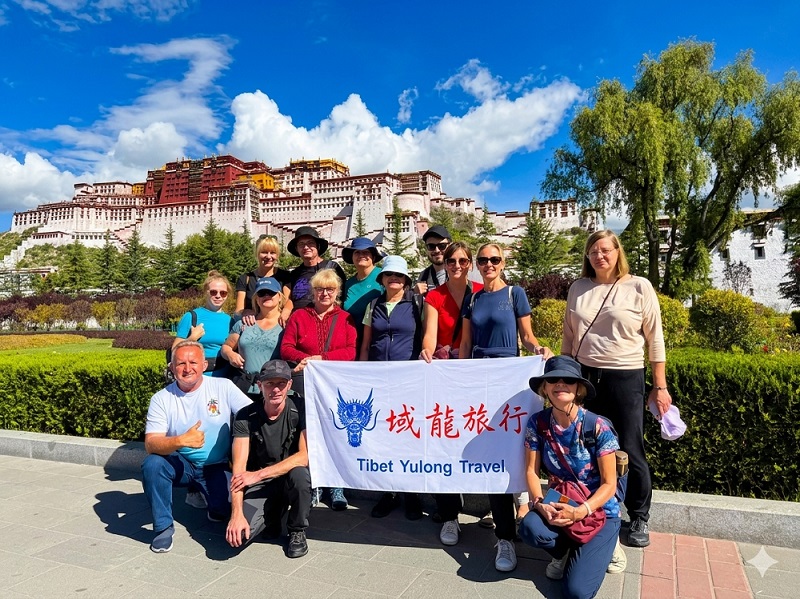
Why a Detailed Packing List Matters for Tibet
Tibet sits at an average elevation exceeding 4,000 meters, creating an environment where standard travel preparations simply fall short. The air is thin, the sun is intensely bright, and temperatures can swing from warm sunshine to freezing winds within a matter of hours. A meticulously prepared packing list acts as your first line of defense against altitude sickness, hypothermia, and severe sunburn. Furthermore, once you leave major cities like Lhasa or Shigatse, finding specific outdoor gear, specialized medications, or even basic toiletries becomes incredibly difficult, if not impossible. Local shops cater primarily to daily necessities rather than high-altitude trekking equipment. By planning ahead and checking off every item on your packing list, you avoid the stress of missing essentials and can focus entirely on absorbing the magnificent scenery and rich cultural heritage that Tibet has to offer.
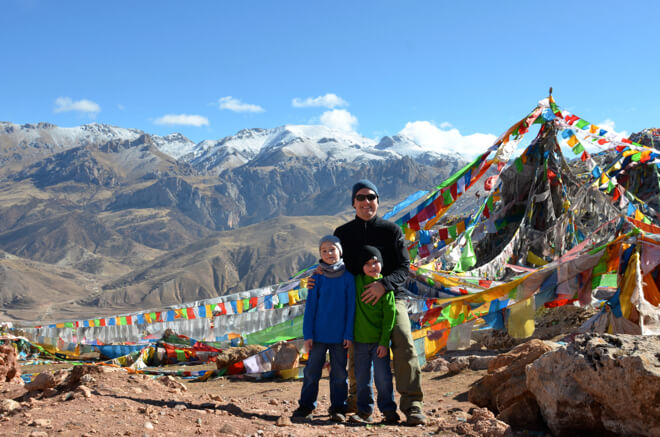
Clothing Essentials for Your Tibet Packing List
The golden rule for dressing in Tibet is layering. The temperature difference between day and night, or between sun and shade, is dramatic. Your packing list should prioritize versatile clothing that can be easily added or removed as conditions change throughout the day.
Base Layers and Thermal Wear
Start with moisture-wicking base layers. Cotton retains sweat and dries slowly, which can lead to rapid cooling in the wind. Opt for merino wool or synthetic thermal tops and bottoms. These materials regulate body temperature effectively and resist odors during multi-day trips where laundry facilities are scarce. Bring at least two to three sets so you can rotate them comfortably.
Mid-Layers for Insulation
Fleece jackets or lightweight down vests serve as excellent mid-layers. They trap body heat without adding excessive bulk or weight to your luggage. A thick fleece pullover is perfect for chilly mornings when you are waiting for the sunrise over Mount Everest or Namtso Lake. Ensure these items fit comfortably under your outer shell without restricting movement.
Outer Shells and Wind Protection
A high-quality waterproof and windproof jacket is non-negotiable for your packing list. Sudden rain showers and fierce winds are common, especially if you are traveling near mountain passes. Look for breathable Gore-Tex or similar materials. Additionally, pack a pair of durable, water-resistant trekking pants. Convertible pants that zip off into shorts can be useful during warmer afternoons, though long pants are generally preferred for sun protection and cultural respect when visiting religious sites.
Footwear and Accessories
Leave your casual sneakers at home. Sturdy, ankle-supporting hiking boots with aggressive tread are required for navigating rocky monastery steps and uneven trails. Make sure they are thoroughly broken in before your trip to prevent blisters. For accessories, include a warm beanie, a wide-brimmed hat for sun protection, a buff or neck gaiter to shield against dust and cold wind, and insulated gloves. Thick wool socks should also feature prominently on your packing list, as keeping your feet warm is crucial for overall comfort at high altitudes.
Medical Supplies and Health Items to Include
Health concerns are a primary reason why a specialized packing list is vital for Tibet. The low oxygen levels affect everyone differently, and being medically self-sufficient is highly recommended, even if you are traveling with a guided group organized by experts like Tibet Yulong Travel.
Altitude Sickness Prevention
Acute Mountain Sickness (AMS) is the most significant health risk. Consult your physician before traveling to obtain appropriate medications such as acetazolamide, which helps your body acclimatize faster. Include these prescriptions in your packing list along with clear instructions on dosage and timing. Ibuprofen or paracetamol is also essential for managing the headaches that frequently accompany initial altitude exposure.
Basic First Aid and Personal Medications
Pack a comprehensive first aid kit containing adhesive bandages, antiseptic wipes, blister pads, and medical tape. Gastrointestinal issues are common due to changes in diet and water sources, so bring anti-diarrheal medication and rehydration salts. If you take any personal prescription medications, bring an ample supply plus extra days’ worth in case of unexpected travel delays. Keep all medications in their original labeled packaging to avoid issues at security checkpoints.
Oxygen and Hydration Tools
While large oxygen tanks are usually provided by tour vehicles, carrying portable oxygen canisters in your daypack offers peace of mind during strenuous walks. Also, include electrolyte powder packets in your packing list. The dry, thin air accelerates dehydration, and drinking plain water is sometimes insufficient to replenish lost minerals. An insulated water bottle is highly recommended, as it prevents your drinking water from freezing during cold excursions.
Sun Protection and Skincare Must-Haves
At elevations above 4,000 meters, the atmosphere provides significantly less protection against ultraviolet radiation. Sun damage happens much faster here than at sea level, making sun protection a critical section of your packing list.
Bring a broad-spectrum sunscreen with an SPF of 50 or higher. Apply it generously and frequently, especially on your face, neck, ears, and hands. Lip balm with SPF is equally important, as lips chap and burn very quickly in the dry Tibetan wind. High-quality sunglasses with 100% UV protection are mandatory to prevent snow blindness and long-term eye damage; wraparound styles work best to block light from the sides. For skincare, pack heavy-duty moisturizing creams and lotions. The humidity in Tibet is extremely low, causing skin to crack and peel. Rich, hydrating products will keep your skin comfortable throughout the journey.
Important Documents and Electronics
No packing list for Tibet is complete without addressing the specific bureaucratic and technological needs of the region. Tibet requires special travel documentation beyond a standard Chinese visa.
Travel Permits and Identification
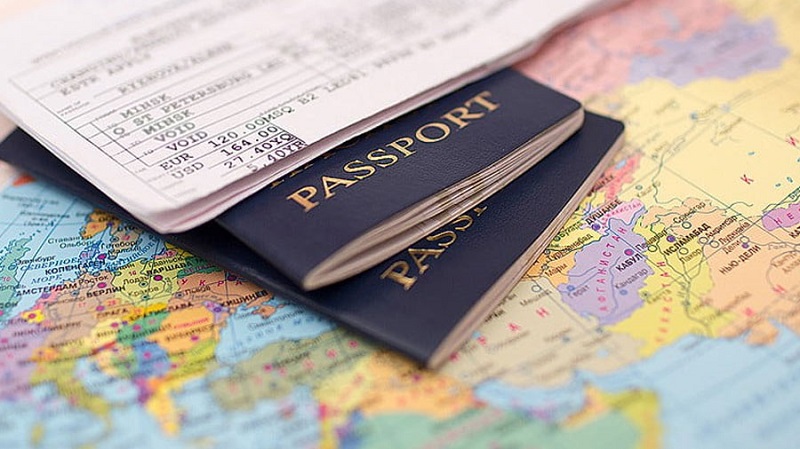
You must carry your passport, Chinese visa, and the Tibet Travel Permit at all times. It is wise to make multiple physical photocopies of these documents and store them separately from the originals. Digital backups saved securely on your phone or cloud storage are also recommended. When booking through established agencies like Tibet Yulong Travel, your guides will assist in securing the necessary permits, but you remain responsible for keeping them safe and accessible during transit and hotel check-ins.
Electronics and Power Solutions
Cold temperatures drain batteries rapidly. Bring extra batteries for your camera and keep them close to your body heat when not in use. A high-capacity power bank is essential for charging your phone during long drives across the plateau where power outlets are nonexistent. Pack universal adapters, though standard Chinese plugs are typically used. A headlamp with fresh batteries is incredibly useful for navigating unlit areas in rural guesthouses or early morning treks. Remember to add all charging cables and protective cases to your packing list to keep your electronics organized and functional.
Food, Snacks, and Miscellaneous Gear
Dining options outside major towns are limited and heavily focused on local staples like yak meat, tsampa, and butter tea. While trying local cuisine is part of the experience, having familiar snacks ensures you maintain energy levels.
Include high-calorie, non-perishable snacks in your packing list. Nuts, trail mix, protein bars, dried fruits, and chocolate provide quick energy boosts during long drives or hikes. Instant noodles or soup packets can be comforting if you struggle with the local food or feel unwell due to altitude.
For miscellaneous gear, pack wet wipes and hand sanitizer, as running water is not always available at rest stops. Toilet paper is another absolute necessity to include. A lightweight daypack is useful for carrying your daily essentials away from your main luggage. Finally, consider bringing earplugs and an eye mask to ensure restful sleep in unfamiliar accommodations where street dogs or early morning chants might disturb your rest. By carefully curating every item on your packing list, you guarantee that your Tibetan adventure remains focused on wonder and discovery rather than discomfort.