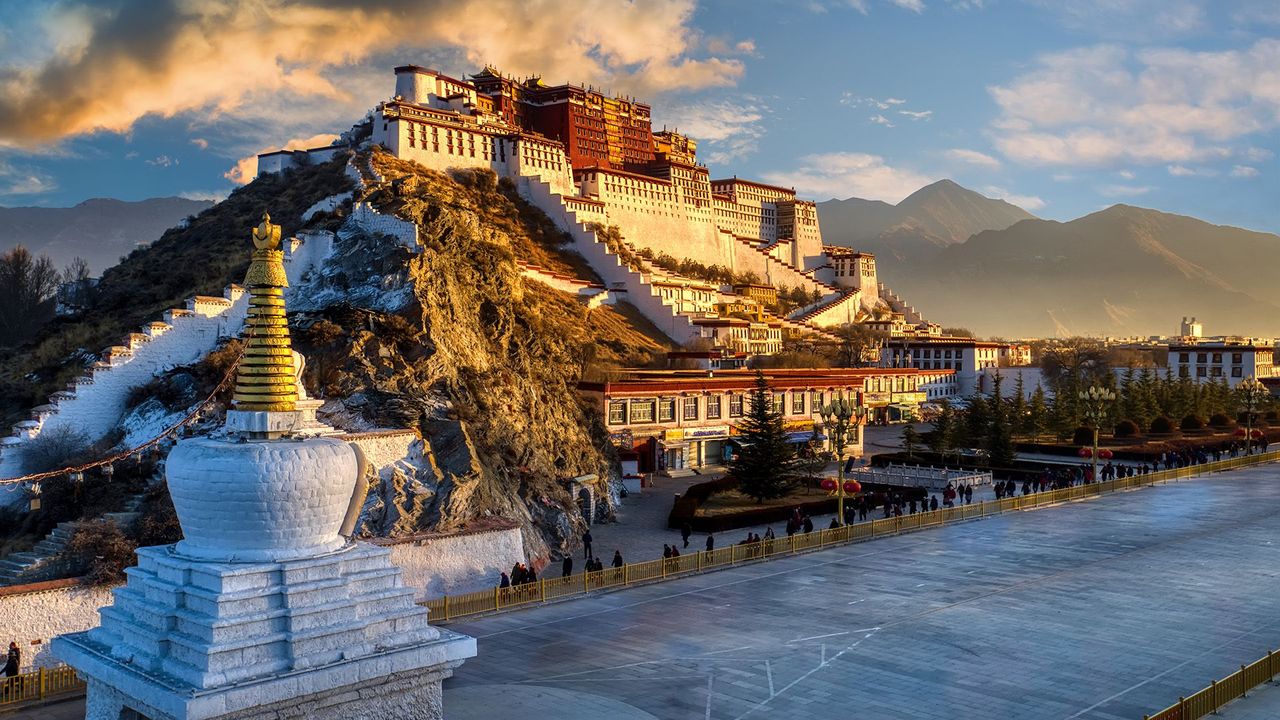
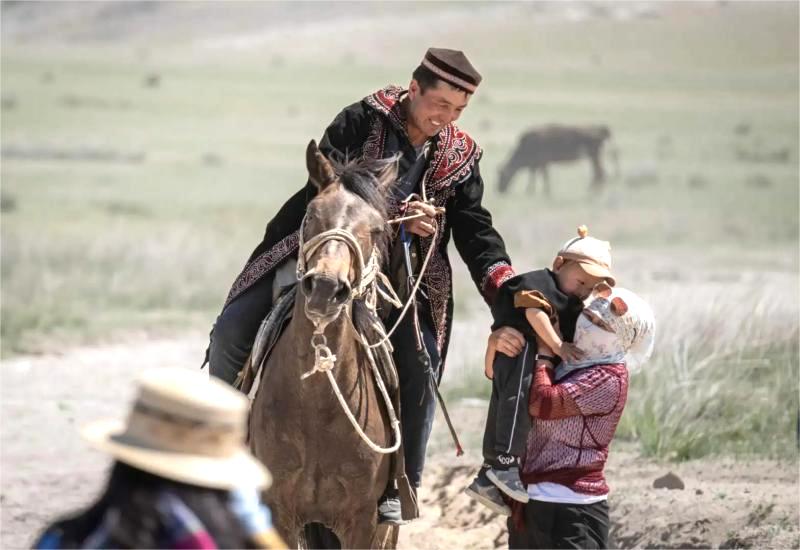
The Saga Dawa Festival stands as one of the most profound and spiritually significant events in Tibetan Buddhism. Celebrated primarily during the fourth month of the Tibetan lunar calendar, this sacred occasion commemorates three pivotal moments in the life of Shakyamuni Buddha: his birth, his enlightenment under the Bodhi tree, and his passing into Parinirvana. For travelers seeking an authentic cultural experience, witnessing the Saga Dawa Festival offers an unparalleled window into the deep devotion and rich heritage of the Tibetan people. Thousands of pilgrims and monks gather at monasteries, sacred mountains, and bustling city streets to participate in prayers, circumambulations, and acts of compassion. The atmosphere is thick with the scent of juniper incense and the rhythmic chanting of mantras, creating a sensory experience that resonates long after the journey ends.
Key Highlights of the Saga Dawa Festival:
- Commemorates the birth, enlightenment, and death of Buddha.
- Falls on the fourth month of the Tibetan lunar calendar.
- Features massive pilgrimages, especially around Mount Kailash.
- Encourages strict vegetarianism and releasing captive animals.
- Multiplies the karmic effects of good deeds by millions.
What is the Saga Dawa Festival?
To truly understand the spiritual landscape of the Himalayas, one must explore the meaning behind the Saga Dawa Festival. The term “Saga” refers to the fourth lunar month in the Tibetan calendar, while “Dawa” translates to “month” or “star.” Therefore, it is literally known as the “Month of Saga,” though the celebrations peak intensely on the 15th day, which corresponds to the full moon. During this entire month, Tibetan Buddhists believe that the karmic effects of any positive or negative action are multiplied exponentially—some traditions suggest by a factor of one hundred million. This belief transforms the entire region into a hub of heightened mindfulness and extraordinary generosity.
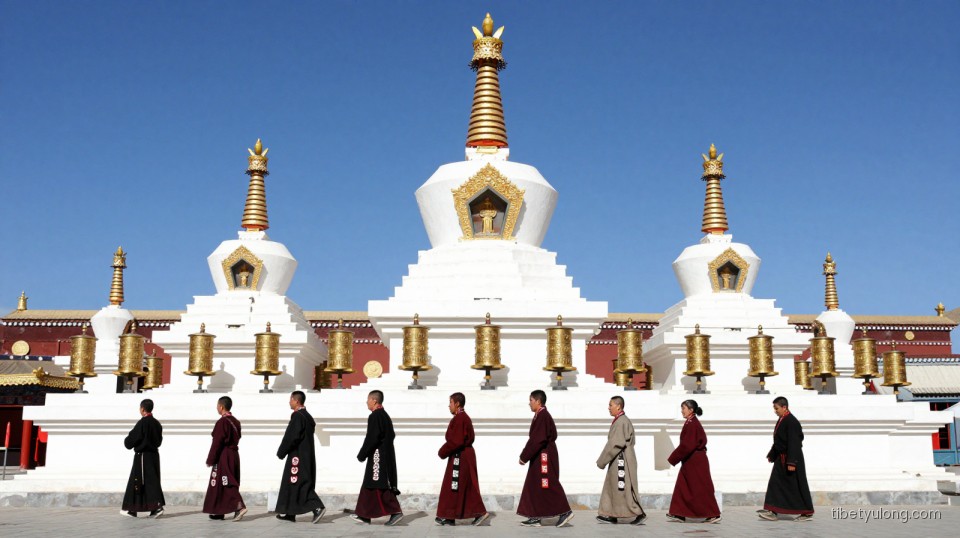
The origins of the festival are deeply rooted in ancient Buddhist texts. While various schools of Buddhism celebrate Vesak or Buddha Day, the Tibetan tradition uniquely combines all three major life events of the Buddha into a single, extended period of observance. Monasteries across Tibet, from Lhasa to Shigatse, host elaborate prayer sessions. Monks recite sutras continuously, and the faithful line up to offer butter lamps, turning temple courtyards into seas of flickering golden light. It is not merely a historical remembrance but a living, breathing practice of faith that defines the rhythm of life for millions of people on the plateau.
Sacred Rituals and Customs During the Saga Dawa Festival
The daily life of a Tibetan Buddhist undergoes a noticeable shift during the Saga Dawa Festival. The emphasis moves entirely toward non-violence, charity, and spiritual purification. One of the most visible customs is the widespread adoption of a vegetarian diet. Even those who consume meat regularly throughout the rest of the year will abstain completely during this holy month. Butchers often close their shops, and restaurants adapt their menus to cater to the surge in plant-based dining, making it a unique time for culinary exploration focused on traditional Tibetan vegetarian dishes like thukpa (noodle soup) made without meat broth.
Another cornerstone practice is the ritual of “Tsethar,” which translates to the liberation of life. Devotees purchase animals destined for slaughter—such as sheep, yaks, or fish—and release them back into the wild or dedicate them to live out their natural lives unharmed. This act of supreme compassion reflects the core Buddhist tenet of respecting all sentient beings. You will often see animals marked with colored ribbons or ear tags, signifying that they have been liberated and must never be harmed or sold again.
Circumambulation, known locally as “Kora,” is perhaps the most physically demanding and visually striking ritual associated with the Saga Dawa Festival. Pilgrims walk clockwise around sacred sites, spinning prayer wheels and chanting the six-syllable mantra “Om Mani Padme Hum.” In Lhasa, the routes are clearly defined: the Nangkor circles the inner sanctum of the Jokhang Temple, the Barkor winds through the famous market streets surrounding it, and the Lingkor encompasses the entire old city. During the festival, these paths are packed shoulder-to-shoulder with people of all ages, moving in a continuous, meditative flow.
Mount Kailash: The Epicenter of the Saga Dawa Festival
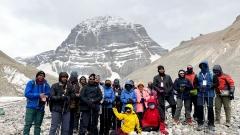
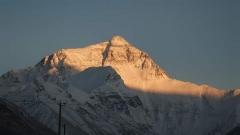
While Lhasa serves as the administrative and religious heart of Tibet, the spiritual epicenter of the Saga Dawa Festival is undeniably Mount Kailash. Located in the remote western reaches of the Ngari Prefecture, this perfectly pyramid-shaped peak is considered the center of the universe by Buddhists, Hindus, Jains, and Bonpos alike. During the fourth lunar month, the mountain draws tens of thousands of pilgrims who undertake the grueling 52-kilometer trek around its base.
The climax of the Mount Kailash pilgrimage occurs on the 15th day of the Saga Dawa Festival. On this specific morning, a highly anticipated ceremony takes place at Tarboche, a site located south of the mountain. Monks and lamas lower the previous year’s massive flagpole, strip it of its faded prayer flags, and erect a brand-new pole adorned with fresh, brightly colored flags carrying printed mantras. The raising of the new flagpole is accompanied by roaring chants, the blowing of long copper horns, and the tossing of tsampa (roasted barley flour) into the air. If the pole stands perfectly straight, it is taken as an auspicious sign for the coming year; if it leans, the crowd gasps in collective concern.
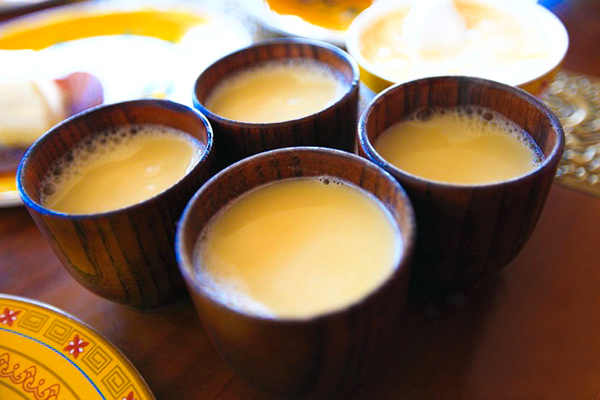
Undertaking the Kailash Kora during this time requires excellent physical fitness and proper acclimatization to extreme altitudes exceeding 5,600 meters at the Dolma La pass. The weather can be unpredictable, shifting from brilliant sunshine to sudden snowstorms within hours. However, the camaraderie among pilgrims, the shared cups of butter tea offered by strangers, and the overwhelming sense of purpose make it one of the most rewarding treks on earth.
How Travelers Can Respectfully Experience the Saga Dawa Festival
Visiting Tibet during the Saga Dawa Festival provides a rare opportunity to witness genuine devotion, but it demands a high degree of cultural sensitivity and respect from foreign travelers. First and foremost, understanding the logistics of traveling to Tibet is crucial. All international visitors must obtain a Tibet Travel Permit, which can only be arranged through a registered travel agency. Independent travel is not permitted, making the choice of your tour operator vital to the success of your trip.
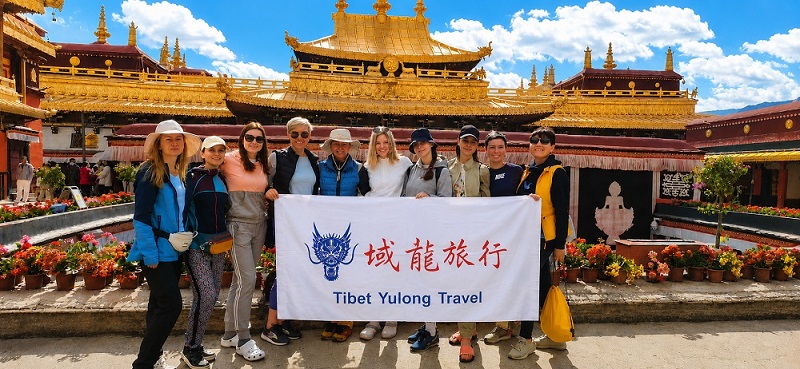
When planning your itinerary, working with experienced local operators like Tibet Yulong Travel ensures that your journey is both seamless and culturally respectful. Agencies such as Tibet Yulong Travel possess deep-rooted connections within local communities and an intimate understanding of the festival’s schedule. They can arrange accommodations near key ceremonial sites, provide knowledgeable guides who explain the nuances of the rituals, and ensure you navigate the permit processes smoothly. Their expertise allows travelers to immerse themselves in the festivities without inadvertently disrupting sacred practices.
Photography etiquette is paramount during the Saga Dawa Festival. While the visual spectacle is breathtaking, pointing a camera directly into the face of a prostrating pilgrim or interrupting a monk mid-prayer is highly disrespectful. Always ask for permission before taking portraits. Using a zoom lens from a respectful distance is often the best approach. Furthermore, when participating in or observing a Kora, always move in a clockwise direction. Walking counter-clockwise goes against the spiritual flow and is considered offensive.
Travelers should also dress modestly. Shoulders and knees should be covered when entering monastery grounds or walking along pilgrimage routes. Avoid wearing shorts, tank tops, or overly flashy clothing. Embracing the local dietary customs by eating vegetarian meals during your visit is not strictly required for foreigners, but doing so demonstrates a beautiful level of solidarity and respect for the values the festival upholds.
Practical Travel Tips for Visiting Tibet During the Holy Month
Timing your visit to align with the Saga Dawa Festival requires attention to the lunar calendar, as the dates shift annually relative to the Gregorian calendar, typically falling in May or June. Because this is a peak season for domestic and international pilgrims, flights and train tickets to Lhasa sell out rapidly. Booking well in advance through your chosen agency is essential to secure your preferred travel dates.
Altitude sickness is a serious consideration, especially if your plans include traveling to Mount Kailash or other high-altitude regions. Spend at least two to three days in Lhasa (around 3,650 meters) to acclimatize before venturing higher. Stay hydrated, avoid alcohol, and refrain from strenuous exercise upon arrival. Consulting with a physician before your trip regarding altitude medication is highly recommended.
Accommodation standards vary greatly across Tibet. In Lhasa and Shigatse, comfortable hotels are readily available. However, near Mount Kailash or in remote nomadic areas, lodging consists of basic guesthouses or tent camps. During the festival, even these limited facilities fill up instantly. Packing appropriate gear—including thermal layers, a high-quality sleeping bag, sunscreen, and lip balm—is non-negotiable due to the intense UV radiation and drastic temperature drops between day and night.
Engaging with locals during the Saga Dawa Festival is a profoundly moving experience. Tibetans are exceptionally hospitable, and the spirit of the festival amplifies their generosity. You may be invited to share a meal or join a group spinning prayer wheels. Accept these invitations with grace, offer a polite smile, and remember that while language barriers exist, the shared human experience of reverence and peace transcends words. By approaching this sacred time with an open heart and a respectful mindset, your journey will become much more than a simple vacation; it will be a transformative encounter with one of the world’s oldest living spiritual traditions.