Mount Kailash stands at 6,638 meters in the remote southwestern corner of Tibet, drawing the attention of mountaineers, pilgrims, and curious travelers alike. For decades, adventurers have looked at its striking pyramidal shape and wondered about the possibility of reaching its summit. However, the question of climbing Mount Kailash is not merely a matter of physical endurance or technical mountaineering skill. It is deeply intertwined with religious reverence, cultural preservation, and strict governmental regulations. Unlike other towering peaks in the Himalayas that see dozens of summit attempts annually, Kailash remains entirely untouched by human boots on its highest point. Understanding why requires looking beyond traditional alpine challenges and into the heart of Asian spirituality.
Before diving into the history and logistics surrounding this magnificent peak, here are the essential takeaways regarding the climbability of Kailash:
- Climbing Mount Kailash is strictly prohibited by law.
- The peak holds immense sacred status across four major religions.
- No verified historical record exists of anyone successfully reaching the summit.
- Travelers can legally experience the mountain via the Kora pilgrimage trek.
- Proper planning through specialized agencies like Tibet Yulong Travel is essential for visiting the region.
Why Climbing Mount Kailash Is Strictly Prohibited
When people ask if Kailash is climbable from a purely physical standpoint, the answer is complicated by legal restrictions rather than just geological ones. The Chinese government, which administers the Tibet Autonomous Region where the mountain is located, has officially banned any attempt to climb Mount Kailash. This prohibition was firmly solidified after international outcry over proposed expeditions that threatened to desecrate the holy site.
The ban is not a temporary measure or a seasonal restriction; it is a permanent policy designed to respect the deeply held beliefs of millions of people worldwide. Any mountaineer attempting to bypass these regulations would face severe legal consequences, including deportation, heavy fines, and a permanent ban from entering the region. Therefore, while modern climbing gear and techniques could theoretically allow skilled alpinists to scale the rock and ice faces of Kailash, doing so is completely out of bounds. The mountain’s status as a protected cultural and religious monument supersedes any sporting ambition.
The Spiritual Significance of Kailash Across Four Religions
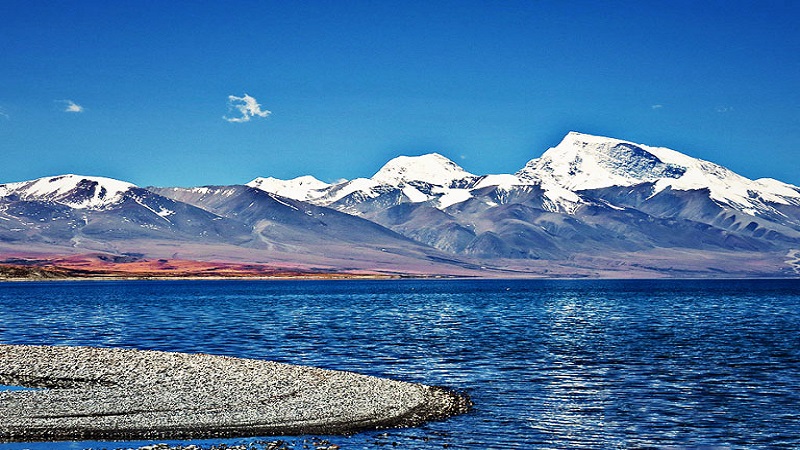
To understand why climbing Mount Kailash is forbidden, one must first understand what Kailash represents. It is arguably the most revered natural landmark on the planet, holding supreme spiritual importance in Hinduism, Buddhism, Jainism, and the indigenous Bon religion.
In Hinduism, Kailash is believed to be the earthly abode of Lord Shiva, the destroyer and transformer within the Hindu trinity. It is said that Shiva sits in eternal meditation at the summit alongside his consort Parvati. To step foot on the peak would be considered an unimaginable act of disrespect toward the divine.
For Tibetan Buddhists, the mountain is known as Kang Rinpoche, meaning “Precious Jewel of Snow.” It is associated with Demchok, a deity representing supreme bliss. Buddhist lore suggests that the poet and yogi Milarepa engaged in a magical contest atop the mountain to establish Buddhism’s dominance in the region, further cementing its mystical reputation.
Jains revere the peak as Mount Ashtapada, the site where their first Tirthankara, Rishabhadeva, achieved spiritual liberation. Meanwhile, followers of the ancient Bon religion consider Kailash the seat of all spiritual power and the center of the universe, long predating the arrival of Buddhism in Tibet.
Because Kailash serves as a spiritual axis for billions of believers, preserving its sanctity by keeping climbers off its slopes is a matter of global cultural respect.
Has Anyone Ever Successfully Summited Kailash?
A common question among mountaineering enthusiasts is whether anyone has ever secretly or historically climbed Mount Kailash. According to verified historical records, no human being has ever reached the summit. While many peaks in the Himalayas were conquered during the golden age of alpinism, Kailash was left alone due to local resistance and its profound religious weight.
There is a famous legend involving the Tibetan Buddhist monk Milarepa, who is said to have ridden a beam of sunlight to the top of Kailash in the 11th century to defeat a Bon priest in a contest of magic. However, this belongs to the realm of mythology and spiritual storytelling rather than documented mountaineering history.
In the early 2000s, a Spanish climbing team received initial permission to attempt the summit. However, following massive protests from religious groups worldwide, including Hindus and Buddhists, the Chinese authorities revoked the permit. Since then, no serious official attempts have been sanctioned. Reinhold Messner, one of the greatest mountaineers in history, was once offered the chance to climb Kailash but declined, stating that some mountains should be respected for their spiritual value rather than conquered for athletic glory.
The Physical Challenges That Make Kailash Difficult to Climb
Even if the religious and legal barriers did not exist, climbing Mount Kailash would present formidable technical and environmental challenges. Standing at 6,638 meters (21,778 feet), it is not among the highest peaks in the world, but its unique structure makes it exceptionally daunting.
The mountain features near-vertical faces on all four sides, composed of hard metamorphic rock interspersed with glaciers and snowfields. Its distinct, symmetrical pyramid shape means there are no gentle ridges or easy approaches to the summit. Climbers would need to navigate steep rock walls, unpredictable ice formations, and extreme exposure to high-altitude winds.
Furthermore, the weather around Kailash is notoriously volatile. Storms can roll in rapidly, dropping temperatures well below freezing and reducing visibility to zero. The remote location also poses significant logistical hurdles. Rescue operations would be incredibly difficult to coordinate due to the lack of nearby infrastructure and the high altitude, which complicates helicopter flights. The combination of sheer rock faces, harsh climate, and isolation ensures that even elite alpinists would find Kailash to be a highly dangerous undertaking.
Experiencing Kailash Through the Sacred Kora Trek
Since climbing Mount Kailash is impossible, how do visitors interact with this majestic peak? The answer lies in the Kora, a 52-kilometer (32-mile) circumambulation trek around the base of the mountain. This route is one of the most important pilgrimages in the world and is open to both devout followers and secular trekkers.
The Kora typically takes three days to complete, though devout Tibetan pilgrims may perform full-body prostrations along the entire route, taking weeks to finish. The trail reaches its highest point at the Drolma La Pass, situated at roughly 5,630 meters (18,471 feet). Trekkers walk through stark, breathtaking landscapes featuring glacial rivers, vast grasslands, and dramatic views of the mountain’s north face.
Walking the Kora allows travelers to experience the raw beauty and spiritual atmosphere of Kailash without violating its sanctity. Along the path, you will encounter monasteries, prayer flags fluttering in the wind, and fellow travelers from diverse backgrounds sharing the same arduous journey. It is a physically demanding trek due to the high altitude, requiring proper acclimatization, stamina, and preparation.
How to Plan Your Journey to Kailash with Tibet Yulong Travel
Visiting the Kailash region requires meticulous planning due to its remote location in western Tibet and the strict travel permits required by the local government. Independent travel to Tibet is generally not permitted for foreign nationals; visitors must be part of an organized tour accompanied by a licensed guide.
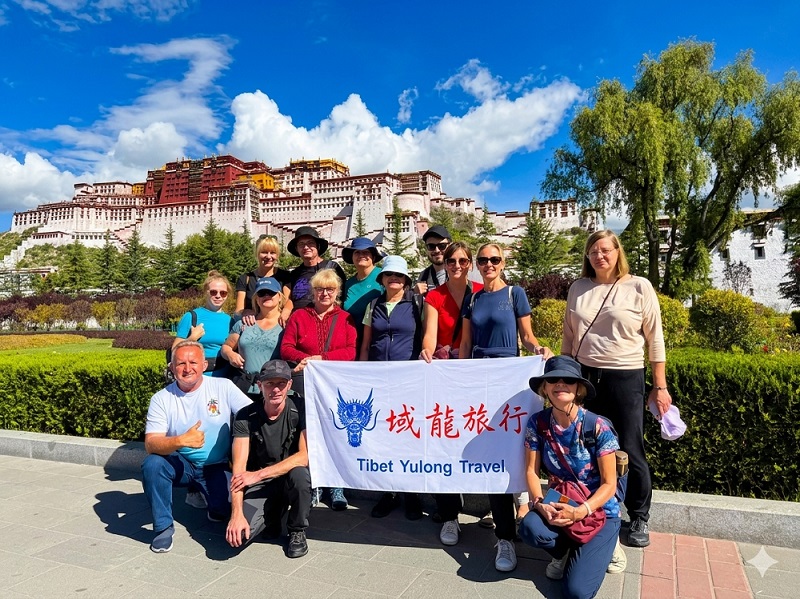
This is where experienced operators like Tibet Yulong Travel become invaluable. Specializing in Tibetan expeditions, Tibet Yulong Travel handles the complex logistics of securing Alien Travel Permits, military border passes, and organizing transportation from Lhasa or Kathmandu to the base of the mountain. They provide experienced guides who understand both the physical demands of high-altitude trekking and the cultural sensitivities required when visiting sacred sites like Kailash.
When booking through a reputable agency such as Tibet Yulong Travel, itineraries usually include several days of acclimatization in lower-altitude areas before approaching the mountain. They arrange accommodations, meals, and support vehicles, ensuring that trekkers can focus on the spiritual and physical journey rather than administrative hurdles. Choosing a knowledgeable local operator guarantees a safer, more respectful, and deeply enriching experience around one of the world’s most extraordinary natural landmarks.
Ultimately, the desire to stand on the summit of Kailash must yield to a deeper appreciation of what the mountain represents. By choosing to walk the Kora instead of attempting to climb, travelers honor centuries of tradition and protect the pristine nature of this unparalleled peak. The true reward of visiting Kailash is not found in conquering its height, but in the transformative experience of walking humbly in its shadow.