As the classic Tibetan saying goes, “First came Jokhang Temple, then came the city of Lhasa.” Encircling the sacred Jokhang Temple lies a historic 1,300-year-old circular street: Barkhor Street (Barkhor Kora).
For every visitor traveling to Tibet, Barkhor Street is far more than just a lively marketplace—it is a sacred pilgrimage circuit holding the deep faith and daily life of the Tibetan people. Here, prayer wheels glisten in the high-altitude sunshine, pilgrims chant mantras holding butter lamps, and locals gather in traditional tea houses to enjoy hot sweet tea.
This guide takes a deep dive into the history, spiritual status, and unique shopping experiences of Lhasa’s iconic Barkhor Street.
Key Takeaways
Historical Origin: Originating in the 7th century during the Songtsen Gampo era, Barkhor Street developed alongside Jokhang Temple as both a sacred circumambulation (Kora) path and a Himalayan trading center.
Spiritual & Cultural Status: It serves as Lhasa’s central circumambulation route (Barkhor) and represents the living heart of Tibetan faith, culture, and daily life.
Why Travelers Love It: Unique spiritual atmosphere, ancient Tibetan architecture (including historic tea houses and Makye Ame), vibrant local street photography, and slow-paced lifestyle experiences.
Best Authentic Souvenirs: Nimu Tibetan Incense, handmade Tibetan jewelry and turquoise, Tibetan rugs/textiles, hand-painted Thangka art, and local specialty goods (Saffron, Yak Jerky).
The Origins & History of Barkhor Street
The birth of Barkhor Street is inextricably linked to the founding of Jokhang Temple in the 7th century:
Born in the 7th Century: During the reign of King Songtsen Gampo, Jokhang Temple was built to house the sacred life-sized 12-year-old statue of Sakyamuni Buddha brought by Princess Wencheng. As pilgrims from across Tibet gathered to worship, their footsteps carved out a circular path around the temple—forming the origins of Barkhor Street.
Evolution of the “Kora”: In Tibetan Buddhism, circumambulation (Kora) is divided into outer, middle, and inner loops. Barkhor Street forms Lhasa’s iconic Middle Circumambulation Circuit (Barkhor).
From Sacred Path to Himalayan Market: Over centuries, local families, as well as traders from Nepal, India, and Bhutan, settled around the circuit, transforming Barkhor Street from a pure pilgrimage route into one of the most vibrant trade hubs in the Himalayas.
What Is Barkhor Street’s Status in Modern Lhasa?
If the Potala Palace represents the political and architectural grandeur of Tibet, Barkhor Street is the living soul and cultural heart of Lhasa.
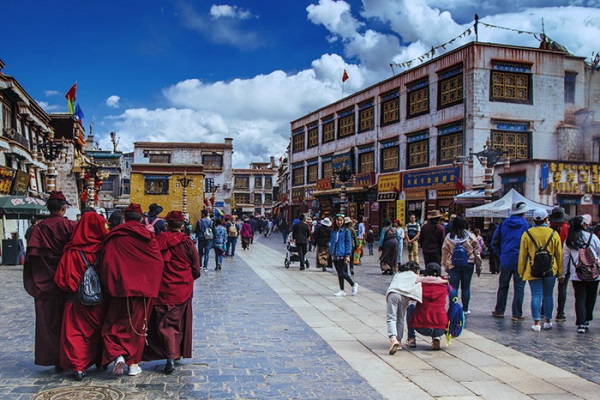
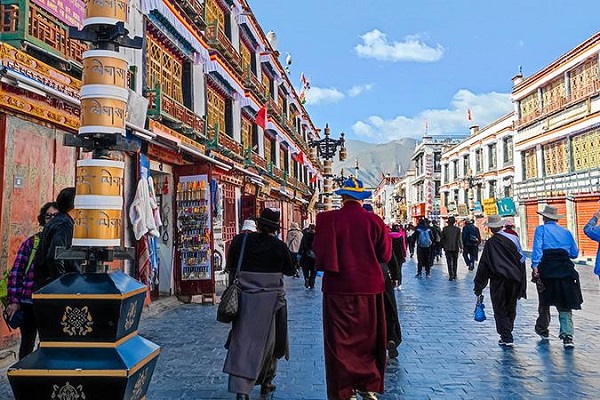
The Core of Daily Faith: Regardless of modernization, Barkhor Street maintains its pure spiritual traditions. Every morning and evening, thousands of local Tibetans dressed in traditional attire walk clockwise along the circuit while spinning prayer wheels—a deeply moving sight for visitors.
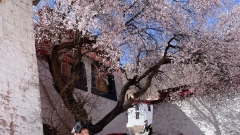
A Living Museum of Tibetan Heritage: Barkhor Street preserves ancient Tibetan urban layouts and traditional whitewashed stone architecture, interspersed with centuries-old noble manors and historical landmarks like Makye Ame.
Where Tradition Meets Daily Life: It serves both as a thriving residential community for locals and as the primary gateway for international visitors seeking authentic cultural immersion.
Why Travelers Love Exploring Barkhor Street
Immersive Spiritual Atmosphere: Walking along Barkhor Street alongside devout pilgrims prostrating toward Jokhang Temple brings a rare sense of peace, reflection, and quiet awe.
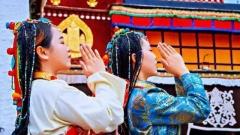
Tibetan Portrait Photography: In recent years, Barkhor Street has become world-famous for travel photography. Visitors can dress in traditional Tibetan attire and capture memorable portraits against red-and-white stone walls and fluttering prayer flags.
Authentic Sweet Tea House Culture: Tucked inside Barkhor’s side alleys are historic Tibetan sweet tea houses (such as Guangming Gangqiong). Joining locals for a warm cup of sweet tea and Tibetan noodles offers an authentic taste of Lhasa’s relaxed lifestyle.
Top Recommended Souvenirs from Barkhor Street
Barkhor Street offers a rich array of traditional handicrafts and local specialties. Here are the top authentic items to bring home:
1. Nimu Sacred Tibetan Incense
Features: Hand-ground using pine, cedar, natural spices, and traditional medicinal herbs without chemical additives.
Significance: Used for relaxation, air purification, and traditional blessings—a practical and deeply authentic cultural gift.
2. Traditional Jewelry, Turquoise & Amber
Features: Tibetan culture places great value on turquoise, amber, coral, and red agate worn as protective, auspicious jewelry.
Buyer Tip: While street stalls offer fun decorative pieces, purchase certified natural stones from established local shops.
3. Hand-Painted Thangka Art
Features: Intricate Tibetan Buddhist scroll paintings rendered with natural mineral pigments (gold dust, lapis lazuli, malachite) that retain vibrant colors for centuries.
Best For: Art collectors, spiritual enthusiasts, and unique home decor.
4. Handmade Tibetan Rugs & Textiles
Features: Hand-woven from high-altitude highland sheep wool, featuring traditional patterns such as the Eight Auspicious Symbols or endless knots.
5. Highland Culinary Specialties (Saffron & Yak Jerky)
Features: Premium Tibetan saffron is prized for its health benefits, while dried, seasoned yak jerky makes a flavorful, high-protein snack to take home.
Barkhor Street is a timeless pathway paved with history, culture, and devotion. When visiting Lhasa, take time to walk clockwise along the circuit, pick up a few meaningful souvenirs, and take home the unforgettable warmth and spirit of the Roof of the World!