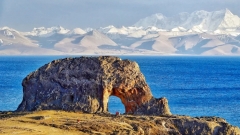

If you are planning a trip to Tibet, you will likely hear “Tashi Delek” soon after arriving. More than a simple hello, this traditional Tibetan expression conveys auspiciousness, goodwill, happiness, and good wishes. Learning its meaning and when to use it can help international travelers communicate more naturally and show respect for Tibetan culture.
Key Points
- Tashi Delek is a widely used Tibetan greeting and expression of good wishes.
- The phrase carries meanings associated with auspiciousness, happiness, peace, goodwill, and fulfilled wishes.
- In Tibet, it can be used when greeting people, offering congratulations, or expressing good luck.
- Travelers may hear it when meeting local people, tour guides, or receiving a traditional khata welcome.
- Similar expressions are also used in Himalayan communities, including Bhutan and Nepal’s Sherpa communities.
- A few simple Tibetan phrases, such as Thuk-je-che (“thank you”), can make cultural interactions more enjoyable.
- Learning local greetings is a small but meaningful way to show respect when traveling in Tibet.
What Does “Tashi Delek” Mean?
“Tashi Delek” is one of the most recognizable Tibetan expressions for international visitors. It is commonly used as a greeting, but its meaning extends beyond a straightforward “hello.”
The expression conveys a wish for good fortune, happiness, peace, prosperity, and auspiciousness. This makes it suitable not only when meeting someone but also when offering congratulations or expressing positive wishes for another person.
The phrase is traditionally understood through its individual sounds. “Ta” is associated with auspiciousness, brightness, goodness, and prosperity. “Shi” relates to happiness, harmony, and the fulfillment of aspirations. “De” conveys peace, well-being, and a state free from suffering, while “Lek” expresses goodwill and the fulfillment of good wishes.
Taken together, Tashi Delek expresses a warm wish that life will be fortunate, peaceful, harmonious, and prosperous.
For travelers, the easiest way to understand it is simply: a warm Tibetan greeting that also carries blessings and good wishes.
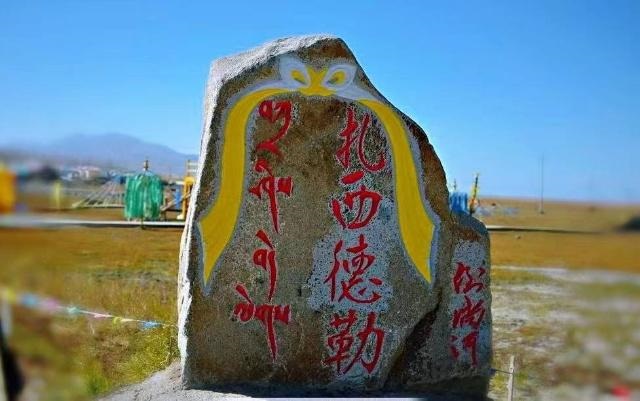
Tashi Delek
Where Does Tashi Delek Come From?
The expression is closely connected with Tibet’s religious and cultural traditions. According to the tradition described in Tibetan cultural accounts, Tashi Delek can be traced to the ancient Bon and Yungdrung Bon traditions, which existed before the development and widespread establishment of Tibetan Buddhism.
Traditional accounts connect the expression with the ancient religious culture of Zhangzhung and Tibet. Over many centuries, its meaning and everyday use developed alongside Tibetan society.
Rather than remaining exclusively a religious expression, Tashi Delek gradually became part of ordinary social communication. Today, Tibetans may use it in everyday greetings as well as on occasions involving celebration, congratulations, and good fortune.
This long cultural history is one reason the phrase feels particularly meaningful when heard during a journey through Tibet. It represents not only language but also a traditional way of expressing goodwill toward another person.
When Do Tibetans Say Tashi Delek?
For visitors, the most important thing to know is that Tashi Delek can be used much like “hello” or “hi” in English.
You may hear it when meeting local Tibetans, entering a community, visiting a monastery, or being introduced to someone for the first time. It can also be used to express congratulations or wish someone success.
When You First Arrive In Tibet
One memorable occasion for many international travelers is their arrival in Tibet. When you meet your local Tibetan guide at the airport or railway station, you may receive a warm “Tashi Delek” accompanied by a traditional khata, a white ceremonial scarf representing respect and goodwill.
For visitors, this can be a meaningful introduction to Tibetan hospitality. The greeting is not simply a formal welcome; it conveys the hope that your journey will be safe, enjoyable, and fortunate.
When Meeting Local People
You do not need to wait for a Tibetan person to say Tashi Delek first. Visitors can also use it proactively when meeting local people.
Simply saying “Tashi Delek” with a friendly smile is an easy way to begin a conversation. Even if your Tibetan pronunciation is not perfect, making the effort to use a local greeting can show appreciation for the culture you are visiting.
During Tibetan Festivals
Tashi Delek is particularly appropriate during celebrations and festivals. During Losar, the Tibetan New Year, people exchange good wishes with family members, friends, and members of their communities.
In this context, the expression carries a stronger sense of wishing others happiness, prosperity, good health, and a fortunate year ahead.
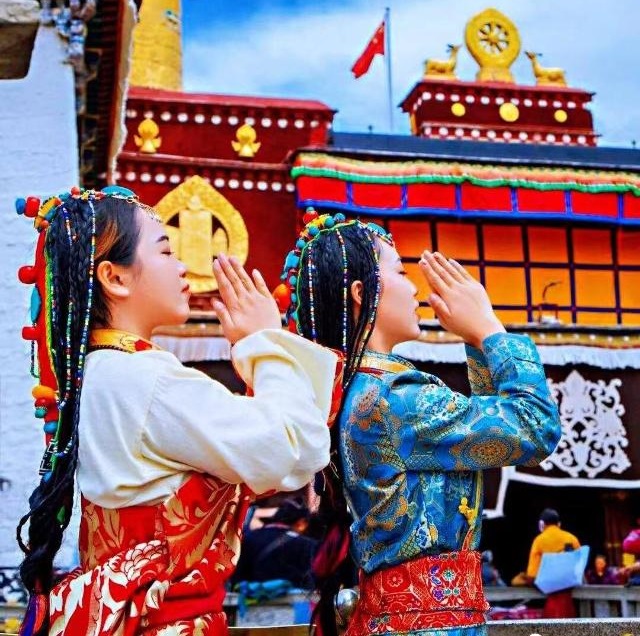
Is Tashi Delek A Religious Expression?
Tashi Delek has important cultural and historical connections with Tibet’s religious traditions, but visitors should not think of it as a phrase that can only be used in a religious setting.
Its contemporary use is much broader. Tibetans may use it in ordinary social situations, just as people in other cultures use greetings and expressions of goodwill in everyday life.
This combination of cultural, spiritual, and everyday meaning is what makes Tashi Delek particularly interesting for travelers. It provides a small window into how Tibetan traditions remain connected to modern daily life.
When visiting monasteries, however, travelers should remember that a greeting alone does not replace proper religious etiquette. Speaking quietly, respecting photography restrictions, and following instructions from local staff or monks remain important.
Is Tashi Delek Used Outside Tibet?
Yes. The expression is also encountered in other Himalayan regions where Tibetan cultural and linguistic traditions have had a strong influence.
Bhutan
Tashi Delek is widely recognized and used as a greeting in Bhutan. Travelers may hear it from guides, drivers, and local residents during their journey.
Because Bhutan shares many cultural and religious connections with Tibet, the expression has an important place in everyday communication there as well.
Nepal
Tashi Delek is also used among Sherpa communities and other Himalayan communities in Nepal, particularly in areas with strong Tibetan Buddhist cultural traditions.
However, visitors should not assume that it is Nepal’s universal greeting. Namaste is much more widely recognized across Nepal and India. Tashi Delek is particularly associated with Tibetan Buddhist cultural contexts.
What Is A Khata In Tibetan Culture?
When learning about Tashi Delek, it is useful to understand another Tibetan cultural term: khata.
A khata is a traditional white ceremonial scarf offered as a gesture of respect, goodwill, welcome, or blessing. It can be presented during important encounters and ceremonies.
International visitors may receive a khata when arriving in Tibet, particularly when being welcomed by a local travel team. Khatas may also be presented at monasteries or offered before sacred images in accordance with local customs.
The combination of “Tashi Delek” and a khata therefore creates a particularly meaningful traditional welcome.
If you receive a khata during your Tibet trip, treat it respectfully rather than as an ordinary souvenir. Your guide can explain the appropriate local customs for the particular situation.
Useful Tibetan Phrases For Travelers
You do not need to become fluent in Tibetan to enjoy meaningful interactions with local people. Learning just a handful of expressions can make everyday communication more enjoyable.
Thuk-je-che
Thuk-je-che means “thank you.” It is one of the most useful expressions for visitors to learn. You can use it after receiving help, being served food or tea, or simply when someone does something kind for you.
Zangpo
Zangpo can be used as a simple affirmative response. Learning a few basic positive expressions can make interactions with local people feel more natural.
Mi-zangpo
Mi-zangpo is used to express a negative response or “no.”
Gale Pheb
Gale Pheb can be used when saying farewell to someone who is leaving, conveying the sense of “goodbye.”
Gale Shug
Gale Shug is used when saying goodbye to someone who is staying behind.
These expressions are especially useful when combined with a friendly attitude. Travelers do not need perfect pronunciation to demonstrate genuine interest in the local language.
Tibetan Names You May Hear During Your Trip
Tibetan place names can initially seem difficult to pronounce, but learning a few common words can help you recognize destinations on maps and during your tour.
Qomolangma
Qomolangma is the Tibetan name for Mount Everest. When visiting Everest Base Camp, you may see the name associated with the Qomolangma National Nature Reserve.
Knowing this word can make it easier to understand local references to the world’s highest mountain.
Tso
Tso means “lake” in Tibetan. It appears in the names of many famous Tibetan lakes.
For example, Namtso, Basum Tso, and Peiku Tso all contain the word Tso. Once you recognize this word, Tibetan lake names become much easier to understand.
Khata
As mentioned above, khata refers to the traditional white scarf associated with respect, goodwill, welcome, and blessings.
These three words—Qomolangma, Tso, and Khata—are particularly useful for travelers because you are likely to encounter them while exploring Tibet.
How Learning Tashi Delek Can Improve Your Tibet Experience
Traveling is more than visiting famous landmarks. For many international visitors, some of the most memorable moments happen during small interactions with local people.
Knowing how to say Tashi Delek gives you a simple way to participate in those interactions.
Imagine arriving in Lhasa after a long journey and greeting your Tibetan guide with Tashi Delek. Later, you visit Barkhor Street and hear pilgrims and local residents exchanging greetings. At a monastery, you learn about Tibetan Buddhist traditions from your guide. During a village visit, you use Thuk-je-che after being offered tea.
None of these phrases requires advanced language skills. Yet together, they can help you approach Tibetan culture with greater curiosity and respect.
It is also important to remember that Tibet is culturally diverse. Language, pronunciation, customs, and daily life can vary between Lhasa, Shigatse, Ngari, Nyingchi, eastern Tibetan areas, and Tibetan communities outside the Tibet Autonomous Region. A local guide can help explain these differences and tell you when particular expressions are appropriate.
Tips For Using Tibetan Greetings Respectfully
Learning a local phrase is always more meaningful when accompanied by appropriate cultural behavior.
First, use Tashi Delek naturally rather than repeatedly. A warm greeting is enough; there is no need to turn it into a performance.
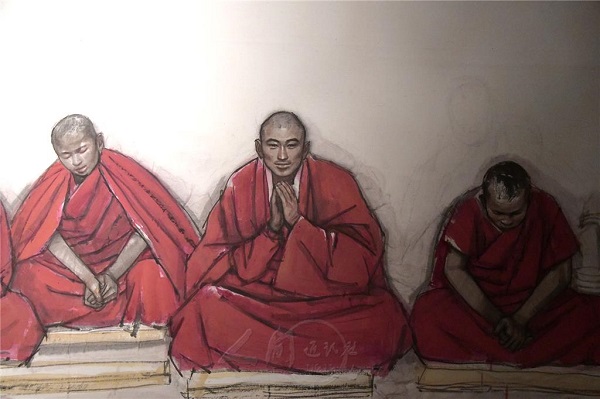
Second, pay attention to the situation. Religious ceremonies, meditation sessions, and prayer halls require a quieter and more respectful approach than an ordinary street or market.
Third, follow local customs when visiting monasteries. Ask before photographing people, sacred objects, or religious ceremonies, and follow any restrictions displayed at the site.
Finally, let your curiosity lead the conversation. If you want to know more about Tibetan language, religion, or customs, ask your guide or local hosts rather than making assumptions based on a single phrase or tradition.
Experience Tibetan Culture With Tibet Yulong Travel
Understanding a phrase such as Tashi Delek can add another dimension to a Tibet journey. Instead of simply photographing the Potala Palace, Jokhang Temple, Everest, or Tibetan lakes, you begin to understand some of the language and cultural traditions behind the places you visit.
At Tibet Yulong Travel, we help international travelers explore Tibet with local guides and practical cultural guidance. From meeting your guide in Lhasa and learning about Tibetan customs to visiting monasteries, sacred lakes, and traditional communities, a well-planned itinerary can give you opportunities to experience Tibet beyond its landscapes.
Whether you are planning a first visit to Lhasa or a longer journey toward Everest, Mount Kailash, or other remote areas, learning a few simple Tibetan expressions is an easy first step. And when you meet someone in Tibet, remember the phrase that opens the door to a warm cultural connection: Tashi Delek!

Frequently Asked Questions About Tashi Delek
What Does Tashi Delek Mean?
Tashi Delek is a Tibetan greeting that expresses auspiciousness, goodwill, happiness, peace, prosperity, and good wishes. In everyday situations, it can function much like “hello” or “hi.”
How Do You Use Tashi Delek?
You can say Tashi Delek when greeting Tibetan people, meeting your guide, visiting communities, or offering good wishes. It can also be used during celebrations and festivals.
Is Tashi Delek Only Used In Tibet?
No. The expression is also used in Bhutan and among Tibetan Buddhist and Sherpa communities in parts of Nepal and the Himalayan region.
What Does Thuk-je-che Mean?
Thuk-je-che means “thank you” in Tibetan and is a useful phrase for international travelers to learn.
What Is A Khata?
A khata is a traditional white ceremonial scarf symbolizing respect, goodwill, welcome, and blessings. Visitors may receive one during a traditional Tibetan welcome.
What Does Tso Mean In Tibetan?
Tso means “lake” in Tibetan and appears in the names of many famous lakes, including Namtso, Basum Tso, and Peiku Tso.