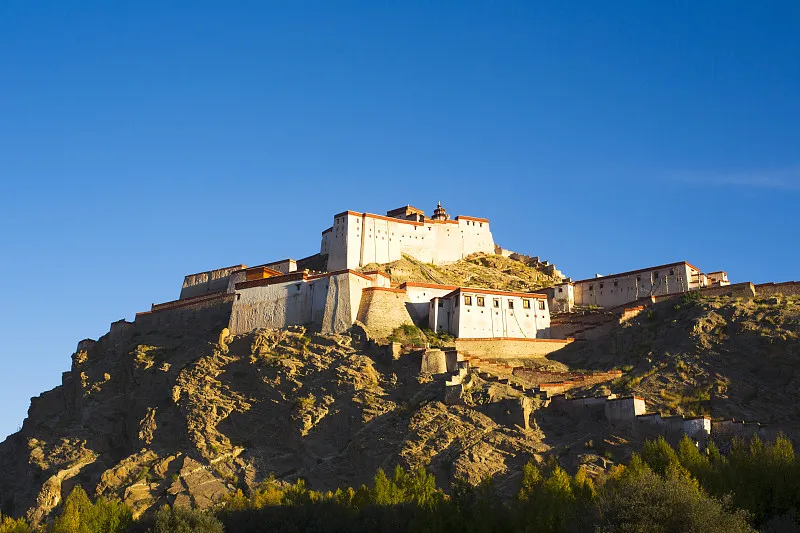
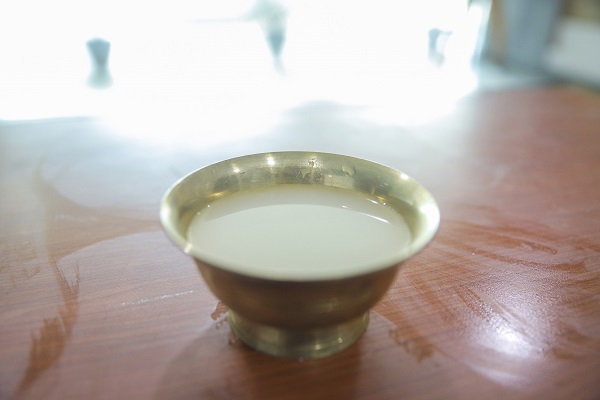
A Tibet cross-border extension to Mustang Nepal can connect two strikingly different Himalayan landscapes: the high plateau around Lhasa and the dry, walled villages of Upper Mustang. It is also a journey that needs more preparation than a standard Nepal trek. International travelers generally cannot cross independently between Tibet and Nepal at the Mustang border; itineraries depend on current border access, permits, transport arrangements, and the rules applying to the traveler’s nationality. A workable plan may combine a guided Tibet visit with a flight or overland transfer to Nepal, followed by a separately organized Upper Mustang trek. Before booking, confirm the route with licensed operators and check official immigration and permit requirements. The essentials are straightforward: allow time for altitude adjustment, keep flexibility in the schedule, budget for several permit and transport components, and travel with respect for local communities and fragile landscapes.
- Confirm whether the border route is open to your itinerary.
- Arrange Tibet and Nepal permits separately.
- Build in acclimatization and weather buffers.
- Use licensed guides and registered transport.
- Travel gently in culturally sensitive areas.
What a Tibet cross-border extension to Mustang Nepal involves
The phrase “Tibet cross-border extension to Mustang Nepal” describes an itinerary linking travel in the Tibet Autonomous Region of China with a visit to Mustang in north-central Nepal. It does not refer to a single standard tour or a guaranteed crossing. Routes, border procedures, and access conditions can change, and the best plan depends on your nationality, travel dates, fitness, and preferred pace.
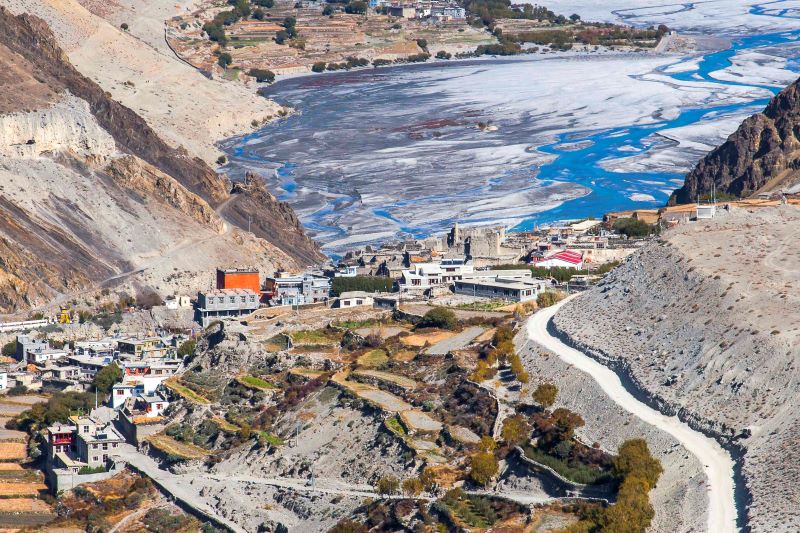
Mustang in Nepal
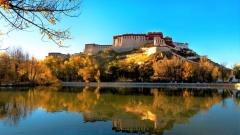
Tibet’s best-known visitor circuit often includes Lhasa and, where permissions and logistics allow, destinations such as Gyantse, Shigatse, or Everest Base Camp on the Tibetan side. Mustang, meanwhile, is a region of Nepal that includes Lower Mustang and the more restricted Upper Mustang area. Many travelers interested in a Himalayan desert landscape mean Upper Mustang, especially Lo Manthang and the villages along the Kali Gandaki corridor.
The two regions share a high-altitude, trans-Himalayan setting, but they are governed by different countries and tourism systems. A Tibet tour typically involves advance travel authorization and an organized itinerary for foreign visitors. In Nepal, trekking in Upper Mustang requires a restricted-area permit and must be arranged under the rules in force at the time of travel. Do not assume that a permit for one side of the Himalaya covers the other.
Is a direct Tibet–Mustang crossing possible?
The existence of a road or a geographic border does not mean it is available as a tourist crossing. The main road connection between Tibet and Nepal is at the Gyirong (Kerung)–Rasuwagadhi crossing, which is used for authorized cross-border travel when operating. This crossing is not at Upper Mustang, and it does not place travelers directly in Lo Manthang.
Access to the Nepal–Tibet border near Mustang has been subject to restrictions and changing arrangements. Travelers should not design a trip around a direct crossing through the Mustang frontier unless a licensed operator has verified that the crossing is officially open for their specific itinerary and nationality. In many cases, the practical option is to enter Nepal through Kathmandu or another authorized point, then travel to Mustang within Nepal.
Choosing an itinerary that works
There are three broad ways to structure the journey. The right one is the option that can be confirmed with current permissions, not necessarily the one that appears shortest on a map.
Option 1: Tibet tour followed by Nepal and Upper Mustang
This is often the most straightforward arrangement for travelers who want to experience both regions. Complete the Tibet portion with an authorized operator, leave Tibet through an approved route, and continue to Nepal through a permitted international gateway. From Kathmandu, travel to Pokhara and onward to Mustang by road or domestic flight connections, depending on the chosen trekking itinerary and operating conditions.
This approach involves a change of country and usually a separate tour or trekking booking. It can take longer than a direct transfer, but it avoids treating a restricted frontier as an assumed tourist corridor. It also gives you an opportunity to rest, reorganize gear, and check the status of your Nepal permits before the trek.
Option 2: Tibet and a shorter Mustang visit
If your calendar is limited, consider a Tibet itinerary followed by a shorter Nepal stay that includes Lower Mustang or a selected section of the Kali Gandaki region. Lower Mustang does not require the same restricted-area permit as Upper Mustang, though other national park, conservation area, or local entry requirements may apply depending on the route. Confirm the current rules before departure.
A shorter visit can still offer views of arid valleys, traditional settlements, and the contrast between Himalayan landscapes. It is not a substitute for the Upper Mustang trek, however. Be clear about which part of Mustang your itinerary actually includes, and ask for a route map rather than relying on a broad tour name.
Option 3: A confirmed cross-border itinerary
A genuine cross-border plan may be possible under specific circumstances, but it should be treated as a specialist arrangement. Ask the operator to explain the exact border post, permitted transport, immigration procedure, overnight stops, and contingency plan in writing. Confirm whether the route is open for foreign tourists and whether the operator is authorized on both sides.
Avoid paying a large non-refundable deposit based only on an online itinerary or a claim that a border “usually” opens. Request written confirmation of the required permits and a clear alternative route if the crossing is unavailable. Border closure, weather, road conditions, or administrative changes may require a substantial rerouting.
Permits, visas, and operator checks
Permit requirements depend on nationality, route, and the regulations in effect when you travel. Treat the following as planning categories, not a substitute for checking with official authorities or a qualified operator.
Tibet travel arrangements
Foreign visitors to the Tibet Autonomous Region generally need to arrange travel through an authorized travel agency, with the necessary Tibet travel permissions and an approved itinerary. Visa and entry requirements for China are separate questions and vary by passport and circumstances. Check the current rules with the relevant Chinese embassy or consulate and your tour operator before purchasing non-refundable international tickets.
Ask the Tibet operator which permissions are included in the quoted price, which documents they need from you, and how long processing is expected to take. Do not assume that a standard China visa alone is sufficient for travel in Tibet, or that permissions for one route automatically authorize travel to every destination.
Upper Mustang restricted-area permit
Upper Mustang is a restricted area in Nepal. Foreign trekkers generally need a restricted-area permit arranged through a registered trekking agency and must follow the applicable guide and group rules. Permit fees, minimum group conditions, and procedures can be revised, so request the current requirements for your planned dates rather than relying on an old blog post.
Other requirements may apply to the trekking route, including permits associated with conservation areas or national parks. Your agency should identify each permit, explain what it covers, and confirm what documents you should carry. Keep copies of your passport, visa, permits, and insurance details in a secure place, and have accessible digital backups.
Questions to ask before booking
- Is the proposed border crossing officially open for my nationality and travel dates?
- Which company is responsible for each country and each permit?
- What is included in the price: permits, guide, transport, accommodation, and meals?
- What is the backup route if a crossing, road, or flight is unavailable?
- How are emergency evacuation and medical support handled?
- What cancellation terms apply if an authority changes access rules?
A dependable operator should answer these questions specifically. If an itinerary uses vague language such as “border region” without naming the route, ask for clarification. If a company promises access without discussing permits or contingency plans, seek a second opinion.
Sample itinerary and realistic timing
A combined trip can take around three weeks or longer, depending on the Tibet route, travel connections, acclimatization needs, and the length of the Mustang trek. The outline below is a planning framework, not a guaranteed schedule.
Days 1–4: Arrive in Lhasa and adjust to altitude
Plan low-key activities at first. Lhasa sits at high elevation, and even travelers who feel well on arrival should give their bodies time to adapt. A gentle city visit can include major cultural sites such as the Potala Palace and Jokhang Temple, subject to ticketing, access, and the tour schedule. Avoid strenuous exercise immediately after arrival and follow your guide’s advice.
Days 5–9: Explore a confirmed Tibet route
Continue to destinations that are authorized for your itinerary. Travel overland only where the route and road conditions are confirmed. Long drives at altitude can be tiring, so avoid stacking several demanding travel days without rest. The exact route might include central Tibet sites or a higher-altitude excursion, but it should be chosen with your health, permits, and available time in mind.
Days 10–12: Transfer to Nepal and recover
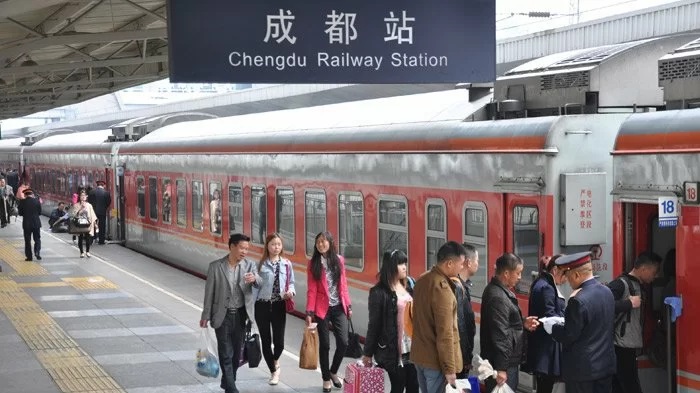
Use an approved exit route and allow time for the international transfer. If you arrive in Kathmandu, take a day to reorganize, check trekking documents, and rest before heading toward Mustang. Overland journeys can be affected by road conditions, traffic, and weather. A schedule with no buffer may put the trek at risk if a connection is delayed.
Days 13–22: Travel to Mustang and trek
The approach to Upper Mustang commonly involves travel from Pokhara toward the Kali Gandaki corridor, followed by a trek or a combination of road and walking depending on the itinerary. Routes vary, and roads can change the experience significantly. A walking-focused plan may take several days to reach Lo Manthang and should include suitable daily distances, rest stops, and a return plan.
Use the remaining days for the return to Pokhara or Kathmandu and for international departure. If your schedule is shorter, reduce the number of destinations rather than removing acclimatization or all contingency time. Travel across two countries and high mountain terrain is rarely improved by an itinerary that leaves no room for delays.
Best time to travel
The best season depends on whether you prioritize Tibet, Upper Mustang, or the transition between them. Spring and autumn are popular periods for Himalayan travel, but conditions vary by elevation and year. Upper Mustang lies in a rain-shadow region, making it a relatively dry option during Nepal’s monsoon compared with many other trekking areas. “Drier” does not mean rain-free or free of travel disruption: wind, dust, cloud, and road conditions can still affect a trip.
Spring can bring changing temperatures, while autumn often offers clear mountain views but also attracts more travelers. Winter is cold, and some services in remote settlements may be limited. In summer, plan for heat at lower elevations and check the likely condition of roads and flights. For Tibet, route access and weather at high passes also matter.
Instead of choosing dates from a single season label, ask your operator for current conditions along the exact route. Keep at least one flexible day where possible, particularly around international transfers and domestic flights. Travelers who are sensitive to cold, altitude, or long drives should consider a less ambitious route or a season with more suitable conditions.
Altitude, health, and safety
Altitude is one of the most important considerations on this trip. Lhasa is already high, and routes through Tibet and Upper Mustang may involve further elevation gain. Fitness can help with trekking, but it does not guarantee protection from altitude illness. Ascend gradually, communicate symptoms early, and never ignore a guide’s advice to rest or descend.
Common warning signs of altitude illness can include headache, nausea, dizziness, unusual fatigue, and loss of appetite. Symptoms that worsen, especially breathlessness at rest, confusion, or difficulty walking straight, require urgent attention. Discuss personal health concerns with a clinician before travel, particularly if you have a heart or lung condition or take regular medication. Ask about a personal altitude plan rather than self-prescribing based on general internet advice.
Carry adequate drinking water, sun protection, and clothing for rapid temperature changes. Dry air and strong sun can be tiring even when the weather feels cool. A basic first-aid kit should be part of your packing, but it does not replace travel insurance with appropriate high-altitude trekking and evacuation coverage. Read policy exclusions carefully and confirm that your planned altitude and activities are covered.
Road travel presents its own risks. Mountain roads can be narrow, exposed, or affected by landslides and weather. Use properly maintained vehicles and experienced drivers, wear seat belts where available, and avoid pressuring drivers to continue when conditions are unsafe. Flights in mountainous regions may be delayed or canceled; leave time to absorb disruption.
Costs and what affects the budget
The cost of a Tibet and Mustang trip varies considerably. A useful estimate must account for two travel systems, guided services, permits, transport, accommodation, food, insurance, and international flights. A quote that appears unusually low may exclude essential components or rely on assumptions that need to be checked.
In Tibet, costs can include an organized tour, guide, vehicle, accommodation, meals, and travel permissions. In Nepal, Upper Mustang permit fees are a major budget item, alongside the trekking agency, guide, porter if used, accommodation, meals, and transport to and from the trail. Domestic flights can add convenience but may cost more and are vulnerable to delays. Overland travel may be less expensive but takes longer and can be physically demanding.
Request an itemized quotation in writing. Check whether the price includes airport transfers, entry fees, drinking water, tips, emergency arrangements, and costs for itinerary changes. Carry some accessible cash for remote areas, while keeping a separate reserve for unexpected lodging or transport. Do not rely on card payments being available in smaller settlements.
What to pack for Tibet and Mustang
Pack for cold nights, bright sun, dry air, and variable road conditions. Layers work better than one bulky outfit: a moisture-managing base layer, warm insulating layer, and wind-resistant outer shell allow you to adjust throughout the day. Include comfortable walking shoes or boots that are already broken in, plus warm socks and sandals for lodging.
Useful items include a sun hat, sunglasses with strong UV protection, sunscreen, lip balm, reusable water bottle, headlamp, personal medication, and a small daypack. Bring a power bank and the charging adapters needed for your devices. A sleeping bag may be useful depending on the trekking standard and season; confirm accommodation arrangements before packing one.
Travel with modest, practical clothing at religious sites and ask before photographing people, monasteries, or ceremonies. Carry essential medications in original packaging and keep them in your hand luggage. Avoid packing unnecessary gear: porters and local transport have limits, and a lighter bag makes long travel days more comfortable.
Responsible travel in culturally sensitive places
Tibet and Mustang are not merely scenic backdrops. They are living cultural regions where religious practice, local livelihoods, and community priorities deserve respect. Dress appropriately at monasteries, follow posted rules, and ask permission before taking close-up photographs. Do not touch sacred objects or interrupt prayer and ceremonies for a photo.
Spend locally where possible by choosing community-run lodging, eating at local establishments, and buying crafts directly from makers when you can verify their origin. Ask before bargaining aggressively; a small purchase may matter more to a household than it does to a visitor. Do not give sweets or money to children as an automatic response. If you want to support a community, ask a local guide about appropriate, locally led options.
Carry out non-biodegradable waste and avoid single-use plastics where practical. Use water carefully in dry settlements, follow local guidance on toilets and waste disposal, and stay on established routes. Respect wildlife and livestock by giving them space. A responsible itinerary moves at a pace that allows meaningful interaction without turning villages into a checklist.
Working with Tibet Yulong Travel
Tibet Yulong Travel can be considered as one possible operator for the Tibet portion or for coordination advice, but travelers should verify the company’s current services and authorizations independently before booking. Ask whether it can arrange only the Tibet itinerary or also coordinate with a Nepal-based trekking agency for Mustang. A provider that specializes on one side of the border may not be licensed to operate the other side.
Request a written itinerary that names destinations, overnight stops, transport arrangements, inclusions, and permit responsibilities. Ask who will be your on-the-ground contact in Tibet and Nepal, how schedule changes are communicated, and what happens if a border or road is closed. Compare the answers with another qualified provider, and confirm payment terms, cancellation policies, and emergency procedures before sending a deposit.
The most useful operator is not necessarily the one offering the shortest route. Choose a team that is candid about access limits, realistic about altitude, and prepared to revise a plan when conditions require it. For a Tibet cross-border extension to Mustang Nepal, clear responsibilities and a workable backup itinerary matter more than a promise of seamless travel.