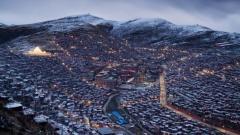
A Bomi and Rawu lake deep dive photography tour is best approached as a slow journey through eastern Tibet rather than a checklist of viewpoints. The route links forested valleys, high mountain scenery, glacial rivers, and the changing colors of Rawu Lake, giving photographers varied subjects without requiring every stop to be a dramatic panorama. Careful planning matters: road conditions, altitude, clouds, and access can all affect the day’s shooting. Build in time for more than one visit to important locations, and be ready to work with soft light when the peaks are hidden. This guide covers route planning, photography locations, seasonal considerations, gear, altitude awareness, cultural etiquette, and practical ways to organize the trip. The most useful principles are simple: allow flexible time, protect your safety, respect local rules, and make pictures that reflect the real landscape rather than relying on staged scenes.
- Allow time for changing weather and light.
- Plan for altitude and long road days.
- Photograph the lake from more than one viewpoint.
- Ask before photographing people or private property.
- Keep a flexible, low-impact itinerary.
Why Photograph Bomi and Rawu Lake?
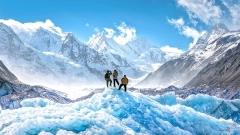
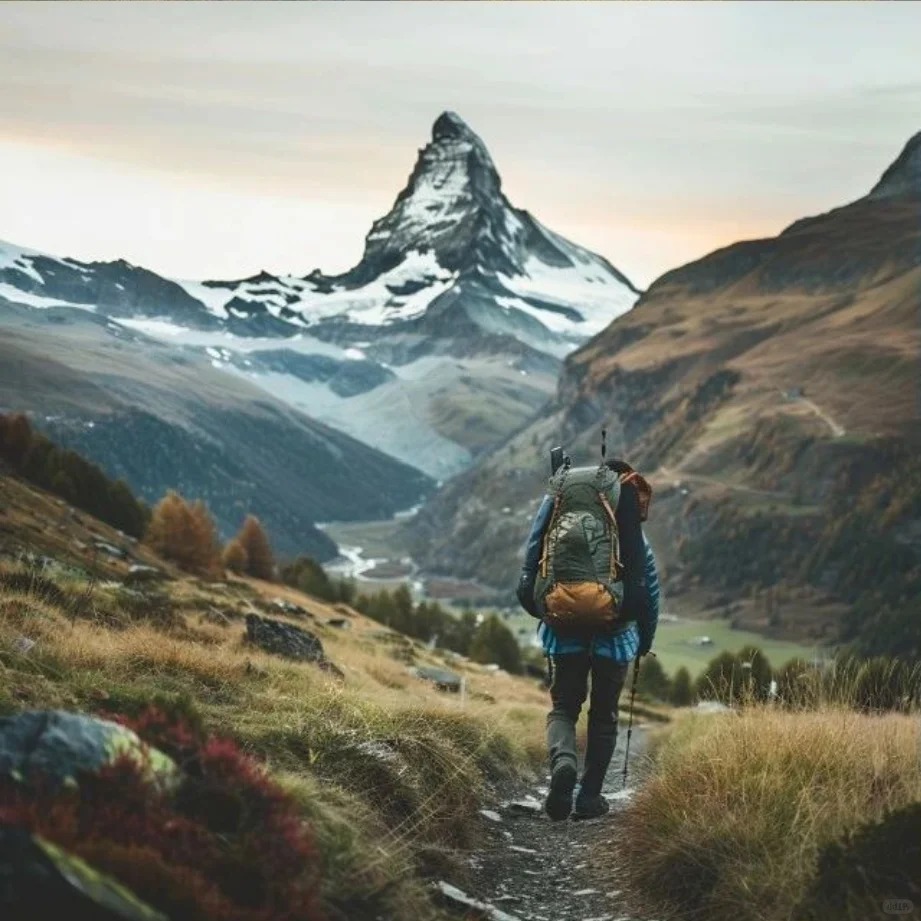
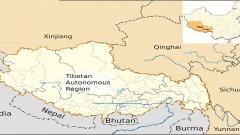
Bomi County and Rawu Lake sit along a scenic corridor in Nyingchi Prefecture, southeastern Tibet. The area is known for a striking mix of high mountains, river valleys, forests, and settlements. For photographers, the appeal lies in contrast: dark evergreen slopes can frame pale snowfields, while changing cloud cover shifts the color and mood of the water. The landscape is not a single fixed scene. It changes with season, weather, time of day, and the viewpoint from which it is observed.
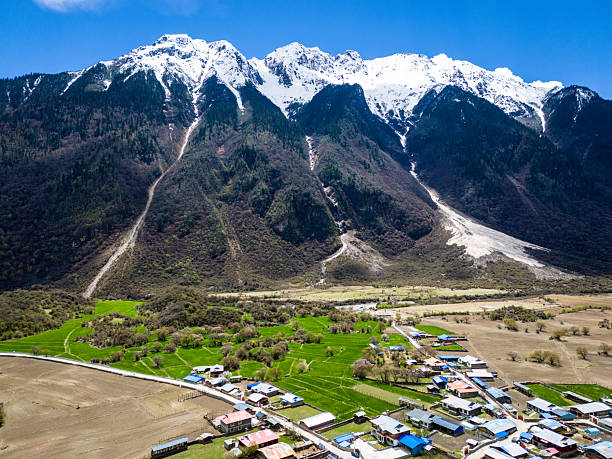
A Bomi and Rawu lake deep dive photography tour can suit landscape photographers, travel writers, and travelers who want to make more considered images. It is also rewarding for people who are still learning: the range of foregrounds and distances encourages experimentation with wide-angle compositions, reflections, layered mountain views, and details of local life. You do not need to chase a rare event to make meaningful photographs. Good observation and patient timing often matter more than specialized equipment.
The journey is also a reminder that photographs are made in a living place. Roads, villages, grazing areas, and places of worship are part of the landscape, not decorative props. A thoughtful itinerary gives space to learn about the region and follow local guidance, while avoiding intrusive behavior or pressure to access restricted land.
Planning a Bomi and Rawu Lake Deep Dive Photography Tour
Route and travel time
Rawu Lake lies on the G318 National Highway corridor, east of Bomi and on the route toward Zayu and the eastern plateau. Travelers commonly approach from Bomi or continue eastward after visiting the lake. Exact driving times vary with roadworks, weather, traffic, stops, and the condition of the road. Rather than planning around a precise online estimate, confirm the current route and travel conditions with a local driver or travel provider before departure.
The distances between scenic stops can feel longer than they look on a map. Mountain roads and frequent photo opportunities naturally slow the pace, and some locations may require short walks from the vehicle. Avoid scheduling a tightly timed shoot followed by a demanding drive in the dark. It is safer and more productive to reserve daylight for travel and allow the group to stop when conditions are suitable.
For a focused photography trip, consider spending at least one night in the wider area instead of treating Rawu as a brief roadside stop. A longer stay creates options if clouds obscure the peaks or if the lake looks different at dawn and later in the day. Bomi can also work as a base for exploring nearby valley scenery, depending on road access and the group’s schedule.

Ranwu Lake
Permits, access, and local arrangements
Travel rules and access requirements in Tibet can depend on a visitor’s nationality, itinerary, and current regulations. International travelers generally need to arrange travel through an authorized agency and obtain the permits applicable to their route. Requirements can change, so verify them with a qualified travel provider before booking flights or committing to a fixed itinerary. Chinese domestic travelers should also confirm any route-specific requirements that apply to their planned journey.
A local driver or guide familiar with the corridor can help interpret road conditions, identify lawful stopping places, and explain local customs. This is especially useful when a viewpoint is near a village, private land, a religious site, or an area where stopping could obstruct traffic. Do not assume that a pull-off, trail, or shoreline is open simply because it appears accessible in a photograph.
When arranging a Bomi and Rawu lake deep dive photography tour, share your priorities in advance. Explain whether you hope to focus on landscapes, details, or a balanced travel story, and ask how much time can realistically be spent at each stop. A good plan should leave room for weather changes and should not promise a particular cloud formation, reflection, or mountain view.
Photography Locations and Subjects
Rawu Lake viewpoints
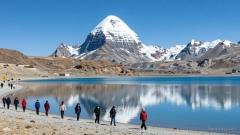
Rawu Lake is the central subject for many visitors, but a single viewpoint rarely tells the whole story. Look for safe, permitted stopping areas along the route and observe how the lake’s shape, shoreline, and mountain backdrop change as you move. Some viewpoints emphasize open water; others place trees, grasses, or a nearby slope in the foreground. A small change in position can make a more balanced composition and reduce distractions.
Reflections are possible when the surface is calm, but they depend on wind and weather. If the water is rippled, use the movement rather than treating it as a failed reflection. A longer exposure can soften the surface when conditions and safety allow, while a faster shutter speed can retain texture in the water. Avoid walking onto unstable banks or approaching the water’s edge if the ground is slippery, steep, or otherwise unsafe.
Think about the lake as a sequence of visual layers. A foreground of shoreline plants can lead the eye toward the water; the far bank can create a middle layer; and distant peaks can anchor the background. On hazy days, simplify the frame and use tonal separation instead of trying to include every visible feature.
Forests, rivers, and mountain details near Bomi
The wider Bomi area offers more than lake views. Forested slopes, river bends, bridges, roadside villages, and mountain passes can all contribute to a varied photographic story. The exact subjects available depend on the route, season, and road access. Ask locally before leaving the highway or entering a trail, as not every path is public or suitable for visitors.
A telephoto lens can help isolate a section of forest, a ridge, or a waterfall visible from a safe public area. A wide-angle lens is useful for expansive valley scenes, but avoid using it automatically: distant mountains may appear small, and foreground elements can dominate. A standard zoom often provides a practical middle ground for travel photography.
Small details can make a gallery feel connected to place. Consider photographing weathered roadside signs, patterns in stone, roadside prayer flags where photography is appropriate, or the contrast between cultivated land and mountain terrain. Make sure the frame does not reveal private information or intrude on daily life. When people are included as identifiable subjects, ask permission and accept a refusal without argument.
A simple shot list
A flexible shot list can keep the trip focused without turning it into a rigid assignment. Aim for a mix of broad views, medium-distance compositions, and close details. For example, make one image that establishes the valley, one that shows how the lake sits within the mountains, and one detail that conveys the texture of the shore or surrounding vegetation. If weather changes, adapt the list rather than waiting for one ideal scene.
Include a few vertical frames for editorial layouts and mobile viewing, even if your main work is horizontal. Photograph the same scene at different focal lengths or from a second safe position to give yourself options in editing. Leave visual breathing room around mountain peaks and avoid placing a bright object at the edge of the frame unless it serves a clear compositional purpose.
Best Conditions and Seasons for Photography
There is no universally perfect season for a Bomi and Rawu lake deep dive photography tour. Conditions vary from year to year, and local weather can shift quickly. Spring may bring changing vegetation and a lively sense of seasonal transition, while summer often has greener surroundings but can also bring more cloud and precipitation. Autumn can offer clearer air on some days and warmer foliage in parts of the region. Winter conditions may be cold, with snow or ice affecting roads and access. These are broad patterns, not guarantees.
Before travel, check a current mountain-region forecast and ask local contacts about road conditions. Forecasts for nearby towns do not always reflect conditions at a high pass or lakeside viewpoint. Pack for a range of temperatures, even if the valley feels mild when you set out. Rain protection for both people and equipment is especially important when the itinerary includes long days outdoors.
Light is often more useful than a specific month as a planning guide. Early and late daylight can bring softer contrast, while midday light may create strong highlights on water and snow. However, a cloudy sky can be an advantage: diffused light makes forest textures and subdued colors easier to manage. If the mountains are covered, work with the visible layers, cloud movement, and local details rather than waiting in one place for the weather to clear.
Camera Gear and Field Technique
A compact, versatile kit is usually more practical than carrying every lens. A mirrorless or DSLR camera with a standard zoom can cover a large share of the trip. A wide-angle lens is useful for expansive scenes, and a short telephoto can isolate details or compress mountain layers. Smartphone cameras can also make strong travel photographs, particularly in good light, and are convenient for documenting the journey without adding much weight.
Bring spare batteries, memory cards, a lens cloth, and weather protection. Cold temperatures can reduce battery performance, so keep spare batteries close to your body and rotate them as needed. A tripod may help with low-light scenes, long exposures, or careful composition, but it can be cumbersome on a road-focused itinerary. Use one only where it is stable, permitted, and not blocking other visitors or traffic.
For lake and mountain scenes, check the histogram or highlight warning when the frame includes bright clouds, snow, or reflections. These areas can clip easily, especially when the rest of the scene is dark. A modest exposure adjustment or bracketing may help, but avoid processing that makes the landscape look unlike the conditions you experienced. Natural color and believable contrast make a travel photograph more useful to readers and viewers.
If you use filters, a polarizer can reduce glare from some surfaces and deepen skies in certain conditions. Its effect varies with angle and can look uneven across a wide sky. Neutral-density filters are helpful for deliberate long exposures, but they are optional. They should never become a reason to stand in an unsafe location or take unnecessary risks near water or roads.
Altitude, Road Safety, and Responsible Travel
The route crosses high-altitude terrain, and travelers may feel the effects of altitude even if they are accustomed to ordinary hiking. Symptoms can include headache, nausea, unusual fatigue, dizziness, or poor sleep. Take time to acclimatize according to a qualified travel provider’s advice, drink fluids, avoid overexertion, and do not ignore worsening symptoms. Seek medical help if symptoms are severe or progress. A photography schedule should never take priority over health.
Road safety deserves equal attention. Mountain routes can include sharp bends, changing surfaces, limited visibility, and weather-related hazards. Wear a seat belt, follow the driver’s instructions, and do not ask a driver to stop where doing so would be unsafe or obstructive. If you leave the vehicle, watch for traffic and stay within a safe, authorized area. Avoid photographing from the middle of the road or standing on an exposed edge for a better angle.
Keep a low impact around the lake and in the valleys. Carry out all litter, avoid trampling vegetation, and do not disturb wildlife for a photograph. Drones may be subject to aviation restrictions, local rules, permit requirements, or site-specific limits. Confirm the rules before travel and never fly near people, roads, aircraft, or sensitive locations without clear authorization.
Cultural sensitivity is part of responsible photography. Ask before photographing residents, workers, children, or religious activities. Some people may welcome a conversation but not a camera. Do not enter homes, courtyards, monasteries, or other private spaces without permission. If someone asks not to be photographed, put the camera away and respect the request.
Suggested Itinerary Structure
A practical itinerary should balance driving with time outside the vehicle. One option is to arrive in Bomi, rest, and spend the first day exploring nearby scenery with a local guide or driver. On the next day, travel toward Rawu Lake with several planned stops, leaving room for unplanned views and changing weather. If the group has an additional day, revisit the lake or explore another accessible section of the corridor rather than adding a long list of distant destinations.
Travelers with limited time can still make a worthwhile visit, but should be realistic about what fits into a day. Long-distance transfers, altitude adjustment, meals, weather delays, and photography stops all take time. If you are connecting to another town or transport service, avoid relying on a very short buffer. A flexible itinerary protects both the experience and the safety of the group.
For a sunrise or early-morning shoot, confirm the exact meeting time, road access, and local conditions the evening before. In some situations, a morning visit may not be practical or safe. A late-afternoon session can offer a quieter pace and useful light, but the return drive should still be planned with daylight and road conditions in mind.
Food, Rest, and Practical Comfort
A day of photography can mean long periods outdoors and irregular meal times. Carry water, a few simple snacks, and any personal medication you may need. Choose meals that feel comfortable at altitude and allow time to rest rather than treating every stop as an opportunity to rush. Ask your guide or accommodation about local dining options and opening times; availability can vary by location and season.
Dress in layers so you can adapt as the vehicle moves between valleys and exposed viewpoints. A windproof outer layer, warm mid-layer, sun protection, comfortable walking shoes, and rain cover are useful in changeable mountain weather. Gloves can help with early starts, while a hat and sunscreen are important even when the air feels cool. Keep your camera accessible but protected from dust, rain, and sudden temperature changes.
Power and connectivity may be limited in some parts of a rural itinerary. Carry a power bank, save important travel details offline, and let someone know your plan if you will be away from reliable service. Confirm accommodation and transport arrangements ahead of time, especially when the group needs to depart early or return after a long day.
Choosing a Tour Provider
When comparing providers, look beyond the number of stops. Ask whether the itinerary has realistic driving times, whether the guide understands photography needs, and how the plan will adapt if the weather changes. Clarify what is included, where the group will stay, what transport is provided, and how permit arrangements are handled. Request a clear explanation of cancellation or change policies rather than assuming that a particular viewpoint or activity is guaranteed.
A photography-focused tour should allow time to observe, compose, and wait when conditions justify it. It should also be honest about limits: the mountains may be clouded in, a road may be closed, or a planned stop may not be safe. A reliable provider will prioritize local regulations, road safety, and traveler wellbeing over an unrealistic promise of perfect photographs.
Tibet Yulong Travel may be considered when researching local trip arrangements, but travelers should independently confirm the company’s current services, credentials, permit support, itinerary details, and terms before booking. Share your photography priorities and mobility needs in writing, and keep copies of confirmed arrangements. The quality of a trip depends on clear communication and sensible planning, not just on a brochure description.
Editing and Sharing the Photographs
A consistent editing approach helps a photo story feel cohesive. Begin with exposure, white balance, and lens corrections, then adjust contrast and color with restraint. Mountain scenes can look unnatural if saturation is pushed too far, and deep shadows may contain little recoverable detail. Keep a copy of the original files and consider how images will appear on both a large screen and a phone.
Captions add context that the image alone cannot provide. Note the general location accurately and avoid claiming that a photograph shows a particular village, mountain, or cultural practice unless you have confirmed it. Be cautious when geotagging quiet or sensitive places, especially if precise location details could encourage unsafe access or unwanted disturbance.
A strong set of photographs does not need to show only clear skies. Include a quiet roadside moment, a cloud-obscured ridge, or a close view of the shoreline if it helps convey the experience honestly. The goal of a Bomi and Rawu lake deep dive photography tour is not simply to collect postcard views, but to pay attention to how the place changes and to represent it with care.