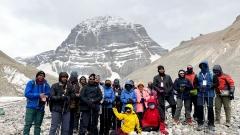
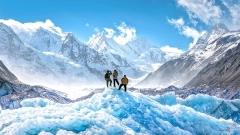
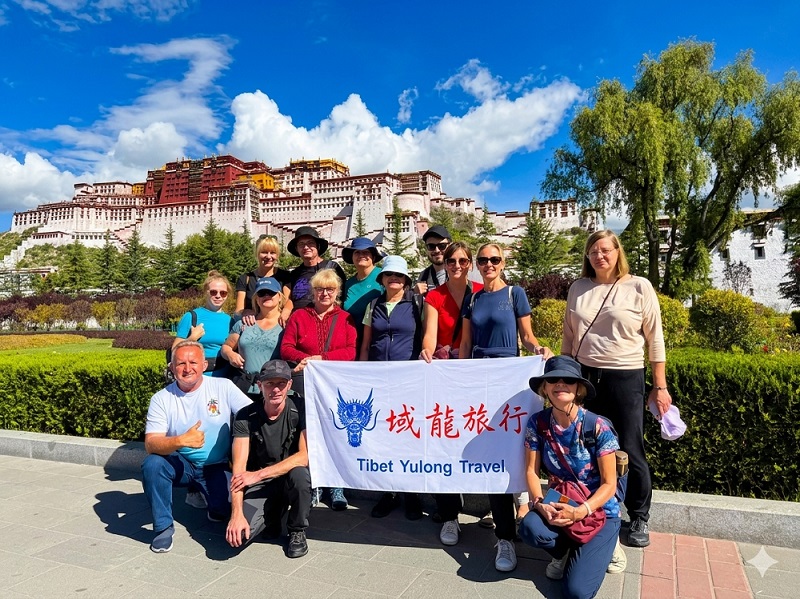
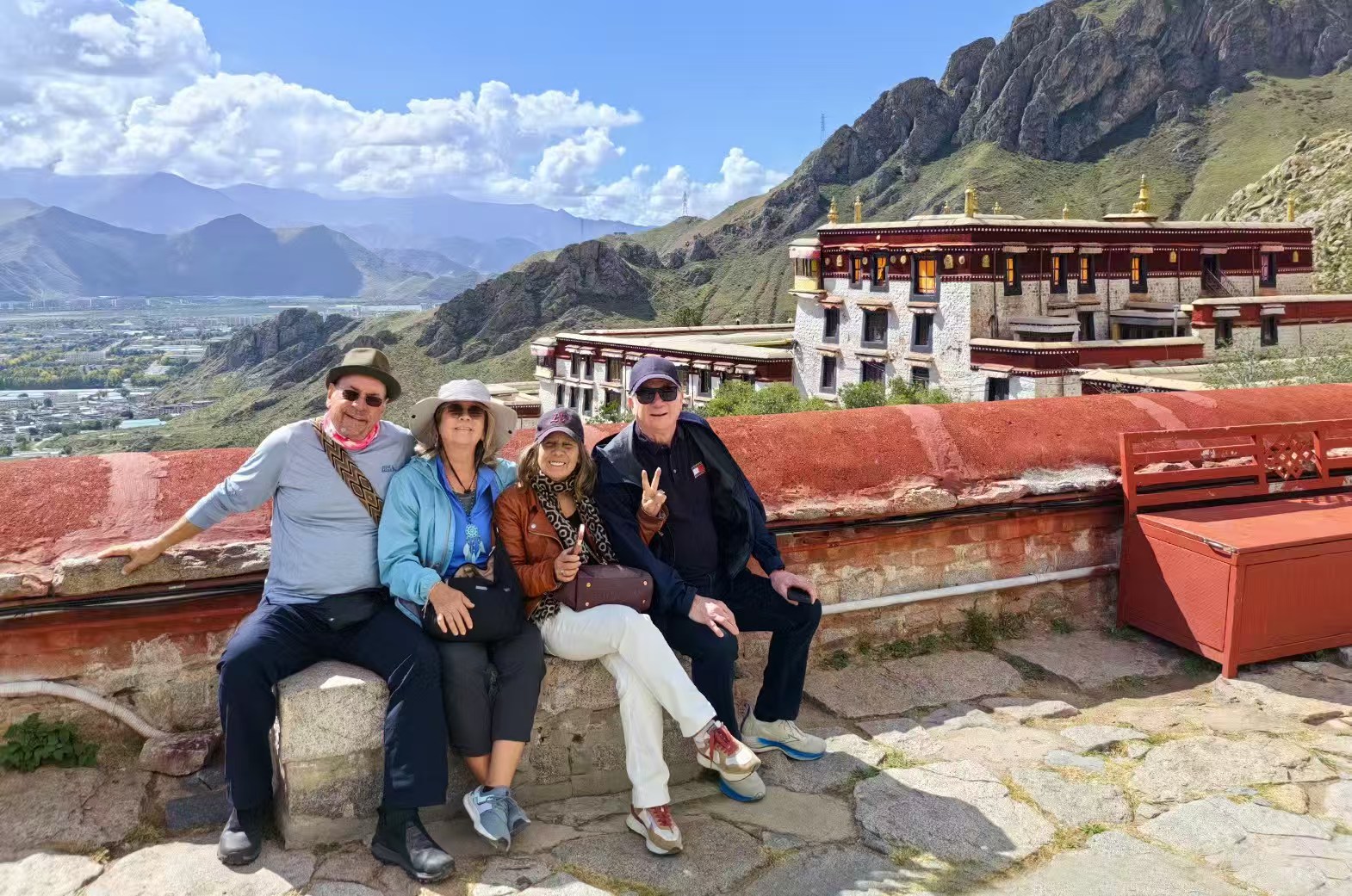
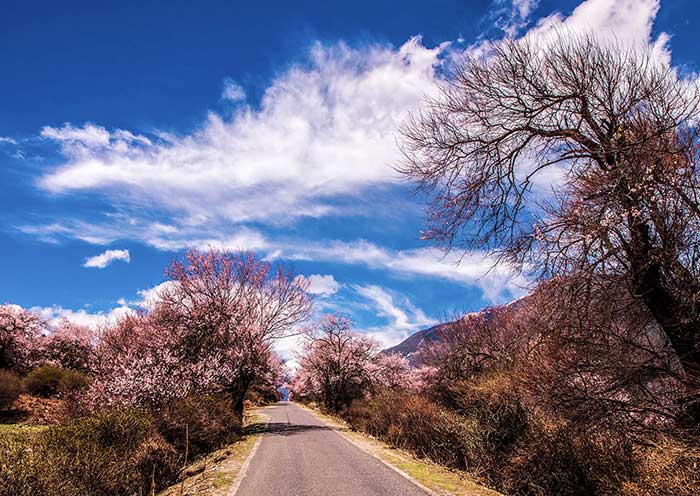
A southern Tibet journey is less about racing between famous landmarks and more about seeing how landscapes and daily life change along the plateau. This 12-day southern Tibet hidden valley exploration tour links Lhasa and the Yarlung Tsangpo valley with the lakes, monasteries, villages, and mountain scenery of Shannan. The route is designed around gradual acclimatization and flexible driving days, rather than promising access to every remote side valley in all conditions. Expect high-altitude roads, long stretches between services, and places where local rules or weather may affect access. The itinerary balances well-known cultural sites with quieter stops, while leaving room for rest and responsible travel. Before booking, confirm current permit requirements, road conditions, opening arrangements, and the precise route with a licensed Tibet operator; remote travel details can change.
- A gradual 12-day route from Lhasa into Shannan
- Cultural landmarks and quieter valley scenery
- Built-in time for altitude adjustment
- Practical advice on permits, roads, and packing
- Flexible options for weather-sensitive stops
What Makes a Southern Tibet Hidden Valley Journey Different
Southern Tibet, often associated with Shannan Prefecture, includes some of the region’s most important cultural landscapes. The Yarlung Tsangpo River and its tributary valleys connect farming communities, monasteries, ancient ruins, and highland pastures. Instead of treating “hidden valley” as a promise of untouched wilderness, this itinerary uses it to describe quieter rural corridors and less hurried stops away from Lhasa’s busiest sights.
The route is not a trek. Most transfers are by road, with short walks at monasteries, viewpoints, villages, and lakeshores. That makes it accessible to travelers who want varied scenery without committing to a multi-day hike, though altitude remains a serious consideration. Many destinations sit well above sea level, and a comfortable-looking walk can feel strenuous after a night at elevation.
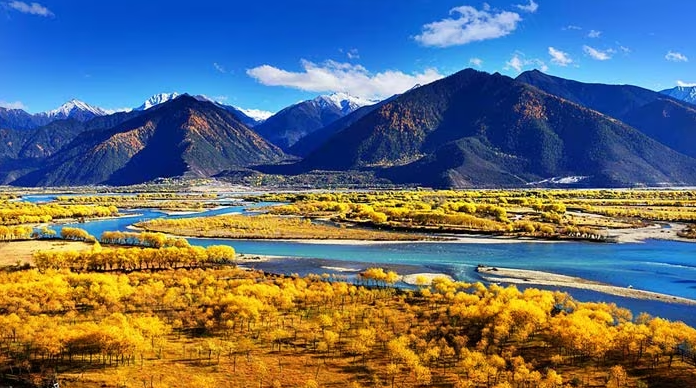
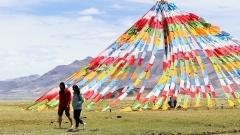
Nyang Chu Valley
A 12-day schedule also creates room for adjustment. Visitors can spend the first days in Lhasa, then travel south and east through Shannan before returning. The exact order may be revised by the operator to account for road conditions, permit arrangements, local access rules, or a traveler’s response to altitude. Treat the itinerary below as a planning framework, not a guarantee that every stop will be available on every departure.
12-Day Southern Tibet Hidden Valley Exploration Tour Itinerary
Day 1: Arrive in Lhasa
Arrive in Lhasa and transfer to your hotel. Keep the day intentionally light: drink water, eat normally, avoid alcohol, and rest. A short, easy walk near the hotel is reasonable only if you feel well. Do not plan a strenuous sightseeing schedule immediately after arrival. Your guide or operator should explain the next day’s timing and help confirm that your travel documents and permits are in order.
Day 2: Gentle Lhasa Acclimatization
Use the second day for a relaxed introduction to the city. If you feel comfortable, visit a central area such as Barkhor, following local etiquette and any guidance on photography. The aim is to move slowly, not to cover every landmark. Take breaks, avoid running up stairs, and tell your guide promptly if you develop a worsening headache, nausea, unusual fatigue, or breathlessness at rest.
Day 3: Lhasa Cultural Sights
Choose one or two major cultural sites, such as the Potala Palace or a major monastery, subject to ticket arrangements and visitor rules. Sightseeing at altitude can be tiring even when distances are short, so keep the schedule unhurried. A knowledgeable local guide can explain the historical and religious context, including appropriate behavior in prayer halls and around pilgrims. Follow all site-specific instructions and ask before photographing people.
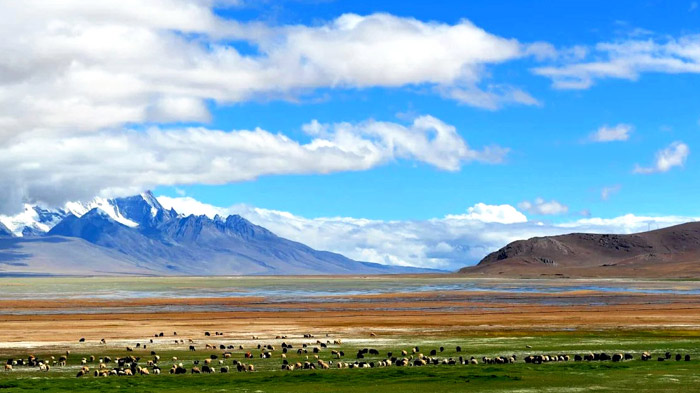
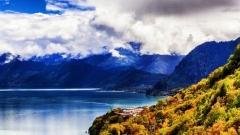
Yadong Valley
Day 4: Lhasa to Samye Area
Travel toward the Yarlung Tsangpo valley and the Samye area, with stops selected according to the road and the day’s conditions. Samye Monastery is widely recognized as an important early Tibetan Buddhist monastery. Visit only if access and opening arrangements are confirmed. The drive offers a first change from the urban plateau to river landscapes and cultivated settlements. Keep essentials, water, and any medication within reach during the transfer.
Day 5: Samye and Nearby Valley Landscapes
Spend a slower day around the Samye area. Depending on access, time, and local arrangements, your guide may include nearby viewpoints, settlements, or short walks. Avoid entering farmland, private courtyards, or religious spaces without permission. Remote side valleys can look close on a map but may require additional driving, local authorization, or suitable road conditions. A responsible operator will explain what is realistic rather than treating every unpaved track as a visitor route.
Day 6: Samye Area to Tsetang
Continue toward Tsetang, a practical base for exploring sites in the Yarlung valley. The journey is relatively short compared with some plateau transfers, but the schedule can still be affected by traffic, checkpoints, or roadworks. After arrival, rest and confirm the following day’s visits with your guide. Tsetang is a useful place to learn about the region’s agricultural life and its connections to Tibetan history without rushing through several distant locations in one day.
Day 7: Yumbulagang and the Yarlung Valley
If open and included in your approved itinerary, visit Yumbulagang, a hilltop structure associated with Tibetan historical tradition. The approach involves an uphill walk and stairs; take them slowly and turn back if you feel unwell. The surrounding valley is a reminder that southern Tibet is not only a landscape of snow peaks: river terraces and cultivated fields shape much of everyday life. Keep a respectful distance from religious activity and follow your guide’s instructions at the site.
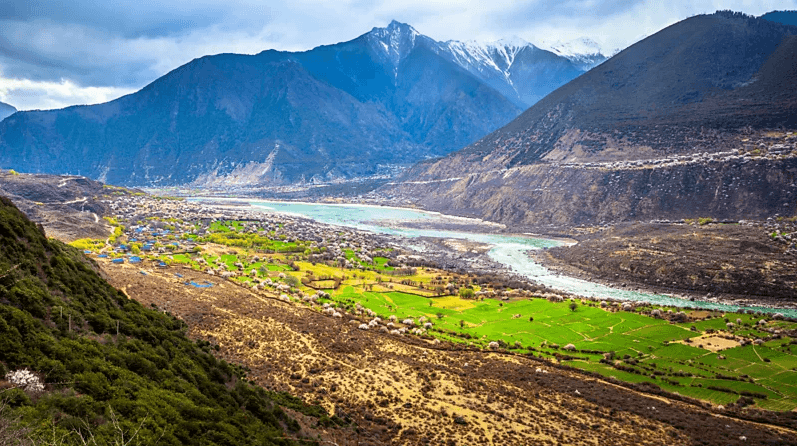
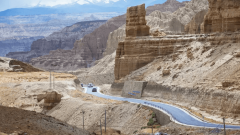
Yarlung Tsangpo Canyon
Day 8: Valley Villages and Monastic Culture
Set aside a flexible day for selected villages, monasteries, or agricultural landscapes around Tsetang. Which places are suitable depends on access permissions and local conditions. The most rewarding visits are often unhurried: observe how settlements fit the river valley, listen to your guide’s explanation, and buy locally made goods only where sales are clearly welcome. Ask before taking portraits, especially of elders, children, or people engaged in religious practice.
Day 9: Toward the Yamdrok Lake Region
Travel toward the Yamdrok Lake region if it is included in the approved route and road conditions permit. The route may involve high passes and exposed viewpoints, so keep warm layers accessible. Yamdrok is a large, high-altitude lake; its colors and visibility vary with light and weather. Stay within designated stopping areas, avoid leaving litter, and do not assume that every shoreline or track is open to visitors. Your operator should confirm the day’s feasible stops in advance.
Day 10: Flexible Lake and Mountain Scenery Day
Use this day for a slower exploration of approved viewpoints or nearby communities, or as a buffer if weather or driving conditions disrupted the previous day. A flexible day is especially valuable on a high-altitude road trip: it reduces pressure to drive in poor conditions and gives travelers time to rest. If you feel unwell, prioritize medical advice and recovery over sightseeing. Do not rely on a remote scenic stop having food, fuel, toilets, or mobile coverage.
Day 11: Return to Lhasa
Return to Lhasa by the route arranged with your operator. The drive may be long, so bring snacks, water, sun protection, and any personal medication. Make planned stops only where the driver and guide consider them safe and permitted. Once back in the city, keep the evening easy. If you have a flight or onward train the next day, confirm transfer timing and leave a reasonable buffer for road delays.
Day 12: Departure
After breakfast, transfer for your onward journey. If you have extra time, use it for a short walk or a relaxed meal rather than adding a distant attraction. Keep your passport and travel documents accessible until departure. Travelers with a longer schedule can ask their operator about adding days, but any extension should be planned around permits, altitude, transport availability, and the rules that apply to the specific destinations.
Planning Permits, Transport, and Accommodation
Foreign visitors generally need to arrange Tibet travel through an authorized travel agency, which coordinates the required travel documents and a guide-led itinerary. Requirements can depend on nationality, destination, route, and current policy. Do not assume that a Tibet Travel Permit alone covers every restricted area or that a permit for one route authorizes travel elsewhere. Ask the operator to confirm the documents needed for each named stop before paying for non-refundable transport.
For a 12-day southern Tibet hidden valley exploration tour, the most useful booking questions are practical: Which towns are overnight bases? How many hours of driving are expected on each transfer day? Are meals included outside Lhasa? What happens if a road or site is inaccessible? Is the vehicle appropriate for the planned roads, and who will make decisions if weather changes? Request a written itinerary with realistic driving estimates and clear notes on what is subject to confirmation.
Accommodation in regional towns is generally simpler than in major cities, and facilities can vary. Confirm whether rooms have reliable heating, hot water, and private bathrooms if those are important to you. Do not expect remote villages to provide the same choice of hotels, restaurants, or shops as Lhasa. Carry some cash for small purchases, while checking with your operator about payment options and local availability.
Altitude, Health, and Responsible Travel
Altitude acclimatization is not a formality. The route begins with several nights in Lhasa before heading farther into the region, but a gradual itinerary cannot eliminate the risk of acute mountain sickness. Individual responses vary, and prior experience at altitude does not guarantee an easy trip. Follow medical advice before travel, discuss any health conditions with a clinician, and avoid continuing to higher elevations if symptoms are worsening.
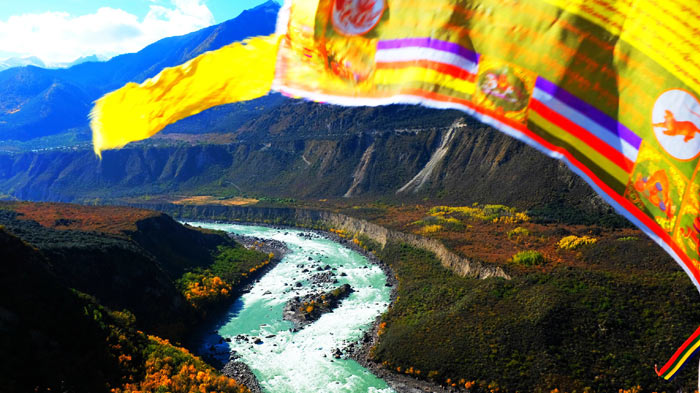
arlung Tsangpo Valley with Yarlung Zangbo River rolling through
Move slowly, especially when climbing stairs or walking uphill. Keep warm, stay hydrated, and eat enough to maintain energy. Avoid alcohol during the first days and do not use medication as a substitute for proper acclimatization or professional advice. If symptoms become severe, seek medical help and follow your guide’s emergency plan. Travelers should ask in advance where medical assistance is available along the route and how an evacuation would be handled.
Respect for local communities is part of responsible travel. Dress appropriately at religious sites, follow signs and guide instructions, and ask before photographing people or ceremonies. Do not touch religious objects, interrupt prayer, or enter restricted rooms. Keep to established paths, carry out all waste, and avoid disturbing wildlife or livestock. In fragile highland environments, choosing fewer stops and spending more time in each place can be better than driving off-road in search of a supposedly secret viewpoint.
What to Pack for the Route
Pack clothing in layers rather than relying on one heavy coat. A warm jacket, fleece or insulating layer, sun hat, sunglasses, sunscreen, and comfortable walking shoes are useful across changing elevations and weather. Conditions can shift quickly, and strong sunlight is common at altitude even when the air feels cold. A light rain shell and gloves can make exposed viewpoints more comfortable.
Bring personal prescriptions, basic travel supplies, a reusable water bottle, power bank, and copies of important travel documents. Keep essential items in your day bag during long drives. Mobile coverage and charging opportunities may be inconsistent outside larger towns, so download offline maps and share your planned itinerary with someone at home. Ask your operator about local power outlets and whether the vehicle carries emergency supplies.
Who Should Choose This Itinerary?
This route suits travelers who value cultural context, changing scenery, and a measured pace more than a packed checklist. It can work well for visitors who prefer road access and short walks to technical trekking, provided they are prepared for altitude and long transfer days. It may not suit someone seeking luxury facilities in every overnight stop, independent travel without a guide, or guaranteed access to remote valleys.
The phrase “hidden valley” should be understood as an invitation to explore quieter parts of southern Tibet thoughtfully, not as a promise of secrecy or exclusivity. Some places are culturally significant and inhabited; they are not empty backdrops. A good itinerary allows local rules to shape the journey and accepts that a meaningful trip may involve changing plans.
Choosing Tibet Yulong Travel
If you are considering Tibet Yulong Travel for a 12-day southern Tibet hidden valley exploration tour, ask the company to confirm its authorization to arrange the required Tibet travel services and to provide a route-specific quotation. Request the proposed overnight locations, vehicle type, guide arrangements, included meals, permit handling, cancellation terms, and a clear explanation of costs that may arise if the itinerary changes.
Also ask how the operator handles altitude-related illness, road closures, and restricted access. A dependable planning conversation should be specific about uncertainty: which visits are confirmed, which depend on local approval, and what alternative is available if a stop cannot be reached. Compare the written itinerary with your travel dates and health needs before booking. The right arrangement is one that leaves enough time to acclimatize, respects local communities, and places safety ahead of completing every item on a checklist.