The Tibet Travel Permit is an official document that most foreign travelers need to visit the Tibet Autonomous Region (TAR). It is separate from a Chinese visa and is generally arranged through an authorized travel agency as part of a guided trip. If you are planning to visit Lhasa, travel overland to Everest Base Camp, or explore other parts of the region, understanding the permit is an essential first step.
The rules can seem confusing because “Tibet” is often used broadly, while the permit applies to a specific administrative region. Requirements also depend on your nationality, travel documents, itinerary, and current local arrangements. This guide explains what the permit is, who needs one, how the application usually works, and what to check before booking.
What is the Tibet Travel Permit?
The Tibet Travel Permit—also called the Tibet Tourism Bureau Permit or TTB Permit—is an authorization required for most foreign passport holders to enter and travel in the Tibet Autonomous Region. It is issued by the Tibet Tourism Bureau, with applications normally submitted through a registered local travel agency.
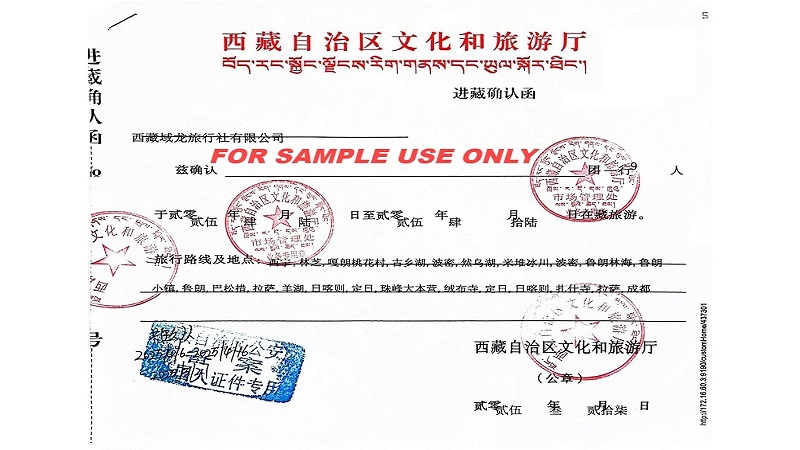
The permit is not a general entry visa for China. It does not replace a Chinese visa, passport, or other documents required for your journey. Instead, it is a regional travel document tied to an approved itinerary. It typically identifies the travelers, authorized destinations, travel dates, and the agency responsible for the tour.
In practical terms, the permit helps local authorities and transport operators verify that a foreign visitor’s travel arrangements have been approved. You may need to show it when boarding a train or flight to Lhasa, at checkpoints, or when checking in at accommodation. Procedures can differ by route and change over time, so follow the instructions provided for your specific trip.

Who Needs a Tibet Travel Permit?
Most international visitors who hold a foreign passport need a Tibet Travel Permit to enter the Tibet Autonomous Region. This applies whether you arrive by air or train from another part of mainland China, or travel overland from a neighboring region. Independent travel by foreign visitors is generally not permitted in the TAR; the trip must be arranged through an authorized agency and follow the approved plan.
There may be different rules for travelers with particular passports, residency status, or official purposes. Chinese citizens, Hong Kong and Macao residents, and people traveling on certain other documents may follow procedures different from those for foreign passport holders. Do not assume that a friend’s requirements apply to you. Confirm your situation with the relevant authorities or a reputable agency before making non-refundable bookings.
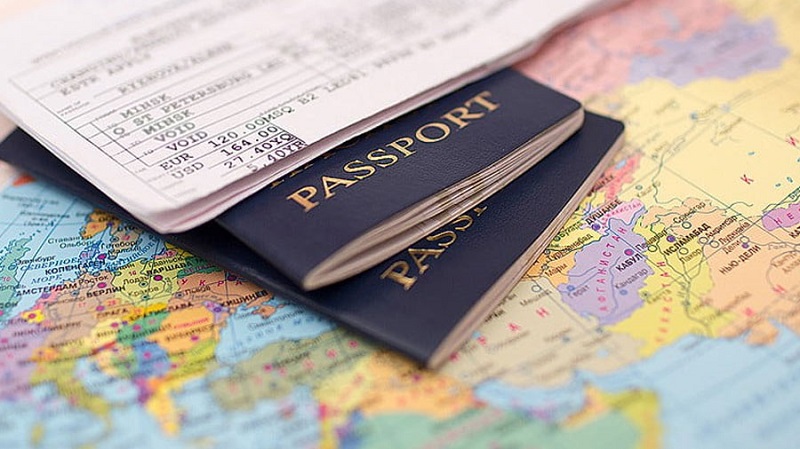
A Chinese visa and the Tibet Travel Permit serve different purposes. If your journey begins in mainland China, you may need a valid visa or other authorization to enter China, depending on your citizenship and the rules in effect. Some nationalities may be eligible for visa-free entry to China under policies that can change. A visa-free arrangement, where applicable, does not automatically remove the separate requirement to arrange access to the TAR.
Where Does the Tibet Travel Permit Apply?
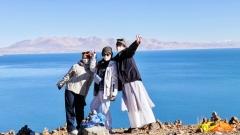
The Tibet Travel Permit applies to the Tibet Autonomous Region, which includes well-known destinations such as Lhasa, Shigatse, Gyantse, Namtso, and the Everest region. It is relevant to many classic itineraries, from a short stay in Lhasa to a longer overland journey across the plateau.
“Tibet” can also refer to Tibetan cultural areas in provinces such as Qinghai, Sichuan, Gansu, and Yunnan. These places are outside the Tibet Autonomous Region, and the Tibet Travel Permit is not generally the document used for ordinary travel there. However, other local access rules or temporary restrictions may apply, especially in sensitive areas. Check destination-specific requirements rather than relying on the word “Tibet” alone.
Some locations within the TAR require additional authorization beyond the basic Tibet Travel Permit. These may include restricted border areas and certain remote destinations. Depending on the route, your agency may need to arrange extra permits, such as an Alien’s Travel Permit or border-area authorization. Whether these documents are necessary depends on the places you plan to visit and the rules at the time of travel.
Is the Tibet Travel Permit the Aame as a Chinese visa?
No. A Chinese visa, where required, authorizes entry into China under the conditions stated on that visa. The Tibet Travel Permit is a separate regional authorization for travel in the TAR. Neither document should be treated as a substitute for the other.
Before you book, check both parts of your travel plan:
- Entry to China: Confirm whether you need a visa or qualify for a current visa-free policy. Review the permitted entry points, stay duration, and any conditions that apply to your passport.
- Entry to the TAR: Arrange the Tibet Travel Permit and an approved itinerary through an authorized travel agency.
- Other destinations: Ask whether your route includes places requiring extra local permits or permissions.
Visa policies and regional travel procedures can change. Check the latest official information for your nationality and confirm the operational details with your agency shortly before departure.
China Visa
Can You Travel Independently in Tibet?
Foreign visitors generally cannot travel independently in the Tibet Autonomous Region in the same way they might in many other parts of China. A foreign traveler normally needs to book through an authorized agency, obtain the necessary permit, and follow an approved itinerary. The exact level of guiding and transport arrangements can vary, but you should not plan to arrive in Lhasa first and sort out the permit afterward.
This does not mean every moment of the trip has to be a guided activity. Some itineraries may allow free time in a city, while transport between destinations and visits to certain sites remain organized. The important point is that your travel dates and destinations must match the approved arrangements. Ask the agency to explain what is included, when a guide will be with you, and whether you can spend any time exploring independently within the permitted plan.
Travelers should avoid relying on informal promises that they can enter the TAR without the required documents or change routes without approval. Transport companies, hotels, and checkpoints may request documentation, and a missing permit can disrupt the journey.
How do you apply for the Tibet Travel Permit?
For most foreign visitors, the application is handled by an authorized travel agency. You provide the requested personal and travel information, and the agency submits the application through the appropriate channels. Individual travelers generally do not apply directly to the Tibet Tourism Bureau.
A typical process looks like this:
- Choose your dates and route. Decide when you want to travel and which destinations you hope to visit. The itinerary must be realistic for the time available and may affect which additional permits are needed.
- Book through an authorized agency. Confirm that the agency can arrange travel in the TAR and explain the services, permit process, cancellation conditions, and what happens if local rules change.
- Submit accurate details. You will usually be asked for passport information and a copy of the passport’s identification page. The agency may also request your Chinese visa or details of your entry arrangement, as well as your occupation or other information required for the application.
- Confirm the itinerary and documents. Check that the names and passport details are correct and that your dates, entry point, and destinations match your plans.
- Receive instructions for the original permit. The agency will tell you where and when the document will be delivered or collected, and whether it will be handed to you in mainland China or before boarding your transport.
Application procedures can vary. Some travelers may be asked to provide documents earlier or supply additional information, so the agency’s current checklist should take precedence over a generic online list.
Tibet Travel Permit – Tibet Yulong
How Long Does It Take to Get the Permit?
Processing time is not guaranteed and can vary with the season, route, application details, and local administrative conditions. In many cases, agencies ask travelers to provide their documents well in advance, often several weeks before departure. A more complex itinerary or travel to restricted areas may require additional time.
Do not treat a quoted processing estimate as a guarantee. Build a buffer into your plans, especially if your trip includes fixed international flights, train tickets, or a tight connection in China. Before buying non-refundable transport to Lhasa, ask the agency when the application should be submitted and what happens if approval is delayed.
Providing clear, consistent information can help avoid preventable problems. Use the same name spelling and passport details across your application and bookings. Tell the agency promptly if you renew your passport, change your travel dates, or alter the route. A permit associated with an old passport or a different itinerary may not be usable as planned.
Do You Need the Original Permit to Travel?
In many cases, yes. A digital copy or photograph may not be accepted for the journey to the TAR. Travelers entering by train or air are often instructed to collect the original document in mainland China before departure, because transport staff may need to inspect it when checking in or boarding.
The handover arrangement depends on your route and agency. If you are flying from a city in China, the agency may deliver the permit to your hotel or arrange a collection. For train travel, the original may need to be collected before you reach the station. Ask for clear instructions in writing, including the collection address, timing, contact details, and what to do if your transport is changed.
Keep the permit secure and accessible during the trip. Your guide or agency may hold or manage some documents, but you should know where the original is and carry your passport as instructed. Make a separate backup of your passport and permit details, while remembering that a backup image does not replace the original when one is required.

What Information Does the Permit Contain?
The document commonly includes traveler identification details, the approved travel period, authorized destinations, and the organizing agency. Its layout and the information shown may vary. The key practical requirement is that the details correspond to your passport and planned route.
Review the permit as soon as you receive it. Check the spelling of your name, passport number, travel dates, and the places included. If anything is incorrect, contact the agency immediately rather than waiting until you reach a station or airport. Also confirm that any additional permits required for your itinerary have been arranged separately.
The permit is tied to the approved trip, not an open-ended authorization to visit anywhere in the TAR. If you decide to add a destination, stay longer, or change your route, ask the agency whether the plan can be amended and whether new approval is required. Do not assume a change is acceptable simply because the new place is nearby.
What If Your Itinerary Changes?
Changes can happen because of weather, road conditions, transport availability, health concerns, or revised local rules. Contact your agency or guide before making changes that affect dates, destinations, or travel arrangements. They can advise whether the permit remains valid and whether any new application is needed.
A minor adjustment within a city may be handled differently from a change to a remote destination or border area. Your guide’s advice should be followed, particularly where checkpoints or restricted zones are involved. Keep travel confirmations and agency contact information available in case a transport operator or official asks about the approved plan.
If your passport is replaced after the permit has been issued, notify the agency at once. The permit may need to be reissued or updated, and the answer depends on the circumstances. Avoid waiting until the day of departure to disclose a passport change.
Which Extra Permits Might Be Beeded?
The Tibet Travel Permit is not necessarily the only document required for every route. Some remote or restricted destinations require additional authorization. Commonly discussed documents include the Alien’s Travel Permit, which may apply to certain areas outside Lhasa, and border-area permits for travel near international boundaries. The agency should identify the permits relevant to your route and handle the required arrangements.
The names, scope, and application process for additional permissions can be confusing, and requirements may change. Ask for a destination-by-destination explanation rather than assuming one permit covers the whole itinerary. If you are planning an expedition, trekking route, border-area visit, or travel to a less commonly visited county, confirm access well before booking.
A permit also does not guarantee that every site will be open on a particular day. Local authorities may temporarily restrict access, and weather or road conditions can affect travel. Treat your confirmed itinerary as a plan subject to operational changes, not a promise that every stop will be available in all circumstances.

Military Entry Permit
Common Mistakes to Avoid
- Booking transport before checking the permit timeline. First confirm the agency’s application schedule and the document handover plan. Then choose transport with enough flexibility for your circumstances.
- Assuming a Chinese visa is enough. The visa and Tibet Travel Permit are separate. Check both requirements for your nationality and route.
- Applying with inconsistent details. Make sure the name and passport number match your travel documents. Tell the agency about any passport renewal or date change.
- Planning to travel without an authorized agency. Foreign visitors generally need an approved itinerary and agency-arranged documentation for the TAR. Do not base your plans on unverified claims that the rules will not be checked.
- Assuming the permit covers every Tibetan area. The document applies to the Tibet Autonomous Region. Areas with Tibetan culture in other provinces follow different administrative arrangements.
- Leaving restricted destinations until the last minute. Extra permissions may take additional time or may not be available for every route. Discuss remote areas when you first plan the trip.
- Relying only on a digital copy. Confirm whether you need the original for your train or flight, and arrange collection before departure.
Planning Your Journey Around the Permit
Start by choosing the places you genuinely want to visit. A few days in Lhasa requires a different plan from an overland journey through Shigatse to the Everest region. Your route determines travel time, transport needs, altitude exposure, and whether additional permits may be necessary.
Once you have a draft itinerary, ask an authorized agency to confirm feasibility and document requirements. Request a written breakdown of what is included: permit arrangements, guide services, transport, accommodation, and any extra local permissions. Clarify which costs are payable directly, the cancellation policy, and how changes are managed if conditions shift.
Consider the physical demands of travel at high altitude as well. The permit process is an administrative requirement, but a successful trip also depends on giving yourself time to adjust, allowing realistic driving days, and following medical advice. Do not overpack the itinerary simply because a destination appears close on a map; mountain roads and weather can make journeys slower than expected.
Keep copies of key documents and important contact details in more than one place. Before departure, reconfirm the permit handover, departure point, luggage arrangements, and any instructions from your agency. These small checks can prevent avoidable confusion on a travel day.

Frequently Asked Questions
Can I get the Tibet Travel Permit after arriving in Lhasa?
You should arrange it before traveling to the Tibet Autonomous Region. Foreign visitors generally need the approved documentation before boarding transport to Lhasa, and the permit is normally organized through an authorized agency. Do not plan to arrive first and apply afterward.
Can I apply for the permit myself?
Most foreign travelers cannot submit the application directly. An authorized travel agency usually organizes the permit as part of an approved trip. Confirm that the agency is qualified to arrange the documents for your specific itinerary.
Does the permit have an expiration date?
It is generally associated with the travel dates and itinerary approved for the trip, rather than functioning as a reusable, open-ended pass. Check the dates and destinations printed on your document and ask the agency what is required if your plans change.
Can I use one permit for multiple trips?
Do not assume that you can. The document is commonly tied to a specific itinerary and period. If you plan to return to the TAR on a later trip, ask your agency whether a new application and itinerary are required.
Does every visitor need additional permits?
No. Additional permissions depend on the destinations included in the itinerary. A straightforward visit to Lhasa may have different requirements from travel to remote or restricted areas. Ask the agency to assess your route individually.
Can the rules change after I book?
Travel procedures and access conditions can change. Reconfirm the requirements before departure, keep in touch with your agency, and remain prepared for itinerary adjustments if local rules, weather, or transport conditions require them.