When exploring the vast landscapes of the Tibetan Plateau, understanding local culinary traditions is essential for any traveler. Among the diverse array of Tibetan food, Tsampa stands out as the most iconic and historically significant dish. Made primarily from roasted highland barley flour, this simple yet profoundly nourishing staple has sustained nomadic herders, monks, and farmers across the high-altitude regions for centuries. Unlike complex cuisines that require extensive cooking equipment, Tsampa represents the ultimate convenience food, perfectly adapted to the harsh environment and mobile lifestyle of the plateau. Whether you are trekking through remote valleys or visiting ancient monasteries, encountering this dish is inevitable. For those planning a journey to experience authentic culture, understanding Tsampa provides a direct window into the daily lives and enduring spirit of the local people. It is far more than just a meal; it is a symbol of survival, hospitality, and identity.
Key Takeaways:
- Tsampa is roasted highland barley flour, the core staple of Tibetan food.
- It requires no cooking fire, making it ideal for nomadic lifestyles.
- Traditionally mixed with butter tea to form an edible dough.
- Deeply embedded in religious ceremonies and festive celebrations.
- Highly nutritious, providing essential energy for high-altitude living.

What Exactly is Tsampa in Tibetan Food Culture?
To truly appreciate Tibetan food, one must first understand what Tsampa actually is. At its most basic level, Tsampa is flour made from highland barley, known locally as “qingke.” However, unlike standard wheat flour used in many other global cuisines, the barley grains are thoroughly washed, dried, and then roasted before they are milled. This crucial roasting process means that the resulting flour is already fully cooked. You can eat it raw straight from the bag without any risk of indigestion, which is a remarkable feature for a grain product.
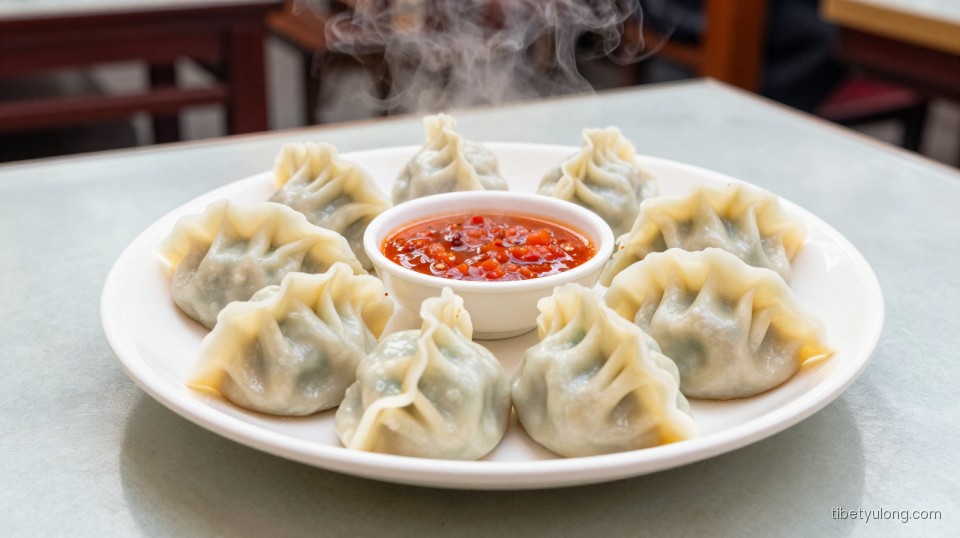
The flavor profile of Tsampa is distinctly nutty, earthy, and slightly sweet, carrying the aromatic essence of the roasted barley. The texture varies depending on how finely it is milled, but it generally feels slightly coarse compared to refined white flour. In the broader context of Tibetan food, Tsampa serves as the absolute foundation. While modern cities like Lhasa now offer a variety of dishes including noodles, momos (dumplings), and various meat stews, Tsampa remains the daily bread for millions of people living in rural and pastoral areas. It is the thread that connects the modern diet to ancient survival strategies.
The Historical Roots of This Staple Tibetan Food
The history of Tsampa is inextricably linked to the agricultural development of the Tibetan Plateau. Highland barley is one of the few crops resilient enough to thrive at elevations exceeding 4,000 meters, where temperatures are low, oxygen is thin, and the growing season is remarkably short. Archaeological evidence suggests that barley cultivation on the plateau dates back thousands of years, gradually replacing earlier foraging practices and allowing permanent settlements to flourish.
As nomadic tribes moved their yak herds across the vast grasslands, they needed a food source that was lightweight, calorie-dense, and required no preparation time over a fire, as fuel like wood is incredibly scarce on the treeless steppes. Tsampa answered this need perfectly. Carried in small leather pouches tied to their waists, herders could sustain themselves for days relying solely on this roasted flour and melted snow or water. Over centuries, it transitioned from a mere survival ration to a deeply respected element of Tibetan food culture. There is even a famous Tibetan proverb that states, “A man without Tsampa is like a horse without a saddle,” highlighting just how integral this ingredient is to their historical identity.
How to Prepare and Eat Tsampa Like a Local
Eating Tsampa is an interactive, hands-on experience that differs significantly from consuming other types of Tibetan food. The most traditional and widespread method involves mixing the roasted barley flour with butter tea, known as “po cha.” Butter tea itself is a robust concoction made by churning black tea leaves with yak butter and salt, creating a rich, savory, and highly caloric beverage essential for combating the freezing plateau winds.
The preparation process is an art form in itself. First, a small amount of hot butter tea is poured into a traditional wooden bowl. Then, a generous handful of Tsampa is added on top. Sometimes, a bit of dried cheese curds called “chura” or a pinch of sugar is included for extra flavor. Using only your fingers, you gently rotate the bowl while pressing the flour into the liquid. The goal is to knead the mixture until it forms a smooth, cohesive dough ball, referred to as “pa.”
This requires a bit of practice. If you add too much tea, the mixture becomes a sticky paste; too little, and the dry flour will spill everywhere. Once the perfect dough consistency is achieved, you simply pinch off small pieces and eat them directly. No spoons, no chopsticks, no plates—just your hands and your bowl. For travelers experiencing Tibetan food for the first time, mastering the kneading technique is often a fun and memorable challenge shared with local hosts who are usually eager to teach the proper finger movements.
Nutritional Benefits of Tsampa at High Altitudes
From a dietary perspective, Tsampa is a powerhouse, which explains its dominance in Tibetan food. Living and traveling at extreme altitudes demands significantly more calories than living at sea level. The human body works overtime just to maintain basic functions in oxygen-thin environments, and physical exertion like trekking burns energy at an accelerated rate. Tsampa provides a dense, sustained release of complex carbohydrates, ensuring long-lasting energy without the rapid spikes and crashes associated with refined sugars.
Highland barley is naturally rich in dietary fiber, particularly beta-glucan, which aids in digestion and helps regulate blood sugar levels. When combined with yak butter tea, the dish delivers a substantial dose of healthy fats necessary for insulation against the cold. The addition of dried yak cheese introduces high-quality proteins and calcium. Furthermore, because the barley is roasted rather than boiled, many heat-sensitive vitamins and minerals are better preserved. For trekkers and mountaineers exploring the Himalayas, carrying a pouch of Tsampa is still considered one of the most reliable ways to prevent fatigue and altitude-related weakness.
Cultural and Religious Significance Beyond Daily Meals
Tsampa transcends its role as sustenance; it is a sacred element woven into the spiritual fabric of the region. In the context of Tibetan food and culture, barley flour plays a central role in almost every major life event and religious observance. During Losar, the Tibetan New Year, families display a beautifully decorated wooden box called a “chemar” filled with Tsampa and roasted wheat. Guests are invited to take a pinch, toss a little into the air as an offering to the deities, and then consume the rest while reciting auspicious prayers for health and prosperity.
In Buddhist monasteries, Tsampa is frequently used to create “torma,” which are intricate ritual sculptures offered to deities or used during specific meditation practices. These sculptures are often dyed with natural colors and shaped into elaborate geometric forms or figures. Additionally, during traditional sky burials or cremation ceremonies, roasted barley flour is burned alongside juniper branches to produce fragrant smoke, believed to guide spirits and purify the surrounding environment. Understanding these rituals provides travelers with a much deeper appreciation of Tibetan food, showing that every ingredient carries layers of philosophical meaning.
Experiencing Authentic Tibetan Food on Your Journey
For travelers eager to taste authentic Tsampa, venturing beyond the heavily commercialized tourist restaurants is highly recommended. While upscale dining spots in Lhasa or Shigatse might offer polished versions of Tibetan food, the most genuine experiences happen in rural teahouses, local family homes, or small eateries frequented by pilgrims. Here, the butter tea is richer, the barley flour is freshly roasted, and the hospitality is unfiltered.
When organizing your travel itinerary, partnering with experienced local operators can make a significant difference in accessing these authentic culinary moments. Agencies such as Tibet Yulong Travel specialize in designing routes that go beyond standard sightseeing, incorporating meaningful cultural exchanges, including home visits where you can learn to knead Tsampa directly from nomadic families. Guides provided by Tibet Yulong Travel often share personal stories about how this staple shaped their own upbringing, adding a narrative depth to your gastronomic exploration. Engaging with knowledgeable professionals ensures you navigate the unique travel permit requirements smoothly while maximizing your immersion into the local lifestyle.
Variations and Modern Adaptations of Traditional Recipes
While the classic butter tea dough remains the gold standard, Tsampa is surprisingly versatile within the realm of Tibetan food. In some regions, it is mixed with plain hot water or milk instead of butter tea, creating a thinner porridge-like consistency often given to children or the elderly who might find the heavy dough difficult to digest. Another popular variation involves mixing the roasted flour with yogurt, creating a refreshing, tangy snack during the brief summer months when dairy production peaks.
Today, as younger generations move to urban centers and modern influences seep into daily routines, Tsampa is finding new expressions. You might encounter it baked into biscuits, blended into modern protein shakes, or even used as a thickening agent in contemporary fusion soups. Despite these innovations, the fundamental respect for roasted highland barley remains unchanged. It continues to anchor the culinary identity of the plateau, proving that true staples never fade away but merely adapt to the times.
Practical Tips for Travelers Trying Tsampa for the First Time
If you are preparing to explore Tibetan food, trying Tsampa should be at the top of your list, but a few practical tips can enhance the experience. First, approach the taste with an open mind. The strong, salty, and fatty flavor of traditional butter tea mixed with earthy barley can be overwhelming for palates accustomed to sweeter or spicier cuisines. Take small bites and let the nutty aroma settle.
Second, hygiene is handled differently on the plateau. Eating with your hands is the norm, so locals will usually offer you a basin of warm water to wash your hands before the meal begins. Embrace this tactile way of eating rather than asking for utensils, as it shows respect for their customs. Finally, if you wish to purchase some Tsampa to take home as a souvenir, buy it from local markets where it is sold in bulk. Store it in an airtight container to preserve its roasted fragrance. Sharing this unique ingredient with friends back home is a wonderful way to extend the story of your travels and introduce others to the incredible heritage of Tibetan food.