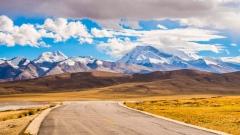
Planning a trip to the Roof of the World requires careful consideration of weather, altitude, and cultural events. Choosing the best time to visit Tibet can significantly impact your overall experience, from clear mountain views to comfortable trekking conditions. The region’s unique high-altitude climate means that each season offers something entirely different for travelers.
Here is a quick summary of key points to help you decide when to visit Tibet:
- Spring and autumn offer the most stable weather and clearest skies.
- Summer is warm but brings the monsoon season and occasional rain.
- Winter provides fewer crowds and discounted travel costs.
- Peak tourist seasons are April-May and September-October.
- Major Tibetan festivals often dictate the ideal travel dates for culture seekers.
Understanding these basics will help you align your travel goals with the right season. Whether you want to photograph Mount Everest without cloud cover or participate in local religious ceremonies, timing is everything when you visit Tibet.
Why the Best Time to Visit Tibet Matters for Your Trip
The geographical reality of the Tibetan Plateau makes timing a crucial factor for any journey here. Sitting at an average elevation exceeding 4,000 meters, the region experiences extreme temperature variations between day and night, as well as across different months. When you visit Tibet, the atmospheric conditions directly influence not just what you see, but how your body feels at high altitudes.
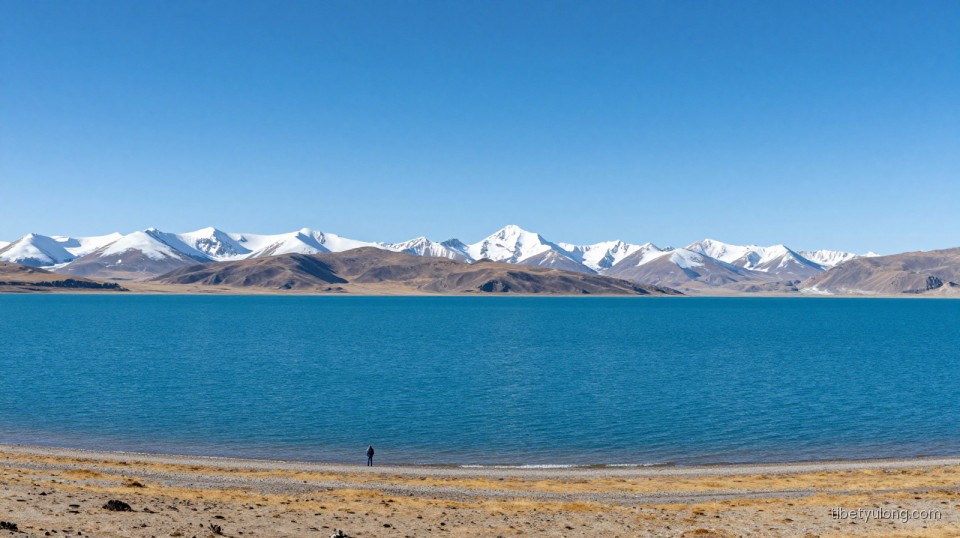
During the warmer months, oxygen levels are marginally higher due to increased vegetation activity and slightly lower barometric pressure changes, which can ease acclimatization for some travelers. Conversely, winter months bring thinner air and biting cold, demanding better physical preparation. Beyond personal comfort, the timing of your trip determines road accessibility. Many remote areas, particularly those near high mountain passes, become completely impassable during heavy snowfall or summer mudslides. Therefore, knowing the best time to visit Tibet ensures you do not miss out on key destinations like Namtso Lake, Yamdrok Lake, or the Everest Base Camp due to unexpected closures.
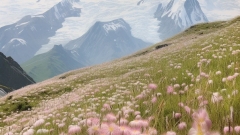
Spring (April to May): Clear Skies and Blooming Landscapes
Spring is widely considered one of the absolute best times to visit Tibet. As the harsh winter recedes, temperatures begin to rise, making daytime exploration much more comfortable. In Lhasa, daytime temperatures typically range from 10°C to 18°C, though nights remain chilly, often dropping near freezing.
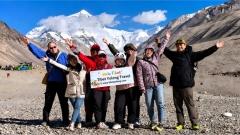
The primary advantage of traveling in spring is the exceptional visibility. The air is crisp, dry, and remarkably clear, offering unobstructed views of the Himalayan peaks. If your main goal is to see Mount Everest standing proudly against a deep blue sky without the interference of monsoon clouds, April and May are your ideal months. Photographers heavily favor this window because the light is sharp, and the landscapes transition beautifully from barren winter browns to subtle early greens.
Additionally, spring marks the beginning of the traditional pilgrimage season. You will notice more locals walking the kora (circumambulation routes) around sacred sites like the Potala Palace and Jokhang Temple. This cultural vibrancy adds a profound layer to your experience when you visit Tibet during these months. However, keep in mind that late March through early April sometimes sees temporary travel restrictions for foreign tourists, so checking current regulations before booking is essential.
Summer (June to August): Warmth, Monsoon, and Green Valleys
Summer represents the warmest period to visit Tibet, attracting a massive influx of domestic tourists. Daytime temperatures in Lhasa can reach a comfortable 20°C to 25°C, while lower-altitude regions like Nyingchi enjoy even warmer, almost subtropical conditions. This is the only time of year when the eastern forests of Tibet turn lush green, and rivers swell with glacial meltwater.
However, summer coincides with the South Asian monsoon season. While the Himalayas block much of the heavy rainfall experienced in neighboring Nepal and India, Tibet still receives regular precipitation, mostly in the form of afternoon showers or nighttime rain. July and August are the wettest months. This moisture frequently generates thick cloud cover, which can obscure the towering peaks of Everest and Kailash for days at a time. If panoramic mountain photography is your priority, summer might be a disappointing time to visit Tibet.
On the positive side, the warmer weather makes camping and long-distance trekking much more manageable. High-altitude lakes thaw completely, reflecting brilliant turquoise colors. Furthermore, summer hosts several vibrant cultural events, including the famous Shoton Festival (Yogurt Festival) usually held in August, featuring grand Thangka unveilings and traditional Tibetan opera performances.
Autumn (September to October): The Ultimate Window to Visit Tibet
For many seasoned travelers and guides, autumn is unequivocally the best time to visit Tibet. The monsoon rains taper off by early September, leaving behind washed skies and spectacular visibility that rivals spring. The temperatures are incredibly pleasant—warm enough for comfortable hiking during the day, yet cool enough to ensure restful sleep at night without the extreme freezing conditions of winter.
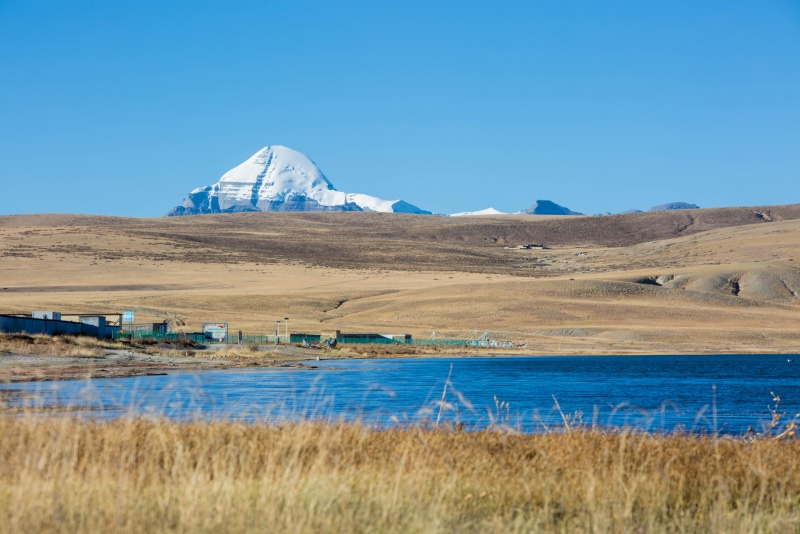
September and October offer a golden balance. The landscapes take on rich hues of gold and amber, particularly in the agricultural valleys around Shigatse where barley harvests occur. Trekking routes, such as the Ganden to Samye trail or the Mount Kailash kora, are at their safest and most scenic during this window. The trails are dry, leeches are non-existent, and the risk of sudden snowstorms blocking high passes is significantly lower than in late November.
Because the weather is so reliable, autumn is peak tourist season. When you plan to visit Tibet during these months, securing train tickets, flights, and hotel reservations well in advance is highly recommended. The popularity of this season means attractions can get busy, but the sheer beauty of the plateau under crisp autumn sunlight makes every logistical effort worthwhile.
Winter (November to March): Solitude and Budget-Friendly Travel
Winter is often overlooked, but it holds a unique charm for a specific type of traveler. If you wish to visit Tibet without the crowds and experience the region in its most raw, authentic state, winter is surprisingly rewarding. From November through February, temperatures drop significantly. Lhasa daytime temperatures hover around 5°C to 10°C, but nighttime temperatures routinely plunge to -10°C or lower, especially outside the capital.
Despite the cold, Lhasa earns its nickname “Sunlight City” honestly. Winter days are frequently bright, sunny, and remarkably clear. The intense solar radiation warms the courtyards of monasteries, where monks gather to debate in the sunshine. Because tourism slows down drastically, you will find yourself sharing major sites like the Potala Palace with very few other visitors. Hotels and tour operators offer substantial discounts, making it the most budget-friendly time to visit Tibet.
The major drawback is accessibility. Heavy snow closes many high-altitude roads, making trips to Everest Base Camp or Mount Kailash dangerous or impossible. Additionally, the extreme cold exacerbates altitude sickness symptoms for some individuals. Proper thermal clothing, layered effectively, is absolutely non-negotiable if you choose a winter itinerary.
Key Festivals That Influence When You Should Visit Tibet
Aligning your trip with local celebrations can transform a standard sightseeing tour into a deeply immersive cultural journey. The Tibetan calendar is lunar-based, meaning festival dates shift annually on the Gregorian calendar. Here are a few major events to consider when deciding the best time to visit Tibet:
Losar, the Tibetan New Year, usually falls in February or March. It is a time of family gatherings, monastery visits, and vibrant street life in Lhasa. The Saga Dawa Festival, occurring in May or June, commemorates the birth, enlightenment, and passing of Buddha. During this month, thousands of pilgrims flock to Mount Kailash, making it a spiritually charged time to visit Tibet. The Shoton Festival in August combines religious devotion with secular entertainment, offering travelers a chance to witness massive silk tapestries being unfurled at Drepung Monastery followed by days of picnicking and theater. Planning around these events requires flexibility and early bookings, but the cultural payoff is immense.
Practical Tips for Planning Your Journey to the Roof of the World
Regardless of when you choose to visit Tibet, preparation is the key to a successful trip. First, all foreign travelers must obtain a Tibet Travel Permit, which cannot be applied for independently; it must be arranged through a registered local travel agency as part of an organized tour. Processing takes time, so initiate this process at least a month before your intended departure.
Altitude sickness is a genuine concern. Whether you arrive in summer or winter, spend your first two days in Lhasa resting, hydrating constantly, and avoiding strenuous activity or alcohol. Ascend gradually to higher elevations. Pack layers rather than single heavy garments, as temperature swings between sun and shade, or day and night, are dramatic year-round.
Navigating the logistics of permits, transportation, and high-altitude accommodations can be daunting for first-time visitors. Working with experienced professionals who understand the nuances of the region is highly advisable. Agencies like Tibet Yulong Travel specialize in crafting itineraries tailored to the specific season you choose, ensuring that permit processing, route planning, and local guidance are handled smoothly. Their expertise helps travelers avoid common pitfalls associated with visiting remote high-altitude regions, allowing you to focus entirely on the breathtaking scenery and rich culture.
Ultimately, there is no single wrong answer when determining the best time to visit Tibet, provided your expectations match the seasonal realities. Spring and autumn deliver the classic, postcard-perfect Himalayan experience with optimal weather. Summer offers warmth and lush landscapes at the cost of potential cloud cover, while winter rewards the adventurous with solitude and stark beauty. By understanding these seasonal dynamics and preparing accordingly, your journey to the Tibetan Plateau will be nothing short of extraordinary.