The Tibetan Antelope, scientifically known as Pantholops hodgsonii, is one of the most iconic and resilient creatures inhabiting the high-altitude wilderness of the Qinghai-Tibet Plateau. Often referred to locally as “chiru,” this elegant ungulate has adapted to survive in some of the harshest environments on Earth, where oxygen levels are low and temperatures frequently plummet well below freezing. For decades, the Tibetan Antelope faced severe threats from poaching due to the high demand for its incredibly fine underfur, known as shahtoosh. However, thanks to relentless conservation efforts by local authorities, international organizations, and dedicated rangers, the population has shown a remarkable recovery. Today, witnessing these animals roam freely across the vast steppes is a highlight for many nature enthusiasts visiting western China. Understanding their biology, migration patterns, and the ongoing efforts to protect them is essential for anyone interested in plateau wildlife.
Key Takeaways:
- The Tibetan Antelope thrives at altitudes above 4,000 meters.
- Shahtoosh poaching nearly drove the species to extinction.
- Strict protection has led to a significant population rebound.
- Hoh Xil is the primary calving ground for migrating females.
- Responsible tourism helps fund ongoing conservation efforts.

Physical Characteristics of the Tibetan Antelope
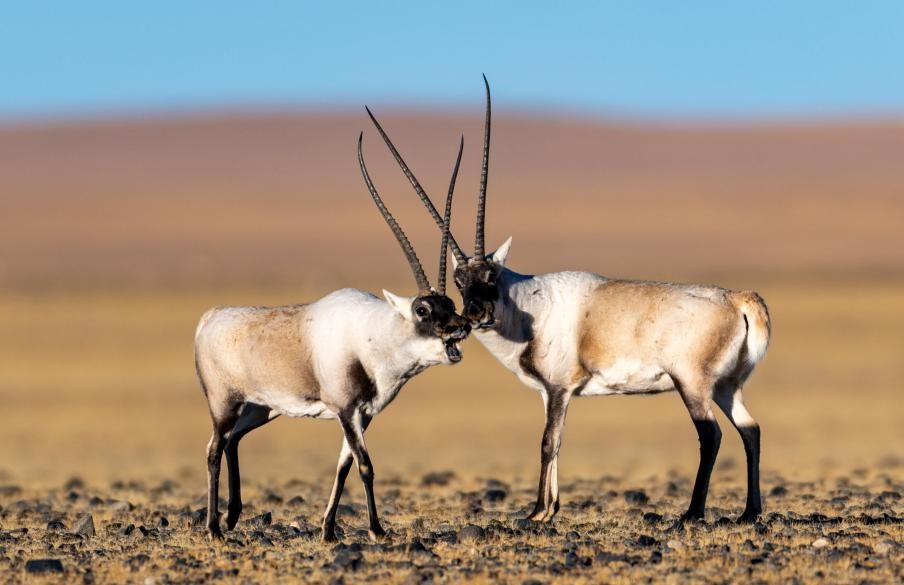
To truly appreciate the Tibetan Antelope, one must first understand its unique physical adaptations, which are perfectly engineered for life on the roof of the world. Adult males typically weigh between 35 and 40 kilograms, while females are slightly smaller. The most striking difference between the sexes lies in their horns. Males possess long, slender, black horns that curve backward and can reach up to 70 centimeters in length. These horns are used primarily for display and sparring during the mating season rather than for defense against predators. Females, on the other hand, are naturally hornless, making it relatively easy to distinguish between the two when observing herds in the wild.
The coat of the Tibetan Antelope is another marvel of evolutionary biology. Their fur is pale fawn to whitish on the body, contrasting sharply with darker markings on the face and legs. Beneath the coarse outer guard hairs lies an exceptionally dense layer of underwool. This undercoat provides unparalleled insulation against the biting winds and sub-zero temperatures characteristic of the alpine steppe environment. Unfortunately, it is this very adaptation that historically made them targets for poachers. The wool, woven into shahtoosh shawls, was highly prized in luxury markets. It takes the underwool of several antelopes to produce a single shawl, a fact that fueled devastating illegal hunts in the late twentieth century.
Their physical build also supports their survival strategy. Long, slender legs allow them to run at speeds exceeding 80 kilometers per hour, enabling them to outrun natural predators such as wolves and snow leopards. Furthermore, their enlarged nasal cavities help warm the frigid air before it reaches their lungs, an essential physiological trait for extracting sufficient oxygen in the thin atmosphere of the high plateau.
Natural Habitat and Distribution of the Tibetan Antelope
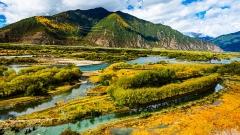
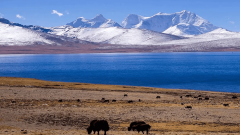
The Tibetan Antelope is endemic to the Qinghai-Tibet Plateau, meaning it is found nowhere else on the planet. Its range spans across several Chinese provinces and autonomous regions, primarily Tibet, Qinghai, Xinjiang, and parts of western Sichuan. They generally prefer flat, open alpine steppes, semi-deserts, and meadow habitats situated at elevations ranging from 4,000 to over 5,500 meters above sea level. These barren, expansive landscapes provide the visibility necessary for the herd to spot approaching predators from a distance.
Hoh Xil, a vast and largely uninhabited region straddling the borders of Qinghai and Tibet, represents the most critical habitat for the Tibetan Antelope. Recognized as a UNESCO World Heritage site, Hoh Xil serves as the primary summer calving ground. Every spring, tens of thousands of pregnant females undertake an arduous migration from their wintering grounds, traveling hundreds of kilometers across treacherous terrain to reach the remote plains of Hoh Xil. Here, they give birth in relative safety, far from the highest concentrations of predators and human disturbance. Once the calves are strong enough to travel, usually by late summer, the mothers and their young begin the return journey to reunite with the males and spend the winter together.
The vegetation in these habitats is sparse, consisting mainly of hardy grasses, sedges, and low-growing shrubs. The Tibetan Antelope feeds selectively, grazing on the most nutritious parts of these plants. Water sources, including glacial melt streams and seasonal lakes, dictate much of their movement patterns, especially during the dry months when moisture is scarce.
Conservation Status and Efforts Protecting the Tibetan Antelope
The story of the Tibetan Antelope is one of the most compelling conservation narratives in modern history. In the 1980s and 1990s, rampant poaching decimated their numbers. Estimates suggested the population had plummeted from over a million to fewer than 75,000 individuals. Armed poaching gangs operated with impunity in the remote reaches of the plateau, slaughtering the animals solely for their precious underwool.
Recognizing the imminent threat of extinction, the Chinese government, alongside international wildlife organizations, launched aggressive countermeasures. The establishment of the Hoh Xil Nature Reserve created a protected sanctuary where anti-poaching patrols were heavily reinforced. Dedicated rangers, often working in extreme weather conditions and facing armed criminals, became the frontline defenders of the Tibetan Antelope. Several rangers even lost their lives protecting the herds, drawing national attention to the cause and galvanizing public support.
International cooperation also played a vital role. The trade in shahtoosh was banned globally under the Convention on International Trade in Endangered Species (CITES). Customs agencies worldwide began cracking down on the smuggling networks that transported the raw wool from the plateau to weaving centers and eventually to luxury boutiques. Public awareness campaigns educated consumers about the bloody cost behind the fashionable shawls, drastically reducing market demand.
These combined efforts have yielded extraordinary results. Recent surveys indicate that the population of the Tibetan Antelope has rebounded significantly, now estimated to be around 300,000 or more. While they remain vulnerable and require constant monitoring, their trajectory has shifted from the brink of extinction to cautious optimism. The species has been officially downlisted from endangered to near threatened, reflecting the success of sustained habitat protection and strict law enforcement.
How to See the Tibetan Antelope Responsibly During Your Travels
For travelers passionate about wildlife, spotting the Tibetan Antelope in its natural habitat is a profound experience. However, because they inhabit fragile ecosystems and are still recovering from historical traumas, tourism must be conducted with the utmost respect and responsibility. Disturbing their migration routes or breeding grounds can have severe consequences for the herds.
One of the most accessible ways to potentially observe these animals is by traveling along the Qinghai-Tibet Railway or driving the major highways connecting Golmud in Qinghai to Lhasa in Tibet. During specific times of the year, particularly around the migration seasons, herds can sometimes be seen grazing near the roadsides or crossing designated wildlife corridors. The construction of the railway itself incorporated special animal bridges and underpasses designed specifically to allow the Tibetan Antelope to migrate safely without encountering train traffic, representing a milestone in infrastructure planning.
When venturing into the deeper regions of the plateau, such as the areas surrounding Hoh Xil or the Changtang Nature Reserve in northern Tibet, joining an organized, eco-conscious tour is highly recommended. Experienced operators like Tibet Yulong Travel specialize in navigating the logistical challenges of high-altitude expeditions while adhering strictly to environmental guidelines. By choosing reputable guides who understand the behavioral patterns of the Tibetan Antelope, visitors increase their chances of a sighting while ensuring they do not inadvertently stress the animals. Guides affiliated with responsible agencies know exactly where to position vehicles at a safe distance, using binoculars and telephoto lenses rather than approaching on foot.
Travelers should always remember a few core principles when visiting the plateau. Never attempt to chase, feed, or approach the wildlife. Keep noise levels to an absolute minimum. Ensure all waste is packed out, as litter poses a direct threat to animals that might ingest it. Supporting local conservation initiatives through park fees or donations to ranger funds is another excellent way to contribute positively to the survival of the species.
The Ecological Role of the Tibetan Antelope on the Plateau
Beyond their intrinsic value, the Tibetan Antelope plays a crucial role in maintaining the ecological balance of the Qinghai-Tibet Plateau. As large herbivores, their grazing habits influence plant community structures, preventing any single species of grass or sedge from dominating the landscape. This selective feeding promotes biodiversity among the flora, which in turn supports a variety of insects, birds, and smaller mammals.
Furthermore, the Tibetan Antelope is a keystone prey species within the plateau’s food web. Predators such as the Tibetan wolf, brown bears, and occasionally snow leopards rely on healthy ungulate populations for sustenance. When the antelope numbers declined drastically during the peak poaching era, the entire predator-prey dynamic was disrupted, leading to cascading effects throughout the ecosystem. The recovery of the antelope herds directly supports the stabilization of these apex predators, ensuring a functioning, balanced wilderness.
Their massive migrations also serve a biological purpose. By moving across vast distances, the herds transport nutrients through their waste, effectively fertilizing different patches of the steppe throughout the year. This nutrient cycling is vital in an environment where soil development is slow and organic matter is scarce. The presence of the Tibetan Antelope is therefore not just a symbol of the wild plateau; it is an active, essential component of its ecological engine.
Understanding the intricate relationship between the Tibetan Antelope and its environment highlights why conservation efforts extend far beyond saving a single species. Protecting their habitat means preserving the hydrological systems that supply water to billions of people downstream, safeguarding the carbon stored in the permafrost, and maintaining the cultural heritage of the nomadic pastoralists who have shared this landscape with the chiru for centuries. Whether you are researching high-altitude ecology or planning a journey with experts like Tibet Yulong Travel, recognizing the broader significance of this magnificent animal enriches the entire experience of exploring the Qinghai-Tibet Plateau.