Planning a journey to the Tibetan Plateau requires careful consideration of weather, altitude, and cultural events. If you are wondering about the best time to visit Lhasa, the answer largely depends on what kind of experience you seek. Known as the “Sunlight City,” this high-altitude destination enjoys abundant sunshine throughout the year, but its distinct seasons offer vastly different landscapes and atmospheres. Whether you want clear views of the Himalayas, vibrant local festivals, or fewer crowds at major monasteries, timing your trip is essential for a comfortable adventure.
Before diving into the details, here is a quick summary of key points regarding when to visit Lhasa:
- Spring and autumn offer mild weather and clear skies.
- Summer brings warm temperatures and major Tibetan festivals.
- Winter provides budget-friendly travel and stunning snow-capped views.
- The shoulder seasons (April-May and September-October) are generally considered the best time to visit Lhasa.
- Altitude acclimatization is necessary regardless of the season you choose.
Weather Patterns When You Visit Lhasa
Understanding the climate is the first step in deciding when to visit Lhasa. Sitting at an elevation of roughly 3,650 meters (about 12,000 feet), the city experiences a semi-arid climate characterized by intense solar radiation, cool temperatures, and a significant drop in temperature between day and night. Unlike many other destinations where four distinct seasons dictate travel plans, Lhasa essentially has two main climatic periods: the dry season and the wet season.
The dry season spans from November to April. During these months, rainfall is scarce, and the skies are remarkably clear. While daytime temperatures can be surprisingly pleasant under the strong sun, nights often drop well below freezing. The wet season runs from May to October, bringing the majority of the region’s annual precipitation. However, rain in Lhasa rarely means continuous downpours; it typically falls in short bursts during the late afternoon or overnight, leaving mornings relatively fresh and sunny. This unique weather pattern makes planning daily itineraries much more manageable than one might expect in a monsoon-influenced region.
Spring: A Refreshing Time to Visit Lhasa
Spring, covering March through May, is widely regarded as one of the most rewarding periods to visit Lhasa. As the harsh winter cold begins to retreat, the city wakes up under brilliant blue skies. Daytime temperatures gradually climb from around 10°C (50°F) in March to a comfortable 18°C (64°F) by May. Nighttime temperatures remain chilly, usually hovering just above freezing early in the season, so packing layered clothing is absolutely essential.
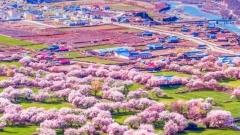
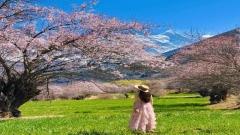
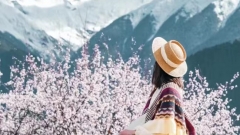
One of the greatest advantages of spring travel is the exceptional visibility. With low humidity and minimal cloud cover, photographers and sightseers alike are treated to crystal-clear views of the surrounding mountains. The famous peach blossoms in nearby regions like Nyingchi begin to bloom in late March and April, drawing travelers who combine a stay in the capital with excursions into the lower valleys. Furthermore, spring falls outside the peak summer tourist rush, meaning popular sites such as the Potala Palace and Jokhang Temple are noticeably less crowded. You will have more space to absorb the spiritual atmosphere without navigating through dense throngs of visitors.
Summer: Festivals and Warmth When You Visit Lhasa
Summer, from June to August, is the warmest and wettest time of the year. If your primary goal is to escape the heat found in lower elevations across Asia, summer is an excellent time to visit Lhasa. Daytime highs comfortably reach 22°C to 25°C (72°F to 77°F), making outdoor exploration highly enjoyable. Evenings are cool but rarely freezing, allowing for pleasant walks around Barkhor Street after dinner.
However, summer is also the rainy season. July and August see the highest precipitation, though the rain usually arrives in heavy, brief showers rather than prolonged gloomy days. The landscape transforms dramatically during these months, turning the surrounding hillsides a vibrant green—a stark contrast to the arid brown tones seen in winter. More importantly, summer hosts some of the most significant cultural events on the Tibetan calendar. The Shoton Festival, typically held in August, features spectacular unfurling of giant Thangka paintings, traditional Tibetan opera performances, and lively picnics in Norbulingka, the summer palace of the Dalai Lamas. Experiencing these festivities offers deep insight into local traditions, making the summer months a culturally rich period to visit Lhasa despite the occasional rain shower.
Autumn: Clear Skies Make It the Best Time to Visit Lhasa
Many seasoned travelers and guides argue that autumn is truly the best time to visit Lhasa. Spanning September to November, this season combines the lingering warmth of summer with the crisp, dry air of the approaching winter. By mid-September, the heavy rains have usually subsided, restoring the region’s famous panoramic visibility. The daytime temperatures hover around 15°C to 20°C (59°F to 68°F), providing ideal conditions for hiking, monastery tours, and photography.
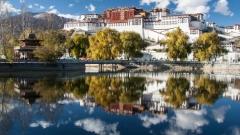
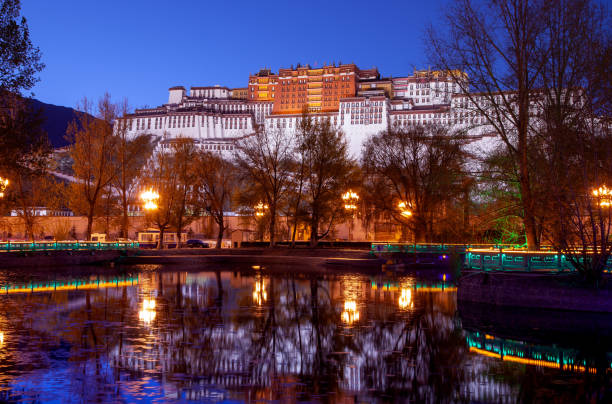
Autumn light in Tibet is particularly magical. The angle of the sun casts a golden hue over the white walls of the Potala Palace and the golden roofs of the monasteries, creating breathtaking photographic opportunities. Additionally, the harvest season brings a sense of celebration to local communities, and markets are filled with fresh produce. Because the extreme summer tourist peak begins to taper off in September, securing accommodations and entry tickets to restricted sites becomes slightly easier. For those seeking a balance of comfortable weather, stunning scenery, and manageable crowd levels, autumn delivers an unparalleled experience.
Winter: A Unique and Budget-Friendly Way to Visit Lhasa
Winter in Lhasa, from December to February, is often overlooked by mainstream tourists, yet it holds a quiet, authentic charm for the adventurous traveler. Temperatures do drop significantly, with nighttime lows frequently plunging to -10°C (14°F) or colder. However, because Lhasa is known as the Sunlight City, daytime temperatures under direct sunlight can still reach a surprisingly comfortable 8°C to 12°C (46°F to 54°F). The intense UV rays provide natural warmth, making daytime exploration quite feasible if you dress appropriately.
The biggest draw of a winter trip is the sheer lack of crowds. Without the influx of summer tourists, the city returns to its deeply spiritual roots. You will find that the pilgrims circling the Jokhang Temple far outnumber foreign visitors, offering a profoundly authentic cultural immersion. Furthermore, traveling in winter is significantly more budget-friendly. Hotels, flights, and guided tours often drop their prices to attract visitors during the low season. Snow occasionally dusts the rooftops and the distant mountain peaks, creating a serene, picturesque environment that is impossible to witness during warmer months.
Navigating Local Festivals During Your Trip
Timing your arrival to coincide with local celebrations can elevate your journey from a simple vacation to a transformative cultural experience. Beyond the previously mentioned Shoton Festival in summer, several other events dictate the best time to visit Lhasa depending on your interests. Losar, the Tibetan New Year, usually falls in February or early March. During this period, the city is alive with prayers, incense, and traditional dances. However, it is important to note that some businesses may close, and travel logistics can become complicated as locals return home to celebrate with their families.
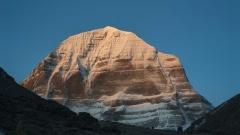
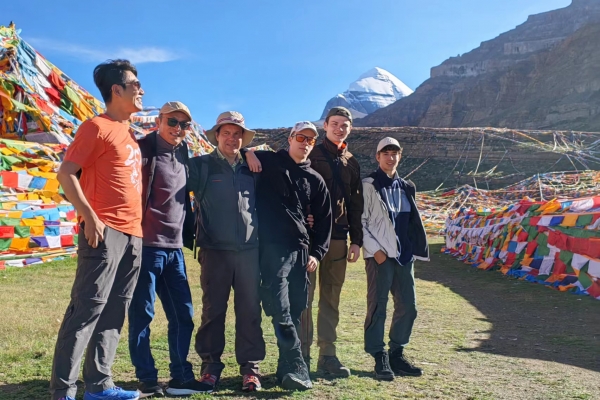
Another notable event is the Saga Dawa Festival, occurring in the fourth month of the Tibetan lunar calendar (typically May or June). This festival commemorates the birth, enlightenment, and passing of Buddha. Thousands of pilgrims gather to walk the kora (circumambulation route) around the city and Mount Kailash, creating a powerful display of devotion. Aligning your itinerary with these dates requires consulting the lunar calendar each year, as exact dates shift annually.
Practical Tips for Planning When to Visit Lhasa
Regardless of which season you ultimately choose, preparing properly is non-negotiable due to the extreme altitude. Acute Mountain Sickness (AMS) affects many travelers, so spending your first two days resting, hydrating, and avoiding strenuous activity is crucial. Avoid alcohol and heavy meals immediately upon arrival to give your body time to adjust to the thinner oxygen levels.
Packing should focus on layers. Even in summer, a warm jacket is necessary for the evenings. Sun protection is equally vital year-round; the high altitude means UV exposure is intense, so bring high-SPF sunscreen, polarized sunglasses, and a wide-brimmed hat. Finally, all foreign travelers must obtain a Tibet Travel Permit before entering the region, which requires booking through a registered travel agency.
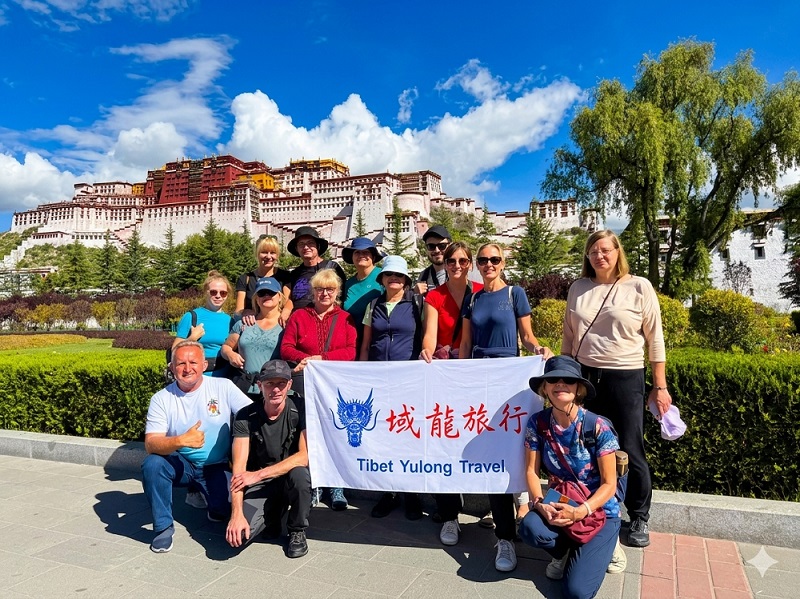
To ensure a seamless experience, working with knowledgeable professionals is highly recommended. Agencies like Tibet Yulong Travel specialize in crafting itineraries tailored to the specific season you choose. Whether you need help securing permits for a summer festival tour or arranging cozy winter accommodations, relying on experienced local operators ensures your safety and maximizes your enjoyment. They understand the nuances of the region’s climate and culture, helping you pinpoint the absolute best time to visit Lhasa based on your personal travel style and physical readiness.
Choosing when to embark on this journey ultimately comes down to your priorities. If you crave vibrant festivals and lush landscapes, aim for the summer months. If you prefer pristine mountain views and comfortable trekking weather, spring and autumn are unmatched. For those seeking solitude, spiritual depth, and cost savings, the winter chill is well worth enduring. Every season reveals a different facet of this extraordinary city, ensuring that whenever you decide to go, the magic of the Tibetan Plateau will leave a lasting impression.