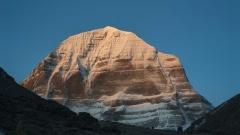
Planning a Mount Kailash Tour from Singapore is an adventure that combines spiritual significance with breathtaking high-altitude landscapes. Located in the remote Ngari Prefecture of Tibet, Mount Kailash stands at 6,638 meters and is revered by four major religions: Hinduism, Buddhism, Jainism, and Bon. For travelers departing from the tropical city-state of Singapore, reaching this sacred peak requires careful logistical preparation, physical conditioning, and an understanding of strict regional travel regulations. The journey typically involves flying into mainland China or Nepal before making your way overland or by air into western Tibet. Because independent travel to Tibet is not permitted for foreign passport holders, organizing your itinerary through authorized channels is mandatory. This comprehensive guide walks you through everything needed to successfully plan a Mount Kailash Tour from Singapore, ensuring a safe and deeply rewarding experience.
Key Takeaways:
- Foreigners must join organized groups and obtain special permits.
- Acclimatization is critical due to extreme altitudes above 5,000 meters.
- Flights from Singapore usually connect via Chengdu, Kathmandu, or Lhasa.
- May, June, September, and October offer the most stable trekking weather.
- Specialized operators like Tibet Yulong Travel simplify complex logistics.
Essential Permits for Your Mount Kailash Tour
Unlike standard tourist destinations, traveling to Mount Kailash involves navigating a highly regulated permit system. As a Singaporean passport holder, you cannot simply book a flight and arrive independently. The Chinese government requires all foreign nationals visiting the Tibet Autonomous Region to be part of an organized group tour accompanied by a licensed guide. To begin your Mount Kailash Tour, you will need a Tibet Travel Permit (TTP), which is issued by the Tibet Tourism Bureau. This document is your primary entry ticket into the region and must be arranged well in advance through a registered travel agency.
Beyond the TTP, venturing into the Ngari Prefecture where Mount Kailash is located requires additional documentation. You will need an Alien Travel Permit, issued by the local Public Security Bureau once you are inside Tibet. Furthermore, because the Kailash region sits near sensitive border areas, a Military Area Entry Permit is also mandatory. If your route takes you through Nepal—specifically crossing the border at Gyirong—you will additionally require a Chinese Group Visa obtained from the Chinese Embassy in Kathmandu. Managing these overlapping bureaucratic requirements can be overwhelming, which is why partnering with experienced agencies such as Tibet Yulong Travel is highly recommended. They handle the entire application process, coordinating with local authorities to ensure every document is secured before your departure from Singapore.

Best Routes from Singapore to Mount Kailash
Getting from Singapore to the base of Mount Kailash is a multi-leg journey that demands patience and strategic planning. There is no direct transportation link between Singapore and western Tibet, so your Mount Kailash Tour will generally follow one of two primary transit corridors: the mainland China route or the Nepal route.
The mainland China route is often preferred for its reliability regarding flight schedules. From Singapore Changi Airport, you can catch direct flights to major Chinese hubs like Chengdu, Kunming, or Guangzhou. Chengdu is particularly popular because it serves as a major gateway to Tibet. From there, you have the option to fly directly to Lhasa Gonggar Airport or take the famous Qinghai-Tibet Railway. The train journey takes approximately 36 hours but offers a gradual ascent, which can help your body begin adjusting to higher elevations. Once in Lhasa, the overland drive to Mount Kailash covers roughly 1,200 kilometers across the Tibetan Plateau, passing through Shigatse, Saga, and eventually reaching Darchen, the starting point for the Kailash kora (circumambulation).
Alternatively, the Nepal route appeals to those who wish to combine their Mount Kailash Tour with a visit to the Himalayas from the south. You can fly directly from Singapore to Kathmandu. From Kathmandu, travelers either take a short flight to Lhasa or embark on an overland journey crossing the Sino-Nepalese border at Gyirong Port. The overland route from Kathmandu to Darchen is rugged and spectacular, traversing deep gorges and high mountain passes. However, it is more susceptible to delays caused by landslides or sudden weather changes during the monsoon season.
Physical Preparation and Altitude Acclimatization
One of the most significant challenges of any Mount Kailash Tour is the extreme altitude. While Singapore sits at sea level, the town of Darchen rests at about 4,600 meters, and the highest point on the trek—the Dolma La Pass—reaches a staggering 5,630 meters. At these elevations, oxygen levels are roughly half of what you are accustomed to in Singapore, making altitude sickness a very real concern.
Physical preparation should begin months before your trip. Focus on cardiovascular endurance through activities like running, swimming, or cycling. Hiking trails in Singapore, such as those around MacRitchie Reservoir or Bukit Timah Nature Reserve, can help build leg strength, though they cannot simulate high-altitude conditions. Incorporate stair climbing and weighted backpack walking into your routine to mimic the demands of the kora.
Acclimatization is not optional; it is a vital component of your itinerary. A responsible Mount Kailash Tour schedule will include several days in Lhasa (3,650 meters) to allow your body to adjust before pushing further west. During this time, avoid strenuous exercise, alcohol, and heavy meals. Stay hydrated and move slowly. When you finally reach Darchen, spend at least one full day resting before beginning the three-day trek around the mountain. Listen to your body carefully. Symptoms of acute mountain sickness include persistent headaches, nausea, dizziness, and shortness of breath. If symptoms worsen, descending to a lower elevation is the only definitive cure. Carrying supplemental oxygen and medications like acetazolamide (Diamox), prescribed by your doctor in Singapore prior to departure, can provide crucial support during the trek.
Choosing the Right Season for Your Journey
Timing is everything when organizing a Mount Kailash Tour from Singapore. The weather in western Tibet is harsh and unpredictable, with long, brutal winters that render the trekking routes impassable. The ideal window for visiting Mount Kailash falls between May and October, with specific months offering distinct advantages.
May and June are widely considered the best months. The winter snows have mostly melted, the temperatures are relatively mild during the day, and the skies are generally clear, offering unobstructed views of the sacred peak. September and early October are equally favorable, providing stable weather after the summer monsoon rains have subsided. The autumn light casts a golden hue over the plateau, making it a favorite time for photographers.
July and August coincide with the monsoon season. While rainfall in the arid Ngari region is significantly less than in southern Tibet or Nepal, cloud cover frequently obscures the summit of Mount Kailash, and road conditions can deteriorate due to rain. Winter months, from November through April, bring heavy snowfall, sub-zero temperatures, and dangerous winds, leading many agencies to suspend operations entirely. When booking your Mount Kailash Tour, aim for the shoulder seasons to maximize your chances of a safe and visually stunning experience.
Packing Essentials for the Mount Kailash Trek
Packing for a Mount Kailash Tour requires balancing warmth, weight, and practicality. Since you will be transitioning from the humid heat of Singapore to the freezing, dry winds of the Tibetan plateau, your clothing strategy must rely heavily on layering.
Start with moisture-wicking thermal base layers to keep sweat away from your skin. Add insulating mid-layers, such as fleece jackets or lightweight down vests, which trap body heat effectively. Your outermost layer must be a high-quality, windproof, and waterproof hard shell jacket and pants. The weather at Dolma La Pass can shift from bright sunshine to driving sleet within minutes, making reliable outerwear indispensable.
Footwear is equally critical. Invest in sturdy, waterproof hiking boots with excellent ankle support and aggressive tread. Break them in thoroughly while still in Singapore to prevent blisters on the trail. Bring multiple pairs of thick wool or synthetic trekking socks. Other essential items include UV-protection sunglasses (the glare off the snow and high-altitude sun is intense), a wide-brimmed hat, thermal gloves, and a buff or neck gaiter to protect against dust and cold winds.
For the trek itself, pack a comfortable daypack to carry water, snacks, extra layers, and personal first-aid supplies. High-calorie snacks like nuts, chocolate, and energy bars are necessary to maintain stamina. Sunscreen with a high SPF and lip balm are non-negotiable, as the thin atmosphere provides little protection against ultraviolet rays. Finally, ensure you have a reliable power bank, as electricity can be scarce or unavailable in remote guesthouses along the kora route.
Why Professional Guidance Matters
Executing a Mount Kailash Tour from Singapore involves far more than booking flights and packing a bag. The logistical complexities, language barriers, strict regulatory environment, and inherent physical risks make professional guidance absolutely essential. Attempting to coordinate permits, transport, and accommodations independently in western Tibet is virtually impossible for foreign travelers.
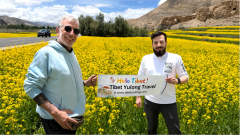
This is where specialized operators prove invaluable. Agencies like Tibet Yulong Travel possess deep local knowledge and established networks within Tibet. They understand the nuances of the permit application process, know exactly how to pace the itinerary for optimal acclimatization, and employ experienced local guides who speak English and understand the cultural significance of the sites you visit. By entrusting your Mount Kailash Tour to a reputable agency, you remove the administrative burden, allowing you to focus entirely on the physical challenge and the profound spiritual atmosphere of one of the world’s most sacred mountains. Their expertise ensures that your journey from the urban landscape of Singapore to the wild expanses of the Himalayas is seamless, safe, and unforgettable.