Planning a trip to Tibet involves more than booking flights and choosing a route. Most international visitors need to understand two separate requirements: permission to enter the Tibet Autonomous Region and the documents needed to enter China. The Tibet Travel Permit is arranged through an authorized Tibet travel agency, while a Chinese visa or another valid entry document is handled under China’s immigration rules. Which documents you need depends on your nationality, your route into China, and your travel status. Tibet travel rules can also change, so confirm the current requirements with the relevant authorities and your tour operator before paying for non-refundable arrangements. This guide explains the difference between a Tibet permit and a China visa, how applications generally work, what information to prepare, and how to avoid common planning mistakes. It is intended as practical guidance, not a substitute for official immigration advice.
Key Points
- A China visa and Tibet Travel Permit are different documents.
- Most foreign visitors need an organized Tibet tour.
- Individual permit applications are generally not accepted.
- Your route and nationality affect entry requirements.
- Confirm rules before booking transport or hotels.
Tibet Travel Permit and Tibet Visa: What Each Document Does
The phrases “Tibet visa” and “Tibet permit” are often used as if they mean the same thing. They do not. There is no separate Tibet visa issued by the Tibet Autonomous Region in the same way that a country issues a visa. Instead, international travelers generally need valid permission to visit the region, in addition to a valid document allowing them to enter China.
The Tibet Travel Permit
The Tibet Travel Permit is the main regional travel document most foreign visitors need to board transport to Lhasa and travel in the Tibet Autonomous Region. It is issued through the relevant regional authorities, and travelers normally apply through a registered Tibet travel agency. The agency submits the application using information and passport documents supplied by the traveler.
The permit is associated with an approved itinerary and travel arrangements. It is not usually a general pass that lets a visitor independently travel anywhere in Tibet. The places you may visit, the travel dates, and the arrangements for your trip can affect what additional permissions are needed. Keep your itinerary consistent with the details submitted for the application, and ask your agency before making changes.
A permit may be checked when boarding a flight or train to Lhasa, at accommodation, or at checkpoints during travel. The procedure can vary by route and circumstance. Follow the instructions provided by your tour operator, and keep the original permit available when your itinerary requires it. Do not assume a photo or digital copy will be accepted everywhere.
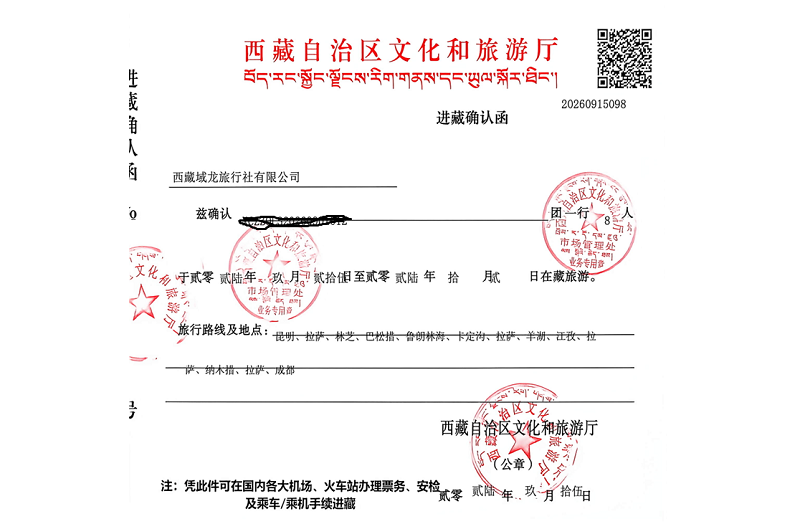
Tibet Travel Permit
A Chinese visa or another valid China entry document
A China visa, when required, is an immigration document that permits entry into China under the conditions stated on the visa. It is separate from the Tibet Travel Permit. A visitor who needs a Chinese visa must obtain the appropriate visa before traveling, unless eligible for a separate entry arrangement that applies to their nationality and itinerary.
China’s visa-exemption policies and transit arrangements can change. Eligibility may depend on passport nationality, permitted duration, port of entry, onward travel, and whether the traveler stays within an allowed area. Do not assume that visa-free entry to mainland China automatically removes the need for a Tibet Travel Permit or approval for a Tibet itinerary. Likewise, a Tibet Travel Permit does not replace a visa or other document required to enter China.
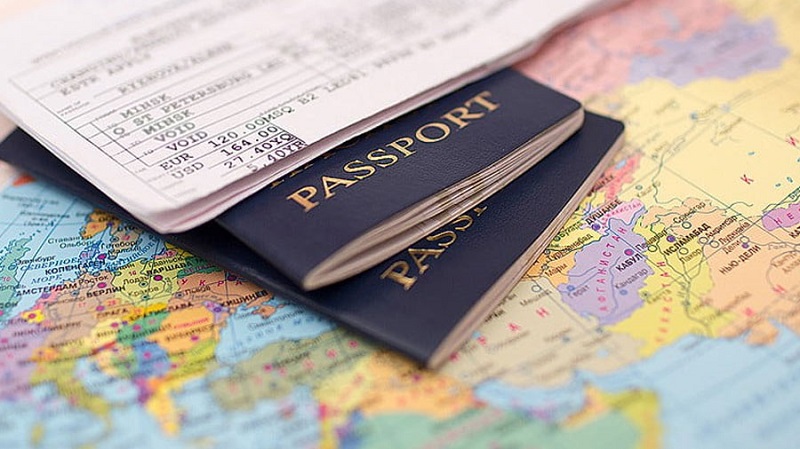
China Visa
Who Needs a Tibet Travel Permit?
For ordinary tourism in the Tibet Autonomous Region, foreign passport holders generally need a Tibet Travel Permit and must arrange the visit through an authorized travel agency. The agency can explain the current process and whether the planned route requires additional documents. The application procedure is not typically an independent, walk-in process for individual visitors.
Travel requirements can differ for foreign diplomats, journalists, government personnel, and people traveling for professional or official purposes. These travelers should not assume that the standard tourist procedure applies to them. They should contact the appropriate authorities or their institution before making plans.
Chinese citizens generally do not use the foreign-tourist Tibet Travel Permit process. However, this does not mean that every traveler, route, or destination is unrestricted. Local access rules and transport arrangements can still apply. Hong Kong and Macao residents, foreign permanent residents of China, and travelers with unusual passport or residency circumstances should ask an authorized agency or relevant government office which procedure applies to their documents.
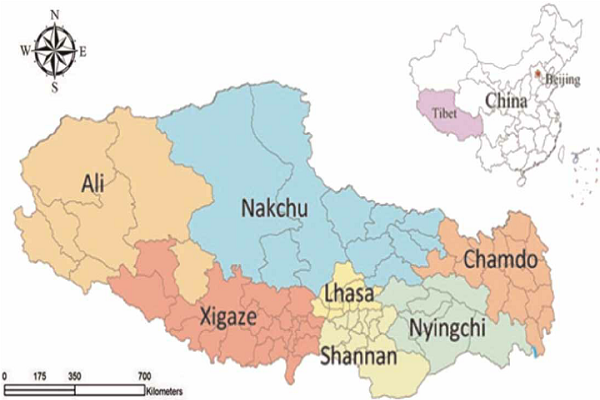
A traveler who is only connecting through an airport or traveling to a destination outside the Tibet Autonomous Region may face different requirements. Confirm the exact geographic scope of your route. “Tibet” is sometimes used broadly in travel conversations, while permit rules relate to specific administrative areas and destinations.
How to Arrange the Tibet Travel Permit?
The usual starting point is selecting a tour operator that is authorized to organize trips in Tibet. Share your intended travel dates, route, group size, and passport nationality. The operator should explain which services and documents are required for your specific itinerary before you commit to a booking.
Information and documents to prepare
The application commonly requires a clear copy of the passport identity page and details such as the traveler’s full name, nationality, passport number, date of birth, and occupation. Your agency may also request details about your China visa or other entry status, arrival route, and planned accommodation. The exact document list can vary, so follow the agency’s current written instructions rather than relying on an old checklist found online.
Make sure the passport details you provide match your travel documents exactly. Differences in spelling, passport number, or dates can cause delays or require the application to be corrected. If you are renewing a passport, changing flights, or applying for a visa after starting the permit process, tell your agency immediately. Ask whether the application needs updated documents and whether the revised details can be accommodated.
Timing and application expectations
There is no universal processing time that can be guaranteed for every traveler and itinerary. Processing can depend on the application, travel dates, administrative requirements, and operational conditions. Your agency should advise when to submit documents and when transport bookings can safely be finalized. Avoid treating an estimated processing period as a promise or booking non-refundable travel on the assumption that a permit will arrive by a particular date.
The permit is generally arranged for a specific trip rather than obtained as a long-validity travel document. It is not a substitute for planning: a confirmed itinerary, a valid passport, and the required China entry document still matter. Ask your operator how the permit will be delivered or handed over and what to do if a transport provider asks to see it before departure.
Why an independent application is usually not an option
The regional permit process is tied to tourism arrangements and authorized operators. Travelers should be cautious of websites or intermediaries claiming that they can sell a permit without a genuine, approved itinerary. A document obtained through an unofficial channel may not be accepted, and a traveler could be refused boarding or encounter problems during the trip.
Before transferring money, verify the agency’s identity, its Tibet travel services, the itinerary, cancellation conditions, and what is included in the quoted price. Request clear answers about the permit process, not just a vague assurance that “everything is arranged.”
How Your Route Affects Visa and Permit Planning
The correct order of arrangements depends in part on how you enter China and reach Tibet. Many international visitors first arrive in another Chinese city and then continue to Lhasa by air or train. Others enter from a neighboring country or combine Tibet with a longer regional itinerary. The required documents and the practical way the permit is checked may differ between routes.
Flying to Lhasa from mainland China
For a flight to Lhasa from another city in mainland China, travelers generally need the required Tibet Travel Permit before boarding. Airlines may check the document at the departure airport. Carry the passport used for the application and follow the agency’s instructions about the original permit and any copies.
If you are planning a multi-city itinerary before Tibet, allow enough time for your visa arrangements and permit processing. A tight connection can create problems if an application is delayed or a flight schedule changes. Keep your ticket names consistent with your passport and avoid changing the route without checking whether the permit details must also be revised.
Taking the train to Lhasa
The same basic distinction applies to rail travel: a valid China entry document and the required regional travel permission are separate matters. Train operators may inspect the permit during the ticketing or boarding process, and procedures can depend on the station and current rules. Ask your tour operator how your permit will be provided and when you should expect to receive it.
Train tickets can be subject to availability and sales schedules. A permit does not guarantee a seat, and a train reservation does not replace the permit. Coordinate the two arrangements rather than treating either one as sufficient on its own.
Entering from Nepal or another neighboring destination
Travelers arriving from Nepal should plan carefully because the visa procedure may differ from applying for a Chinese visa in their home country. The appropriate process can depend on nationality, the route, and the current rules for entering China. Do not assume that a visa issued elsewhere, a border procedure, or a previously held visa automatically works for a Nepal-to-Tibet itinerary.
Discuss the full route with your Tibet travel agency before arranging flights, hotels, or onward transport. Ask specifically which China entry document is required, where it must be obtained, and whether it needs to be in place before you travel to Nepal. Confirm details with the relevant Chinese authorities or official visa service for your circumstances. Rules and operational procedures may change, and an itinerary involving an international land border can be less flexible than one beginning in mainland China.
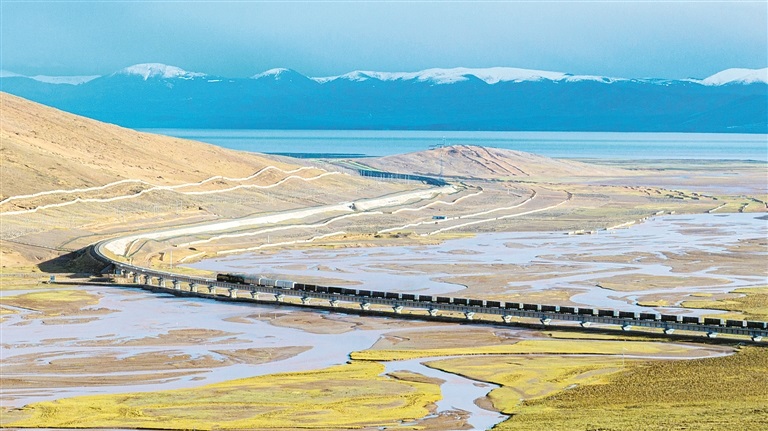
Qinghai-Tibet Railway Train7
Common Planning Mistakes to Avoid
Confusing the permit with a visa
The most important mistake is assuming that one document covers both purposes. A China visa concerns entry into China; the Tibet Travel Permit concerns travel in the region. Check both requirements against your passport and route. If you are eligible for a visa exemption, verify separately whether the Tibet permit and organized-tour requirements still apply.
Booking non-refundable travel too early
Flights, trains, and hotels may have strict cancellation terms. Before paying for non-refundable arrangements, ask when your agency expects to submit the permit application and what happens if approval is delayed. Leave a reasonable buffer between arrival in China and onward travel to Tibet when your schedule allows.
Changing the itinerary without checking
The permit application is linked to your trip details. Adding a remote destination, changing dates, or entering through a different route could require a review or additional permission. Tell your operator about proposed changes before booking them. Do not assume that a permit for Lhasa automatically covers every location in the region.
Relying on outdated online advice
Visa policies, entry procedures, transport checks, and permit requirements can change. Old travel blogs and forum posts may describe rules that no longer apply or procedures designed for a different nationality. Use current guidance from official channels and an authorized Tibet operator, and confirm the specific rules for your passport and dates.
Treating a permit as a guarantee of access
A permit is not a guarantee that every place will be open or that the itinerary cannot change. Access to certain destinations may depend on additional approvals, local conditions, or operational restrictions. Your agency should explain what is included in the approved route and what alternatives may be available if access changes.
Planning With China Dragon Travel
A specialist operator such as China Dragon Travel can help coordinate the itinerary and explain the document process for a Tibet trip. When comparing agencies, ask whether the operator is authorized to arrange Tibet travel, what is included in the tour price, which documents it needs from you, and how it handles permit applications. Request a written itinerary with dates, destinations, transport, accommodation arrangements, and any services that are not included.
It is also useful to ask how the agency communicates application progress, what support is available if your flight or passport details change, and what happens if a destination becomes inaccessible. A reliable operator should distinguish clearly between the Tibet Travel Permit, a China visa, and any additional approvals that might apply. It should not promise guaranteed entry or claim that a visa is unnecessary without checking the traveler’s specific eligibility and route.
Keep copies of your correspondence, receipts, passport details, and confirmed itinerary. Share accurate information, respond promptly if the agency requests clarification, and check that the final documents match your travel plans. For immigration questions beyond the operator’s role, consult the relevant Chinese embassy, consulate, or official visa service.

Frequently Asked Questions
Is a Tibet Travel Permit the same as a China visa?
No. The Tibet Travel Permit is regional permission for travel in the Tibet Autonomous Region. A China visa, when required, is an entry document for China. Many foreign visitors need to plan for both, unless a specific visa exemption or other entry arrangement applies to their situation.
Can I apply for the Tibet Travel Permit by myself?
For ordinary foreign tourism, travelers generally arrange the permit through an authorized Tibet travel agency as part of an organized itinerary. Contact an agency early to confirm the current process and the documents required for your route.
Can I visit Tibet without a Chinese visa?
That depends on your nationality, route, and eligibility for any current visa-exemption or transit arrangement. A visa exemption does not automatically remove the Tibet Travel Permit requirement. Verify both requirements separately before departure.
How long does it take to get a Tibet Travel Permit?
Processing time can vary with the itinerary and administrative conditions, so there is no guaranteed timeline for every application. Follow your operator’s current advice, submit accurate documents promptly, and avoid relying on an unconfirmed estimate for non-refundable bookings.
Does the Tibet Travel Permit let me visit every destination in Tibet?
Not necessarily. The permit is connected to an itinerary, and some destinations may require additional approval or be subject to access restrictions. Ask your agency which places are covered and check before changing your route.