Tibet is often called the Roof of the World, a place where towering peaks meet vast plateaus and ancient monasteries echo with centuries of devotion. For travelers dreaming of this high-altitude destination, figuring out the Best Time to Visit Tibet is the first crucial step in planning a successful journey. The region’s unique geography means that weather patterns, road conditions, and cultural events vary dramatically throughout the year. Choosing the right window can mean the difference between clear views of Mount Everest and being snowed in at a mountain pass.
Before diving into the details, here are the key takeaways for planning your Tibetan adventure:
- Spring and autumn offer the clearest skies and most comfortable temperatures.
- Summer brings warmer weather and lush landscapes but coincides with the rainy season.
- Winter provides solitude and deep cultural immersion, though cold temperatures require preparation.
- Major Tibetan festivals are excellent reasons to time your visit around specific dates.
- Always factor in altitude acclimatization regardless of when you choose to travel.
Understanding the Climate: Why the Best Time to Visit Tibet Matters
Sitting at an average elevation exceeding 4,000 meters, Tibet experiences a harsh climate characterized by intense sunlight, thin air, and dramatic temperature swings between day and night. Unlike many other travel destinations where seasons blend gently into one another, Tibet’s transitions are distinct. The concept of the Best Time to Visit Tibet depends heavily on what you want to experience. Are you chasing the perfect photograph of Mount Everest without cloud cover? Do you want to witness monks debating in the courtyards of Sera Monastery under mild sunshine? Or perhaps you are looking to trek through blooming alpine meadows? Your priorities will dictate your ideal travel window. Generally, the region avoids extreme humidity, but the brief monsoon season significantly impacts visibility and road accessibility. Understanding these climatic rhythms is essential for any traveler preparing to cross the Himalayas.
Spring Awakening: April to May
Spring is widely considered one of the prime windows for exploring the plateau. As the biting winter winds begin to subside, daytime temperatures become noticeably more forgiving, usually hovering between 10°C and 15°C in Lhasa, though nights remain chilly. This period marks the return of clear blue skies, making it an exceptional time for photography and sightseeing. The melting snow feeds the rivers, and the landscape slowly transitions from stark brown to hints of green.
One of the most compelling reasons to visit during spring is the blooming of the peach blossoms in the Nyingchi region. Located at a lower elevation than Lhasa, Nyingchi enjoys a milder microclimate. Every year, typically in early to mid-April, the valleys erupt in clouds of pink and white flowers set against the backdrop of snow-capped peaks. It is a surreal contrast that draws photographers from around the globe.
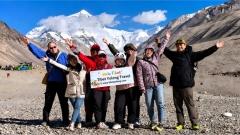
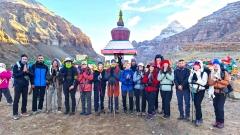
Furthermore, spring offers excellent visibility for viewing Mount Everest. Before the summer monsoon clouds roll in, the chances of seeing the world’s highest peak standing sharp and unobstructed are remarkably high. Roads that may have been closed due to heavy winter snows generally reopen by late April, restoring access to remote areas like Mount Kailash for those eager to begin their pilgrimage treks.
Summer Vibrancy: June to August
Summer is the warmest time on the plateau, with daytime temperatures in Lhasa frequently reaching 20°C to 25°C. The oxygen levels in the air are slightly higher during these months because the warmer atmosphere expands, which can make the initial acclimatization process marginally easier for new arrivals. The grasslands turn a vibrant green, and nomadic herders move their yaks and sheep to higher pastures, offering travelers a glimpse into traditional pastoral life.
However, summer also brings the monsoon. While Tibet does not experience the relentless downpours seen in lower-altitude parts of Asia, July and August do see increased precipitation. Rain usually falls at night or in short afternoon bursts, but the accompanying cloud cover can obscure mountain views. If your primary goal is to see the summit of Everest or Cho Oyu, summer might present challenges due to heavy mist and low-hanging clouds.
Despite the rain, summer is culturally rich. The Shoton Festival, usually held in August, is one of the most spectacular events in the Tibetan calendar. It begins with the unveiling of a massive Thangka (Buddhist scroll painting) at Drepung Monastery, followed by days of traditional opera performances, picnicking, and celebrations across Lhasa. Timing your trip to coincide with Shoton transforms a standard sightseeing tour into a deeply immersive cultural experience.
Autumn Clarity: September to October
If there is a consensus among seasoned travelers and guides regarding the Best Time to Visit Tibet, autumn is frequently crowned the winner. By September, the monsoon rains have retreated, leaving behind washed, crystalline skies. The air turns crisp, and the visibility reaches its annual peak. This is the ultimate season for trekkers, mountaineers, and anyone wanting uninterrupted panoramic views of the Himalayan range.
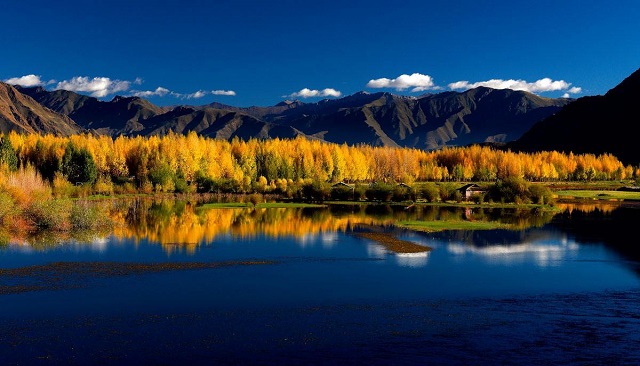
The temperatures during autumn are incredibly comfortable for exploration. Days are warm enough for hiking in just a light fleece, while the evenings require a good down jacket as temperatures drop rapidly after sunset. The landscapes transform into a palette of gold, amber, and deep red, particularly in the forested regions of eastern Tibet and the Yarlung Tsangpo Grand Canyon.
Road conditions are generally excellent during these two months. The ground is dry, reducing the risk of landslides or muddy tracks that can plague summer travel. Overland journeys, such as the drive from Lhasa to Kathmandu via the Sino-Nepal Friendship Highway, are much smoother and more reliable in autumn. Because the weather is so predictable, itineraries rarely need to be altered due to sudden storms.
Winter Solitude: November to March
Winter in Tibet is not for the faint of heart, but it holds a unique appeal for adventurous travelers seeking authenticity away from the crowds. Temperatures plummet, especially at night, frequently dropping well below freezing. However, because the air is incredibly dry and the sun shines intensely even in December, daytime temperatures in sheltered areas like Lhasa can feel surprisingly pleasant, often reaching 8°C to 10°C in direct sunlight.
The primary advantage of winter travel is the sheer emptiness of the tourist sites. You can wander the halls of the Potala Palace or walk the kora circuit around Barkhor Street alongside only local pilgrims, experiencing the spiritual heartbeat of Tibet without the distraction of large tour groups. Hotels and flights often offer significant discounts during this off-peak season, making it a budget-friendly option.
Travelers must be prepared for logistical hurdles. High mountain passes may close unexpectedly due to snowfall, and some remote guesthouses shut down for the season. Oxygen levels feel lower due to the cold, dense air, requiring careful attention to altitude sickness prevention. Yet, for those who come prepared with proper thermal gear, winter reveals a stark, beautiful, and profoundly quiet side of the plateau.
Navigating Festivals and Cultural Events
Tibetan culture is deeply intertwined with its religious calendar, and aligning your visit with major festivals can elevate your trip from memorable to extraordinary. Beyond the summer Shoton Festival, Losar (the Tibetan New Year) usually falls in February or March. During Losar, monasteries are adorned with fresh decorations, families gather for special meals, and ancient cham dances are performed by monks wearing elaborate masks. Visiting during Losar requires booking well in advance, as accommodations fill up quickly with domestic travelers.
Saga Dawa, occurring in May or June, commemorates the birth, enlightenment, and passing of Buddha. It is a highly sacred month where locals refrain from eating meat and engage in continuous prayer. The circumambulation routes around Mount Kailash and the temples in Lhasa are thronged with devoted pilgrims spinning prayer wheels and chanting mantras. Witnessing Saga Dawa offers a profound look into the living faith that sustains the Tibetan people.
Essential Travel Tips for Any Season
Regardless of when you determine is the Best Time to Visit Tibet, certain preparations are non-negotiable. First, all foreign travelers must obtain a Tibet Travel Permit, which cannot be applied for independently; it must be arranged through a registered travel agency as part of an organized tour. Second, altitude sickness is a reality. Plan to spend your first two to three days in Lhasa resting, hydrating, and avoiding strenuous activity before heading to higher elevations like Everest Base Camp.
Packing layers is the golden rule of Tibetan travel. The temperature variance between sun and shade, or day and night, demands versatile clothing. Sun protection is equally critical; the UV radiation at high altitudes is fierce, so high-SPF sunscreen, sunglasses, and wide-brimmed hats are daily essentials.
For those seeking a seamless and deeply informed travel experience, partnering with knowledgeable local experts makes a significant difference. Agencies like Tibet Yulong Travel specialize in crafting itineraries that respect both the fragile environment and the rich cultural heritage of the region. Whether you are planning a spring photography expedition to Nyingchi, a summer festival tour in Lhasa, or an autumn overland trek, experienced operators ensure that logistics, permits, and acclimatization schedules are handled flawlessly. Their deep local connections allow travelers to access authentic experiences that go far beyond standard guidebooks, ensuring your journey to the Roof of the World is safe, respectful, and truly unforgettable.