High on the vast Changtang Plateau, where the air is thin and the grasslands stretch endlessly toward snow-capped peaks, one of Tibet’s most spectacular cultural events unfolds. The Nagqu Horse Racing Festival is far more than a simple sporting competition; it is a profound celebration of nomadic heritage, horsemanship, and community spirit that has thrived for centuries. Every summer, thousands of herdsmen gather in Nagqu City to showcase their riding skills, trade goods, sing folk songs, and honor traditions passed down through generations. For travelers seeking an authentic glimpse into Tibetan nomadic life away from the usual tourist trails, this vibrant gathering offers an unforgettable experience filled with raw energy, colorful costumes, and deep cultural significance.
Key Highlights of the Festival:
- Held annually in August on the northern Tibet plateau.
- Features thrilling horse racing and daring equestrian acrobatics.
- Showcases rich nomadic culture, traditional costumes, and folk music.
- Serves as a major trading hub for local herdsmen.
- Requires careful altitude preparation due to Nagqu’s extreme elevation.
Origins and History of the Nagqu Horse Racing Festival
To truly appreciate the scale and atmosphere of the Nagqu Horse Racing Festival, it helps to understand its deep historical roots. Nagqu, situated in the northern part of the Tibet Autonomous Region, is the heartland of the Changtang pastoral area. For centuries, the nomadic communities here have relied entirely on yaks, sheep, and horses to survive in one of the harshest environments on Earth. Horses were not just transportation; they were symbols of wealth, status, and survival.
Historically, gatherings of nomadic tribes naturally evolved into occasions for young men to prove their bravery and riding prowess. What began as informal competitions among neighboring herding camps gradually formalized into a structured regional event. Over time, religious ceremonies led by local monks were integrated into the proceedings, blessing the riders and the animals before the races began. Today, the festival retains these ancient spiritual undertones while serving as a vital social anchor for scattered nomadic families who might only see each other once a year during this grand assembly.
When and Where the Nagqu Horse Racing Festival Takes Place
Timing your visit correctly is essential for experiencing the festival at its peak. The Nagqu Horse Racing Festival is traditionally held in August, coinciding with the warmest weather and the period when the high-altitude grasslands are at their greenest and most lush. Because the dates can shift slightly based on the Tibetan lunar calendar and local government scheduling, it is always wise to verify the exact dates for your planned travel window before booking flights or accommodations.
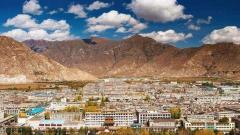
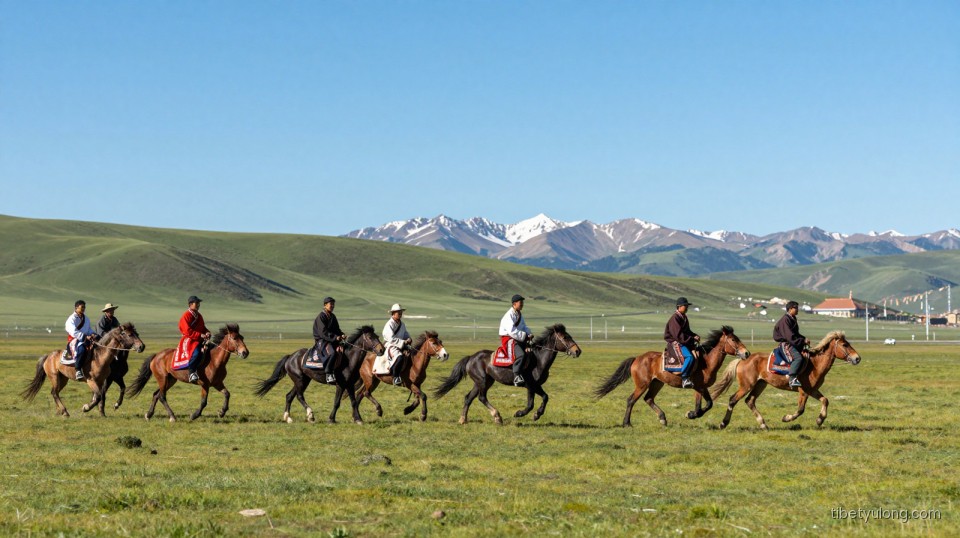
The main events take place at the dedicated horse racing grounds located near Nagqu City. Sitting at an astonishing elevation of over 4,500 meters (about 14,700 feet), Nagqu is one of the highest cities in the world. The sheer altitude dictates the rhythm of life here, and the festival is scheduled specifically when the oxygen levels and temperatures are most forgiving for both the locals and the visiting spectators. The expansive grounds transform into a temporary city of tents, creating a breathtaking visual contrast against the stark, beautiful landscape of the northern Tibetan plateau.
Thrilling Equestrian Events and Competitions
The core attraction of the Nagqu Horse Racing Festival is, naturally, the horses and the extraordinary skill of their riders. The equestrian events are divided into several categories, each designed to test different aspects of speed, endurance, and agility. The long-distance races are grueling tests of stamina, where horses gallop across miles of open grassland, kicking up dust as the crowd roars in anticipation. Short-distance sprints are equally explosive, showcasing the raw power of the Tibetan ponies, which are smaller but incredibly robust and adapted to the thin air.
However, the most visually stunning events are the equestrian acrobatics. Highly trained riders perform gravity-defying stunts while their horses run at full gallop. You will see riders standing upright on the saddle, hanging off the side of the horse to pick up objects from the ground (a skill historically used to rescue fallen comrades or retrieve weapons), and even shooting arrows or firing rifles at targets while riding at breakneck speeds. These displays require years of practice and a profound bond between the rider and the horse, making them the absolute highlight of the entire festival.
Nomadic Culture, Tents, and Traditional Costumes
Beyond the racetrack, the Nagqu Horse Racing Festival is a living museum of Tibetan nomadic culture. The area surrounding the stadium quickly fills with hundreds of traditional yak-hair tents pitched by families who have traveled for days to attend. Walking through this sprawling tent city is an immersive sensory experience. You will smell the distinct aroma of burning juniper branches used in purification rituals, hear the rhythmic chanting of prayers, and see the smoke rising from stoves brewing endless pots of yak butter tea.
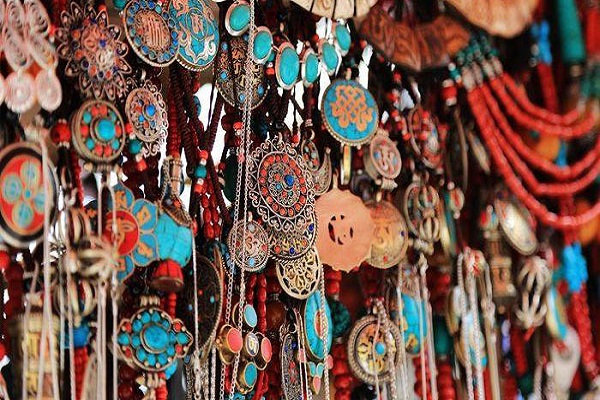
The festival is also the premier occasion for locals to wear their finest traditional clothing. Men often don heavy, fur-lined chubas (Tibetan robes) adorned with intricate silver belts, carrying ornate knives that signify their status as protectors of their herds. Women wear elaborate headdresses decorated with turquoise, coral, amber, and silver coins, representing the accumulated wealth of their families. The colors are vibrant—deep reds, bright yellows, and vivid blues—creating a stunning visual tapestry that photographers and cultural enthusiasts find absolutely captivating.
Folk Music, Dancing, and Social Gatherings
When the races conclude for the day, the festive atmosphere does not fade; it simply shifts gears. Evenings at the Nagqu Horse Racing Festival are dedicated to music, dancing, and socializing. Nomads form circles on the grass to perform traditional Guozhuang dances, moving in synchronized steps to the rhythm of folk songs sung without instrumental accompaniment. The lyrics often tell stories of the mountains, the beauty of the grasslands, love, and the hardships of nomadic life.
This social aspect is arguably just as important as the sporting events. For herdsmen living in isolated areas spread across thousands of square kilometers, the festival is a rare opportunity to reunite with extended family, arrange marriages, settle disputes, and share news. Young people use the gathering to court potential partners, often exchanging songs in a playful musical dialogue. The sense of community is palpable, offering visitors a genuine look at how social bonds are maintained in one of the world’s most remote regions.
Trade, Commerce, and Local Delicacies
Historically, large gatherings in Tibet served as vital marketplaces, and the Nagqu Horse Racing Festival continues this tradition. A bustling market springs up alongside the encampments, where traders sell everything from saddlery and riding gear to household items, religious artifacts, and modern consumer goods. It is a fascinating blend of ancient barter-style trading and contemporary commerce.
For food lovers, the festival provides an excellent opportunity to sample authentic nomadic cuisine. Vendors offer dried yak meat, which is chewy, salty, and packed with protein—perfect for high altitudes. You can try fresh momos (Tibetan dumplings) filled with meat or vegetables, sip on warm chang (fermented barley wine), and taste tsampa (roasted barley flour) mixed with butter tea. Sharing a meal inside a local’s tent is a common occurrence if you approach with respect and a friendly demeanor, turning a simple lunch into a memorable cultural exchange.
Essential Travel Tips for Attending the Nagqu Horse Racing Festival
Traveling to Nagqu requires careful planning, primarily due to the extreme altitude and remote location. Altitude sickness is a serious concern. Visitors should spend several days acclimatizing in Lhasa (which sits at a lower, though still significant, 3,650 meters) before traveling north to Nagqu. Consulting with experienced local operators like Tibet Yulong Travel can be invaluable for arranging safe itineraries, securing reliable transportation, and ensuring proper acclimatization schedules. Professional guidance helps mitigate health risks and navigates the logistical challenges of the region.
Accommodation in Nagqu during the festival books up incredibly fast. While there are hotels in the city, many travelers opt for guesthouses or, if permitted, camping near the festival grounds for a more immersive experience. Regardless of where you stay, pack layers. Even in August, daytime temperatures can be mild, but nights on the plateau drop close to freezing. Sun protection is non-negotiable; the UV rays at 4,500 meters are intense, so bring high-SPF sunscreen, sunglasses, and a wide-brimmed hat. Finally, always ask for permission before photographing individuals or entering private tents, as respecting local customs ensures a welcoming and enriching experience for everyone involved.