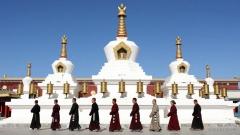
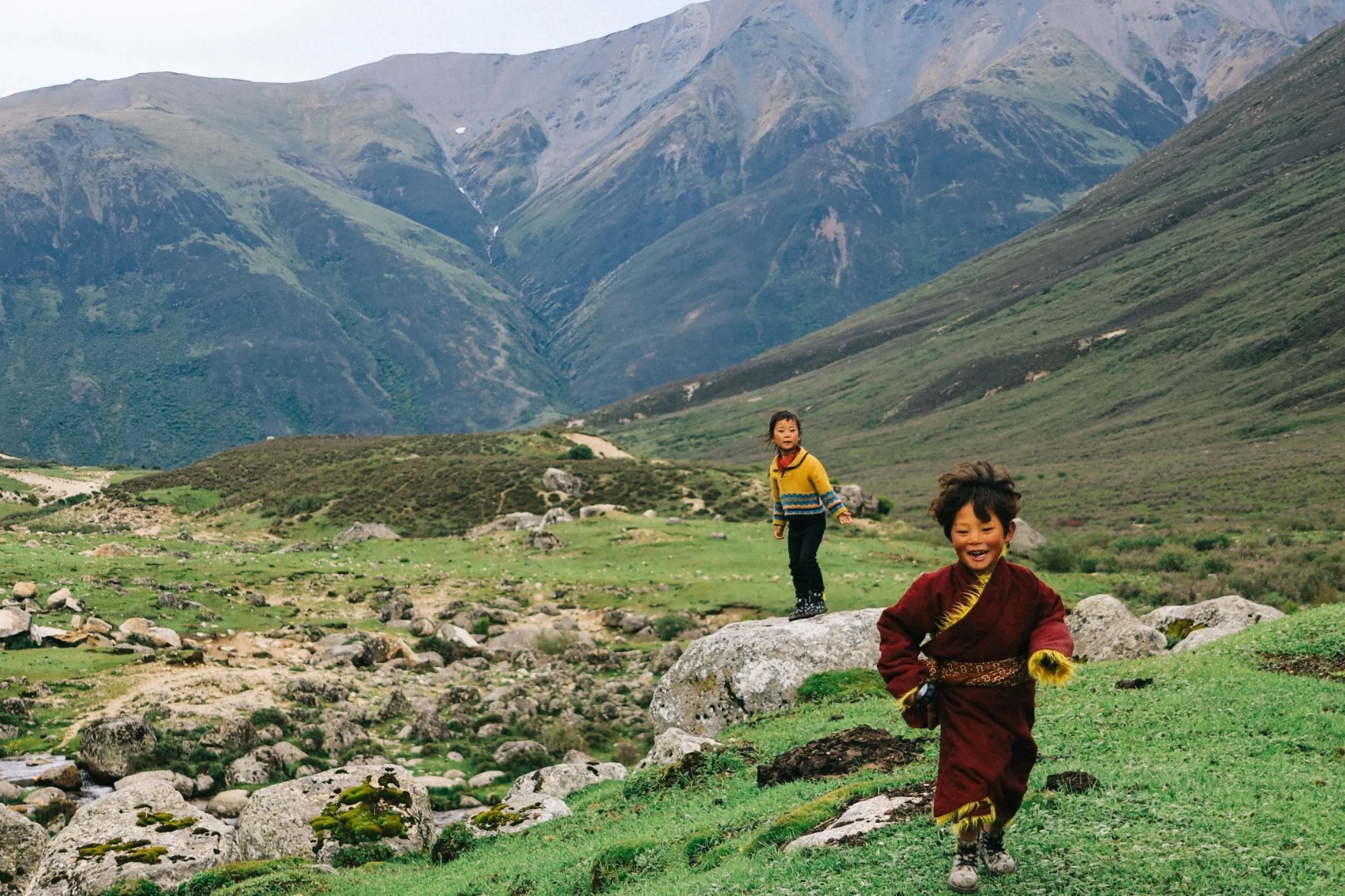
Singapore is known for its tropical climate, modern skyline, and bustling city life. For many residents seeking something entirely different, the idea to travel to Tibet from Singapore has become increasingly popular. Swapping humidity for crisp mountain air and skyscrapers for ancient monasteries offers a profound shift in perspective. However, reaching the Roof of the World requires careful planning, especially regarding travel documents and high-altitude logistics. This guide breaks down everything you need to know to make your journey seamless and memorable.
Key Takeaways:
- A Chinese visa and Tibet Travel Permit are mandatory.
- Most travelers fly from Singapore to mainland China first.
- Acclimatization is crucial to prevent altitude sickness.
- Independent travel is not allowed; a guided tour is required.
- Pack layered clothing due to extreme daily temperature shifts.
Why Travel to Tibet from Singapore?
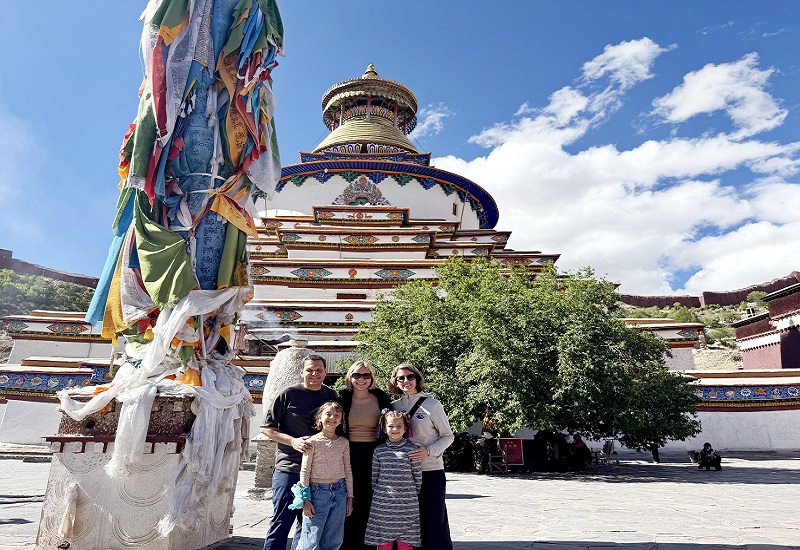
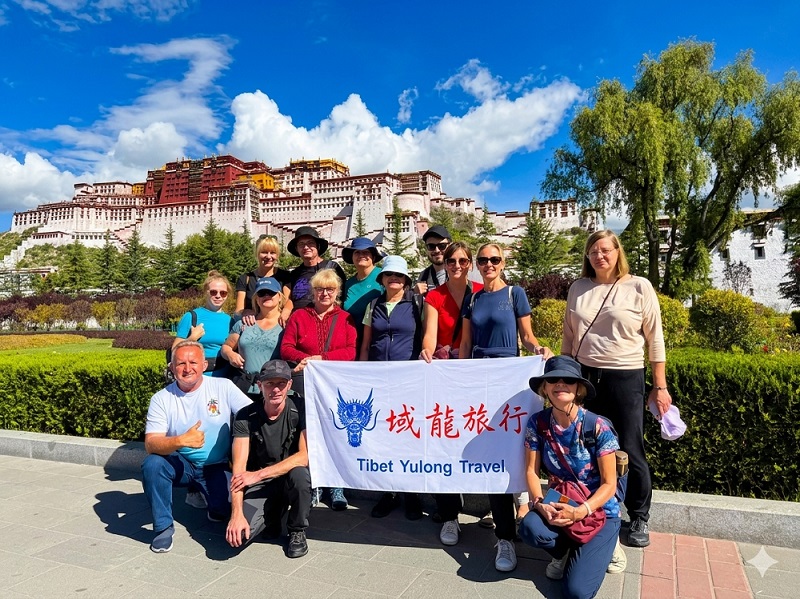
The contrast between Singapore and Tibet is striking. While Singapore sits just one degree north of the equator with consistent warmth, Tibet averages over 4,000 meters above sea level, offering dramatic landscapes ranging from snow-capped peaks to vast grasslands. The decision to travel to Tibet from Singapore is often driven by a desire for spiritual exploration, unique photography opportunities, and a break from the fast-paced urban environment. The region’s rich Buddhist heritage, pristine lakes like Yamdrok and Namtso, and the iconic Potala Palace provide experiences that cannot be found anywhere else in Southeast Asia or beyond.
Essential Permits to Travel to Tibet from Singapore
Unlike traveling to neighboring countries such as Malaysia or Thailand, you cannot simply book a flight and arrive. When you plan to travel to Tibet from Singapore, securing the correct documentation is your first and most critical step. As a Singaporean passport holder, you must obtain a standard Chinese Tourist Visa (L Visa) before departure if entering via mainland China. If you choose to enter via Nepal, a Chinese Group Visa issued in Kathmandu is required instead.
Beyond the Chinese visa, every foreign visitor needs a Tibet Travel Permit (TTP). This document is issued by the Tibet Tourism Bureau and cannot be applied for independently. You must book your itinerary through a registered local travel agency, which will handle the permit application on your behalf using copies of your passport and Chinese visa. Processing typically takes several weeks, so early planning is essential. Additionally, if your route includes remote areas like Mount Everest Base Camp or Mount Kailash, an Alien Travel Permit and Military Permit will also be arranged by your agency.
Best Flight Routes to Travel to Tibet from Singapore
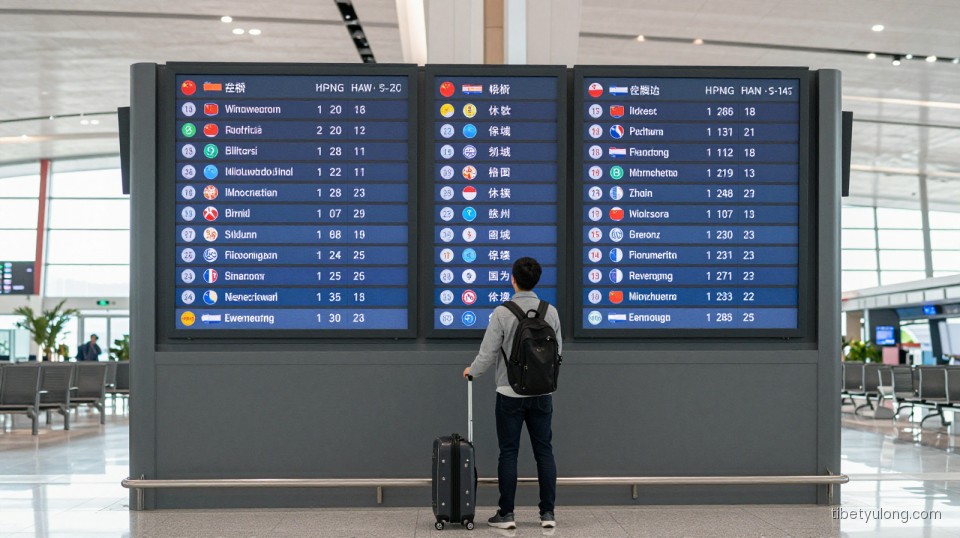
There are no direct flights connecting Singapore Changi Airport to Lhasa Gonggar Airport. To travel to Tibet from Singapore, you must transit through a major gateway city. The most common and efficient routing involves flying from Singapore to cities like Chengdu, Chongqing, Kunming, or Guangzhou. Among these, Chengdu is widely considered the best hub. It offers the highest frequency of daily flights to Lhasa, and the flight duration from Singapore to Chengdu is manageable, usually around four to five hours.
From Chengdu, the flight to Lhasa takes approximately two and a half hours. These domestic flights often depart early in the morning to take advantage of stable weather conditions over the Himalayas. Another viable option is flying into Kathmandu, Nepal, from Singapore, and then taking a short trans-Himalayan flight to Lhasa or crossing the border by land. The overland route from Nepal allows for a gradual ascent, though the road conditions can be challenging. Regardless of the route chosen, booking domestic connecting flights well in advance is highly recommended, especially during peak tourist seasons in summer and early autumn.
Overcoming Altitude Sickness After Leaving Singapore
Singapore’s elevation is practically at sea level, making the transition to Tibet’s high-altitude environment physically demanding. Altitude sickness is a genuine concern when you travel to Tibet from Singapore, but it is manageable with proper preparation. Symptoms can include headaches, nausea, fatigue, and shortness of breath, typically appearing within the first 24 to 48 hours after arrival in Lhasa.
To mitigate these risks, avoid strenuous physical activity immediately upon landing. Walk slowly, stay hydrated, and refrain from consuming alcohol or heavy meals during your first few days. Many experienced travelers recommend consulting a doctor in Singapore before departure to discuss preventive medications, such as acetazolamide. Upon arriving in Lhasa, spend at least two full days resting and acclimatizing before venturing to higher elevations like Yamdrok Lake or Everest Base Camp. Listening to your body is paramount; if symptoms worsen, descending to a lower altitude is the only definitive cure.
Choosing the Right Tour Operator for Your Journey
Because independent travel is restricted for foreign nationals, selecting a reliable tour operator is a non-negotiable part of your planning. The agency you choose will dictate the quality of your guides, the comfort of your vehicles, and the smooth processing of your permits. When looking to travel to Tibet from Singapore, researching operators with experience handling international clients is vital.
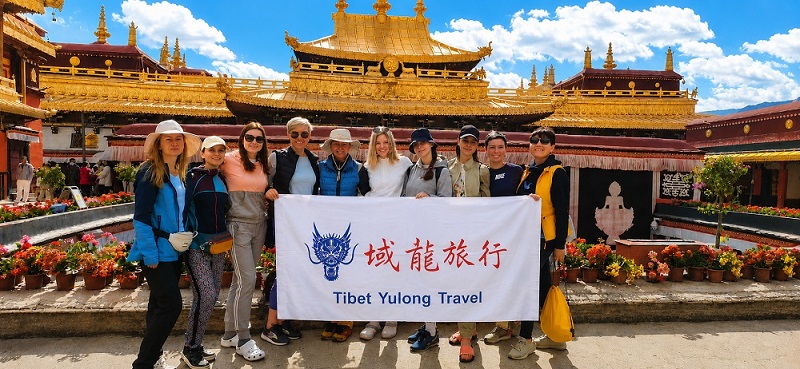
Agencies like Tibet Yulong Travel specialize in organizing comprehensive itineraries for overseas visitors. They understand the specific logistical challenges faced by travelers coming from Southeast Asia, including flight connections and dietary requirements. A reputable operator will provide clear communication regarding permit timelines, offer experienced English-speaking Tibetan guides, and ensure that vehicles are equipped with oxygen supplies for high-altitude passes. Working with established professionals ensures that your focus remains on enjoying the breathtaking scenery rather than navigating bureaucratic hurdles.
What to Pack When You Travel to Tibet from Singapore
Packing for this trip requires a complete mindset shift compared to typical holidays from Singapore. The climate in Tibet is characterized by intense solar radiation, dry air, and massive temperature fluctuations between day and night. Even in summer, evenings at high altitudes can drop near freezing. Layering is the most effective strategy. Bring moisture-wicking base layers, insulating mid-layers like fleece or down jackets, and a windproof, waterproof outer shell.
Sun protection is absolutely critical. The thinner atmosphere means UV rays are significantly stronger than what you experience in Singapore. Pack high-SPF sunscreen, polarized sunglasses with UV protection, and a wide-brimmed hat. Lip balm and heavy moisturizers are necessary to combat the extreme dryness. Comfortable, broken-in hiking boots are recommended for monastery visits and nature walks. Finally, carry a basic personal first-aid kit including pain relievers, stomach medication, and any prescribed altitude sickness pills, as pharmacies may not be easily accessible outside of Lhasa.
Cultural Etiquette and Responsible Exploration
Tibet is a deeply spiritual region where Buddhism permeates daily life. Respecting local customs is essential for a meaningful experience. When visiting monasteries such as Sera, Drepung, or the Jokhang Temple, dress modestly. Avoid wearing shorts or sleeveless tops. Always walk clockwise around religious structures, prayer wheels, and mani stones, following the direction of local pilgrims.
Photography rules vary by location. While capturing the grand architecture of the Potala Palace exterior is encouraged, taking photos inside temple halls is often strictly prohibited or requires a special fee. Always ask for permission before photographing local people, particularly monks or elderly residents. In some cases, a small tip may be expected. Furthermore, environmental consciousness is crucial. Tibet’s fragile ecosystem struggles to process waste. Carry out all your trash, avoid single-use plastics where possible, and stick to designated trails to protect the delicate alpine vegetation. By traveling responsibly, you help preserve the sanctity and beauty of the plateau for future visitors.