A Tibet trip takes more planning than many other journeys in China. Whether you need a permit depends mainly on your nationality, where you plan to travel, and how you intend to visit. This guide explains the basic rules, the documents to prepare, and the questions to ask before confirming your itinerary.
Key Takeaways
- Most foreign passport holders need a Tibet Travel Permit to enter the Tibet Autonomous Region.
- International visitors generally must arrange their trip through an authorized travel agency.
- A Tibet Travel Permit is not the same as a Chinese visa or other regional travel documents.
- Chinese citizens and residents of Hong Kong or Macao generally follow different entry procedures.
- Rules and processing details can change, so confirm requirements before booking or departure.
Who Needs A Tibet Travel Permit?
The Tibet Travel Permit, sometimes called the Tibet Entry Permit or Tibet Tourism Bureau Permit, is an official document used for travel into the Tibet Autonomous Region (TAR). The central question—who needs a Tibet Travel Permit?—is answered chiefly by the traveler’s passport and status, rather than by the length of the visit.
Most travelers using a foreign passport need a permit before entering the TAR, whether they arrive by air, train, or overland route from another part of China. It is generally required for independent sightseeing as well as organized tours. A permit is not a substitute for a Chinese visa, and having a valid Chinese visa alone does not authorize a foreign visitor to enter Tibet.
Foreign visitors normally cannot apply for the permit as independent travelers. They arrange travel through an authorized Tibet travel agency, which submits the required information and organizes a permitted itinerary. The agency also coordinates the transport and guide arrangements applicable to the trip. Exact procedures may differ by route and current administrative requirements, so confirm them with the agency handling your booking.
The permit requirement applies to the Tibet Autonomous Region, not automatically to every place that has “Tibet” in its name or is part of the broader Tibetan cultural region. Tibetan communities and landscapes are also found in parts of Qinghai, Sichuan, Gansu, and Yunnan. Travel rules in those provinces are not the same as entry rules for the TAR, although local restrictions can apply in particular areas.
Tibet Travel Permit
How Requirements Differ By Traveler Type
Foreign Passport Holders
If you are not a Chinese citizen and plan to visit the TAR, assume you will need a Tibet Travel Permit unless an authorized agency or relevant authority confirms otherwise for your specific case. This includes tourists of many nationalities, travelers arriving from abroad, and foreign residents of mainland China. Your residence permit or Chinese visa does not normally remove the Tibet permit requirement.
Foreign visitors should also expect restrictions on independent travel. A permit is issued for a stated itinerary and travel dates, and visitors generally travel with the arrangements made through an authorized agency. Depending on the route, the package may include a local guide, private or group transport, accommodation coordination, and applications for additional documents.
Chinese Citizens
Chinese citizens generally do not need the Tibet Travel Permit required for foreign passport holders. They may, however, need valid Chinese identification and must follow the ordinary booking, transport, and local rules that apply to their trip. Certain border areas, restricted locations, or special-purpose travel may involve additional permissions, regardless of the general tourist entry rules.
Travelers From Hong Kong And Macao
Travelers from Hong Kong and Macao generally use their applicable Mainland Travel Permit or other accepted travel document and follow procedures different from those for foreign passport holders. Document requirements can depend on the traveler’s status and the route. Confirm the accepted document and booking process with the carrier or a qualified travel agency before purchase.
Children And Family Groups
Children who hold foreign passports are generally subject to the same Tibet entry-permit requirement as adult foreign visitors. Each traveler should be included in the application with accurate identity and travel-document details. Families should check whether the agency needs separate document scans or additional information for minors, and should ensure that names and passport numbers match every booking.

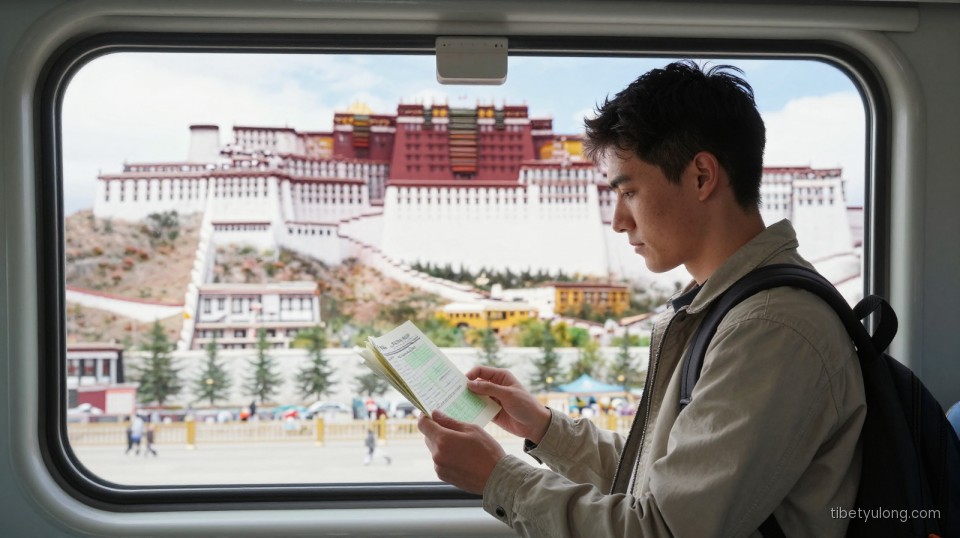
Potala Palace
What The Tibet Travel Permit Does & Does Not Do
A Tibet Travel Permit authorizes eligible foreign visitors to enter the TAR under the itinerary and conditions stated in the travel arrangements. It is commonly checked during travel to Tibet, including at airports, railway stations, or other checkpoints. Carriers may ask to verify the document before boarding, so travelers should not assume they can complete the journey first and arrange the permit after arrival.
The permit is not a Chinese visa, passport, train ticket, or general authorization to travel anywhere in China. It also does not automatically grant access to every area within Tibet. Some destinations require additional paperwork or are subject to separate access controls. A permit for a standard Lhasa itinerary, for example, should not be treated as permission to visit any remote border zone or restricted site.
Keep your itinerary consistent with the approved arrangements. If you want to change your route, extend your stay, or add a destination after the permit has been prepared, speak with the agency before making changes. An amendment may require extra time or approval, and it should not be assumed that a verbal change to a booking updates the official travel arrangements.
Additional Documents For Certain Tibet Routes
The Tibet Travel Permit is the basic document most foreign visitors need for entry, but some itineraries involve additional permissions. The exact combination depends on the destination, current access rules, and the route arranged by the agency.
Aliens’ Travel Permit
An Aliens’ Travel Permit is commonly associated with travel to certain areas outside the main open tourist routes, including some parts of the TAR beyond Lhasa. Where required, it is generally arranged locally through the authorized tour operator and relevant authorities. It is not interchangeable with the Tibet Travel Permit, and not every visitor or itinerary needs one.
Military Or Border-Area Permissions
Some border areas and strategically sensitive destinations can require additional approval, and access may be restricted or unavailable at particular times. These permissions are separate from the standard entry permit. Travelers should not buy nonrefundable transport or plan a fixed schedule around a sensitive area until their agency confirms that the route is permitted and the necessary approvals can be arranged.
Other Regional Documents
Travel beyond the TAR into a neighboring country or across an international border involves separate entry rules, visas, and transport arrangements. A Tibet Travel Permit does not serve as a visa for Nepal or any other country. If an itinerary combines Tibet with another destination, check each border crossing and document requirement independently.
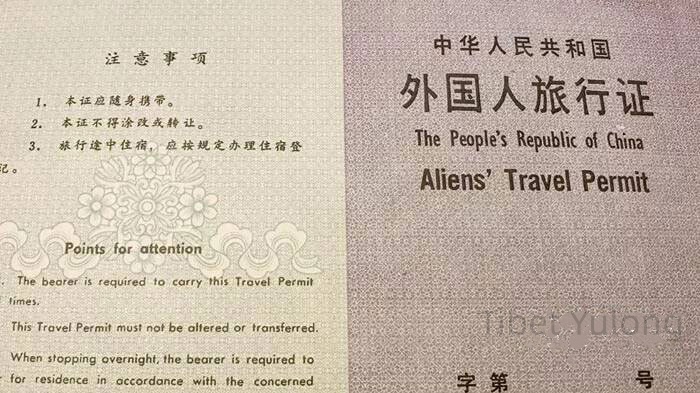
Alien’s Travel Permit
How To Arrange A Tibet Travel Permit
For foreign visitors, the practical first step is to choose an authorized agency and agree on a realistic itinerary. The agency can explain which documents apply to your route, submit the permit application, and coordinate travel arrangements. Since procedures and processing windows can vary, ask about timing before booking transport that cannot be changed.
You will typically be asked for a clear copy of your passport information page and valid Chinese visa or other relevant entry documentation. Depending on your circumstances, the agency may request additional details, such as your occupation, travel dates, arrival city, or information for other travelers in the group. Provide exactly what is requested and check that the spelling, passport number, and dates match your travel documents.
A useful preparation sequence is:
- Confirm that your itinerary enters the Tibet Autonomous Region.
- Check your traveler category and the documents you will use to enter mainland China.
- Contact an authorized Tibet travel agency and discuss your route and dates.
- Send accurate document copies through the agency’s stated process.
- Wait for confirmation that the permit and itinerary arrangements are complete before departing for Tibet.
- Carry the documents as instructed and follow the approved route.
The physical handling of the permit can depend on how you enter Tibet. Travelers arriving by train or road may receive documents through their agency before departure, while arrangements for air travel can differ. Do not rely on a general online account of how the document is delivered; ask the agency and carrier about the current procedure for your specific departure point.
Timing, Booking, And Common Planning Mistakes
Start the permit discussion as soon as your dates and broad route are clear. Processing time is not guaranteed, and applications may take longer when information is incomplete, administrative procedures change, or a route involves extra permissions. A travel agency can give a current estimate, but travelers should leave a buffer rather than planning around the shortest possible timeline.
Avoid buying a nonrefundable ticket to Tibet before confirming the permit process. Carriers may require the permit or related authorization before allowing a foreign visitor to board. A Chinese visa does not solve this problem, and arriving at a station or airport without the required paperwork can disrupt the entire trip.
Other common mistakes include using inconsistent names across bookings, sending an expired passport copy, changing the itinerary without checking whether the permit remains valid, and assuming that a permit for Lhasa covers remote destinations. Keep copies of relevant messages and travel documents, but follow the agency’s instructions about carrying or presenting official paperwork.
Travelers should also distinguish between entry permission and general travel advice. Weather, road conditions, altitude, local closures, and transport schedules can affect a trip even when the paperwork is complete. Build flexibility into the itinerary, particularly for long road journeys and high-altitude destinations, and discuss health concerns with a medical professional before travel.
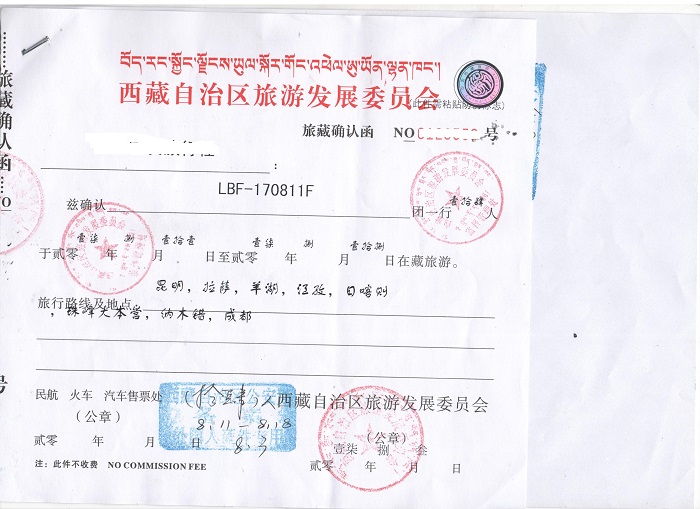
Tibet Travel Permit
Choosing An Agency And Checking Your Route
A good agency should be able to explain which documents apply to your nationality and proposed route without treating every trip as identical. Ask who submits the permit application, what information is needed, how itinerary changes are handled, and when you should expect confirmation. Request a clear description of what is included in the tour arrangements and which costs or services are separate.
China Dragon Travel can be integrated into the planning process as a travel agency option for visitors seeking help with a Tibet itinerary and permit arrangements. As with any provider, confirm its current authorization, services, cancellation terms, and document-handling procedure directly before paying. The agency should be able to explain the difference between the Tibet Travel Permit and any additional permissions your route may require.
Before confirming a tour, share your nationality, passport type, entry point, intended dates, and all planned destinations. If you are combining Tibet with another province or a border crossing, name every stop rather than asking only about “Tibet.” Clear details make it easier to identify whether the basic permit is sufficient or whether your plan needs further review.

What To Carry During The Trip
Follow the agency’s instructions about the original permit and copies. Keep your passport and relevant travel documents accessible, since they may be checked during transport or at checkpoints. Store digital backups securely, but do not assume that a phone image will replace an original document when an official or carrier requests it.
Make sure the permit details correspond to your current travel plan. If a train time, hotel, or route changes, ask whether the change affects the approved itinerary. Keep the agency’s contact information available in case a carrier or local official asks for clarification. Avoid sharing passport images or personal information through channels that the agency has not identified as secure or official.
Frequently Asked Questions
Can I Visit Tibet Independently With A Foreign Passport?
Foreign passport holders generally cannot travel independently in the TAR. They normally need a Tibet Travel Permit arranged through an authorized agency and must follow the tour and itinerary arrangements applicable to their visit.
Can I Apply For The Permit After I Arrive In Lhasa?
Do not plan to arrange it after arrival. The permit is generally needed before entering the TAR, and carriers may check it before boarding. Contact an authorized agency well before travel to establish the current application process.
Is A Chinese Visa Enough To Enter Tibet?
No. A Chinese visa or other permission to enter mainland China is separate from the Tibet Travel Permit. Foreign visitors generally need both the applicable China entry documents and the Tibet-specific permit.
Do All Tibet Destinations Require The Same Documents?
No. Requirements depend on the itinerary. The Tibet Travel Permit is the basic document for many foreign visitors, while some areas may require additional permissions or may be restricted. Confirm every destination with the agency arranging your trip.
Do I Need A Tibet Travel Permit If I Am A Chinese Citizen?
Chinese citizens generally do not need the permit required for foreign passport holders. They should travel with valid identification and check for any separate restrictions or permissions applicable to special areas or routes.