Planning a visit to Tibet involves more than booking a flight and choosing an itinerary. Most international travelers need a Tibet Travel Permit before boarding transport to the region, and the application is handled through an authorized travel agency. Knowing what to prepare, when to apply, and how permits fit into your route can make the process easier to manage.
Key Points
- Who needs a permit: Most foreign passport holders need a Tibet Travel Permit to visit the Tibet Autonomous Region.
- How to apply: Travelers generally arrange the permit through a Tibet-authorized travel agency; individual applications are not accepted through a public government service.
- What to prepare: A clear passport copy, valid Chinese visa or other applicable entry documentation, and confirmed itinerary details are commonly required.
- When to start: Contact an agency well ahead of departure. Processing time varies, and additional time may be needed for transport arrangements and route-specific permissions.
- Before you travel: Carry the required original travel documents and follow the itinerary and permit instructions provided by your agency.
What Is the Tibet Travel Permit?
The Tibet Travel Permit, also called the Tibet Entry Permit or Tibet Tourism Bureau permit, is an official document required for most foreign visitors entering the Tibet Autonomous Region (TAR). It is separate from a Chinese visa. Having a Chinese visa does not, by itself, authorize travel to Tibet, and a Tibet Travel Permit does not replace a visa or other permission required to enter China.
The permit is associated with an approved travel plan. For international visitors, travel in the TAR is generally organized through an authorized local travel agency, with a guide and transport arrangements as required for the booked tour. The permit details need to match the traveler’s identity and planned route. A change to a hotel, travel date, transport plan, or destination can therefore require the agency to check whether the paperwork must be amended.
Rules and practical arrangements may differ according to nationality, residence status, travel purpose, route, and current local requirements. A standard tourist application is not necessarily suitable for journalists, diplomats, professional photographers, or people traveling for research or other non-tourism purposes. Check your circumstances with an authorized agency and the relevant Chinese visa authority before making non-refundable plans.
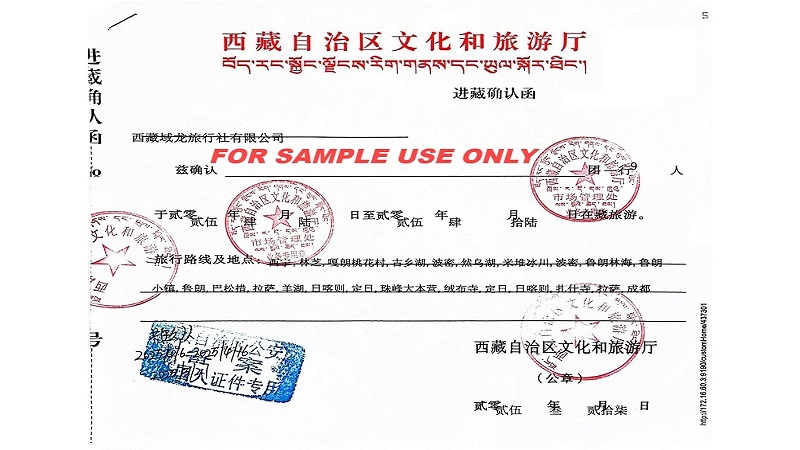
Tibet Travel Permit – Tibet Yulong
Step 1: Confirm Your Eligibility And Entry Documents
Start by checking that your travel documents allow you to enter mainland China and that your planned visit qualifies as tourism. Many visitors need a Chinese visa obtained before arrival, while some travelers may qualify for a visa-free arrangement or another entry policy. These rules can change and may depend on passport type, length of stay, entry point, and travel purpose. Verify the requirements that apply to your passport rather than relying on another traveler’s experience.
Your passport should be valid for the period required for your China entry and travel. Make sure the personal details are consistent across your passport, visa or entry documentation, flight bookings, and permit application. If you are applying for a Chinese visa, explain your intended Tibet itinerary honestly when asked and follow the visa application instructions for your location.
A travel agency can tell you which documents it needs for the Tibet Travel Permit application. Commonly requested items include a clear scan or photograph of the passport identification page and a copy of the Chinese visa, if applicable. Some visa-free travelers may need to provide alternative entry information. Do not send sensitive documents through an unverified contact; confirm the agency’s identity and its document-handling process first.
Step 2: Choose An Authorized Tibet Travel Agency
International visitors generally cannot apply for a Tibet Travel Permit independently at a public counter or through a self-service online application. Instead, contact a travel agency authorized to organize tours in Tibet. The agency coordinates the permit request and helps arrange the guide, transport, accommodation, and itinerary information needed for the trip.
Before paying a deposit, ask direct questions: Is the company authorized to arrange travel in the TAR? What services are included in the quoted price? Does the quote cover the guide, vehicle, accommodation, meals, domestic transport, or only selected items? What is the cancellation policy if a permit or route approval is not available? A written itinerary and itemized quote make it easier to compare providers and understand what you are buying.
China Dragon Travel is one example of a travel company that can be contacted about Tibet tour arrangements and permit coordination. As with any provider, confirm current authorization, services, fees, and cancellation terms directly before booking. The agency should be able to explain which parts of the process it handles and which documents or payments remain your responsibility.
Step 3: Set A Realistic Route And Schedule
Decide how you plan to reach Tibet and which places you hope to visit. Many visitors travel to Lhasa by air or train from another city in China. Others arrive overland from a neighboring region, subject to the route’s current entry requirements. The best option depends on your starting point, schedule, budget, and ability to adjust plans if transport availability changes.
Share your likely travel dates and preferred route with the agency before finalizing every booking. A straightforward Lhasa itinerary may involve fewer arrangements than a journey to remote areas, border regions, or destinations that require additional authorization. Some routes may be restricted, unavailable at certain times, or subject to permissions beyond the standard Tibet Travel Permit. The agency can check the requirements for your particular itinerary, but should not promise approval for a route that has not been confirmed.
Leave room in your schedule for document processing and possible changes. Avoid assuming that a permit can be issued immediately or that an itinerary can be changed at the last minute. If you have fixed international flights, tell the agency early so it can advise whether the proposed dates allow a practical margin.
Step 4: Submit Your Application Documents
Once you and the agency have agreed on a proposed itinerary, provide the requested documents in the format it specifies. A clear passport scan should show all information without glare, cropping, or blur. If a visa copy is required, include the complete relevant page. Submit accurate details for each traveler, including the name spelling and passport number exactly as printed on the passport.
The agency may request additional information depending on your nationality, residence, travel purpose, or route. It may also ask for confirmation of your transport and accommodation plans. Respond promptly, but do not guess at answers or alter official documents. If your passport is renewed after you submit the application, tell the agency immediately; the application may need to be updated or restarted using the new passport details.
Keep a record of what you sent, when you sent it, and the agency contact handling the application. Use the agency’s confirmed communication channels to share personal documents. If you are uncertain why a particular item is needed, ask for an explanation before sending it.
Step 5: Allow Time For Processing And Route Checks
There is no single processing timeline that applies to every Tibet Travel Permit application. The time required can depend on the travel season, the itinerary, document completeness, administrative procedures, and whether extra route permissions are involved. An agency may give an estimate, but an estimate is not a guarantee of approval by a specific date.
As a practical approach, contact an agency several weeks before your intended departure, and start earlier if your trip falls in a busy period or includes destinations beyond a standard Lhasa visit. Do not treat a suggested lead time as an official processing guarantee. Ask the agency when it recommends finalizing train or flight bookings and whether you should choose flexible tickets while approval is pending.
The agency may need to revise the application if your dates, route, accommodation, or traveler details change. Tell it about changes as soon as possible. A permit associated with one itinerary should not be assumed to cover a different route or later travel date. Wait for clear confirmation from the agency about the approved arrangements before setting out for Tibet.
Step 6: Receive And Check Your Permit Details
When the travel agency confirms that the permit is ready, ask how it will be delivered and what form is required for your journey. Travelers commonly receive permit paperwork through the agency or a local representative, and transport operators may check it before allowing boarding for travel to Tibet. Follow the agency’s instructions carefully; an image or photocopy may not be accepted where the original document is required.
Check the permit information as soon as you receive it. Compare the spelling of each name, passport number, travel dates, and authorized itinerary with your current documents and bookings. If anything is incorrect, contact the agency before departure. Do not attempt to correct an official document yourself.
Ask the agency whether you need to carry the original permit throughout the trip, whether it will be collected at a transport point, and how the guide will handle checks during the tour. Keep your passport and visa or entry documents accessible as well. Requirements can vary by transport provider and route, so use the instructions for your specific booking rather than assuming one traveler’s procedure applies to everyone.
Step 7: Travel According To The Approved Plan
The Tibet Travel Permit is not a general pass for unrestricted independent travel throughout the region. Follow the approved itinerary and the guidance of your tour organizer and guide. If you want to add a destination, extend your stay, or change transport arrangements, ask the agency before making the change. A spontaneous detour may not be permitted or may require additional approval.
Keep your travel documents secure and accessible. Authorities or transport staff may check identification and travel paperwork at different points. Carry the documents your agency tells you to bring, and make sure they are available when required. Do not hand over your passport or permit to an unofficial intermediary.
Plan for altitude as well as administration. Lhasa is at high elevation, and travel to even higher destinations can increase the physical demands of a trip. Consider allowing time to acclimatize, discuss relevant health concerns with a medical professional before departure, and avoid scheduling strenuous activities immediately after arrival. A permit makes travel documentation possible; it does not remove the need to prepare for weather, altitude, road conditions, or limited services outside major towns.
Additional Permissions For Special Routes
The Tibet Travel Permit is not always the only authorization needed. Journeys to certain border areas, restricted locations, or remote destinations may require additional permits or approvals. These can include permissions related to military, border, or foreign-affairs administration, depending on the route and the rules in force. Your travel agency should identify the requirements for the itinerary it proposes and explain whether it can arrange the necessary paperwork.
Do not assume that a route is available because it appears on an old blog, map, or tour listing. Access can depend on current local conditions and administrative decisions. Ask for confirmation close to booking and again before departure if your travel dates are some distance away. If an additional permission is not approved, the agency may need to propose an alternative route; keep your schedule flexible enough to consider that possibility.
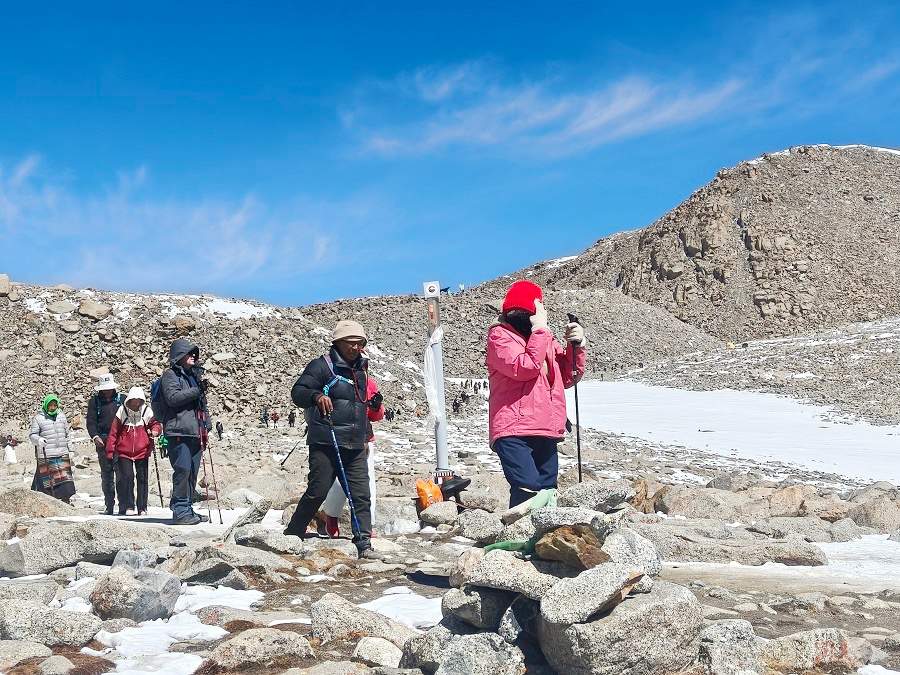
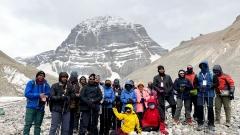
Mount Kailash Kora Tourists
Common Application Problems And How To Avoid Them
- Submitting unclear documents: Blurry or cropped passport images can delay checks. Photograph or scan each page in good light and verify the text before sending it.
- Booking everything before checking the route: A popular destination may have requirements beyond the standard permit. Confirm the itinerary with an authorized agency before committing to non-refundable transport or accommodation.
- Using inconsistent personal details: A spelling difference or old passport number can create avoidable problems. Copy details directly from the travel document and notify the agency if anything changes.
- Applying too late: Processing and route checks vary. Start early enough to respond to requests and adjust plans, especially for peak travel periods or complex itineraries.
- Assuming a visa is enough: A Chinese visa and the Tibet Travel Permit serve different purposes. Check both sets of requirements for your nationality and route.
- Relying on unofficial claims: Be cautious of anyone promising guaranteed approval or unrestricted access. Ask the agency to describe the process, limitations, and refund terms in writing.
Frequently Asked Questions
Can I Apply For A Tibet Travel Permit By Myself?
Most foreign tourists cannot submit an independent application through a public service. They generally arrange the permit through an authorized Tibet travel agency, which coordinates the tour and application details.
Do I Need A Chinese Visa Before Applying?
Many travelers need a valid Chinese visa, but some may qualify for a visa-free entry policy or another arrangement. The applicable rules depend on passport and travel circumstances. Confirm your China entry requirements and ask the Tibet agency what documents it needs for your application.
How Long Does The Tibet Travel Permit Take To Process?
Processing time varies with the season, route, document completeness, and current administrative procedures. Contact an authorized agency well before departure and treat any timeline it provides as an estimate rather than a guarantee.
Can I Visit Tibet Independently Once I Have The Permit?
For most international visitors, the permit is connected to an organized itinerary, and travel in the TAR is generally arranged through an authorized agency with the required guide and transport. The permit should not be treated as authorization for unrestricted independent travel.
What Happens If My Travel Dates Or Route Change?
Tell your agency before changing bookings or setting out. The permit and any additional route permissions may need to be checked or amended. Approval for one itinerary should not be assumed to cover a different date or destination.