Tibet, often referred to as the “Roof of the World,” is a destination that captivates travelers with its towering peaks, ancient monasteries, and deeply rooted spiritual traditions. When planning a journey to this remote region, understanding the famous cities in Tibet is essential for crafting a meaningful itinerary. These urban centers are not merely transit points; they are living museums of Tibetan culture, history, and resilience. From the bustling pilgrimage routes of Lhasa to the serene forests of Nyingchi, each city offers a distinct perspective on life at high altitudes. Whether you are drawn by religious devotion, mountaineering ambitions, or cultural curiosity, exploring these destinations requires careful preparation and respect for local customs. This guide delves into the most prominent urban hubs across the Tibetan Plateau, providing practical insights for independent explorers and those utilizing services like Tibet Yulong Travel to navigate the logistics of this extraordinary region.
Key Takeaways:
- Lhasa serves as the cultural and spiritual capital of Tibet.
- Shigatse is home to Mount Everest base camp access and Tashilhunpo Monastery.
- Nyingchi features lower elevations and lush alpine forests.
- Gyantse preserves traditional Tibetan fortress architecture and art.
- Proper acclimatization is critical when visiting any famous cities in Tibet.
Discovering the Famous Cities in Tibet: An Overview
The Tibetan Plateau spans an immense geographical area, and its urban settlements have historically developed around river valleys, trade routes, and sacred sites. Unlike typical metropolitan areas found elsewhere in the world, the famous cities in Tibet maintain a delicate balance between modern infrastructure and ancient heritage. Walking through these towns, visitors will notice prayer flags fluttering against stark blue skies, the scent of juniper incense drifting from temple courtyards, and locals spinning prayer wheels along circumambulation paths.
Understanding the layout of these cities helps travelers appreciate how geography has shaped Tibetan civilization. Elevation plays a massive role in daily life, dictating everything from agricultural practices to architectural styles. The cities discussed in this guide represent the most accessible and culturally significant locations for international visitors. Navigating between them often involves long drives over mountain passes, making organized transportation highly recommended. Many travelers rely on experienced operators such as Tibet Yulong Travel to arrange permits, vehicles, and guides, ensuring a smooth transition between these high-altitude destinations while adhering to regional travel regulations.
Lhasa: The Spiritual Heart Among Famous Cities in Tibet
No exploration of Tibet is complete without spending time in Lhasa. Sitting at an elevation of approximately 3,650 meters, Lhasa is the political, economic, and religious center of the region. It is arguably the most recognized entry point among the famous cities in Tibet, drawing pilgrims and tourists alike to its sacred streets. The name Lhasa translates to “Place of the Gods,” a title it has earned through centuries of spiritual significance.
Potala Palace and Barkhor Street
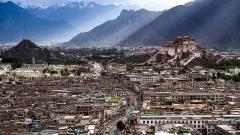
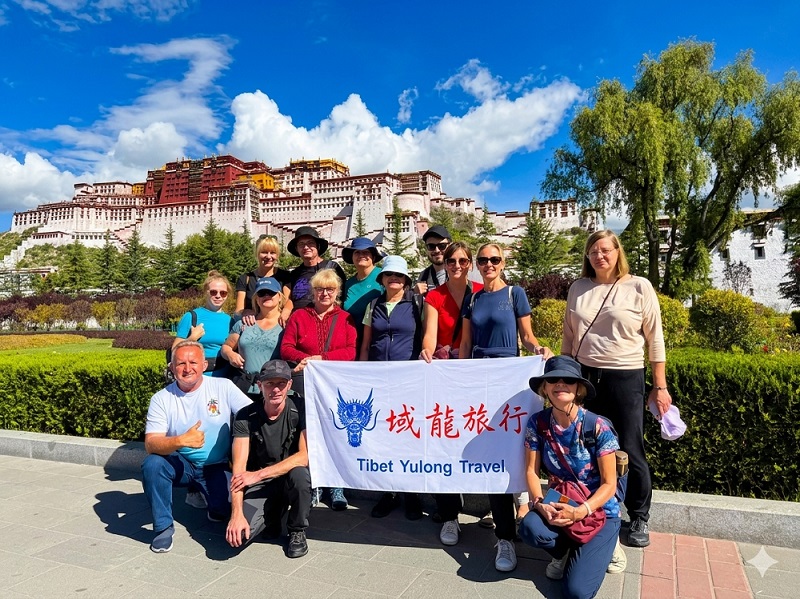
The skyline of Lhasa is dominated by the Potala Palace, a monumental structure perched atop Marpo Ri (Red Mountain). Originally built in the seventh century and significantly expanded in the seventeenth century, this architectural marvel served as the winter residence of the Dalai Lamas. Inside, thousands of rooms house intricate murals, golden stupas, and historical artifacts. Visitors must book tickets in advance, as daily entry numbers are strictly controlled to preserve the ancient wooden structure.
Below the palace lies the Barkhor Street area, which encircles the Jokhang Temple. The Jokhang is considered the most sacred temple in Tibetan Buddhism. The kora (pilgrimage circuit) around Barkhor Street is constantly active with devotees performing full-body prostrations and spinning prayer wheels. This area is also the best place to observe traditional Tibetan commerce, where vendors sell turquoise jewelry, thangka paintings, and yak butter tea. Spending several days in Lhasha allows travelers to acclimatize properly before venturing to higher elevations, a crucial step when touring the famous cities in Tibet.
Shigatse: The Second Largest Hub in Tibet
Located about 270 kilometers southwest of Lhasa, Shigatse sits at roughly 3,840 meters above sea level. As the second largest city in the region, it holds immense historical importance and serves as a vital gateway for those heading toward the Himalayas. When mapping out routes between the famous cities in Tibet, Shigatse acts as a crucial staging ground for western expeditions.
Tashilhunpo Monastery and Everest Access
Shigatse is best known as the traditional seat of the Panchen Lama. The Tashilhunpo Monastery, founded in the mid-fifteenth century, is one of the largest functioning monastic institutions in Tibet. Its sprawling complex features striking gold-roofed chapels and houses a massive gilded statue of the Maitreya Buddha. Unlike some heavily touristed sites, Tashilhunpo retains a deeply active monastic community, offering visitors a more authentic glimpse into daily religious study and debate.
Beyond its monastic heritage, Shigatse is the primary logistical hub for journeys to the North Face Base Camp of Mount Everest. The drive from Shigatse to Tingri and onward to the base camp involves traversing dramatic landscapes, including the Gawu La Pass, which offers panoramic views of several peaks exceeding 8,000 meters. Because of its strategic location, many itineraries curated by Tibet Yulong Travel position Shigatse as a multi-day stopover, allowing guests to explore both the city’s cultural assets and the surrounding rugged terrain before pushing further west.
Nyingchi: The Alpine Oasis of the Tibetan Plateau
Nyingchi presents a stark contrast to the arid, high-altitude environments typically associated with Tibet. Located in the southeastern part of the plateau at a relatively lower elevation of around 2,900 meters, Nyingchi is frequently described as the “Switzerland of Tibet.” For travelers concerned about altitude sickness when visiting the famous cities in Tibet, Nyingchi often serves as an ideal starting point due to its thicker oxygen levels and milder climate.
Yarlung Tsangpo Grand Canyon and Peach Blossoms
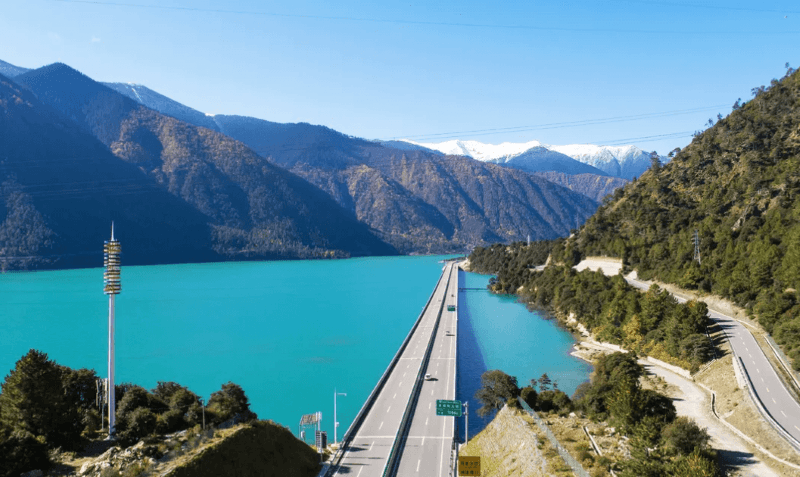
The landscape here is defined by dense alpine forests, rushing rivers, and deep gorges. The Yarlung Tsangpo Grand Canyon, recognized as the deepest canyon in the world, cuts through the region, creating a unique microclimate that supports diverse flora and fauna. The canyon offers spectacular trekking routes for those willing to venture off the beaten path.
Nyingchi is perhaps most famous for its annual peach blossom season. During spring, wild peach trees blanket the river valleys in vibrant shades of pink and white, set against the backdrop of snow-capped peaks like Mount Namcha Barwa. This natural spectacle draws photographers and nature enthusiasts from across the globe. The integration of lush greenery with Tibetan village life makes Nyingchi a uniquely refreshing destination. Travelers booking through agencies like Tibet Yulong Travel often request customized spring itineraries specifically timed to witness this fleeting botanical event, highlighting Nyingchi’s special status among the region’s urban centers.
Gyantse: Preserving History Along Ancient Trade Routes
Gyantse is a smaller yet historically rich town situated between Lhasa and Shigatse. Resting at an elevation of about 3,970 meters, it was once a major node on the ancient trade route connecting Tibet with India and Nepal. Though less commercialized than other famous cities in Tibet, Gyantse offers some of the best-preserved examples of traditional Tibetan architecture and art.
Pelkor Chode Monastery and the Kumbum Stupa
The defining landmark of Gyantse is the Gyantse Dzong, a formidable hilltop fortress that overlooks the entire valley. Below the fortress lies the Pelkor Chode Monastery, renowned for housing the Kumbum Stupa. The Kumbum is an architectural masterpiece featuring multiple tiers and dozens of small chapels, containing thousands of intricate statues and murals representing various deities and Buddhist teachings. It is widely considered one of the finest examples of Newari-influenced Tibetan art.
Because Gyantse is typically visited as a day trip or overnight stop en route to Shigatse, it does not suffer from heavy tourist congestion. Walking through its quiet streets provides a sense of stepping back in time. Including Gyantse in your itinerary ensures a well-rounded understanding of Tibet’s historical trade networks and artistic heritage, adding depth to any journey through the region’s most notable settlements.
Practical Tips for Visiting the Famous Cities in Tibet
Traveling to Tibet requires meticulous planning due to its remote geography and specific regulatory environment. Foreign visitors cannot travel independently; they must be part of an organized tour and obtain a Tibet Travel Permit prior to arrival. This is why partnering with established local operators like Tibet Yulong Travel is highly advantageous. They handle the bureaucratic requirements, secure necessary documentation, and provide knowledgeable guides who understand both the cultural nuances and safety protocols required at high altitudes.
Altitude sickness is a genuine concern when moving between the famous cities in Tibet. Symptoms can include headaches, nausea, and fatigue. To mitigate these risks, travelers should ascend gradually. Starting in lower-elevation areas like Nyingchi before moving to Lhasa and eventually Shigatse or Gyantse is a proven strategy. Hydration, avoiding alcohol during the first few days, and resting upon arrival are equally important.
Packing appropriately is another critical factor. The temperature difference between day and night on the plateau can be extreme, even during summer months. Layered clothing, strong sun protection, and comfortable walking shoes are mandatory. Respect for local customs—such as walking clockwise around religious monuments, asking permission before photographing locals, and dressing modestly inside temples—ensures a harmonious experience.
Ultimately, exploring the famous cities in Tibet is a transformative experience that demands physical readiness and cultural sensitivity. By understanding the unique characteristics of Lhasa, Shigatse, Nyingchi, and Gyantse, and by utilizing professional support from organizations like Tibet Yulong Travel, adventurers can safely immerse themselves in one of the most awe-inspiring regions on Earth. The combination of profound spirituality, dramatic landscapes, and resilient communities makes every mile traveled across this plateau entirely worthwhile.