Traveling to the roof of the world is a dream for many, but navigating the local diet requires some preparation if you do not eat meat. For vegetarian tourists, Tibet offers a surprisingly rich culinary landscape shaped by deep-rooted Buddhist traditions and high-altitude agriculture. While yak meat and dairy are staples in traditional Tibetan cuisine, the region’s monastic culture has fostered a long history of plant-based eating. With the right knowledge and a bit of planning, exploring the plateau on a meat-free diet is entirely feasible and deeply rewarding. Whether you are visiting Lhasa, trekking near Mount Everest, or exploring remote monasteries, understanding what to eat and how to communicate your dietary needs will significantly enhance your journey.
Key Takeaways:
- Traditional Tibetan cuisine includes several naturally meat-free options.
- Major cities like Lhasa offer dedicated restaurants catering to vegetarian tourists.
- Learning basic Tibetan phrases helps communicate dietary restrictions effectively.
- High altitude affects digestion, making lighter meals highly recommended.
- Preparing snacks for remote routes ensures you stay energized during long drives.
Understanding the Culinary Landscape for Vegetarian Tourists in Tibet
Tibetan food culture is heavily influenced by the harsh climate and the high altitude of the plateau. Historically, the diet relied on calorie-dense foods like yak butter, dried meat, and barley to help locals survive freezing winters. However, Tibetan Buddhism plays a massive role in daily life, and many devout practitioners choose to avoid killing animals. This spiritual foundation means that vegetarianism is not an alien concept here. In fact, many monasteries have their own kitchens that prepare strictly plant-based meals for monks and visitors. For vegetarian tourists, this religious backdrop provides a unique advantage when seeking out meat-free food in both urban centers and rural villages.
While the overarching culture is accommodating, it is important to understand that “vegetarian” might be interpreted differently depending on where you are. In smaller towns or nomadic camps, avoiding all animal products, including dairy, can be challenging. Butter tea, for instance, is a cornerstone of Tibetan hospitality. Clarifying whether you consume dairy or follow a strict vegan diet will help locals serve you appropriately.
Traditional Tibetan Foods That Are Naturally Meat-Free
You do not need to rely solely on imported ingredients to eat well on the plateau. Several traditional dishes are inherently suitable for those who avoid meat. The most famous staple is Tsampa, roasted barley flour mixed with tea or water to form a dough. It is nutrient-dense, easy to digest, and completely plant-based if prepared without yak butter. Many vegetarian tourists find Tsampa to be an excellent energy source during high-altitude treks.
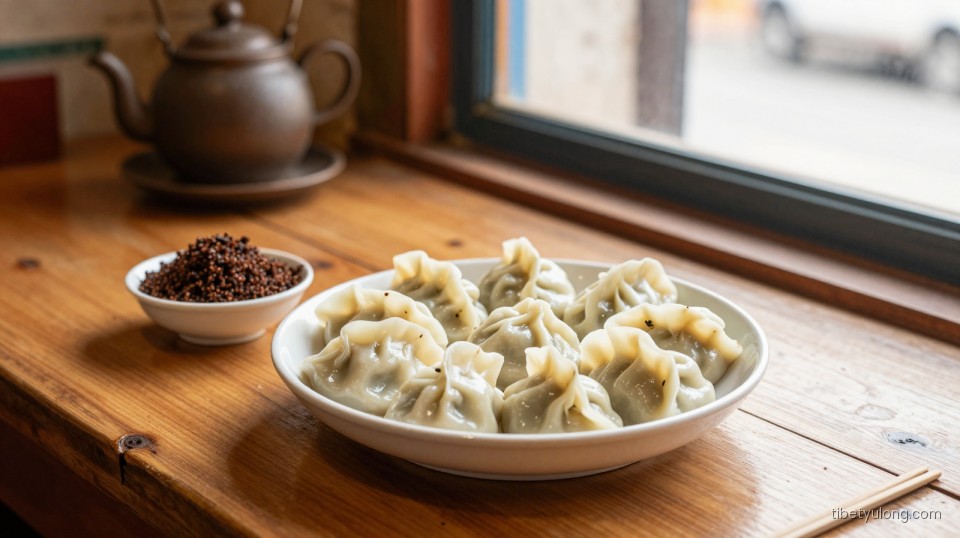
Tibetan noodles, known as Thukpa, are traditionally served in a rich meat broth. However, almost every restaurant in Lhasa and Shigatse can prepare a vegetable broth version upon request. Momos, the beloved Tibetan dumplings, are another highlight. While meat-filled momos are standard, vegetable, potato, cabbage, and cheese fillings are widely available. Simply ask for “sha-mey” (meatless) momos at any local eatery.
Dairy plays a significant role in the local diet. If you consume dairy, you will have access to fresh yogurt, often sweetened with sugar or honey, and various cheese dishes. Yak butter is used extensively in cooking, so if you are vegan, you must explicitly state that you cannot consume butter or milk. Sweet tea, made with black tea, milk, and sugar, is a popular alternative to butter tea and is enjoyed in teahouses across the region.
Where Vegetarian Tourists Can Find the Best Meals in Lhasa
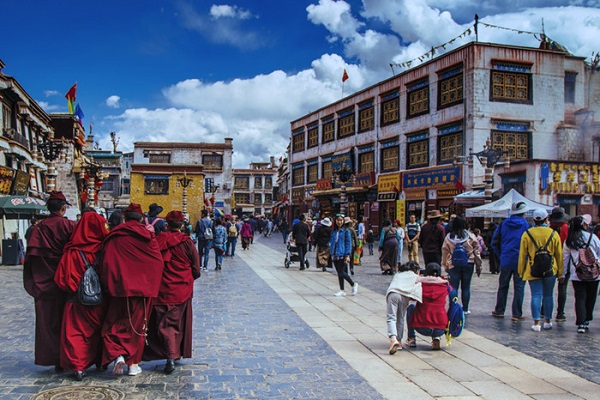
Lhasa is the culinary hub of the region and the easiest place for vegetarian tourists to find diverse dining options. Barkhor Street and the areas surrounding the Jokhang Temple are lined with cafes and restaurants that specifically cater to international travelers and local monks alike. You will find menus featuring everything from traditional Tibetan vegetable dishes to Indian curries, Western salads, and Chinese stir-fries.
Indian and Nepalese restaurants are particularly abundant in Lhasa due to historical trade routes. These establishments naturally offer extensive vegetarian menus, including dal bhat, vegetable curries, naan bread, and lentil soups. They are reliable spots for a hearty, flavorful meal that aligns perfectly with a meat-free lifestyle.
Chinese restaurants are also ubiquitous. Sichuan cuisine dominates the Han Chinese dining scene in Tibet. While many Sichuan dishes contain pork or beef, you can easily order vegetable stir-fries, mapo tofu (requesting no minced meat), dry-fried green beans, and tomato egg dishes. Pointing at fresh vegetables displayed at the front of these restaurants and asking them to be stir-fried with garlic and soy sauce is a common and effective strategy.
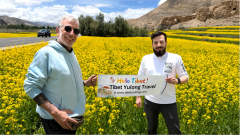
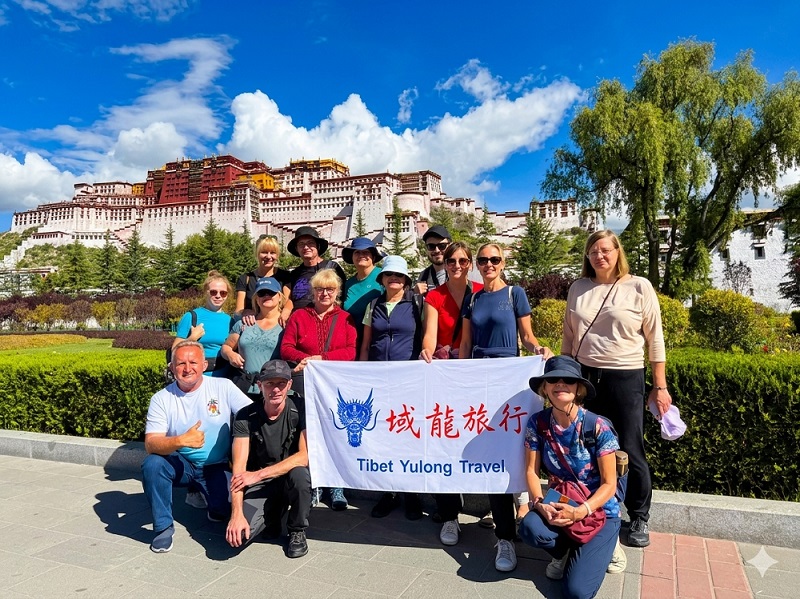
When organizing your itinerary through experienced agencies like Tibet Yulong Travel, you can inform your guides about your dietary preferences in advance. Professional operators are accustomed to assisting vegetarian tourists and will arrange meals at suitable restaurants or ensure that guesthouses prepare appropriate dishes during your tour.
Navigating Dietary Restrictions Outside the Capital
Once you leave Lhasa and venture toward Gyantse, Shigatse, Tingri, or Mount Kailash, dining options become more limited. Guesthouses and small truck-stop eateries along the highways primarily serve simple noodle soups or rice with basic vegetable stir-fries. For vegetarian tourists traveling these remote routes, communication becomes essential.
In rural areas, English is rarely spoken, and even Mandarin might be limited among older generations. Carrying a translation card written in Tibetan and Chinese that clearly states your dietary restrictions is highly recommended. The card should specify whether you avoid only meat, or if you also exclude fish, eggs, dairy, and animal fats like lard or yak butter. Showing this card to the cook before ordering prevents misunderstandings and saves time.
The variety of fresh vegetables decreases significantly at higher altitudes and further from major agricultural zones. You will mostly encounter potatoes, cabbage, radishes, tomatoes, and onions. To supplement your diet, bringing packaged snacks from Lhasa or your home country is a smart move. Nuts, dried fruits, protein bars, instant oatmeal, and crackers are lifesavers during long drives over mountain passes where meal stops are unpredictable.
Essential Communication Tips for Vegetarian Tourists
Learning a few key phrases can transform your dining experience. While a translation card works, speaking directly builds rapport with locals. In Tibetan, “Sha” means meat, and “Mey” means without. Therefore, “Sha-mey” translates to meatless. Saying “Nga sha sa gi ma yin” means “I do not eat meat.” Adding “Ngo tsho” (we) instead of “Nga” (I) is useful when traveling in a group.
If you are vegan and need to avoid dairy, explaining this requires more nuance, as dairy is deeply embedded in the culture. You might need to explain that you do not consume milk, butter, or cheese. Using simple gestures alongside translated text on your phone or a physical card bridges the gap effectively. Locals are generally hospitable and willing to accommodate guests once they understand the specific requirements.
It is also helpful to discuss your needs with your tour guide at the beginning of the trip. A knowledgeable guide will scout out the best places to eat along your route and speak to chefs on your behalf, ensuring that your meals are prepared safely according to your standards.
Health and Altitude Considerations for a Plant-Based Diet
Altitude sickness affects everyone, but dietary choices can influence how quickly your body acclimatizes. Digestion slows down significantly at high elevations due to lower oxygen levels. Heavy, greasy meals can exacerbate symptoms like nausea, headaches, and fatigue. For vegetarian tourists, a plant-based diet can actually be an advantage during the first few days on the plateau, provided the meals are light and easy to digest.
Focus on complex carbohydrates like rice, noodles, potatoes, and Tsampa during your initial acclimatization period. Avoid overly spicy or oily foods until your body adjusts to the altitude. Staying hydrated is critical; drink plenty of boiled water, herbal teas, or clear vegetable broths. Limit caffeine and alcohol, as both contribute to dehydration.
Protein intake is another consideration. At high altitudes, your body burns more calories simply to maintain basic functions. Ensure you are getting enough protein through lentils, beans, tofu, nuts, and dairy if you consume it. If you are trekking or engaging in strenuous activities, carrying high-energy snacks like trail mix or peanut butter packets will prevent energy crashes.
Finally, pay attention to food hygiene. In remote areas, stick to cooked foods and peeled fruits. Avoid raw salads unless you are confident in the restaurant’s water purification practices, as washing vegetables in untreated tap water can lead to stomach issues. Boiled or thoroughly stir-fried vegetables are always the safest bet for maintaining good health throughout your Tibetan adventure.