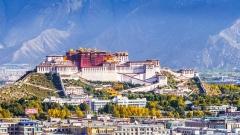

If Chengdu’s soul is found in its Sichuan cover-bowl tea, then Lhasa’s soul is undoubtedly steeped in sweet, steaming cups of Tibetan Sweet Tea.
In Lhasa, sweet tea houses of all sizes dot the historic alleys and corners of the old city. For local Tibetans, these tea houses are far more than just neighborhood canteens for breakfast and lunch—they are daily community hubs, social centers, and spiritual sanctuaries. Elders finishing their morning kora (pilgrimage), friends catching up, and merchants negotiating deals all gather around the long wooden tables.
If you want to experience the true rhythm of “Lhasa slow living,” set aside a sunny afternoon during your journey. Sit down, order a warm thermos of sweet tea and a steaming bowl of Tibetan noodles, and soak in the golden plateau sunshine.
The Holy Trinity of Tibetan Afternoon Tea
Before stepping into a local tea house, familiarize yourself with the three staple comfort foods you simply have to try:
-
Tibetan Sweet Tea: Brewed with black tea, milk (or milk powder), and sugar, this rich, silky-smooth beverage is incredibly comforting and a great way to boost your energy on the high-altitude plateau.
-
Tibetan Noodles: Chewy, alkaline wheat noodles served in a rich, clear yak bone broth, topped with flavorful cubes of yak meat. It’s a hot, savory hug in a bowl.
-
Local Finger Foods: High-altitude potatoes are exceptionally fluffy and starchy—enjoy them freshly fried and tossed in local spices and chives. Alternatively, try Dangdang Liangfen, a cold, spicy starch jelly that beautifully cuts through the sweetness of the tea.
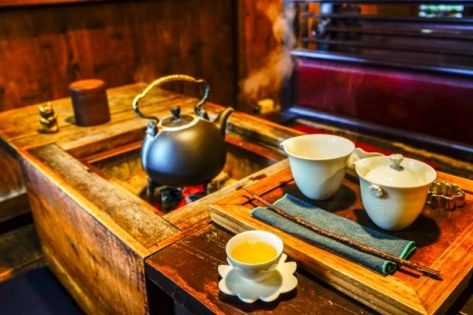
4 Legendary Lhasa Sweet Tea Houses to Visit
1. Guangming Gangqiong Sweet Tea House — The Peak of Bustling City Life
-
Best For: Travelers seeking the ultimate, energetic, and unvarnished local vibe.
-
Why Visit: Located near Danjieling Road, this is one of Lhasa’s oldest, largest, and most iconic sweet tea houses. It is noisy, chaotic, packed to the brim, and bursting with raw, authentic life. There are no menus, no English signs, and no waiters to seat you.
-
The “Secret Etiquette”: First, find a clean glass cup from the self-service disinfection cabinet. Find an empty spot at a long wooden table and place some small change on the table. Waiters (called A-jia) carrying massive tea kettles weave through the crowd. When they spot your empty cup, they will fill it up and take the exact change (usually less than a yuan per cup) directly from your table.
2. Tsanggu Temple Sweet Tea House — A Peaceful Oasis Run by Nuns
-
Best For: Those who prefer a quiet, aesthetic, and tranquil atmosphere.
-
Why Visit: Tucked away in the quiet southern alleys of the Barkhor area, Tsanggu Temple (Canggu Temple) is the only nunnery in old Lhasa. Step through the modest gate to find a lush, peaceful courtyard overflowing with vibrant flowers. The sweet tea and noodles here are prepared and served by the resident Buddhist nuns (anim). The kitchen is incredibly clean, and the tea is exceptionally rich. Sitting among the blooming flowers with the gentle sound of wind chimes and distant chants in the background is incredibly soothing.
3. Shandong (Cave) Sweet Tea House — The Cool Hideout under Yaowang Mountain
-
Best For: Cooling off after visiting the Potala Palace.
-
Why Visit: This unique tea house is literally carved into a natural air-defense cave underneath Yaowang Mountain (famous for the viewpoint of the 50-RMB bill). The cave stays naturally cool in the summer and warm in the winter. Sipping warm sweet tea inside a rugged stone cavern while listening to local folk music creates a wonderfully surreal, atmospheric experience you won’t easily forget.
4. Norbu Sweet Tea House — The Cozy Neighborhood Hangout
-
Best For: Travelers wanting to escape the tourist crowds and sit among local residents.
-
Why Visit: If Guangming Gangqiong feels too loud or overwhelming, this neighborhood favorite is the perfect alternative. It is highly favored by local residents, particularly elderly pilgrims who come here to spin their prayer wheels, count their beads, and chat quietly. The tea here is incredibly creamy, and you can order a small, affordable thermos to share with friends.
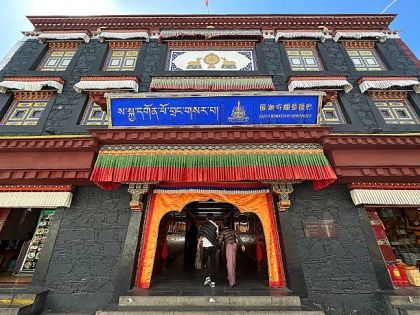
Pro Tips for Your First Tea House Visit
-
How to Order (By the Glass vs. By the Thermos): If you are traveling solo or in a pair, try the traditional “glass-on-table” loose-change method to experience the local custom. If you are in a group of three or more, head straight to the counter and order a thermos (measured in pounds/lbs). It is highly economical, keeps the tea piping hot, and comes with a set of cups for the table.
-
Embrace the Table-Sharing Culture: Lhasa’s sweet tea houses are almost always crowded, and table-sharing is the norm. Don’t be shy! Grab an empty seat, smile at your table partners, and offer a warm Tibetan greeting: “Tashi Delek!” You might just end up making new friends who will share their favorite hidden gems of the city.
-
For Altitude Acclimatization: During your first couple of days in Lhasa, a bowl of hot Tibetan noodle broth is an excellent, light meal to warm your stomach. The sugar and tea leaves in sweet tea also provide a gentle, natural energy boost that can help ease mild altitude fatigue.
In Lhasa, the ultimate luxury isn’t found in high-end western cafes, but rather in sitting side-by-side with local grandmas and grandpas, letting the warm plateau sun stream across your wooden table as the steam rises from your cup.
On your next trip to Tibet, make sure to add a local sweet tea house to your itinerary—your table is waiting!