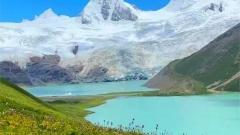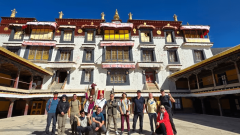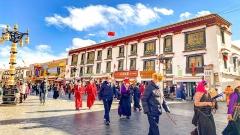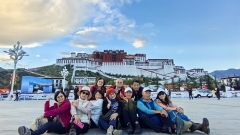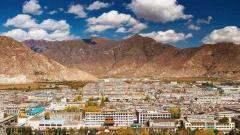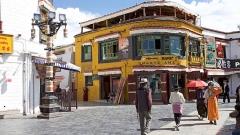

Lhasa is widely known as the capital of Tibet, but its importance goes far beyond its modern administrative role. For more than a thousand years, the city has been a political, religious, cultural, and commercial center of the Tibetan world. From the Jokhang Temple and Barkhor Street to the Potala Palace, Lhasa offers international travelers a remarkable introduction to Tibetan history and daily life.
Key Points
- Lhasa is the capital of the Tibet Autonomous Region and the most important gateway for travelers exploring Tibet.
- The city became the capital of the Tibetan Empire under Songtsen Gampo in the 7th century.
- Before Lhasa rose to prominence, the Yarlung Valley in present-day Shannan was an important political center of early Tibet.
- Jokhang Temple and Potala Palace are two of Lhasa’s most significant landmarks.
- Lhasa combines religious traditions, historic neighborhoods, modern infrastructure, and Tibetan daily life.
- The city sits at a high altitude, so international visitors should allow time for altitude acclimatization.
- Lhasa is an excellent starting point for journeys to Shigatse, Everest Base Camp, Namtso, Nyingchi, and Mount Kailash.
Is Lhasa The Original Capital Of Tibet?
Lhasa is the modern capital of the Tibet Autonomous Region, but it was not the earliest political center of Tibet.
Before Lhasa became the principal center of the Tibetan Empire, the Yarlung Valley in present-day Shannan played a central role in the development of early Tibetan civilization. The region is associated with the early Tibetan kings and the rise of the Tubo Kingdom.
The political landscape changed dramatically during the reign of Songtsen Gampo, traditionally regarded as the 33rd king of the Tubo Kingdom. During the 7th century, he unified many Tibetan tribes and established a powerful Tibetan empire. Lhasa subsequently developed into an increasingly important political and religious center.
The city’s location helped its development. The Lhasa River Valley offered relatively favorable conditions for settlement, agriculture, communication, and administration compared with many other parts of the Tibetan Plateau.
More importantly, Lhasa gradually acquired an extraordinary religious significance. The construction and development of the Jokhang Temple helped establish the city as a major Buddhist pilgrimage destination, while later centuries saw the construction and expansion of other important monasteries and religious institutions.
For this reason, when people ask about the “capital of Tibet,” the answer is usually Lhasa, while Shannan is better understood as one of the most important cradles of early Tibetan civilization.
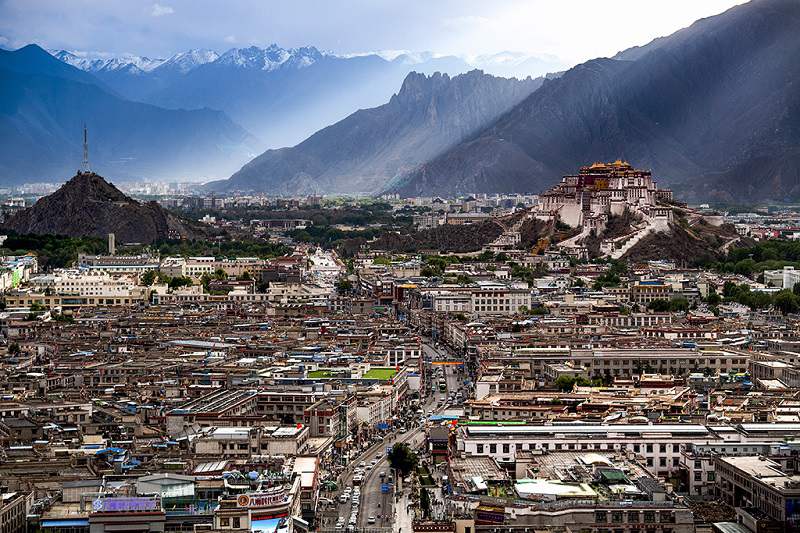
Lhasa City
Why Is Lhasa The Capital Of Tibet?
Lhasa’s importance comes from a combination of geography, history, religion, and modern administration.
Geographically, Lhasa is located in a relatively broad valley compared with many of Tibet’s more rugged regions. The Lhasa River, a tributary of the Yarlung Tsangpo River, supports agriculture and human settlement around the city. This helped Lhasa become an important population and economic center.
Its historical position is equally significant. Once Lhasa became associated with the Tibetan Empire, its importance continued to grow. Religious institutions further strengthened the city’s status, transforming it from an administrative center into a spiritual destination.
Today, Lhasa is also the principal administrative, transportation, tourism, and economic center of the Tibet Autonomous Region. Travelers arriving by air, railway, or major road routes often pass through Lhasa before continuing toward other destinations.
This combination explains why Lhasa occupies such a unique position: it is simultaneously a modern regional capital and one of the most important historic and religious cities on the Tibetan Plateau.
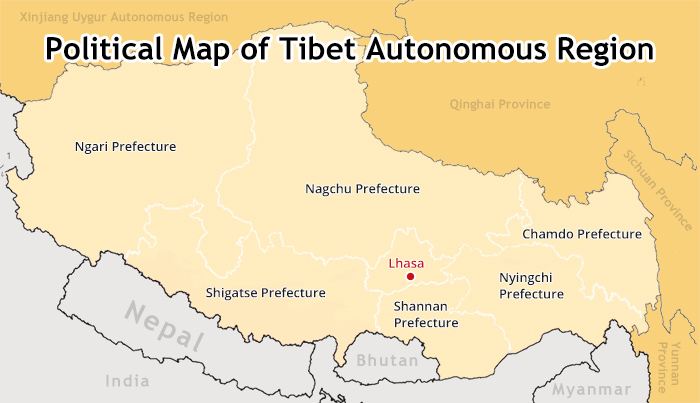
Political Map of Tibet Autonomous Region
The Jokhang Temple: The Spiritual Heart Of Lhasa
For many visitors, the best place to understand Lhasa’s religious importance is the Jokhang Temple.
Located in the center of the historic city, Jokhang is one of the most revered Buddhist temples in Tibet. The surrounding Barkhor area remains an important place for pilgrims, visitors, shops, traditional architecture, and everyday activity.
The temple is particularly famous for the Jowo Rinpoche statue, an image of Buddha that has immense religious significance for Tibetan Buddhists.
One of the most memorable experiences for international visitors is watching pilgrims perform kora, the traditional practice of walking clockwise around a sacred site. Some pilgrims also perform full-body prostrations as part of their devotion.
These practices provide an opportunity to see Tibetan religious traditions not simply as historical customs but as living elements of everyday life.
Visitors should remember that Jokhang is an active religious site rather than simply a tourist attraction. Quiet behavior, respectful clothing, and following local instructions are important when visiting.
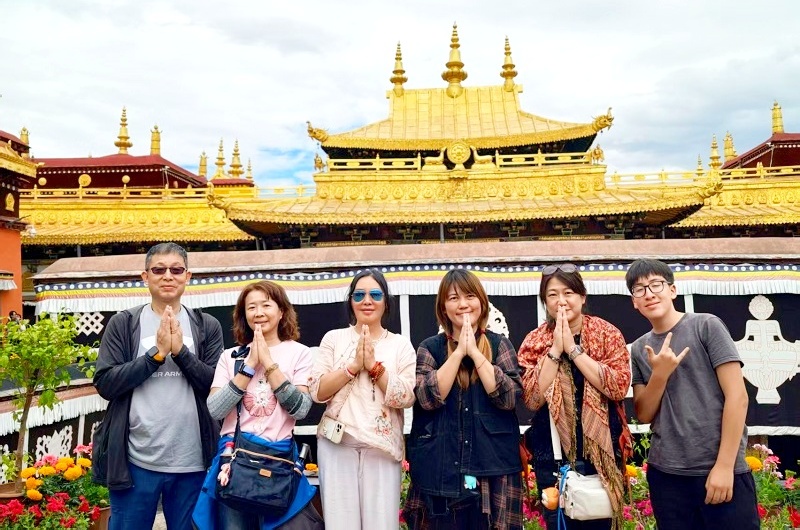
Jokhang Temple
Barkhor Street And The Old City
Surrounding Jokhang Temple is the historic area commonly associated with Barkhor Street.
Barkhor is much more than a shopping street. Its lanes and courtyards form part of the historic urban landscape of Lhasa, where religious activity and everyday life exist side by side.
Walking around Barkhor gives visitors a different perspective from visiting major monuments. You may encounter pilgrims turning prayer wheels, local residents going about their daily routines, traditional Tibetan products, restaurants, tea houses, and buildings incorporating distinctive Tibetan architectural features.
For international travelers, Barkhor can be one of the most accessible places to observe the relationship between religion, commerce, architecture, and community life in Lhasa.
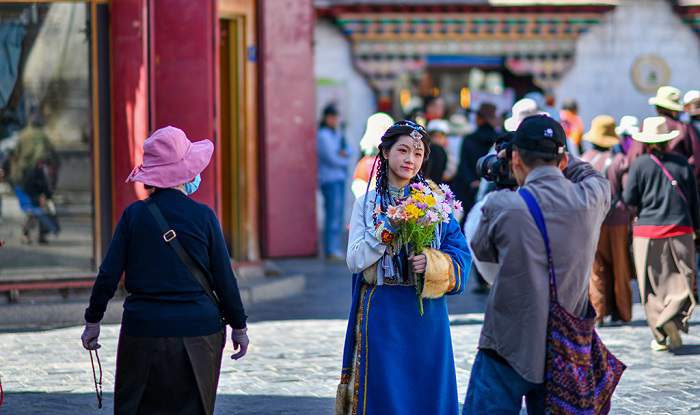
Barkhor Street
Potala Palace And The Image Of Lhasa
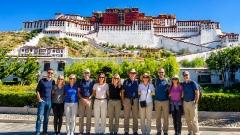
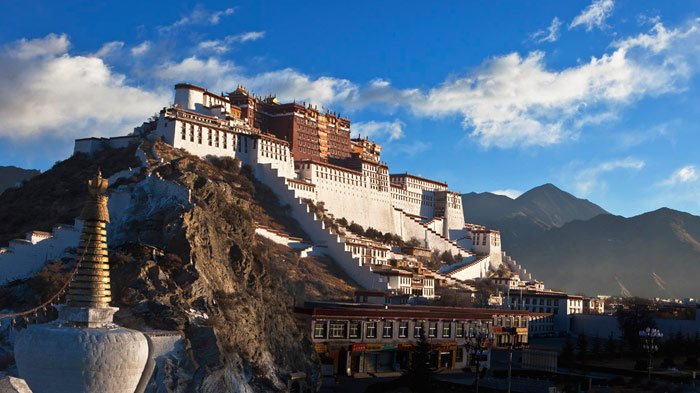
If Jokhang Temple represents the spiritual heart of Lhasa, the Potala Palace represents the city’s most recognizable architectural symbol.
Built on Marpo Ri, the palace dominates the Lhasa skyline. Its enormous white and red structures rise above the historic city and provide one of the most recognizable images associated with Tibet.
The palace has played an important role in Tibetan political and religious history and is now one of Tibet’s most famous cultural landmarks.
From elevated viewpoints around the city, travelers can see how the Potala Palace relates to the surrounding urban landscape. Looking across Lhasa from the palace area also provides a useful perspective on how the historic city has expanded into a modern urban center.
For first-time visitors, combining the Potala Palace with Jokhang Temple and Barkhor Street creates a useful introduction to the historical layers of Lhasa.
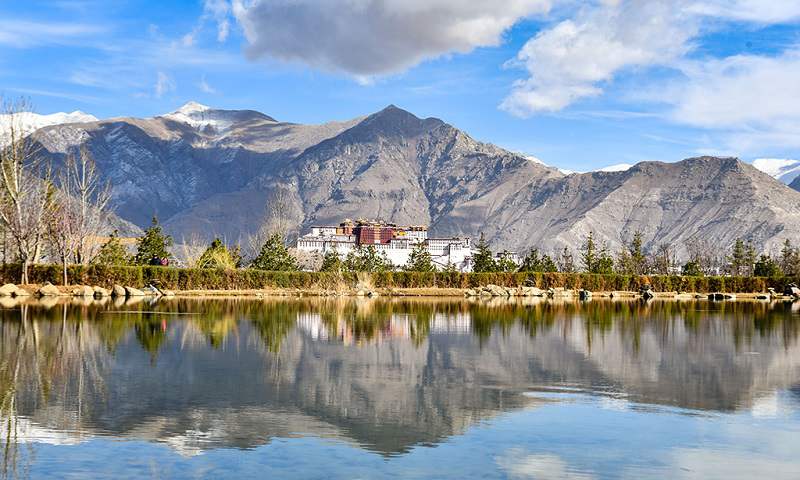
Potala Palace
How Lhasa Developed From An Ancient City Into A Modern Capital?
Modern Lhasa looks considerably different from the small settlement that existed centuries ago. The city has undergone extensive development, with modern roads, residential districts, hotels, restaurants, public facilities, and transportation infrastructure expanding around the historic center.
At the same time, important historic areas remain recognizable. Traditional Tibetan architecture, monasteries, temples, prayer flags, religious art, and pilgrimage routes continue to form an important part of the city’s character.
This creates an interesting contrast for travelers. Within a relatively short distance, you can encounter modern shopping areas and contemporary hotels before entering an ancient religious neighborhood where pilgrims continue practices that have been passed down through generations.
Lhasa therefore should not be viewed simply as an “ancient Tibetan city.” It is a living city where historical traditions and modern urban life coexist.
Lhasa As The Transportation Hub Of Tibet
For international travelers, Lhasa’s importance is also practical.
The city functions as a major transportation hub for exploring the Tibet Autonomous Region. Visitors can reach Lhasa by air, railway, and road, depending on their itinerary and starting point.
The Qinghai-Tibet Railway offers a particularly memorable approach to the plateau. The journey allows travelers to gradually enter the high-altitude environment while passing through vast landscapes, lakes, grasslands, mountains, and remote areas of the Tibetan Plateau.
Flights provide a much faster alternative for travelers with limited time.
Once in Lhasa, major roads connect the city with destinations throughout Tibet. This makes it possible to build itineraries around different interests, including Tibetan culture, Himalayan scenery, pilgrimage, trekking, and high-altitude landscapes.
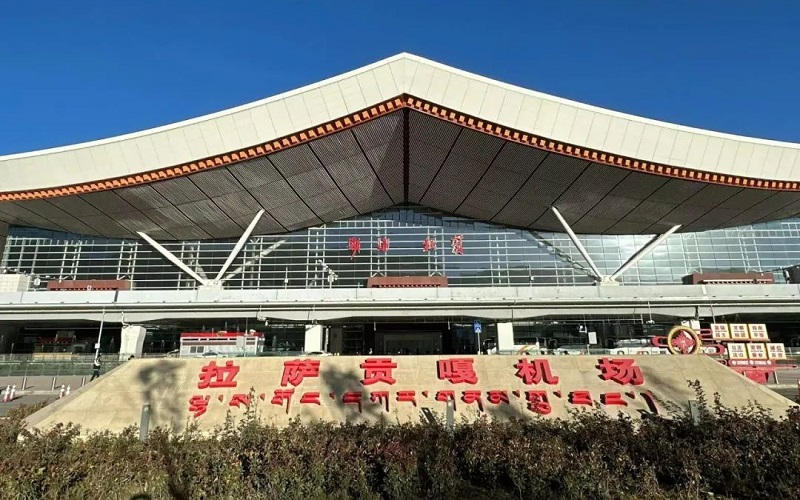
Lhasa Gonggar International Airport
How Long Should You Stay In Lhasa?
Lhasa is usually the first major destination on a Tibet itinerary, and spending at least two or three days here can be useful.
The reason is not only sightseeing. Lhasa sits at a very high elevation, and visitors arriving from low-altitude regions may need time to adjust.
A slower beginning also makes it possible to explore the city without rushing between attractions. A typical introductory stay can include:
- Potala Palace
- Jokhang Temple
- Barkhor Street
- Sera Monastery
- Local Tibetan neighborhoods
- Traditional restaurants and tea houses
Allowing extra time also gives travelers an opportunity to experience Lhasa beyond its famous landmarks.
Rather than treating the city as merely a transit point, consider using your first days in Tibet to observe how people live, worship, eat, work, and interact with their surroundings.
What Can You See After Lhasa?
Lhasa’s central position makes it a convenient starting point for longer Tibet journeys.
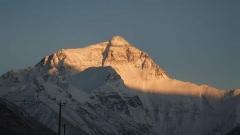
Travelers interested in Himalayan scenery can continue toward Shigatse and Everest Base Camp. Along the way, destinations such as Gyantse, Yamdrok Lake, mountain passes, and traditional Tibetan settlements add considerable variety to the journey.
Travelers who prefer dramatic lakes and high-altitude landscapes can consider Namtso, one of the most famous lakes near Lhasa.
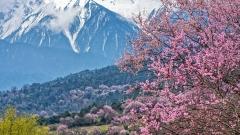
For those interested in southeastern Tibet, Nyingchi offers a striking contrast to the dry landscapes around central Tibet, with forests, valleys, rivers, and mountain scenery.
More ambitious travelers may continue toward Mount Kailash and Lake Manasarovar, one of the most important pilgrimage regions on the Tibetan Plateau. Such journeys require considerably more time and preparation than a basic Lhasa trip.
When Is The Best Time To Visit Lhasa?
Lhasa can be visited throughout much of the year, but different seasons offer different experiences.
From spring through autumn, the weather is generally more suitable for sightseeing and longer overland journeys. Summer can bring more cloud and rainfall, particularly in some areas outside Lhasa, but the landscape can also become greener.
Autumn is often attractive for travelers who prefer clearer skies and crisp mountain scenery.
Winter can be much colder, but Lhasa may be quieter, and sunny days are common. Travelers who are comfortable with cold temperatures can enjoy a more peaceful atmosphere around the city’s major attractions.
The best time ultimately depends on your itinerary. If Lhasa is only one part of a longer Tibet journey, the weather conditions across the entire route should be considered rather than focusing solely on the capital.
Potala Palace
Understanding Lhasa Before Your Tibet Journey
One of the best ways to appreciate Lhasa is to understand that the city represents several different things at once.
It is a modern regional capital, but it is also a historic Tibetan city. It is a transportation hub, but it remains one of the world’s important Buddhist pilgrimage destinations. It attracts international tourists, yet it continues to be a home for local communities whose daily lives extend far beyond tourism.
For travelers, this means that the most rewarding experience may not come from simply checking famous attractions off a list.
Spend time observing pilgrims around Jokhang Temple. Walk through the historic streets. Visit a monastery. Try Tibetan food. Learn about local customs. Take time to adjust to the altitude. These experiences can help transform Lhasa from a sightseeing destination into a place you genuinely understand.
Planning A Tibet Tour From Lhasa With Tibet Yulong Travel
For international visitors, Tibet Yulong Travel can help organize a Tibet journey beginning in Lhasa and extending to destinations such as Shigatse, Everest Base Camp, Namtso, Nyingchi, or Mount Kailash. A local Tibet-based travel agency can also help travelers understand the required permits, transportation arrangements, accommodation, altitude considerations, and route planning before departure.
If Lhasa is your first encounter with Tibet, giving the city enough time is worthwhile. The capital is not simply the starting point of a Tibet itinerary—it is the place where Tibetan history, religion, architecture, modern life, and the landscapes of the plateau come together. For international travelers seeking to understand Tibet before venturing farther into the region, Lhasa is the natural place to begin.