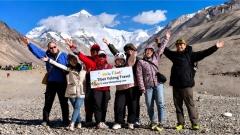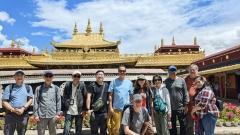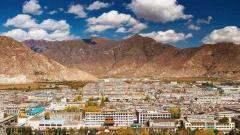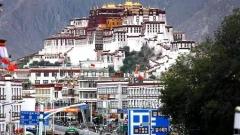

When searching for a cool summer retreat, many travelers imagine mountain resorts or coastal beaches. However, for those seeking raw natural grandeur and spiritual inspiration, summer in Lhasa is truly an idyllic escape and the golden season for Tibetan travel.
As the capital of the Tibet Autonomous Region, Lhasa sits at an altitude of approximately 3,650 meters (11,975 feet) and is famously nicknamed the “City of Sunshine.” During the summer months (June through August), daytime temperatures average a pleasant 15°C to 25°C (59°F–77°F). The weather is refreshingly cool and comfortable, providing a welcome escape from the sweltering heat of lower-altitude cities.
More importantly, summer brings lush vegetation, abundant rainfall, and the highest atmospheric oxygen content of the year across the plateau. Influenced by warm alpine airflows, higher air pressure and oxygen levels significantly reduce the risk of severe high-altitude sickness (AMS), making summer the most forgiving time for first-time visitors to acclimate. While summer coincides with Tibet’s rainy season, precipitation in Lhasa mostly occurs at night (known as the famous “Lhasa night rains”). Mornings usually wake up to clear blue skies and brilliant sunshine, leaving your daytime sightseeing and cultural walks completely uninterrupted.
Why Visit Lhasa in Summer? Top 3 Unbeatable Seasonal Advantages
Summer draws global travelers to the Tibetan capital for three compelling reasons:
① Highest Annual Oxygen Levels & Easier Acclimatization
Surrounding mountain slopes and river valleys bloom with vibrant greenery in summer, boosting plant photosynthesis and driving atmospheric oxygen levels to their annual peak. For travelers concerned about altitude sickness, summer makes Lhasa the gentlest, most comfortable entry point into Tibet.
② Abundant Sunshine & Extended Daylight Hours
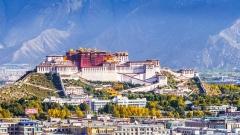
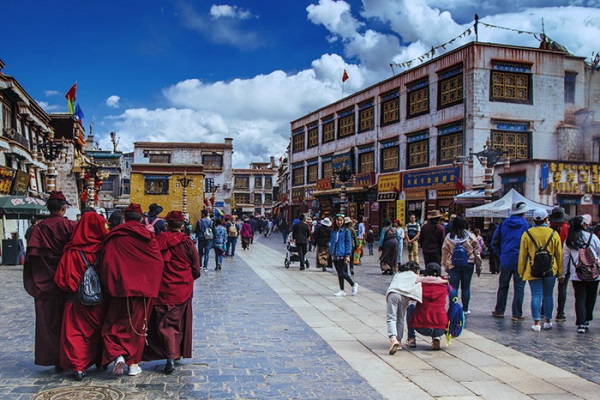
Lhasa enjoys exceptionally long daylight hours during summer, with dusk setting in as late as 8:30 PM or 9:00 PM. These extended hours give you ample time to savor afternoon butter tea along Barkhor Street or photograph the golden sunset over the Potala Palace without feeling rushed.
③ Vibrant Traditional Festivals & Rich Cultural Immersion
Summer is the grandest season for traditional Tibetan festivals. Highlights include the famous Shoton Festival (Yogurt Festival) around August, where you can witness the awe-inspiring unveiling of giant Thangka scrolls at Drepung Monastery, enjoy traditional Tibetan opera performances, and join local Tibetan families picnicking in the gardens of Norbulingka.
Top Attractions to Visit Around Lhasa in Summer
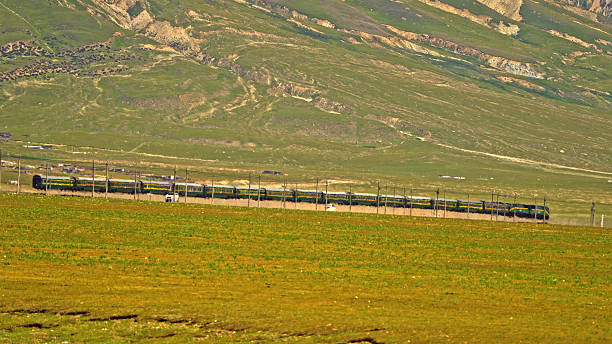
Beyond iconic city landmarks like the Potala Palace, Jokhang Temple, and Barkhor Street, the areas surrounding Lhasa come alive with turquoise lakes, emerald pastures, and dramatic snow peaks:
Yamdrok Lake: A Turquoise Jewel on the Plateau
Located just a 2.5-hour scenic drive from Lhasa, Yamdrok Lake (Yamdrok Yumtso) is one of Tibet’s three sacred lakes. In summer, the hills encircling the lake are carpeted in green grass, while the water reflects shifting hues of emerald green and deep turquoise under the alpine sun. Driving along the winding shoreline with views of Mount Nojin Kangsang in the distance is an unforgettable visual feast.
Lake Namtso: Alpine Waters & Blooming Pastures
Situated northwest of Lhasa at an elevation of 4,718 meters, Lake Namtso is a breathtaking alpine paradise. In summer, the vast grasslands at the foot of the Nyenchen Tanglha Mountains burst into bloom with wildflowers as herds of yaks graze peacefully. Whether you explore the shores of the Tashi Peninsula or head to the North Bank (Sacred Elephant Pass), summer showcases Namtso at its most vibrant.
Yangpachen Hot Springs: High-Altitude Geothermal Relaxation
En route to Lake Namtso lies Yangpachen, famous for its rich geothermal activity. Soaking in an open-air thermal pool overlooking the snow-capped Nyenchen Tanglha peaks during a cool summer evening is the ultimate way to unwind and soothe travel fatigue.
Linzhou Wetlands & Valley Trails: Summer Hikes & Pastoral Scenery
For travelers who enjoy tranquil nature walks and off-the-beaten-path exploration, the river valleys and wetlands of Linzhou County north of Lhasa offer pristine pastoral scenery. Bright green barley fields, winding rivers, and distant snowcapped ridges form a serene Tibetan landscape perfect for slow-travel photography.
Essential Practical Tips for Your Summer Trip to Lhasa
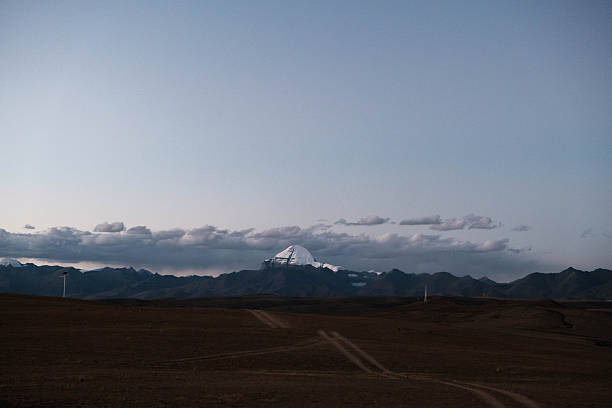
To ensure a seamless summer journey, keep these expert tips in mind:
-
Book Major Attraction Tickets in Advance: Summer is peak travel season in Tibet, and daily entry to the Potala Palace is strictly capped. Secure your entry reservations early through official channels or trusted travel advisors.
-
Prepare for Both Sun and Rain: UV radiation remains intense at high altitudes, while mountain weather can change quickly. Always carry polarized sunglasses, high-SPF sunscreen, a wide-brimmed hat, a light umbrella, and a windproof/waterproof jacket.
-
Pace Your Itinerary Wisely: Even with higher oxygen levels in summer, Lhasa is still a high-altitude destination. Take it easy during your first two days in the city to allow your body time to acclimate smoothly before venturing out to higher-elevation spots like Yamdrok Lake or Lake Namtso.