✨ Highlights:
- 🌳 Ancient Royal Garden: Norbulingka Summer Palace Lhasa is Tibet’s largest man-made royal garden packed with old trees, lakes and flower yards.
- 🏯 Well-preserved Palace Complex: Explore multiple historic palaces decorated with precious murals, thangkas and ancient relics.
- 📜 Rich Cultural Heritage: Dig into Norbulingka garden history Lhasa and learn about the royal summer lifestyle in old Tibet.
- 🎉 Vibrant Summer Events: Experience authentic local traditions when Norbulingka summer festival activities take place during Shoton Festival.
- 🕒 Clear Visitor Schedules: Check Norbulingka opening hours foreign visitors need to know before planning your trip.
- 🗓️ Flexible Travel Window: Discover the best time to visit Norbulingka Lhasa for pleasant weather and fewer crowds.
- 📸 Fantastic Photo Spots: Capture scenic lake reflections, traditional Tibetan architecture and peaceful woodland views.
Norbulingka, known as the Jewel Garden, is widely recognized as the summer palace in Lhasa, and this article will walk you through exactly what to see during your visit. As a UNESCO World Heritage Site, it stands as the largest and best-preserved man-made garden across the Tibetan plateau, sitting in western Lhasa just across the road from the Tibet Museum. While the Potala Palace served as the winter residence, Norbulingka was the preferred retreat for centuries, where the Dalai Lamas moved each summer to escape the heat of the old city. For international travelers exploring Lhasa, Norbulingka summer palace Lhasa what to see remains one of the most searched questions before planning a visit.
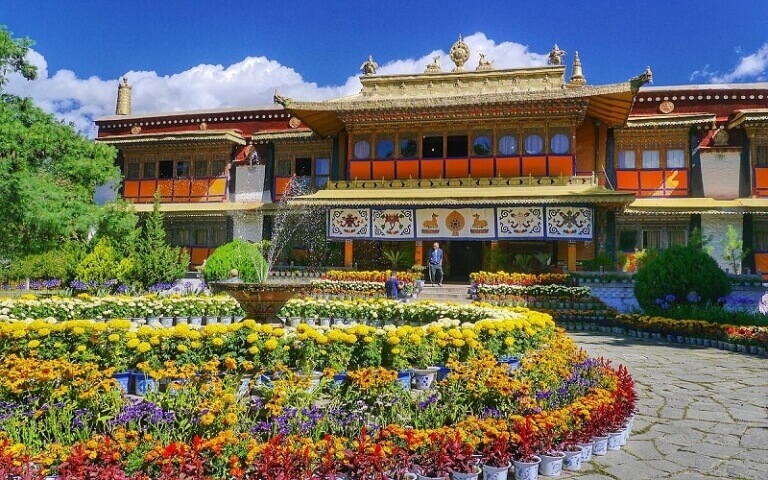
Built starting in the 1740s during the reign of the 7th Dalai Lama, the garden complex grew gradually over more than 200 years. Successive expansions added palaces, chapels, lakes, pavilions, forests and flower yards, creating a sprawling 360,000-square-meter compound. Unlike the solemn, stone-heavy architecture of Potala Palace, Norbulingka blends Tibetan building traditions with Han-style landscape design. Tall poplars, willows and ancient cypress trees shade winding stone paths, while seasonal flowers bloom from late spring to early autumn. Many visitors come expecting only a palace, but the full Norbulingka summer palace Lhasa what to see experience mixes architecture, religious art, natural scenery and living Tibetan culture all in one place.
History Background of Norbulingka Summer Palace
Understanding Norbulingka garden history Lhasa helps travelers appreciate every building and tree within this sprawling estate. The story of Norbulingka began when the 7th Dalai Lama fell ill, and a cool, spring-fed site on the western edge of Lhasa was selected for healing. Kelsang Phodrang, the first palace, was constructed here, forming the heart of the early garden. Each subsequent Dalai Lama added new buildings and gardens, turning the simple retreat into a grand royal summer estate. The whole complex contains more than 370 rooms, divided into three main zones: the front administrative area, the central palace cluster, and the quiet forest and lake sections at the back.
What makes Norbulingka special is its dual identity. It was not only a residential palace but also a place for religious ceremonies, government meetings and festival celebrations. Even today, local families still visit Norbulingka for picnics, especially during the Shoton Festival. This combination of royal heritage and lively local culture makes it different from other historic landmarks in Lhasa.
What to See Inside Norbulingka Summer Palace
When you plan your tour, knowing what to see at Norbulingka will help you arrange your route and avoid rushing past the most important treasures.
Kelsang Phodrang (Gesang Palace)
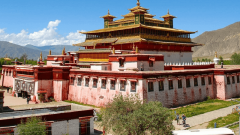
Kelsang Phodrang is the oldest palace within Norbulingka, built for the 7th Dalai Lama. This three-story Tibetan-style palace features thick stone walls, dark wooden pillars and elaborately painted beams. Inside, the highlight is the extensive mural series covering multiple walls. The murals tell stories from Tibetan mythology, ancient history and the life of early Tibetan kings, including the famous tale of monkeys evolving into humans. There are also fine thangka scroll paintings, Buddha statues and religious ritual objects preserved inside the palace halls.
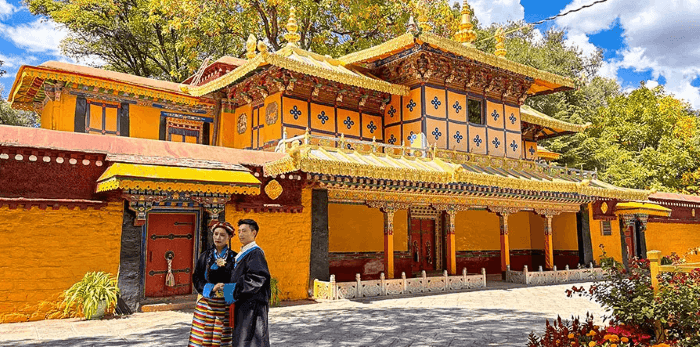
Visitors should note that photography is strictly forbidden inside all palace buildings. You may walk through the rooms slowly with a guide to understand the history behind each artifact.
Tsokyil Phodrang (Lake Heart Palace)
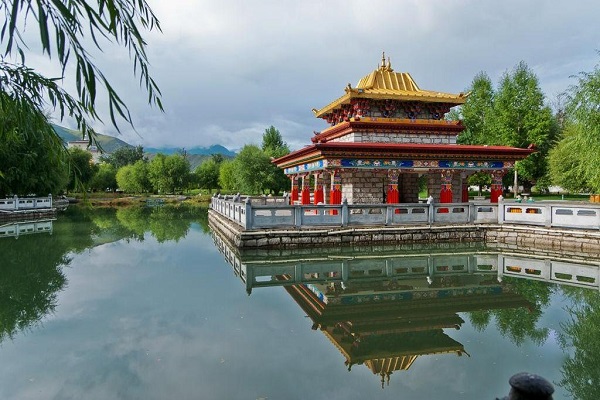
Tsokyil Phodrang is often regarded as the most scenic spot in Norbulingka. This elegant pavilion sits on an island in the middle of a peaceful lake, connected by two stone bridges. The architecture blends Tibetan roof design with Chinese pavilion styles, with its reflection mirroring perfectly in the still lake water. This was once used as a banquet venue and leisure spot. The surrounding lake area has willow trees and flower beds, and it is the favorite photography location for many travelers.
Golden Phodrang
Golden Phodrang was built in the early 20th century for the 13th Dalai Lama. Its name comes from the striking golden roof decorations and vibrant wall paintings. The palace houses his study, bedroom and reception rooms. Exhibits include antique furniture, old porcelain, religious statues and personal items. The surrounding courtyard is full of tall trees, creating a quiet atmosphere away from the busy main paths.
Takten Migyur Phodrang (The New Palace)
Completed in 1956, Takten Migyur Phodrang, or the New Palace, is the newest major building in Norbulingka. It combines traditional Tibetan palace design with modern comforts. The large murals in this palace are the star attraction, recording the history of Tibet and the life of the 14th Dalai Lama. The rooms are well preserved, maintaining the layout of the original living quarters.
Gardens, Forests and Natural Landscape
Beyond the palaces themselves, Norbulingka’s landscape is one of the top things to see. Hundreds of ancient trees, flower gardens, small streams and lakes spread across the park. Many Tibetans bring food and blankets to have picnics under the trees on weekends. Walking along the forest trails offers a calm contrast to crowded tourist sites in central Lhasa.
Shoton Festival Celebrations
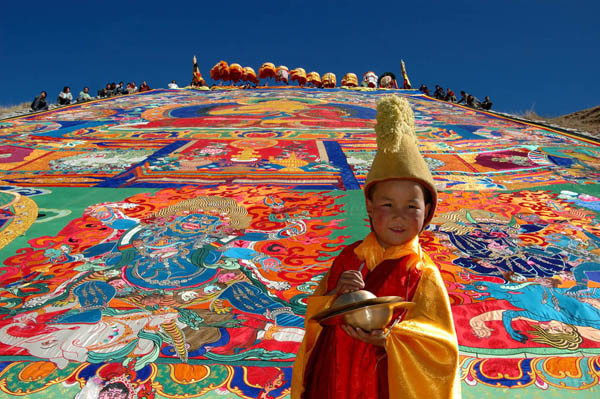
If you travel to Lhasa in the summer, you may experience the famous Shoton Festival. Norbulingka becomes the main venue for Norbulingka summer festival activities, including Tibetan opera performances, folk dances and large gatherings. Local families gather in the garden for picnics, creating a vibrant festive atmosphere. This is one of the best times to witness authentic Tibetan cultural life.
Practical Visiting Information
Opening Hours
Norbulingka opening hours foreign visitors need to keep in mind: Norbulingka opens from 9:30 AM to 6:00 PM during peak season (May to October). In the off-season from November to April, it closes at 5:30 PM. Last entry is usually one hour before closing time. Plan to arrive early to have enough time to explore both palaces and gardens. Most travelers spend around 2 hours for a full visit.
Ticket Information
The standard ticket price is 60 RMB per person in peak season and 40 RMB during winter. Foreign visitors need to carry valid passports for ticket purchase and entry. You can buy tickets on-site at the east gate or book via the official mini-program in advance.
Transportation
Norbulingka Summer Palace Lhasa is located in western Lhasa. It is easy to reach by taxi, public bus or bicycle. It sits directly opposite the Tibet Museum, so many travelers combine visits to both sites in one half-day Lhasa cultural tour.
Travel Tips for Visiting Norbulingka Summer Palace
1. Respect indoor photography rules: No photos or videos are allowed inside any palace buildings. You can freely take pictures in outdoor gardens and courtyards.
2. Dress modestly: Shoulders and knees should be covered when entering religious and palace buildings.
3. Altitude preparation: Lhasa sits at over 3600 meters. Take your time walking, stay hydrated and avoid heavy exercise.
4. Hire a local guide: The murals and relics have rich historical stories, and a guide can greatly improve your experience.
5. Best time to visit Norbulingka Lhasa: May to October offers mild weather, blooming flowers and the chance to join summer festival events, though winter visits bring fewer crowds and quieter garden views.
Frequently Asked Questions
Q: How long should I stay at Norbulingka?
A: Plan for 1.5 to 2 hours. If you love gardens and photography, reserve 3 hours.
Q: Can I visit Norbulingka and Potala Palace on the same day?
A: Yes, but the schedule will be tight. Most visitors prefer to separate them on different days to avoid rushing.
Q: Is Norbulingka worth visiting besides Potala Palace?
A: Absolutely. Potala Palace is grand and imposing, while Norbulingka offers a relaxed garden environment and a chance to see the summer lifestyle of the Dalai Lamas. It gives you a balanced view of Lhasa’s royal heritage.
Conclusion
When researching Norbulingka summer palace Lhasa what to see, many travelers only focus on the palace buildings, but the magic of Norbulingka lies in the combination of historic palaces, priceless murals, peaceful lakes and ancient woodland. As Norbulingka Summer Palace Lhasa, it offers a different perspective of Tibetan royal culture that you cannot find at Potala Palace. Whether you are a history lover, photography enthusiast or cultural traveler, Norbulingka deserves a spot on your Lhasa itinerary. Walking through the garden paths, viewing the stunning murals and enjoying the quiet atmosphere helps you understand the living history of Lhasa.