✨ Highlights:
🚶 Sacred Circular Trail: Follow the Barkhor Street kora walking route in Lhasa, a living pilgrimage path encircling Jokhang Temple in old Lhasa.
📜 Deep Local Heritage: Uncover the History of Barkhor Street Lhasa, tracing its origin from a simple pilgrim trail to a famous cultural quarter.
📍 Must-see Attractions: Learn What to see on Barkhor kora, including prayer wheels, ancient alleys, prostrating pilgrims and traditional handicraft stalls.
⏱️ Route Length Reference: Find out How long is Barkhor kora loop, plan enough time for stops, photos and sightseeing along the circuit.
🗓️ Ideal Visiting Window: Check the Best time to walk Barkhor kora Lhasa for peaceful atmosphere and soft golden light.
🙏 Visitor Guidance: Master Barkhor kora etiquette for tourists to show respect to local pilgrims and Tibetan Buddhist traditions.
🏮 Vibrant Pilgrimage Circuit: Explore Barkhor Street pilgrimage circuit Lhasa, blending sacred rituals, local daily life and traditional Tibetan commerce.
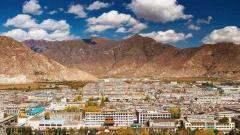
Located in the heart of old Lhasa, Barkhor Street is one of the most sacred and lively pilgrimage zones in Tibet. The Barkhor Street kora walking route in Lhasa circles the iconic Jokhang Temple, drawing countless pilgrims and travelers every single day. For generations, Tibetan devotees have completed this sacred circuit as a spiritual practice, while modern visitors come to witness living Tibetan culture, browse traditional handicraft shops and soak up the timeless atmosphere of old Lhasa. If you plan to explore central Lhasa, understanding the Barkhor Street kora walking route in Lhasa is essential to fully appreciate its spiritual and cultural significance.
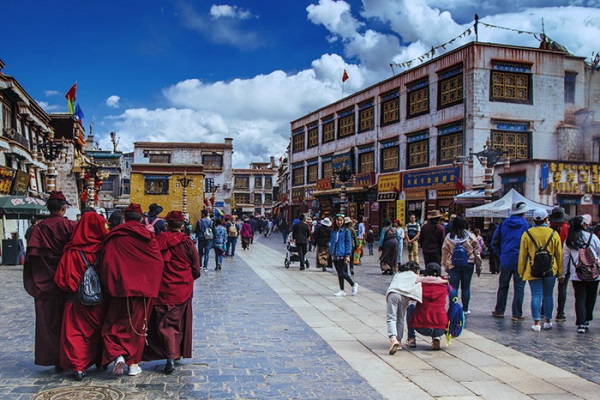
The origin of Barkhor Street dates back more than 1,300 years, after the construction of Jokhang Temple. As pilgrims traveled long distances to worship at the temple, a narrow footpath gradually formed around its outer walls. Over centuries, this simple path expanded into a full circular kora route, lined with family homes, prayer wheels, stone monuments and market stalls. Unlike many tourist attractions built solely for visitors, Barkhor remains a living neighborhood. Local residents still walk the circuit every morning and evening, turning the kora into a seamless blend of sacred ritual and daily life. To fully grasp the area’s charm, it is worthwhile to dive into the rich History of Barkhor Street Lhasa before you set off on your walk.
Brief History of Barkhor Kora Circuit
Barkhor’s kora was born from the devotion of pilgrims. After Jokhang Temple was finished, believers would walk around the temple clockwise to show their respect. The original path was just a dirt trail. As more people came to worship, houses and small shops sprang up along the route, forming the Barkhor Street we see today.
The Barkhor Street pilgrimage circuit Lhasa stretches roughly 1.5 kilometers, and many visitors wonder How long is Barkhor kora loop. A continuous walk without stops usually takes around 45 minutes to one hour, while frequent pauses for photos and sightseeing can extend the trip to two hours. The rule of the kora is simple: always walk clockwise. This is a non-negotiable tradition for Tibetan Buddhist pilgrimage. Even tourists should follow this direction out of respect for local customs. Walking counter-clockwise will disturb pilgrims and is considered disrespectful.
Barkhor Street Kora Walking Route in Lhasa: Step-by-Step Guide
Starting point: The main entrance square of Jokhang Temple. Most visitors begin their kora here.
1. Start walking clockwise from the square beside Jokhang Temple. You will immediately see rows of large, brass prayer wheels mounted on the wall. Pilgrims spin each prayer wheel as they pass by. You may spin them too, using your right hand, turning clockwise.
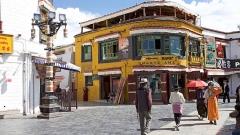
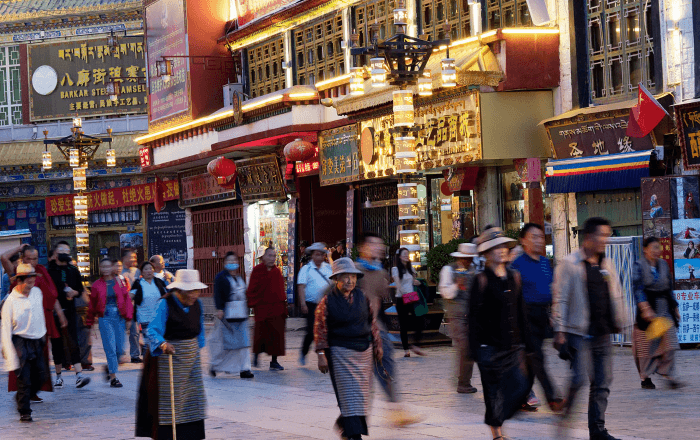
2. Continue along the paved stone path. The route alternates between quiet residential sections and busy commercial lanes. On quieter stretches, you will see elderly locals slowly walking the kora, reciting mantras. Busy sections are filled with handicraft vendors selling thangka paintings, Tibetan jewelry, incense, prayer beads and traditional textiles.
3. Along the circuit, you will find several ancient stone steles and old willow trees with religious meaning. Small alleyways branch off the main kora, leading deep into old Lhasa’s traditional courtyard houses.
4. Keep following the circular path. After passing through the market area, you will return back to Jokhang Temple square to complete the full loop.
Many travelers choose to walk the kora twice: once early morning for the peaceful pilgrimage atmosphere, and once in the evening to see the street lit up. When planning your trip, you may want to learn What to see on Barkhor kora so you won’t miss the most memorable sights along the way.
What You Will See Along Barkhor Kora Route
Pilgrims and Spiritual Rituals
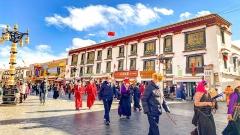
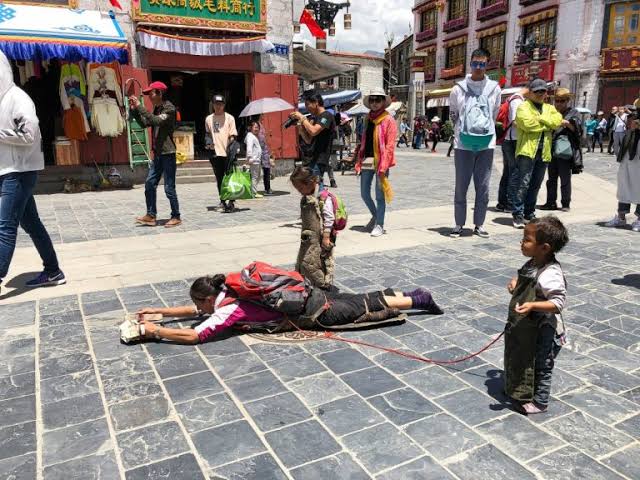
The most touching sight along Barkhor Street kora walking route in Lhasa is the pilgrims. Some walk slowly while murmuring prayers. Others perform full-body prostrations along the stone path, a rigorous spiritual practice. Watch quietly and keep a respectful distance when taking photos. Never take close-up photos of people without permission.
Prayer Wheels and Religious Symbols
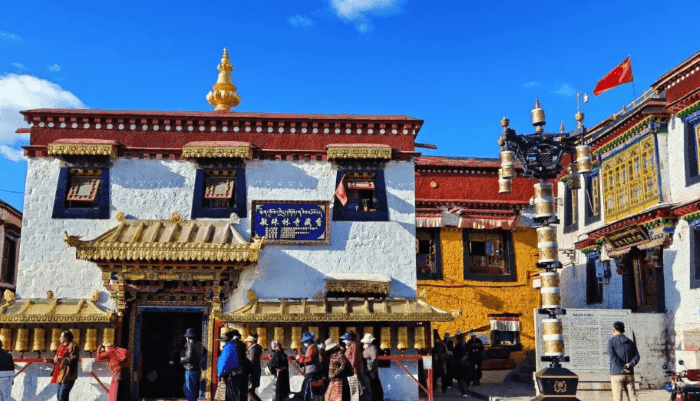
Long lines of polished brass prayer wheels stand along the inner edge of the kora. Each wheel contains printed Buddhist mantras. Turning the wheel clockwise is believed to send prayers out into the world. Many pilgrims carry small handheld prayer wheels as they circle Barkhor. Colorful prayer flags can also be seen hanging at corners of the street.
Traditional Tibetan Market
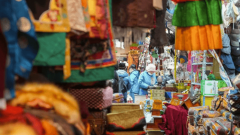
Barkhor Street is also a bustling local market. Shops and stalls offer Tibetan handicrafts, carpets, silver ornaments, yak wool products, incense and souvenirs. Bargaining is common here, but keep your tone polite. Do not touch sacred items such as thangkas unless the shopkeeper invites you to.
Ancient Alleyways of Old Lhasa
Small lanes branch from the main kora route, leading to well-preserved traditional Tibetan homes. These narrow alleys are far less crowded and offer glimpses of ordinary local life. If you wander into these side lanes, remember not to enter private houses without invitation.
Best Time to Walk Barkhor Kora
Best time to walk Barkhor kora Lhasa is either early morning or late afternoon. Early morning from sunrise until 9 AM is the most spiritual time for the Barkhor kora. Most local pilgrims finish their circuit before the street becomes packed with tourists. The air is fresh, and the street is quiet, dominated by the sound of spinning prayer wheels and soft chanting.
Late afternoon and early evening (17:00–20:00) is another excellent window. The sunlight warms the old stone buildings, and both locals and tourists fill the circuit. The atmosphere is lively yet still sacred. Midday tends to be crowded and bright, which is less ideal for experiencing the spiritual mood.
Etiquette & Important Tips on Barkhor Kora
Understanding Barkhor kora etiquette for tourists will help you avoid unintentional disrespect and create a pleasant experience for pilgrims and yourself.
1. Always walk clockwise. This is the golden rule of the kora.
2. Ask permission before photographing pilgrims or local people. Some people do not want to be photographed.
3. Dress modestly. Avoid shorts, sleeveless tops or revealing clothing near Jokhang Temple and the kora route.
4. Do not step on prayer flags, or trample on religious offerings on the ground.
5. Keep your voice low. Refrain from loud talking or laughter in the sacred areas.
6. Watch your personal belongings. Barkhor is crowded, so keep wallets, phones and passports secure.
7. Altitude reminder: Lhasa sits at 3650 meters. Take slow steps, especially if you are still adapting to high altitude.
Practical Travel Information
Opening & Access
Barkhor Street itself is open 24 hours a day. The kora walking route is accessible all day, while shops generally open around 9 AM and close after sunset. Jokhang Temple has separate opening hours if you plan to enter the temple building.
Transportation
Barkhor Street sits in central Lhasa. You can get there by taxi, public bus or on foot if you stay in the old town area. Many travelers staying in Lhasa’s old town hotels walk to Barkhor directly.
Frequently Asked Questions
Q: How long does it take to finish Barkhor kora?
A: Around 45 minutes for a non-stop walk. If you stop to explore, 1–2 hours is typical.
Q: Can I walk Barkhor kora at night?
A: Yes, the street remains open. Evening kora is popular with locals, but some small shops will close after dark.
Q: Is Barkhor Street safe for foreign visitors?
A: Yes, Barkhor is generally safe for tourists. Just watch your belongings in crowded sections and respect local religious customs.
Conclusion
The Barkhor Street kora walking route in Lhasa is far more than a sightseeing trail. It is a living spiritual circuit that connects visitors to ancient Tibetan traditions. When you walk clockwise along the stone path, surrounded by pilgrims spinning prayer wheels, you step into a world where religious devotion and daily life blend together seamlessly. Whether you are passionate about religious culture, street photography or local life, a walk around Barkhor kora is an unmissable highlight of any Lhasa trip. Take your time, observe respectfully, and immerse yourself in the unique atmosphere of old Lhasa.