
⭐ Highlights:
- ✨ Tibet Local Market Tour in Lhasa for International Guests – A genuine cultural immersion beyond Lhasa’s iconic landmarks. Wander lively local markets to experience authentic Tibetan daily life, interact with local vendors and artisans, and discover handcrafted treasures you will not find at standard tourist sites.
- 🛕 Top Markets to Explore
- Barkhor Street Market: 1,300-year-old pilgrimage and trading hub. A Barkhor Street market tour for international visitors blends sacred culture with stalls selling Thangka art, Tibetan silver, prayer wheels and traditional clothing.
- Chongsaikang Market: Lhasa’s largest local daily market, favoured by residents. Browse vintage handicrafts, fresh plateau ingredients and homemade snacks with minimal tourist markup.
- Lhasa Night Market: Taste butter tea, grilled yak skewers and highland barley treats while browsing affordable small ethnic accessories.
- 🎁 Key Cultural Experiences Watch local artisans craft traditional handicrafts on-site, sample authentic plateau food, and learn the stories behind Tibetan religious and folk goods. An Explore local markets in Lhasa with a guide helps you avoid superficial sightseeing and dig deep into local customs.
- 📜 Etiquette & Practical Tips Always ask permission before photographing locals or religious artefacts. Learn basic bargaining rules and simple Tibetan greetings. Carry small cash, apply strong sun protection and stay hydrated in the highland climate. A Tibet cultural market tour Lhasa helps you respect local traditions while enjoying your visit.
- 📋 Tour Overview A Lhasa local market tour for foreign visitors is ideal for travellers seeking real local encounters. This journey is more than shopping: it captures the living culture, sounds and flavours of Lhasa away from crowded landmark sites.
When planning a trip to Lhasa, most international travelers prioritize iconic landmarks like the Potala Palace and Jokhang Temple. However, the true soul of Lhasa lies in its bustling local markets, where ancient Tibetan traditions, daily local life, and unique ethnic customs come alive. A Tibet local market tour in Lhasa for international guests is far more than a shopping experience; it is an immersive cultural journey that allows overseas visitors to connect with real Tibetan life, interact with local residents, and discover hidden treasures that cannot be found in tourist-only scenic spots. For travelers who prefer in-depth travel rather than routine sightseeing, a Lhasa local market tour for foreign visitors offers a genuine perspective to explore the plateau’s unique charm.
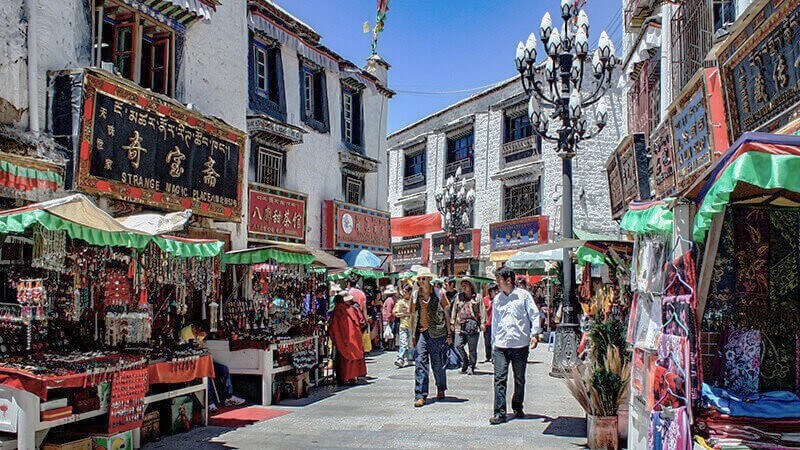
Barkhor Shopping Market
Unlike standardized commercial tourist streets, Lhasa’s local markets retain original Tibetan folk characteristics. From handcrafted ethnic artifacts and authentic plateau delicacies to traditional religious supplies and daily folk goods, these markets showcase the most genuine side of Tibet. A professional Explore local markets in Lhasa with a guide can help international guests avoid superficial sightseeing, dig into the cultural stories behind every commodity and street scene, and gain a more comprehensive travel experience. This comprehensive guide will take international guests through Lhasa’s top local markets, share immersive travel experiences, practical visiting tips, and unique cultural insights to help you plan a perfect local market tour in Lhasa.
This comprehensive guide will take international guests through Lhasa’s top local markets, share immersive travel experiences, practical visiting tips, and unique cultural insights to help you plan a perfect local market tour in Lhasa. If you wish to join a professionally guided trip, our team can arrange your Tibet market exploration as part of your tailor-made Tibet or Tibet-Bhutan overland itinerary.
Day 1: Arrive in Lhasa
Day 2: Lhasa Day Trip
Day 3: Lhasa Day Trip
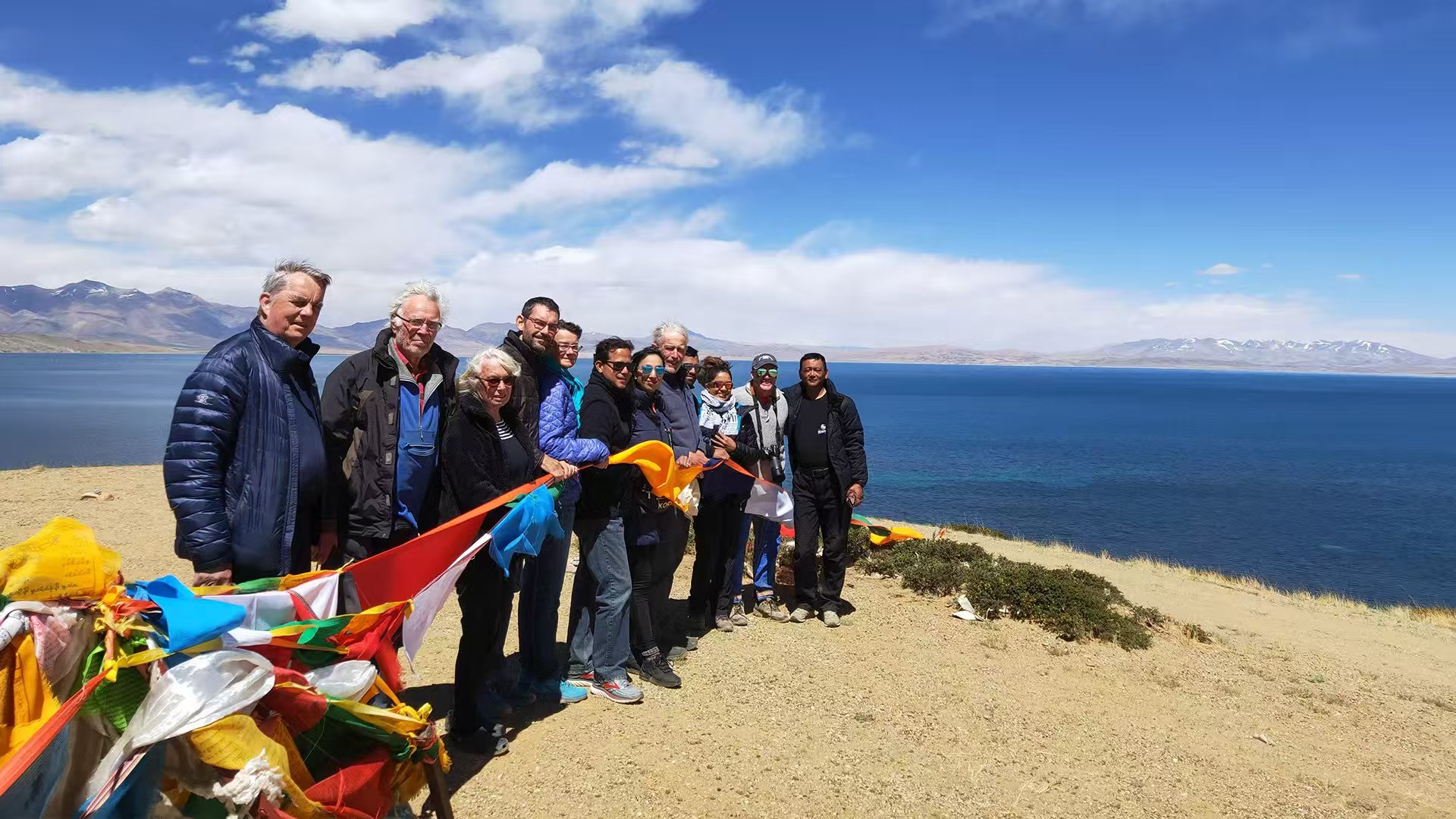
Day 4: Yamdrok Lake Exploration
Day 5: Departure from Lhasa
Why Choose Lhasa Local Market Tour for International Travelers
For international guests traveling in Tibet, scenic spot sightseeing can only present a superficial view of Tibetan culture, while local market exploration offers an in-depth way to understand local life. A professional Tibet cultural market tour Lhasa focuses on the integration of folk customs and cultural inheritance, making it a core travel experience that overseas tourists should not miss. There are three core reasons why a Lhasa local market tour is a must-visit experience for overseas travelers.
First, authentic cultural immersion. Lhasa’s local markets have been operating for decades or even centuries, serving as the daily trading center for local Tibetans. Every stall, every product, and every local vendor’s operation method inherits traditional Tibetan folk customs. Walking through the markets, you can witness locals turning prayer wheels, purchasing religious supplies, and bargaining for daily necessities, feeling the unique plateau life rhythm that is completely different from modern cities.
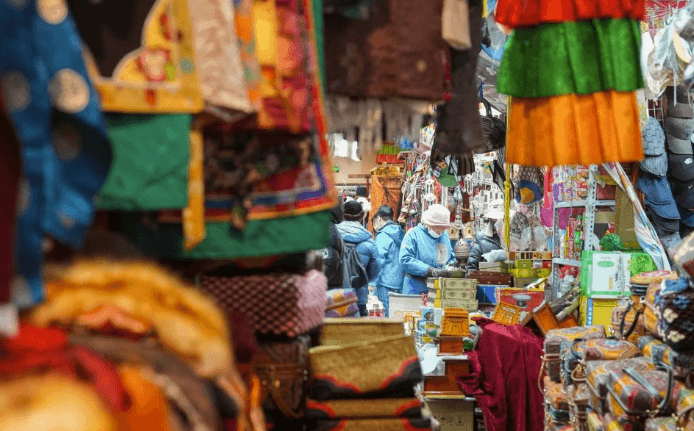
People in Lhasa make preparations for upcoming Tibetan New Year
Second, unique souvenir and handicraft resources. Most commodities in Lhasa’s local markets are handmade by local artisans, including Thangka paintings, Tibetan silver jewelry, incense, woolen blankets, and yak handicrafts. These authentic ethnic products are of high collection value and cannot be found in international shopping malls. They are the best souvenirs to record your Tibet travel memories.
Third, real local interaction experience. Local market vendors in Lhasa are simple and hospitable. Most of them can communicate with international guests through simple English or body language. Friendly bargaining and casual conversations allow overseas travelers to break cultural barriers and feel the sincerity and enthusiasm of Tibetan people, creating unique travel stories.
Top 3 Must-Visit Local Markets in Lhasa for International Guests
Lhasa has many characteristic local markets, among which Barkhor Street Market, Chongsaikang Market, and Lhasa Night Market are the most representative, with distinct characteristics and rich travel experience, suitable for international guests to explore in depth. A classic Barkhor Street market tour for international visitors is always the first choice for foreign travelers to unlock Lhasa’s folk culture.
Barkhor Street Market: The Most Classic Cultural Folk Market
As the core business district surrounding Jokhang Temple, Barkhor Street Market is the most famous local market in Lhasa and a must-visit spot for international tourists. With a history of more than 1,300 years, it is not only a sacred pilgrimage route for Tibetans but also a bustling folk trade market integrating religion, life, and commerce. Thanks to standardized multilingual signs and intelligent explanation facilities, it has become a highly international-friendly block in Lhasa.
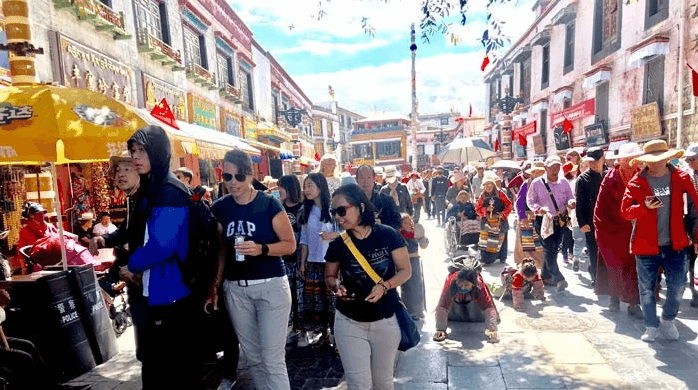
Barkhor Street is a lively combination of local neighborhood, pilgrim circuit, marketplace and historical sites
The market stretches along the circular Barkhor Street, with hundreds of fixed shops and mobile stalls. The main products here are traditional Tibetan cultural supplies and ethnic handicrafts. International guests can find exquisite hand-painted Thangkas, pure manual Tibetan silver ornaments, prayer wheels, butter lamps, Tibetan incense, and colorful Tibetan costumes. In addition, various plateau characteristic ornaments such as turquoise and agate jewelry are complete in variety and authentic in texture.
The best visiting time for Barkhor Street Market is from early morning to dusk. In the morning, you can witness devout Tibetan pilgrims turning the street for worship, blending religious sanctity with market fireworks; in the afternoon, the market is full of vitality, suitable for shopping and taking photos. It is worth mentioning that most merchants here have received international reception training, with clear commodity pricing norms, bringing a safe and reassuring shopping experience for foreign tourists.
Chongsaikang Market: The Largest Comprehensive Local Market in Lhasa
Chongsaikang Market is the largest and most down-to-earth comprehensive local market in Lhasa, known as the “life granary” of Lhasa locals. Different from the tourist-oriented Barkhor Street, this market is mainly for local Tibetans’ daily consumption, with lower prices and more diverse commodities, which is the best choice for international guests to experience real Tibetan residents’ life.
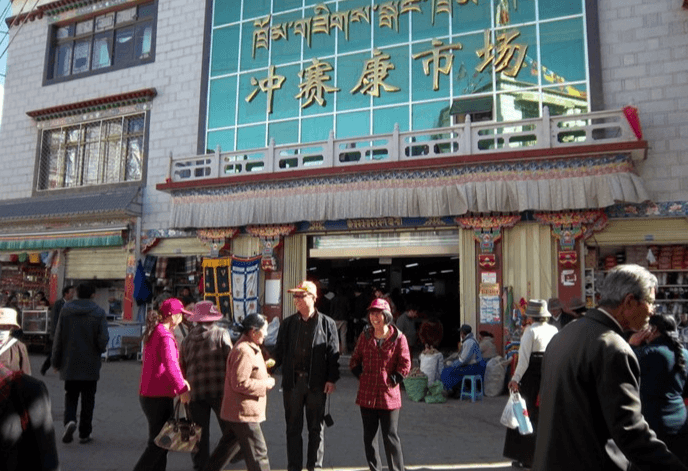
The market is divided into multiple functional areas, covering daily groceries, plateau specialty ingredients, Tibetan snacks, handmade old goods, and ethnic textiles. The old goods area on the market’s first floor is the most popular among foreign travelers, where many vintage Tibetan handicrafts, old prayer beads, and traditional folk utensils are collected, with strong collection significance. In the food area, international guests can taste authentic yak jerky, Tibetan butter cake, highland barley biscuits, and other characteristic plateau foods.
The overall consumption of Chongsaikang Market is affordable, with no excessive tourist premium. It is very suitable for international guests who like in-depth local travel and vintage collection. Walking in the market, you can see locals buying daily ingredients and household items, fully feeling the most real and trivial fireworks of Lhasa’s plateau life.
Lhasa Night Market: Experience the Vibrant Night Life of Plateau City
Most people think Lhasa’s night life is quiet, but the local night market breaks this stereotype and is a hidden treasure for international guests to experience Lhasa’s trendy and down-to-earth side. Concentrated in the urban downtown area, Lhasa Night Market opens from dusk to late night, focusing on plateau specialty snacks and casual ethnic handicrafts.
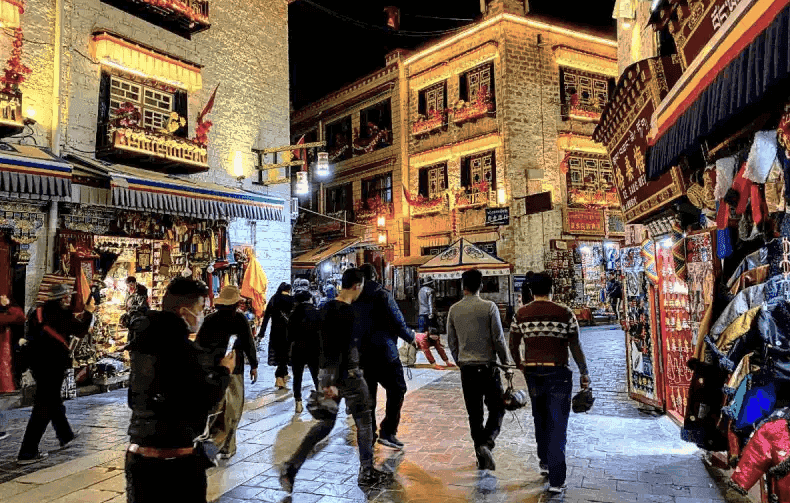
Barkhor Street at Night
Here, foreign tourists can taste exclusive plateau delicacies that cannot be tasted in other regions, including butter tea, sweet tea, Tibetan noodles, grilled yak meat skewers, and highland barley wine. All snacks are made with local plateau ingredients, retaining the most authentic Tibetan flavor. In addition, small stalls in the night market sell small and exquisite ethnic accessories, hand-woven ropes, and Tibetan style ornaments, which are cheap and exquisite, very suitable as small gifts for relatives and friends.
Core Experience Highlights of Lhasa Local Market Tour for Foreign Travelers
Authentic Handicraft Customization and Purchase
The biggest highlight of Lhasa’s local markets is handmade ethnic products. Different from mass-produced tourist souvenirs, the handicrafts here are all made by local Tibetan artisans through traditional techniques. International guests can watch artisans make Tibetan silver jewelry, weave woolen blankets, and paint small Thangka paintings on site, and even customize exclusive ethnic handicrafts according to their preferences. Each product carries unique Tibetan cultural connotation and artisan’s ingenuity, with high collection and commemorative value.
Zero-Distance Taste of Plateau Specialties
Local markets are the best gathering place for authentic Tibetan food. International guests can experience the unique taste of plateau food here: mellow butter tea relieves altitude sickness, chewy air-dried yak meat is rich in protein, sweet and refreshing highland barley yogurt is healthy and delicious, and crispy Tibetan cakes have a unique flavor. These pure natural plateau ingredients bring a brand-new taste experience for foreign tourists, allowing you to taste the authentic flavor of Tibet in the market.
In-depth Understanding of Tibetan Folk Culture
Every commodity in Lhasa’s local markets is a carrier of Tibetan culture. Prayer wheels and butter lamps inherit Tibetan Buddhist culture, Thangka paintings record ancient religious stories and folk customs, and Tibetan costumes and ornaments reflect the unique aesthetic of plateau ethnic groups. During the market tour, international guests can communicate with local vendors and artisans to learn about the production process and cultural origin of each product, systematically understanding the inheritance and development of Tibetan folk culture.
Practical Travel Tips for International Guests Visiting Lhasa Local Markets
Shopping and Bargaining Tips
Fixed shops in standardized markets have unified pricing, while mobile stalls support reasonable bargaining. The most practical bargaining skill is to quote two-thirds of the original price, and maintain a friendly attitude. Learning the Tibetan word “Tuojiqi” (thank you) can effectively narrow the distance with vendors and improve the success rate of bargaining. It should be noted that vintage old goods and handmade high-quality Thangkas have high value, with little bargaining space.
Cultural Taboos and Etiquette
When visiting local markets, international guests need to abide by Tibetan cultural taboos. Do not take photos of local residents, religious utensils, and market stalls without permission; do not point at Buddha statues and religious supplies with fingers; keep quiet in religious commodity areas to show respect for local religious culture. Friendly communication and standardized etiquette can help you integrate into the local market atmosphere better.
Travel and Safety Guidelines
Most local markets in Lhasa are located in the urban core area, with convenient transportation and safe environment. It is recommended to carry a small amount of cash, as individual small stalls do not support mobile payment. Avoid believing in private stall promotion and free gift traps to prevent consumption disputes. In addition, the plateau climate is dry and the ultraviolet rays are strong. It is necessary to do a good job of sun protection and hydration during the market tour.
Conclusion
A Tibet local market tour in Lhasa for international guests is an indispensable in-depth travel experience in Tibet. It abandons the rigid scenic sightseeing mode, allowing every overseas traveler to walk into the real life of Lhasa, feel the unique charm of plateau folk customs, and collect exclusive Tibetan travel memories. From classic cultural markets to down-to-earth folk markets and lively night markets, every market hides the unique warmth and cultural heritage of Lhasa. Whether you are looking for authentic ethnic souvenirs, tasting pure plateau delicacies, or exploring profound Tibetan folk culture, Lhasa’s local markets can meet all your travel expectations and make your Tibet journey more rich and unique.