
Lhasa stands at approximately 3,650 meters (11,975 feet) above sea level, making altitude one of the first things international visitors should consider when planning a trip to Tibet. Because the air contains less available oxygen at this elevation, some travelers experience altitude sickness after arriving, particularly during their first one or two days. The good news is that mild symptoms are common and usually improve as the body acclimatizes. With a sensible pace, adequate rest, proper hydration, and a gradual itinerary, most healthy travelers can enjoy Lhasa comfortably.
Key Takeaways
- Altitude sickness is possible in Lhasa: At around 3,650 meters (11,975 feet), Lhasa is high enough for altitude-related symptoms to occur, especially in travelers arriving directly from low elevations.
- The first 1–3 days are usually the most important: Mild symptoms such as headache, fatigue, reduced appetite, dizziness, or difficulty sleeping may appear after arrival and often improve as the body adapts.
- Your first days should be deliberately slow: Allowing at least one or two easy days in Lhasa before strenuous sightseeing or traveling to higher destinations gives your body more time to acclimatize.
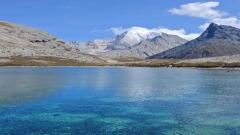
- Higher destinations require greater caution: Places such as Yamdrok Lake at about 4,441 meters (14,570 feet) and Namtso at about 4,718 meters (15,479 feet) are significantly higher than Lhasa, so gradual ascent matters.
- Severe symptoms should never be ignored: If symptoms become serious, worsen despite rest, or involve difficulty breathing at rest, confusion, inability to walk normally, or other alarming signs, seek medical attention and descend to a lower altitude when advised.
Why Can You Get Altitude Sickness In Lhasa?
The short answer is yes. Lhasa is high enough that visitors who are not acclimatized can experience altitude sickness.
At sea level, the body is accustomed to receiving a relatively high amount of oxygen with every breath. At 3,650 meters, atmospheric pressure is substantially lower, which means there is less oxygen available to the body. Your lungs still take in air normally, but each breath delivers less oxygen than it would at sea level.
Your body needs time to respond to this change. During acclimatization, breathing and heart rate can increase, and the body gradually makes physiological adjustments that improve oxygen delivery. This process is different for every person. Being young, physically fit, or experienced with exercise does not guarantee that you will avoid altitude sickness.
Some visitors arrive in Lhasa and feel almost normal from the beginning. Others may develop a headache, feel unusually tired, lose their appetite, or have difficulty sleeping. These differences are normal and are one reason why Tibet itineraries should not be planned around an assumption that everyone will adapt at exactly the same speed.
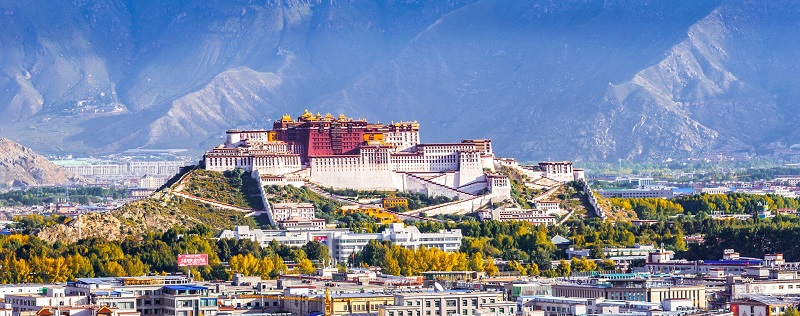
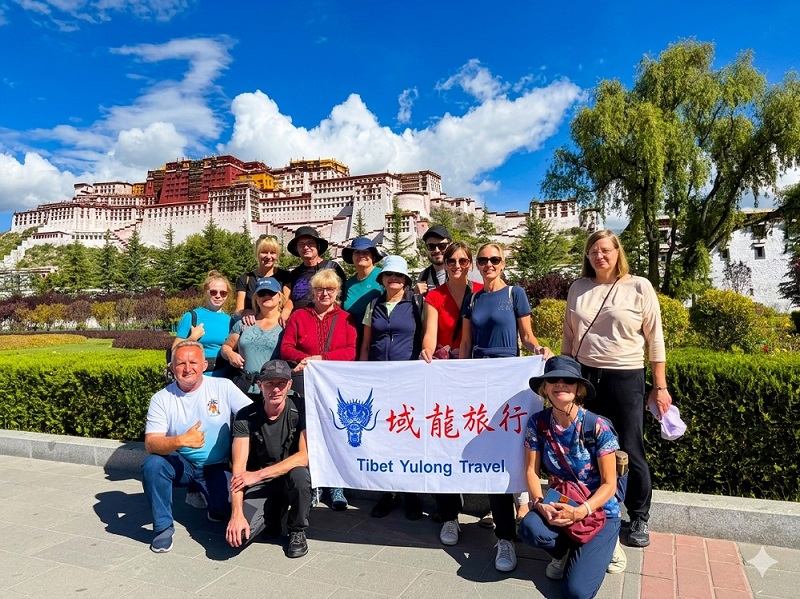
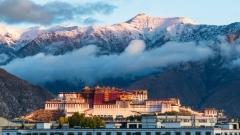
Lhasa Potala Palace
What Does Altitude Sickness Feel Like In Lhasa?
Mild acute mountain sickness, often called AMS, can resemble a combination of jet lag, exhaustion, and a hangover. The symptoms can be uncomfortable, but mild symptoms do not necessarily mean that you have to abandon your trip.
Common symptoms include:
- Headache
- Fatigue or unusual weakness
- Dizziness or light-headedness
- Reduced appetite
- Nausea
- Difficulty sleeping
- Shortness of breath during physical activity
- A general feeling of being unwell
The timing is also important. Symptoms can appear several hours after reaching a high altitude rather than immediately after stepping off the train or plane.
For many visitors, the first evening and following day are when they notice the biggest difference. The body then gradually begins adjusting to the environment.
However, travelers should not assume that every headache or stomach problem is caused by altitude. Dehydration, lack of sleep, jet lag, travel fatigue, sun exposure, infection, and other conditions can produce similar symptoms.
Does Being Fit Protect You From Altitude Sickness?
Not necessarily.
Good physical fitness is valuable for a Tibet trip because walking, climbing stairs, hiking, and sightseeing require more effort at high altitude. However, cardiovascular fitness does not make someone immune to AMS.
A person who regularly runs or cycles at sea level can still experience altitude sickness in Lhasa, while another traveler with average fitness may acclimatize relatively easily.
Physical preparation should therefore focus on being comfortable with moderate activity rather than trying to become exceptionally athletic immediately before the trip. Regular walking, jogging, cycling, swimming, or other aerobic exercise can improve general fitness, but there is no workout that can fully prepare the body for the reduced oxygen availability at 3,650 meters.
The most important preparation is giving your body enough time to adapt once you arrive.
What Should You Do Immediately After Arriving In Lhasa?
One of the most common mistakes first-time visitors make is trying to see everything on the first afternoon. After a long international flight, a domestic flight, or a lengthy train journey, it is natural to be excited when you finally arrive in Lhasa. You may want to visit the Potala Palace, walk around Barkhor Street, explore Jokhang Temple, take photographs, and experience the city immediately.
It is better to resist that temptation. Your arrival day should be treated as an acclimatization period. After reaching your hotel, rest, drink fluids regularly, eat a light meal if you are hungry, and avoid strenuous activity. A relaxed walk around your accommodation area may be fine if you feel well, but there is no advantage in exhausting yourself simply because you have limited vacation time.
Sleep is particularly important. International visitors may already be dealing with jet lag, and combining jet lag with a sudden increase in altitude can make fatigue and headaches more noticeable.
A slower first day is not wasted travel time. It is an investment in the rest of your Tibet journey.
How Should You Change Your Walking Pace In Lhasa?
At high altitude, ordinary activities can require noticeably more effort. A staircase that would barely register at sea level can leave you breathing heavily in Lhasa. Walking quickly while carrying luggage, climbing steep streets, or rushing between attractions can make mild altitude symptoms more noticeable.
During your first few days, deliberately slow down. Walk at a comfortable pace, take breaks when necessary, and avoid running or intense exercise. When visiting places with stairs or uphill sections, such as the Potala Palace area, allow yourself enough time rather than trying to keep up with a normal low-altitude walking speed.
This is especially important for travelers who normally maintain an active lifestyle. Your body may be accustomed to exercising regularly, but altitude changes the amount of oxygen available during that exercise.
Once you have acclimatized, you can gradually increase your activity according to how you feel.
How Important Is Drinking Water In Lhasa?
Hydration is an important part of adapting to Tibet’s high-altitude environment.
The air at high elevations is generally dry, and travelers can lose more moisture through breathing. Strong sunlight can also make the environment feel warmer during the day than the temperature suggests. Drink regularly throughout the day rather than waiting until you become very thirsty. Water is usually sufficient for normal hydration, while an electrolyte drink can be useful if you have been sweating heavily or have lost fluids through diarrhea or vomiting.
There is also no need to force yourself to drink excessive quantities of water. The goal is sensible hydration, not constantly drinking far beyond thirst. Lhasa’s famous sweet tea and butter tea are an enjoyable part of the local experience, and warm drinks can be particularly pleasant in the cooler climate. However, tea should complement rather than replace ordinary water and other appropriate fluids.
What Should You Eat During Your First Days?
Your digestive system may also need some time to adjust to the combination of altitude, travel fatigue, and changes in diet.
During the first days in Lhasa, choose meals that are familiar, nutritious, and relatively easy to digest. Rice, noodles, vegetables, soup, eggs, lean meat, and other carbohydrate- and protein-containing foods can provide useful energy without making meals unnecessarily heavy. You do not need to force yourself to eat large quantities. If your appetite is temporarily lower, smaller meals may be more comfortable.
Tibetan food is an important part of the travel experience, but remember that Tibetan cuisine can include generous amounts of chili. If you do not tolerate spicy food well, tell your guide or restaurant staff before ordering.
Alcohol is best avoided while you are acclimatizing. Excessive alcohol can contribute to dehydration and can make it more difficult to distinguish normal travel fatigue from altitude-related symptoms.
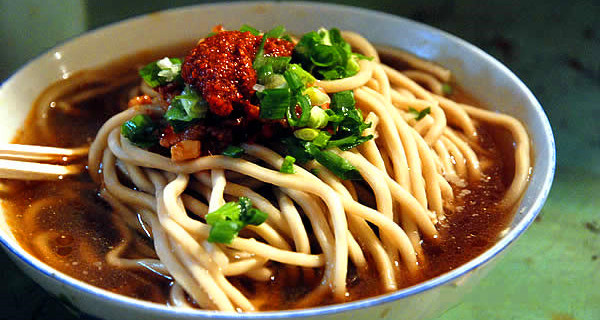
Tibetan Noodles
Should You Take Medicine For Altitude Sickness?
Medication can play a role in altitude travel, but it should not replace acclimatization.
Acetazolamide, commonly known by the brand name Diamox, is sometimes prescribed for prevention or treatment of altitude-related illness. Whether it is appropriate depends on the individual traveler, medical history, allergies, existing conditions, other medications, and travel plans. If you are considering medication before traveling to Tibet, discuss it with a qualified doctor before departure rather than taking medication simply because another traveler recommended it online.
Simple pain relievers such as paracetamol or ibuprofen may help with headaches for some people, but they should be used according to appropriate medical guidance. More importantly, medication should not be used to hide worsening symptoms so that you can continue climbing higher.
If you feel unwell during your Tibet tour, tell your guide as soon as possible. An experienced local guide can help assess the situation, arrange medical assistance when necessary, and discuss whether your itinerary should be changed.
Is Supplemental Oxygen Necessary In Lhasa?
Oxygen is commonly available in Tibet, including in vehicles, hotels, medical facilities, and on many organized tours. For a traveler experiencing mild symptoms, however, oxygen should not be viewed as a substitute for acclimatization. Temporary oxygen supplementation can relieve symptoms, but it does not eliminate the underlying problem of being at high altitude.
If symptoms are significant or a medical professional recommends oxygen, it can be an important part of treatment. The key point is not to rely on oxygen simply as a way to continue strenuous activity despite feeling unwell.
Your guide should know where oxygen and medical facilities are available along the itinerary and should take worsening symptoms seriously.

Portable Oxygen Cylinder
Why Is Gradual Ascent Important After Lhasa?
Lhasa itself is already high, but many popular Tibet destinations are higher.
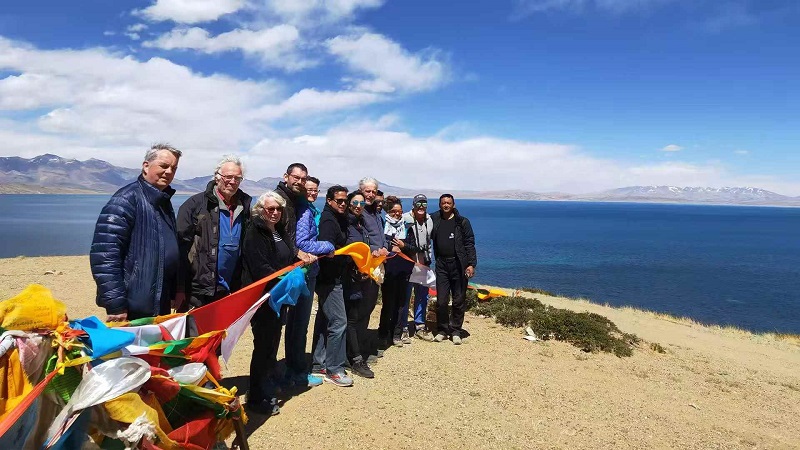
For example, Yamdrok Lake is approximately 4,441 meters above sea level, while Namtso Lake reaches around 4,718 meters. A traveler who has just arrived in Lhasa and immediately continues to an even higher destination may have less time to acclimatize. This is why a well-designed Tibet itinerary generally gives travelers time in Lhasa before moving farther into the plateau.
The principle is simple: do not assume that feeling fine in Lhasa means you are automatically ready for every higher destination in Tibet. As you travel upward, pay attention to how your body responds. If symptoms appear or become worse, inform your guide instead of attempting to push through them.
For multi-day trekking or high-altitude routes, acclimatization becomes even more important because sleeping altitude, ascent rate, and daily elevation gain can all affect your risk.
Should You Avoid A Cold In Lhasa?
Staying warm and avoiding illness is sensible during the first few days of a Tibet trip.
A respiratory infection can add coughing, fatigue, congestion, or headaches to symptoms that may already be difficult to distinguish from altitude-related discomfort. The dry, cold environment can also feel very different from what many international visitors are accustomed to.
Dress in layers so you can adapt to changing temperatures throughout the day. Lhasa receives strong sunlight, but temperatures can fall quickly after sunset. During your first days, avoid unnecessary exposure to cold conditions and make sure you get enough sleep. If you have traveled a long distance to Tibet, there is little benefit in staying awake late every night simply to maximize sightseeing time.
What Habits Should You Avoid At High Altitude?
Your normal travel habits may need some adjustment in Tibet.
Smoking can place additional stress on the respiratory system, while alcohol can contribute to dehydration and interfere with sleep. Excessive caffeine may also make it harder to rest, particularly if you are already experiencing difficulty sleeping at altitude. Staying up late is another common problem. Sleep disturbances can occur naturally at high altitude, so maintaining a regular sleeping schedule is particularly useful.
During your first days in Lhasa, prioritize three things: rest, hydration, and gradual activity. You do not need to completely change your personality or spend your vacation inside your hotel. The goal is simply to avoid unnecessary physical and physiological stress while your body is adapting.
When Should Altitude Sickness Be Taken Seriously?
Most visitors who experience altitude-related symptoms have mild problems that improve with rest and acclimatization. Nevertheless, high-altitude illness can occasionally become serious.
Seek medical attention promptly if symptoms are severe, rapidly worsening, or do not improve with rest. Warning signs can include severe difficulty breathing, especially while resting, unusual confusion, inability to walk normally, severe weakness, persistent vomiting, or other significant changes in consciousness or coordination. Serious high-altitude conditions such as high-altitude pulmonary edema (HAPE) and high-altitude cerebral edema (HACE) require urgent medical treatment and descent to a lower altitude.
Do not attempt to diagnose yourself based solely on an online article. If you or another traveler becomes seriously ill, tell your guide immediately and seek professional medical assistance.
Does Taking The Train To Lhasa Help With Acclimatization?
For some travelers, entering Tibet by train can provide a more gradual transition than flying directly from a low-altitude city to Lhasa.
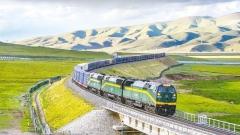
The Qinghai–Tibet railway spends a considerable portion of the journey at high elevation, allowing travelers to experience the change in altitude progressively. However, a train journey does not guarantee that you will avoid altitude sickness. You still arrive in Lhasa at approximately 3,650 meters and still need time to acclimatize. The train can also be tiring, particularly for international travelers who have already completed a long journey before boarding.
Whether you choose a train or flight, the most important principle remains the same: take it easy after arrival and give your body time to adapt.
How Can You Prepare Before Traveling To Tibet?
Preparation should begin before you arrive in Lhasa. Maintain regular physical activity in the weeks before your trip, but avoid exhausting yourself with an intense new training program immediately before departure. Make sure you have appropriate clothing, comfortable walking shoes, sun protection, sunglasses, personal medications, and basic travel supplies.
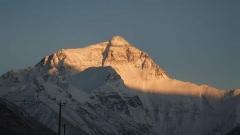
It is also useful to understand the altitude of your itinerary before you travel. Lhasa may be your first major stop, but destinations such as Shigatse, Everest Base Camp, Yamdrok Lake, and Namtso can involve substantially higher elevations.
Most importantly, plan enough time for acclimatization rather than trying to fit every attraction into the first two days.
What Is The Best Way To Plan A Lhasa Itinerary?
For first-time international visitors, a relaxed Lhasa itinerary is usually more comfortable than a schedule packed with activities.
A sensible approach is to treat the arrival day as a rest period, followed by relatively easy sightseeing while your body continues to adapt. Major cultural attractions such as the Potala Palace, Jokhang Temple, Sera Monastery, and Drepung Monastery can then be visited at a comfortable pace. Once you are acclimatized and feeling well, you can consider traveling farther into the Tibetan Plateau.
This approach also gives you something that is easy to overlook when planning a Tibet trip: flexibility. If you experience mild altitude symptoms, you have enough time to slow down without immediately disrupting your entire itinerary.
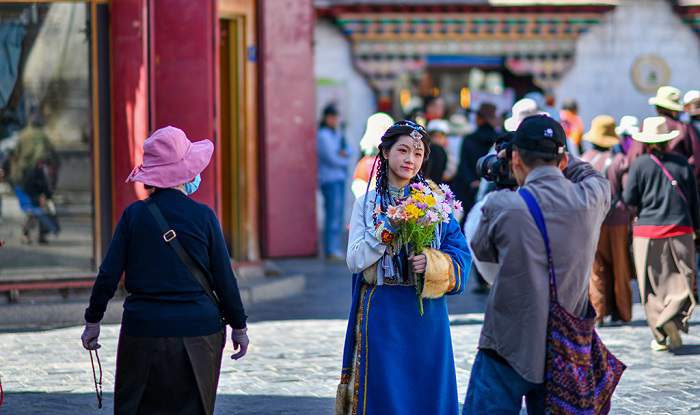
Barkhor Street
Frequently Asked Questions About Altitude Sickness In Lhasa
Is Lhasa Too High For First-Time Visitors?
No. Lhasa is high, but thousands of travelers visit every year. The key is to respect the altitude rather than treating Lhasa like a normal low-altitude city. Allow yourself time to acclimatize and avoid strenuous activity immediately after arrival.
How Long Does Altitude Sickness Last In Lhasa?
Mild symptoms often improve within the first few days as the body acclimatizes. However, the duration varies considerably between individuals. If symptoms become worse rather than better, seek medical advice instead of assuming that they will eventually disappear.
Can I Visit The Potala Palace After Arriving In Lhasa?
It is better not to schedule strenuous sightseeing immediately after arrival. The Potala Palace involves stairs and walking, so giving yourself time to rest first can make the visit considerably more comfortable.
Is Altitude Sickness Guaranteed In Lhasa?
No. Some visitors experience noticeable symptoms, while others experience little or none. There is no reliable way to predict exactly how an individual will respond to Lhasa’s altitude.
Does Drinking More Water Prevent Altitude Sickness?
Good hydration is important, but drinking excessive amounts of water does not guarantee protection from altitude sickness. Proper acclimatization remains the most important strategy.
Can I Travel To Everest Base Camp After Visiting Lhasa?
Many travelers do, but Everest Base Camp is considerably higher than Lhasa. Your itinerary should allow sufficient acclimatization before ascending further, and you should monitor your health throughout the journey.
Final Thoughts: Enjoy Lhasa At Your Own Pace
So, do you get altitude sickness in Lhasa? You might. At approximately 3,650 meters above sea level, Lhasa is high enough for altitude-related symptoms to affect travelers who have not yet acclimatized. But altitude sickness should not automatically discourage you from visiting Tibet.
The most effective approach is surprisingly simple: arrive prepared, rest after arrival, walk slowly, stay appropriately hydrated, eat well, avoid alcohol and strenuous exercise during the initial acclimatization period, and follow a gradual route when traveling to higher destinations.
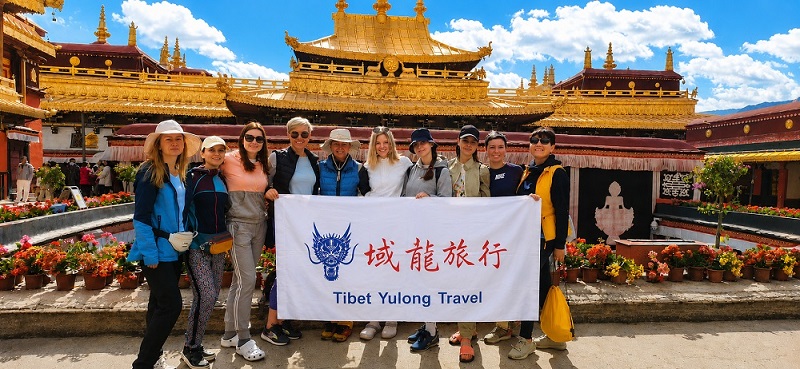
For international travelers, choosing an experienced local operator can also make the journey easier. Tibet Yulong Travel can help international visitors arrange Tibet tours, transportation, local guides, and high-altitude itineraries with acclimatization in mind. A carefully planned journey gives you more time to appreciate what makes Lhasa special—from its historic temples and monasteries to its mountain scenery—without turning the first few days into a race against the altitude.
The goal is not to conquer Lhasa as quickly as possible. Give your body time, travel at its own pace, and let the Tibetan Plateau reveal itself gradually.