
✨ Highlights:
🏯 Learn about Drepung Monastery, once the world’s largest Tibetan Buddhist monastery
🕒 Check opening hours and best time of day to explore the monastery complex
🙏 Essential visitor etiquette and photography rules for monastery chapels
📍 Find top landmarks: Tsokchen Hall, Ganden Phodrang and Loseling College
🗺️ Handy practical Drepung Monastery visiting guide Lhasa tips for overseas travellers
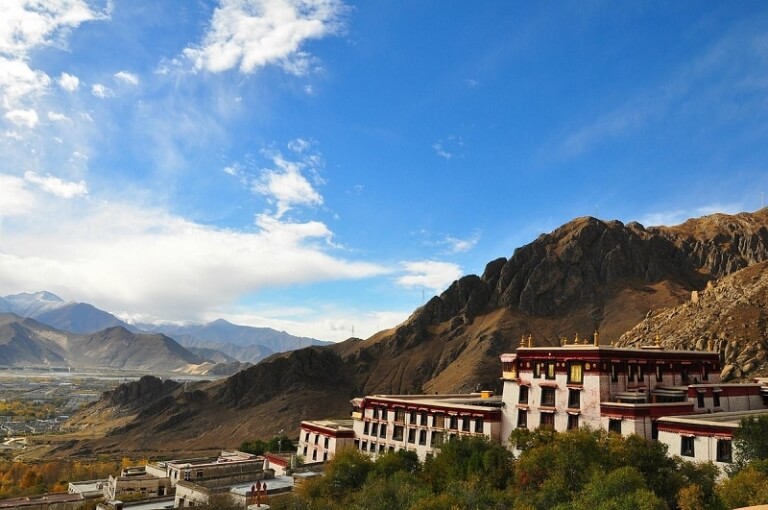
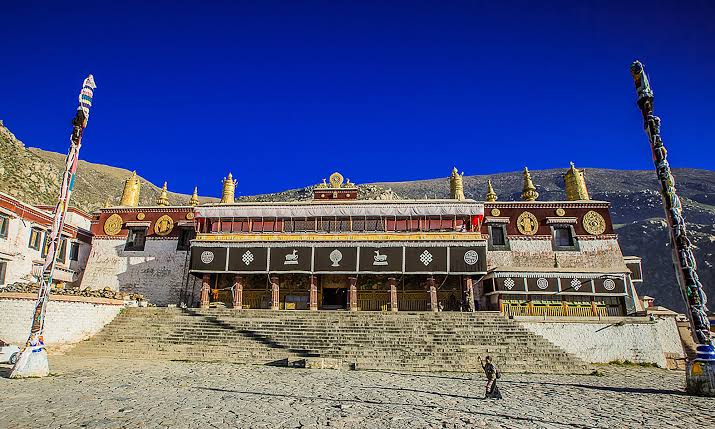
Perched on the sunlit slopes of Mount Gephel, roughly 10 kilometres west of downtown Lhasa, Drepung Monastery stands as the biggest Gelug Buddhist monastery in Tibet. Founded in 1416 by Jamyang Chöjé, one of the foremost disciples of Tsongkhapa, this sprawling white-walled complex once housed more than 10,000 monks at its peak, earning its name, which translates to “Heap of Rice”, for its clusters of white buildings stacked across the hillside. This Drepung Monastery visiting guide Lhasa tips page will walk you through everything international visitors need to know before your trip, including key attractions, ticket information, transport, proper etiquette and useful altitude advice to make your monastery visit smooth and memorable. As one of Lhasa’s three great historic monasteries alongside Sera and Ganden, Drepung is a core stop on any Lhasa three great monasteries tour Drepung Sera Ganden.
Drepung monastery
Brief History of Drepung Monastery
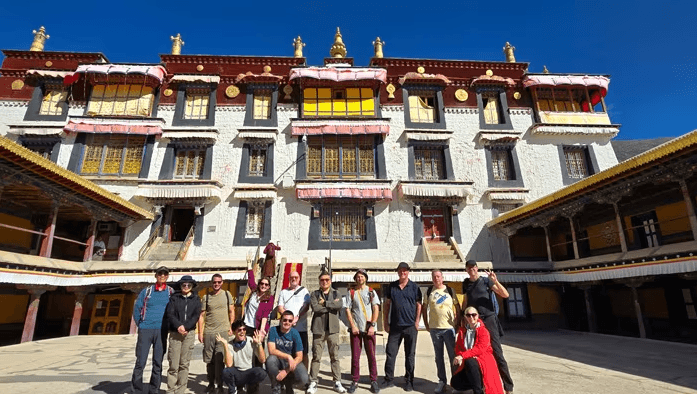
Drepung Monastery was established during the early years of the Gelug school, and it quickly rose to become the most influential monastic university in old Tibet. For centuries, it functioned not only as a place of worship but also as a centre for higher education in Tibetan philosophy, logic, medicine and art. Ganden Phodrang, the palace compound within Drepung, was the original seat of the Dalai Lama before the Potala Palace became the main residence.
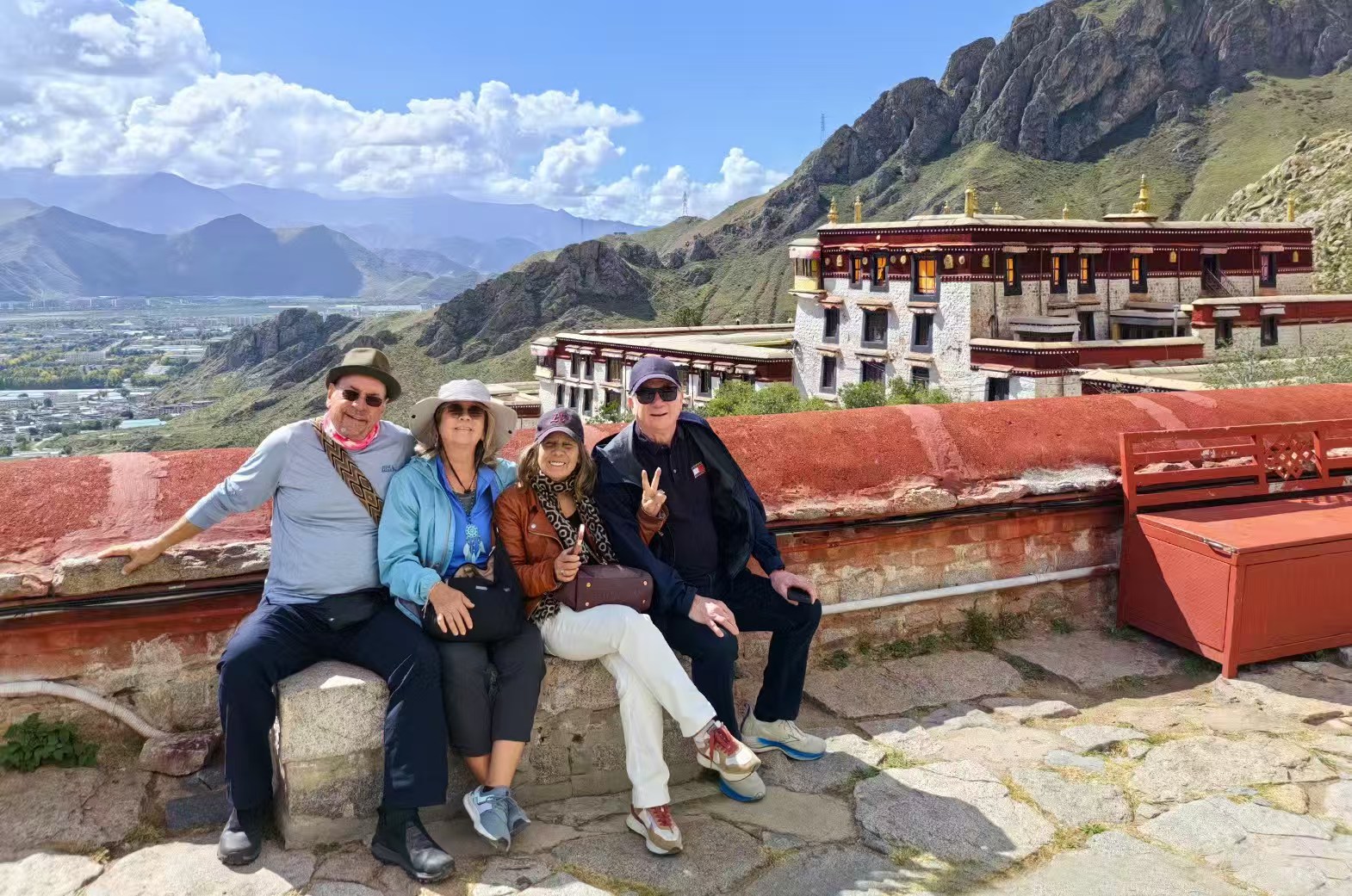
A group photo of the guests and Drepung Monastery
Unlike compact temple sites in central Lhasa, Drepung stretches widely up the mountain slope, made up of multiple colleges, assembly halls, monk residences, chapels and prayer courtyards. Walking through its winding lanes feels like wandering a quiet mountain village. Many travellers pair Drepung with other Lhasa monasteries to build a full day of cultural sightseeing, and it works beautifully as part of a Lhasa three great monasteries tour.
Must-see Attractions Inside Drepung Monastery
When planning your route with our Drepung Monastery visiting guide Lhasa tips, prioritise these iconic landmarks inside the complex.
Tsokchen (Great Assembly Hall)
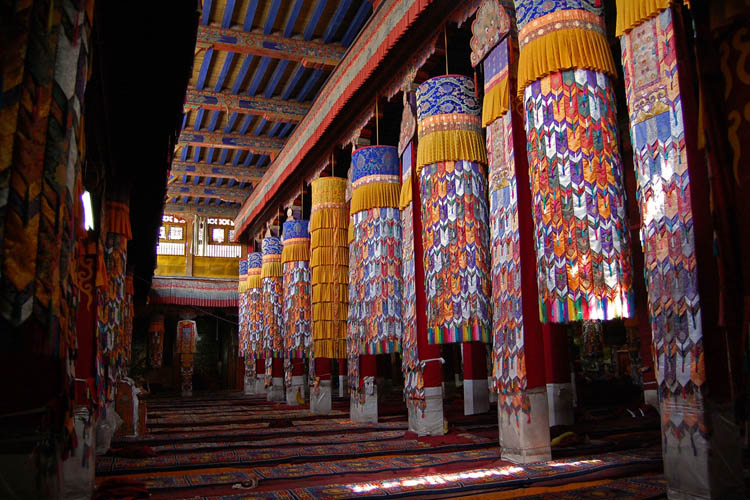
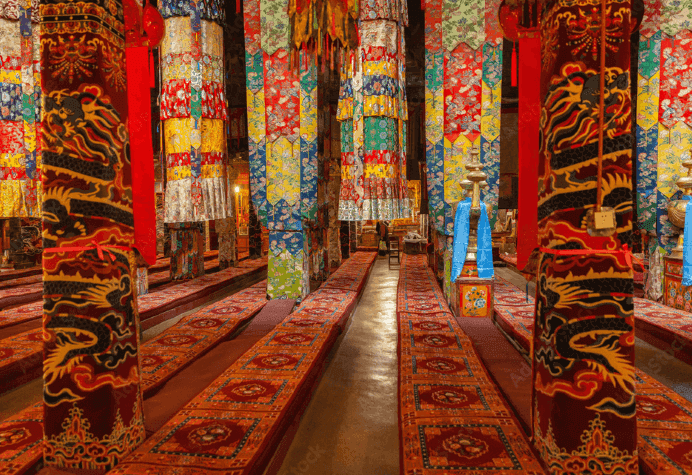
Tsokchen Hall is the heart of Drepung Monastery, the main gathering space for large monastic ceremonies. Supported by dozens of massive wooden pillars, the hall holds towering Buddha statues, ancient thangka scrolls and hundreds of precious religious artefacts. The walls are decorated with well-preserved murals depicting Buddhist stories and historical figures. This is the most important hall in the monastery, and many visitors start or finish their tour here. Remember to walk clockwise, following local pilgrimage custom.
Ganden Phodrang Palace
Ganden Phodrang is one of the most historically significant spots at Drepung. This palace served as the Dalai Lama’s residence before the construction of Potala Palace. The compound contains private chapels, shrines and historic living quarters, offering visitors a glimpse into the religious and political history of old Tibet. This quiet section sees fewer crowds than the main hall, perfect for slow sightseeing and photography of exterior architecture.
Loseling College
Loseling College is the largest of Drepung’s monastic colleges, famous for its scripture study and monk debate activities. It features a large debate courtyard where monks gather to practise philosophical debate, similar to the sessions at Sera Monastery. If your schedule allows, you can observe the lively exchange, though sessions may not run every day and are subject to monastic arrangements.
Other smaller colleges, chapels and kora pilgrimage paths wind around the outer edges of the monastery. If you enjoy slow immersive sightseeing, follow the Drepung Monastery kora pilgrimage trail guide to circle the entire complex, offering sweeping panoramic views of the white monastery buildings and the Lhasa valley below.
Drepung Monastery Opening Hours & Ticket Information
Following our Drepung Monastery visiting guide Lhasa tips, it is strongly recommended to arrive in the morning.
The Drepung Monastery opening hours for foreign visitors are 9:00 AM to 4:00 PM. Important note: Most inner chapels start closing from 2:30 PM onward. Only Tsokchen Hall remains open for longer. If you arrive late, you will miss many of the shrine rooms, so aim to enter before 10 AM for the fullest experience.
For clear entry requirements, review the Drepung Monastery ticket price and permit rules before arrival. Ticket price: 60 CNY in peak season (April–October); discounted price of 30 CNY for winter months (November–March). Recommended visiting duration: 3 to 4 hours. The site covers a huge hillside, and you will need plenty of time to walk uphill and explore each college at a relaxed pace.
Foreign visitors must bring their Tibet travel permit, which must be pre-arranged by a licensed local tour operator. You will need to show the permit alongside your passport at the entrance checkpoint. Independent foreign tourists cannot enter Drepung without proper permit arrangements.
How to Get to Drepung Monastery from Central Lhasa
Drepung sits roughly 10 km west of Lhasa city centre. Visitors have three common transport choices.
1. Private tour vehicle: This is the most popular option for international guests. Your driver and guide pick you up directly from your hotel, saving time and avoiding confusion finding the uphill entrance.
2. Taxi: Taxis from downtown Lhasa can reach the lower parking area. You will still need to walk or take a short shuttle bus uphill to the monastery ticket gate.
3. Local public bus: Budget travellers can take local buses, but the schedule is less predictable, and you will face a long uphill walk. It is not recommended for visitors with limited time or concerns about altitude fatigue.
From the parking lot, there is a steady uphill path to the monastery entrance. Wear sturdy walking shoes, take frequent breaks and drink water regularly, as the altitude reaches around 3800 metres here.
Visitor Etiquette & Photography Rules
Etiquette is a key part of our Drepung Monastery visiting guide Lhasa tips. Drepung remains an active working monastery, not simply a museum for tourists. Please respect the monks, pilgrims and sacred spaces.
1. Dress modestly: Shoulders and knees must be covered. Shorts, tank tops and revealing clothing are not permitted inside chapels.
2. Walk clockwise around shrines, stupas and prayer wheels, never counter-clockwise.
3. Do not step over thresholds of chapels; thresholds are considered sacred in Tibetan tradition.
4. Photography: No photos or videos inside all chapels and shrine halls, even without flash. Exterior buildings, courtyards and the kora trail can usually be photographed. Always watch for “No Photography” signs and follow instructions from monastery staff and your tour guide.
5. Keep voices low. Avoid loud talking, laughing or playing music inside hall buildings.
6. Do not touch religious statues, scriptures, thangka paintings or prayer items. Never touch or pat monks’ heads.
Best Time to Visit Drepung Monastery
The best travel window for visiting Drepung is April to October. During spring and autumn (April-June and September-October), the weather is mild, skies are often clear, and crowds are lighter than peak summer months. July and August are the rainy season in Lhasa, with green mountain slopes but occasional afternoon cloud and rain.
Winter visits from November to March are suitable for travellers seeking quiet, fewer tourists and deeper cultural experiences. However, temperatures drop sharply in the hillside monastery, so bring warm jackets, hats and gloves.
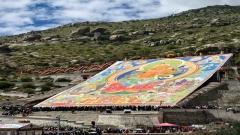
One special highlight is the Shoton Festival (Yogurt Festival). On the main festival day, the Drepung Monastery Shoton Festival giant thangka display ceremony takes place on the hillside, drawing thousands of pilgrims and visitors. Book your Tibet tour well in advance if you want to witness this spectacular annual event.
Essential Practical Travel Tips
Altitude is one of the most important considerations when you follow our Drepung Monastery visiting guide Lhasa tips. Lhasa sits at 3650m, and Drepung climbs higher to around 3800m. The uphill walking can easily leave visitors breathless.
– Take your time, stop to rest whenever you feel short of breath or dizzy.
– Carry enough drinking water. There are almost no shops or cafes inside the monastery grounds.
– Strong UV radiation: Apply high-factor sunscreen, wear sunglasses and a sun hat even on cloudy days.
– Bring light snacks if needed. Food and drink vendors are limited on the mountain.
– If you plan to combine Drepung with Sera Monastery in one day, start at Drepung in the morning then head to Sera Monastery for the famous afternoon monk debate session. This classic Lhasa monastery day tour works well for travellers with enough energy and acclimatisation.
FAQ
Q1: How many hours should I spend visiting Drepung Monastery?
A: Plan for 3–4 hours to fully explore the major halls, colleges and enjoy the hillside views. A rushed 2-hour visit will mean skipping many important buildings.
Q2: Can I take photos inside Drepung chapels?
A: Photography and video recording are strictly forbidden inside all shrine halls and assembly rooms. You may photograph the monastery exteriors and courtyards.
Q3: What are the Drepung Monastery opening hours for foreign visitors?
A: The monastery opens 9:00 AM to 4:00 PM. Most inner chapels close after 2:30 PM, so arrive early for full sightseeing.
Q4: What is the difference between Drepung and Sera Monastery?
A: Drepung is larger, spread over a mountainside, and best visited in the morning. Sera is famous for its lively afternoon monk debate sessions. Many travellers include both on their Lhasa cultural monastery tour.
Q5: Is Drepung suitable for elderly visitors or those with poor fitness?
A: The monastery requires a lot of uphill walking. Visitors with mobility issues or heart problems should move extremely slowly, or consider other flatter Lhasa attractions such as Jokhang Temple and Barkhor Street.
Final Thoughts
This Drepung Monastery visiting guide Lhasa tips helps you make the most of your trip to Tibet’s largest Gelug monastery. More than just a sightseeing spot, Drepung is a living centre of Tibetan Buddhist culture, where pilgrims still come to circle the kora, turn prayer wheels and attend daily monastic rituals. Its sprawling white buildings, ancient halls and sweeping mountain views create a deeply immersive experience of Lhasa’s religious heritage. If you are building your custom Lhasa itinerary, our local travel team can arrange permits, private transfers and professional guides, helping you combine Drepung with other iconic Lhasa monastery sites for an unforgettable Tibet cultural journey.