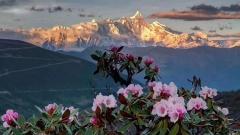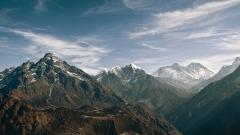

Trekking to Everest Base Camp on the Tibet side is an unforgettable high-altitude adventure, offering spectacular views of Mount Everest, vast Himalayan landscapes, and a quieter alternative to the more crowded southern route. However, choosing the right season is essential. Weather, visibility, temperature, snowfall, road conditions, and trekking conditions can vary considerably throughout the year.
For most international travelers, spring and autumn are the best seasons for an Everest Base Camp trek in Tibet, particularly from April to May and from late September to October. These periods generally offer a good balance of comfortable trekking temperatures, clearer skies, and excellent opportunities to see Mount Everest. June can also be a good option, while July and August bring more summer rainfall and a greater possibility of clouds and difficult road conditions.
Key Takeaways
- Best overall months: April, May, late September, and October.
- Best for clear Everest views: Late September to October is particularly attractive because the summer monsoon has usually weakened and skies tend to become clearer.
- Best for warmer conditions: May offers relatively mild temperatures compared with the colder months.
- Best for fewer tourists: Late autumn and winter can be much quieter, although temperatures are significantly lower.
- June: A good transitional month, with warmer weather but increasing rainfall.
- July and August: Generally less favorable for guaranteed mountain views because of monsoon clouds and rain.
- Winter: Possible for experienced travelers who are prepared for very cold conditions, but weather and road conditions can be challenging.
- Acclimatization is essential: Everest Base Camp is at high altitude, so a properly paced itinerary is more important than simply choosing the warmest month.
- For the best experience: Allow flexibility in your itinerary because mountain weather can change quickly.
Why Timing Matters For A Tibet Everest Base Camp Trek
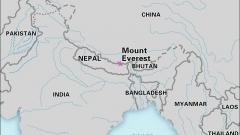
The Tibet side of Everest Base Camp is located on the northern side of Mount Everest at a very high elevation. The combination of altitude and Himalayan weather means that conditions can be very different from those in lower-altitude destinations.
A trek that takes place under clear skies can offer extraordinary views of Everest and the surrounding Himalayan peaks. By contrast, clouds, snowfall, strong winds, or rain can significantly reduce visibility and make the journey more demanding.
Seasonal weather also affects the roads and mountain trails leading toward Everest Base Camp. During the summer monsoon period, heavy rainfall in some areas can increase the risk of landslides or other road disruptions. For travelers planning a long overland journey, allowing some flexibility is therefore highly recommended.
The most important point is that there is no month in which mountain weather can be guaranteed. Even during the traditionally favorable seasons, conditions can change from one day to another.
Spring: April To May
Spring is one of the most popular periods for trekking toward Everest Base Camp in Tibet. As winter gradually ends, temperatures become more comfortable and the plateau begins to emerge from its colder season.
April
April is an excellent month for travelers who want a combination of relatively stable weather and good mountain visibility. Snow and ice begin to retreat from many lower sections of the route, while the higher Himalayan peaks remain covered in snow.
The air is usually dry, and clear days can provide impressive views of Everest. Temperatures remain cool, especially in the morning and evening, so warm layers are still necessary.
April can also be busy because many travelers choose spring for their Tibet journeys. If you want to trek during this month, arranging your tour and accommodation in advance is advisable.
May
May is generally warmer than April and is another excellent month for an Everest Base Camp trek. The more comfortable temperatures make walking easier, particularly during the daytime.
However, as temperatures rise, atmospheric conditions can become less consistently clear in some periods. Weather can vary from year to year, so May should not be treated as a guarantee of perfect visibility.
For travelers who prefer relatively mild conditions and do not want to trek during the colder autumn and winter months, May is one of the strongest choices.
Summer: June To August
Summer brings warmer temperatures to Tibet but also marks the influence of the Asian monsoon. The effect varies significantly from place to place because Tibet’s enormous elevation and complex terrain create different local weather patterns.
June
June is a transitional month and can be a very good time to visit Everest Base Camp. Temperatures are more comfortable than in early spring, while the monsoon influence is generally not yet at its strongest.
There may be occasional showers and increasing cloud cover, but clear periods are still possible. June can therefore work well for travelers who want warmer conditions while avoiding the heaviest part of the summer rainy season.
July And August
July and August are among the wetter months of the year in many parts of Tibet. Rainfall is generally more noticeable at lower elevations, while clouds can gather around the Himalayan mountains.
For Everest Base Camp travelers, the biggest concern is not simply rain at the base camp itself. Cloud cover can obscure the summit, while rainfall elsewhere may affect roads leading toward the Everest region.
This does not mean an Everest trip is impossible during summer. However, travelers should have realistic expectations and allow additional time in case of weather-related delays.
For those whose primary goal is photographing Mount Everest under clear skies, the post-monsoon season is usually a more attractive choice.
Autumn: Late September To October
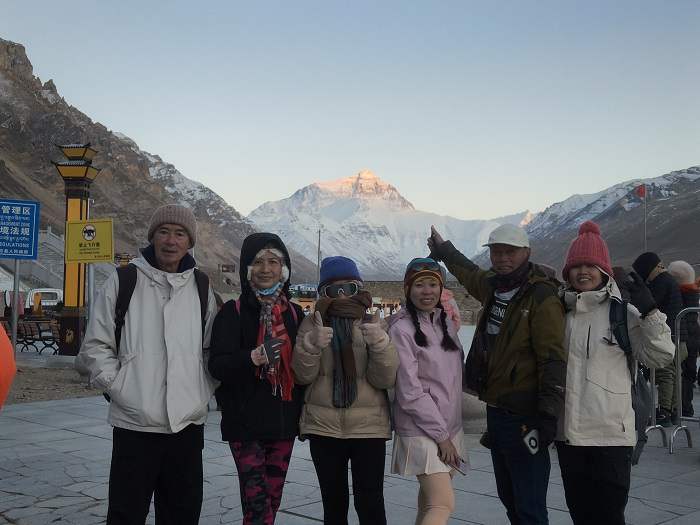
Autumn is widely regarded as one of the finest periods for an Everest Base Camp trek in Tibet. The summer monsoon gradually retreats, rainfall decreases, and the atmosphere often becomes noticeably clearer.
Late September
September is a transition month. Early September can still experience some lingering monsoon influence, but conditions generally improve as the month progresses.
By late September, the landscape can still retain some of its summer greenery, while the skies begin to clear. This creates an attractive combination of fresh scenery and improving mountain visibility.
Late September is particularly appealing to travelers who want to avoid the colder conditions of late autumn while enjoying the improving weather.
October
October is one of the strongest months for Everest Base Camp travel.
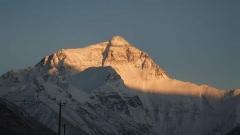
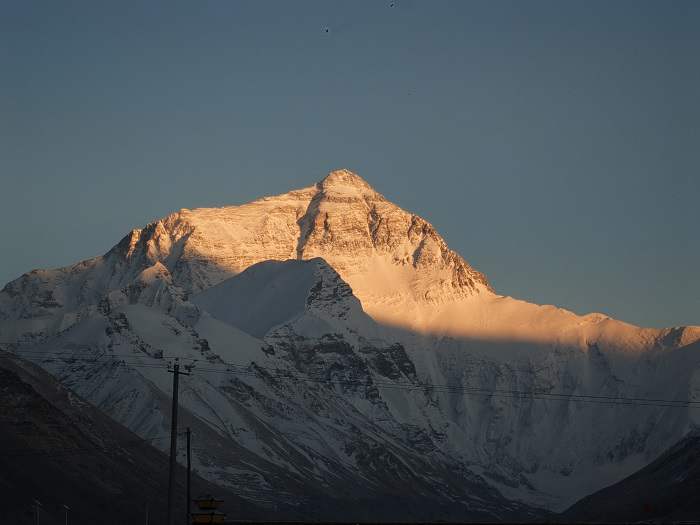
After the summer rains, the atmosphere is often dry and clear, creating excellent opportunities for long-distance mountain views. Everest and the surrounding Himalayan peaks can appear exceptionally sharp against deep blue skies.
Daytime conditions are generally comfortable for trekking, although temperatures drop considerably after sunset. Travelers should therefore prepare for both relatively mild daytime weather and cold mornings and evenings.
October is also a popular travel month, so demand for hotels, transportation, guides, and permits can be higher. Early planning is recommended.
November To December: Quiet But Much Colder
Late autumn and early winter can offer a completely different Everest Base Camp experience.
As the number of tourists decreases, the region becomes noticeably quieter. The dry atmosphere can still provide excellent mountain visibility, and the absence of summer monsoon clouds can make the Himalayan scenery particularly dramatic.
The major disadvantage is temperature.
Morning and nighttime conditions can become extremely cold, particularly at high elevations. Strong winds can make the perceived temperature even lower. Travelers choosing this period need appropriate cold-weather equipment and should be prepared for potentially difficult conditions.
For experienced trekkers who value solitude and crisp mountain scenery more than warmth, late November and early December can be rewarding. For first-time high-altitude travelers, however, the milder spring or autumn seasons are generally easier.
Can You Trek To Everest Base Camp In Winter?
Winter travel to Tibet’s Everest region is possible, but it requires more careful preparation.
From December through February, temperatures can fall well below freezing, particularly overnight. Snowfall and strong winds can affect roads and trails, and some travel plans may require additional flexibility.
The advantage is that winter brings very few tourists. The landscape can feel exceptionally peaceful, with snow-covered Himalayan peaks dominating the horizon.
If you choose a winter Everest Base Camp trek, the itinerary should be designed around the weather rather than around a rigid schedule. Proper clothing, suitable accommodation, experienced local support, and adequate acclimatization are especially important.
When Is Everest Most Likely To Be Visible?
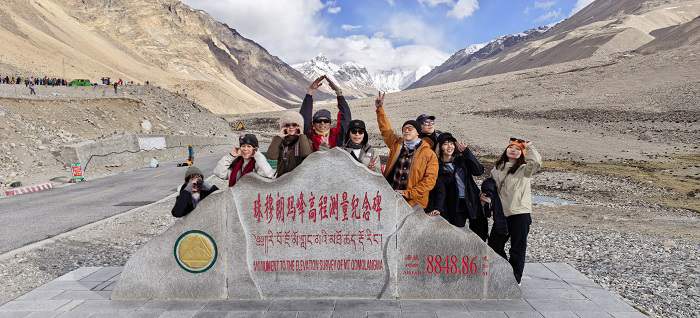
For many travelers, the main reason for visiting Tibet’s Everest Base Camp is simple: to see Mount Everest.
Mountain visibility depends on several factors, including cloud cover, precipitation, wind, atmospheric conditions, and the time of day. No travel company can honestly guarantee a completely cloud-free view of Everest on a particular date.
Nevertheless, the general seasonal pattern is useful. Late September and October are particularly favorable for clear mountain views, while April and May can also offer excellent visibility.
Summer, especially July and August, is more likely to bring clouds associated with the monsoon. This can make the summit difficult to see even when the weather at your immediate location appears relatively pleasant.
Early mornings are often worth prioritizing for photography because mountain conditions can change as the day progresses.
The Importance Of Acclimatization
Choosing the right season is important, but acclimatization is even more important for a safe and enjoyable high-altitude journey.
Everest Base Camp on the Tibet side is located at a very high elevation, and travelers coming from sea-level cities need time to adjust to the reduced oxygen availability.
A well-designed itinerary should include gradual altitude gains and sufficient time in Lhasa or other suitable locations before traveling to higher areas.
Do not assume that being physically fit automatically means you will adapt quickly to altitude. High-altitude response varies considerably between individuals.
During the trek, walk at a comfortable pace, stay hydrated, eat regularly, and communicate with your guide if you feel unwell. Symptoms that become severe or worsen should never be ignored.
What Should You Pack For The Everest Base Camp Trek?
Regardless of the month, travelers should prepare for rapidly changing weather.
Layering is one of the most practical strategies. A lightweight base layer can be combined with a fleece or warm mid-layer and a windproof or waterproof outer layer.
Essential items generally include:
- Warm fleece or insulated jacket
- Lightweight down jacket for high elevations
- Windproof and waterproof outer layer
- Comfortable trekking trousers
- Waterproof trekking shoes or boots
- Warm socks
- Gloves and a warm hat
- Sunglasses with strong UV protection
- Sunscreen and lip balm
- Reusable water bottle
- Small daypack
- Personal medication and basic travel supplies
Sun protection is especially important on the Tibetan Plateau. High elevation means strong ultraviolet exposure even when temperatures feel cold.
Spring Vs Autumn: Which Should You Choose?
Both spring and autumn are excellent choices, but they provide somewhat different experiences.
| Spring | Autumn |
|---|---|
| April to May | Late September to October |
| Gradually warming temperatures | Cooler but generally crisp conditions |
| Good mountain visibility | Often excellent mountain visibility |
| More travelers in May | Popular in October |
| Snow remains on high peaks | Autumn landscapes and clear skies |
| Good choice for warmer trekking | Excellent choice for photography |
If your priority is warmer trekking conditions, May is attractive. If your priority is clear Himalayan scenery and photography, late September and October are particularly appealing.
Best Time Based On Your Travel Goals
For The Clearest Everest Views
Choose late September or October. The retreat of the summer monsoon generally produces drier and clearer conditions.
For Warmer Trekking Conditions
Choose May or June. Temperatures are generally more comfortable than during late autumn and winter.
For Fewer Tourists
Consider late November, December, or other quieter periods, but be prepared for much colder conditions.
For Seeing Everest Expeditions
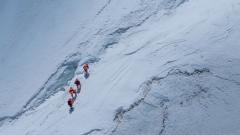
Spring is the main climbing period on Mount Everest, so April and May can provide a livelier atmosphere around the Everest region. Travelers should expect more activity and potentially busier routes.
For Photography
Late September and October are among the strongest choices. Clear skies, dramatic snow-covered peaks, and dry air can create excellent photographic conditions.
Tibet Everest Base Camp Trek Vs Nepal Everest Base Camp Trek
The two Everest Base Camp experiences are quite different.
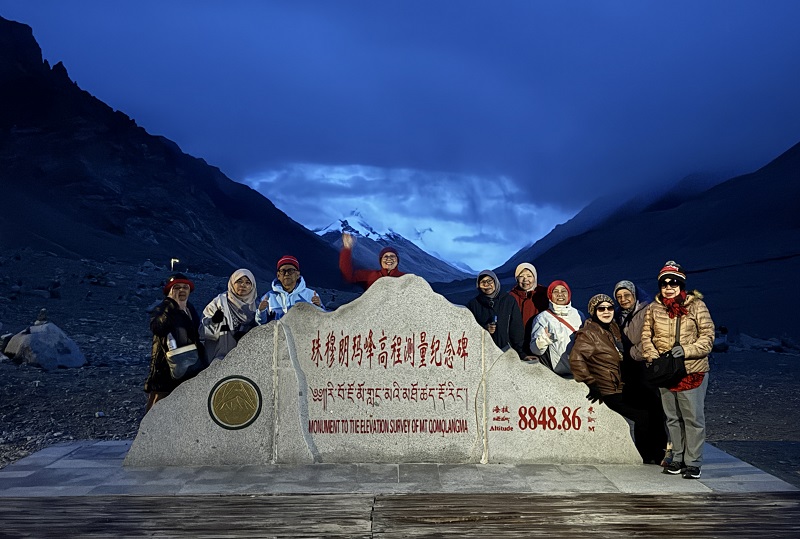
The Tibet-side journey allows travelers to approach Everest from the northern side and visit the famous Rongbuk Monastery area, while the Nepal route involves a longer mountain trek through the Khumbu region.
For international visitors interested in combining Tibet’s cultural heritage with Himalayan scenery, the Tibet-side route offers the opportunity to experience Lhasa, Shigatse, Tibetan monasteries, high-altitude lakes, and Everest within the same journey.
The Tibet route is also particularly attractive for travelers who prefer an overland itinerary with dramatic plateau landscapes rather than a long multi-day trekking route from the lower valleys of Nepal.
Practical Tips For Planning Your Everest Trek
Book early if you plan to travel during April, May, September, or October. These are popular periods, and transportation and accommodation can become more difficult to arrange closer to departure.
Build some flexibility into your itinerary. Himalayan weather can change quickly, and road conditions may occasionally cause delays.
Choose an itinerary that prioritizes acclimatization rather than trying to reach Everest Base Camp as quickly as possible.
Prepare clothing for several temperature zones. A sunny afternoon in Lhasa can feel completely different from a windy morning near Everest Base Camp.
Most importantly, work with an experienced local Tibet travel agency that understands the region, the permit process, transportation conditions, and high-altitude travel.
Plan Your Everest Base Camp Adventure With Tibet Yulong Travel
Choosing the right month is only one part of planning an Everest Base Camp journey in Tibet. The route, acclimatization schedule, transportation, permits, accommodation, and weather flexibility all have an important impact on the overall experience.
Tibet Yulong Travel is a locally based Tibet travel agency specializing in customized private tours and small-group journeys for international travelers. Our local team can help design an Everest Base Camp itinerary around your preferred travel dates, trekking ability, sightseeing interests, and available time.
Whether you want to experience Everest in the clear skies of autumn, the warmer conditions of spring, or combine Everest Base Camp with Lhasa, Shigatse, Mount Kailash, or other destinations, a carefully planned itinerary can make your journey more comfortable, flexible, and memorable.