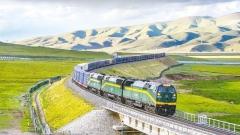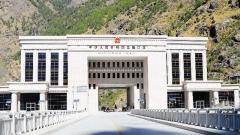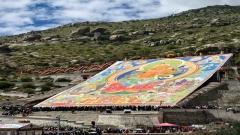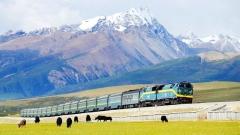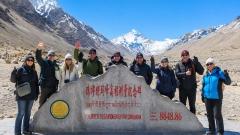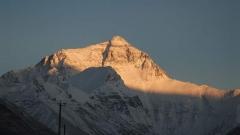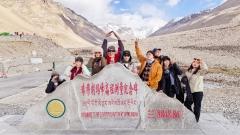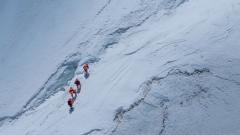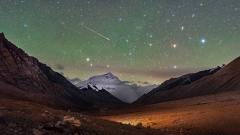

Mount Everest can be experienced in far more ways than simply arriving at a base camp. On the Tibetan side of the Himalayas, travelers can approach the world’s highest mountain by road, admire its summit from high mountain passes, see it from Rongbuk Monastery, fly above the Himalayas, trek through remote valleys, or even travel by bicycle or motorcycle. The best choice depends on how close you want to get, how much time you have, and whether you prefer comfort or adventure.
Key Points At A Glance
- For the easiest and most comfortable experience: An overland journey from Lhasa to Everest Base Camp covers about 618 km and combines Himalayan scenery, Tibetan culture, and several major Everest viewpoints without requiring trekking or climbing.
- For the most complete close-up views: The Tibetan side offers several perspectives, including Gawula Pass, Rongbuk Monastery, and Northern Everest Base Camp at around 5,200m.
- For a unique aerial perspective: A flight between Lhasa and Kathmandu can provide a spectacular bird’s-eye view of Mount Everest and the Himalayan range when weather and flight routing allow.
- For serious adventurers: The Tingri–Everest Base Camp trek covers roughly 70 km in 4–5 days, while Gama Valley provides a more remote trekking experience on the eastern side of Everest.
- For travelers who want the journey itself to be the adventure: Cycling, motorcycle travel, and self-drive routes allow you to experience Tibet’s mountain roads, landscapes, villages, and changing views of Everest at a slower and more personal pace.
Why See Mount Everest From Tibet?
The Tibetan side of Mount Everest offers something different from the more familiar southern approach in Nepal. Instead of beginning with a long trek through the Himalayan foothills, travelers can travel deep into the Everest region by road and reach the Northern Everest Base Camp by vehicle.
This makes Tibet particularly attractive to international visitors who want to experience Mount Everest without committing to a long climbing expedition or an extended high-altitude trek.
The journey from Lhasa to Everest is also part of the experience. Rather than treating the base camp as the only destination, the overland route crosses high mountain passes, lakes, glaciers, historic cities, and Tibetan cultural sites. The landscape changes dramatically as you travel west from Lhasa toward the Himalayas, creating multiple opportunities to appreciate the scale of the Tibetan Plateau.
For many first-time visitors, this combination of accessibility, scenery, culture, and dramatic mountain views makes an overland Tibet Everest trip the most balanced way to experience Mount Everest.
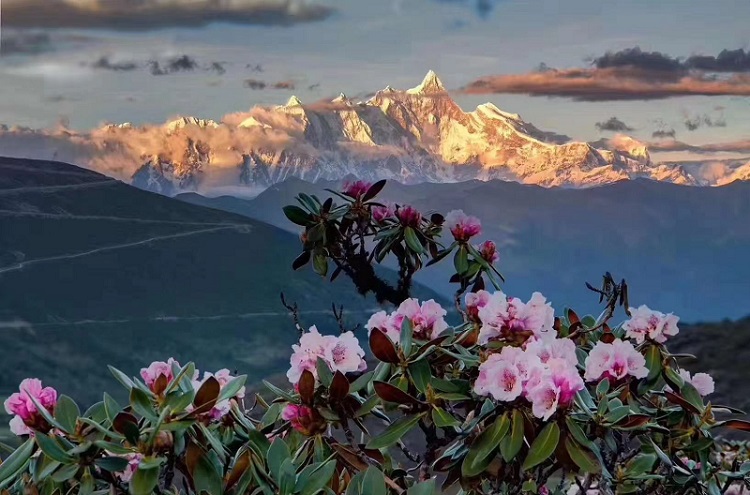
See Everest Up Close On An Overland Journey
For most international tourists, an overland trip from Lhasa to Everest Base Camp is one of the easiest ways to see Mount Everest without sacrificing the scenery along the way. The route is approximately 618 km and follows well-developed sections of the Friendship Highway, allowing travelers to reach the Everest region by vehicle rather than spending several days trekking.
The journey is much more than a transfer between Lhasa and Everest. Along the way, you can experience some of Tibet’s most recognizable landscapes and cultural attractions, including the turquoise waters of Yamdrok Lake, the dramatic Karola Glacier, and Shigatse, Tibet’s second-largest city.
As the route continues toward Tingri and the Himalayas, the scenery becomes increasingly dominated by snow-covered peaks and enormous valleys. One of the most memorable stops is Gawula Pass, where travelers can look across the Himalayan range toward several of the world’s highest mountains.
Gawula Pass: A Panorama Of The Himalayas
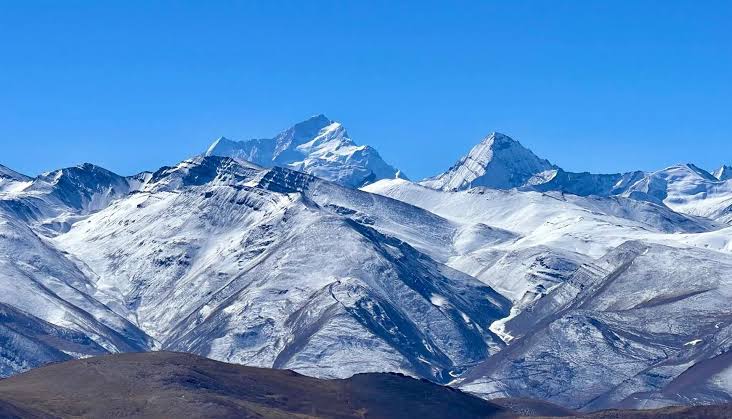
Gawula Pass provides one of the most impressive panoramic perspectives of Mount Everest in Tibet. Rather than seeing Everest in isolation, you can view it as part of the enormous Himalayan skyline.
On a clear day, the panorama can include several peaks above 8,000 meters, including Makalu at 8,463m, Lhotse at 8,516m, Mount Everest at 8,844.43m, Cho Oyu at 8,201m, and Shishapangma at 8,012m.
Seeing several of the world’s highest mountains together helps put the scale of Everest into perspective. The clouds, snow-covered ridges, and vast Tibetan landscape create a scene that feels very different from viewing a single mountain from a conventional lookout.
For photographers, Gawula Pass is especially valuable because it provides a broad landscape rather than only a close-up view of Everest.
Gawula Pass
See Mount Everest From Rongbuk Monastery
After reaching the Everest region, Rongbuk Monastery is another essential viewpoint. Located near Everest Base Camp, Rongbuk is widely recognized as the world’s highest monastery and is an important religious and cultural landmark in the Everest region.
The view from Rongbuk is distinctive because Everest rises behind the monastery and surrounding religious structures. Instead of simply photographing the mountain against an empty landscape, travelers can combine the summit with Tibetan architecture, prayer flags, and the monastery in the foreground.
The perspective is also different from Gawula Pass. From the pass, Everest appears within a much wider Himalayan panorama. From Rongbuk, the mountain becomes the dominant feature of the landscape while the monastery provides a strong sense of place.
This makes Rongbuk one of the most rewarding locations for travelers who want photographs that capture both Mount Everest and the cultural character of Tibet.
Get The Closest View At Northern Everest Base Camp
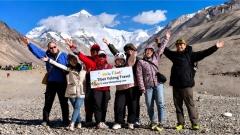
If your main goal is to get as close as possible to Mount Everest by a conventional sightseeing trip, Northern Everest Base Camp on the Tibetan side is the key destination.
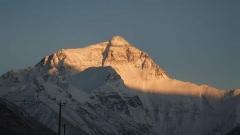
The Tibetan Northern Everest Base Camp is located at approximately 5,200m. From this area, travelers can enjoy a remarkably direct view of the summit and the northeast ridge.
This perspective differs from the Everest Base Camp experience in Nepal, which is located on the southern side of the mountain at about 5,364m. The Tibetan approach provides a different visual relationship with Everest, with the northeast face and summit forming the central focus of the landscape.
For visitors who have dreamed of standing beneath Everest without climbing it, reaching the Northern Everest Base Camp provides one of the most dramatic experiences available.
The best time to visit is generally during the clearer periods of spring and autumn, particularly April, May, September, and October. These months can offer better conditions for mountain photography, although Himalayan weather is changeable and clear views can never be guaranteed.
Sunrise and sunset are particularly worthwhile. The changing light can transform the color and appearance of the mountain, making early morning and late afternoon among the most rewarding times for photography.
Take A Flight Over The Himalayas
Not every traveler needs to travel all the way to Everest Base Camp to experience the mountain. A flight between Lhasa and Kathmandu can provide an entirely different perspective: instead of looking toward Everest from the ground, you may have the opportunity to see the Himalayas from above.
The aerial view reveals the enormous scale of the mountain range. Snow-covered peaks stretch across the horizon, while deep valleys and rugged terrain disappear beneath the aircraft.
For travelers combining Tibet and Nepal, this can be a particularly convenient way to add an Everest viewing experience to an international itinerary.
When flying from Lhasa to Kathmandu, a window seat on the right side of the aircraft is generally recommended for the best chance of seeing Mount Everest. On the return journey from Kathmandu to Lhasa, a left-side window seat is preferable.
Flight schedules can change, however, so travelers should always confirm the current schedule and aircraft routing before planning a trip specifically around an aerial Everest view.
Trek To Everest For A Deeper Adventure
If simply seeing Everest from a vehicle does not feel adventurous enough, trekking provides a much more immersive way to experience the mountain.
The Tingri to Everest Base Camp trek on the Tibetan side is one of the most rewarding options for travelers who want to explore the landscape on foot. The route covers approximately 70 km and generally takes around four to five days, depending on the itinerary and conditions.
The trail begins around 4,400m and eventually reaches approximately 5,200m at Everest Base Camp. Along the way, trekkers pass through Himalayan valleys and high-altitude terrain, with changing views of glaciers, mountains, and remote landscapes.
The major advantage of trekking is that Everest becomes part of a much broader wilderness experience. Rather than arriving at a viewpoint and leaving by vehicle, you spend several days moving through the landscape and watching the mountain environment change around you.
Sunrise, sunset, clear night skies, and the changing appearance of Everest throughout the trek can create experiences that are difficult to replicate on a standard sightseeing tour.
Explore Gama Valley On Foot
For experienced trekkers looking for a more remote adventure, Gama Valley offers another route on the eastern side of Mount Everest.
The valley is known for its spectacular Himalayan scenery, where trails pass through river valleys and increasingly rugged mountain terrain. During the trek, travelers can encounter views of Everest as well as other major Himalayan peaks such as Lhotse and Makalu.
Gama Valley is better suited to travelers who are interested in the journey itself rather than simply reaching a famous viewpoint. Its remote character and less-visited landscapes offer a deeper wilderness experience.
The choice between the Tibetan Everest Base Camp trek and Gama Valley therefore depends on what you want from the trip. The Tingri route provides a relatively direct approach to Everest Base Camp, while Gama Valley offers a more remote exploration of the surrounding Himalayan environment.
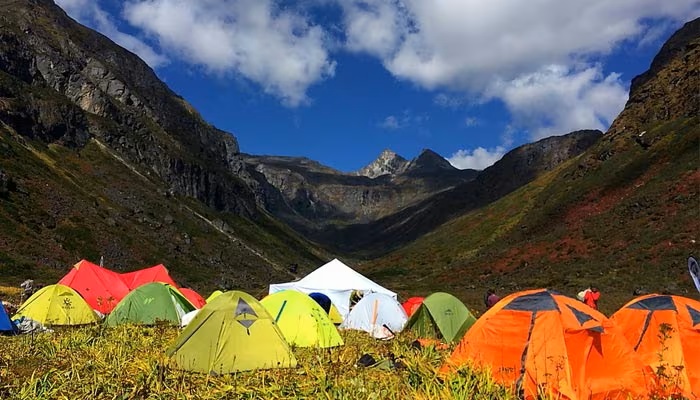
Gama Valley
Tibet Or Nepal: Which Side Is Better For Seeing Everest?
Both Tibet and Nepal offer remarkable ways to experience Mount Everest, but the travel experience is quite different.
On the Tibetan side, travelers can reach the Everest region by road, making it possible to combine Everest with Lhasa, Yamdrok Lake, Gyantse, Shigatse, mountain passes, glaciers, and other Tibetan attractions. This is particularly convenient for visitors who want to see Everest without undertaking a long trek.
The Nepal side is especially attractive to trekkers interested in Sherpa culture. The classic southern Everest Base Camp trek begins in Lukla and passes through Sherpa villages and mountain communities before reaching the base camp region. The trekking experience is longer and includes more time for acclimatization and walking through Himalayan settlements.
In simple terms, Tibet is particularly well suited to travelers who prioritize direct access, multiple mountain viewpoints, and an overland sightseeing experience, while Nepal is an excellent choice for those who want a longer trekking journey combined with Sherpa culture.
Cycle To Everest For A True Road Adventure
For experienced cyclists, riding from Lhasa toward Everest offers an entirely different relationship with the Tibetan landscape.
A cycling journey from Lhasa to Everest Base Camp via Yamdrok Lake and Shigatse can take around 15 days. Instead of watching the landscape pass through a vehicle window, cyclists experience every climb, descent, mountain pass, and change in scenery directly.
The route combines dramatic high-altitude terrain with Tibetan villages, cultural sites, lakes, glaciers, and increasingly spectacular Himalayan views. Reaching the Everest region after covering the distance under your own power can also make the final view of the mountain particularly meaningful.
This option is best suited to travelers with strong cycling experience and sufficient preparation for long-distance riding at high altitude.
Ride A Motorcycle To Everest
Motorcycle travel provides another adventurous alternative. The route from Lhasa toward Everest can be completed in roughly nine days by motorcycle, depending on the itinerary and road conditions.
Traveling on two wheels allows you to experience the landscape at a much more immediate level. You can feel the changes in temperature and terrain, stop to appreciate unexpected viewpoints, and experience the mountain roads as part of the adventure itself.
For international travelers who enjoy motorcycle touring, a Tibet Everest motorcycle journey can combine the thrill of long-distance riding with some of the world’s most extraordinary mountain scenery.
Experience Everest On A Self-Drive Trip
A self-drive journey offers greater independence for travelers who prefer to control their own pace. The road network toward Everest is well maintained along the main route, making it possible to experience the changing landscapes of Tibet while traveling toward the mountain.
One of the biggest advantages of a self-drive itinerary is flexibility. Instead of simply moving from one scheduled attraction to another, you can spend more time at viewpoints, photograph changing landscapes, and enjoy the journey according to your preferred rhythm.
However, driving in Tibet is not the same as an ordinary road trip. High-altitude conditions, long distances, remote areas, weather, and local travel requirements all need to be considered carefully. An organized self-drive trip with appropriate local arrangements can make the experience considerably smoother.
When Is The Best Time To See Mount Everest?
For travelers whose priority is clear mountain scenery, April, May, September, and October are among the most favorable months for an Everest trip in Tibet.
During these periods, conditions can be more comfortable for sightseeing and outdoor activities, with relatively less rainfall than during the summer monsoon period. Clear weather can significantly improve the chance of seeing the summit and surrounding Himalayan peaks.
Nevertheless, Everest has its own weather patterns, and no travel date can guarantee a cloud-free summit. This is why it is useful to plan several Everest viewpoints into your itinerary rather than relying on a single photo opportunity.
An overland itinerary that includes Gawula Pass, Rongbuk Monastery, and Northern Everest Base Camp gives travelers multiple opportunities to see the mountain from different perspectives.
Which Is The Best Way To See Mount Everest?
There is no single best way to see Mount Everest for every traveler.
If comfort and scenery are your priorities, an overland trip from Lhasa to Everest Base Camp is probably the most balanced choice. It allows you to reach the Everest region by vehicle while experiencing Tibet’s landscapes and cultural sites along the way.
If you want the closest conventional sightseeing experience, Northern Everest Base Camp is the essential destination, while Rongbuk Monastery offers one of the most distinctive cultural and photographic perspectives.
If you want a completely different perspective, a Lhasa–Kathmandu flight can provide an unforgettable aerial view of the Himalayas.
For adventure travelers, trekking offers a deeper connection with the landscape, while cycling and motorcycle journeys turn the entire route into part of the adventure. Self-drive travel provides another option for travelers who value independence and flexibility.
For most first-time international visitors, however, the greatest advantage of visiting Everest from Tibet is that you do not have to choose between the mountain and the journey. Lhasa, Yamdrok Lake, Gyantse, Shigatse, Gawula Pass, Rongbuk Monastery, and Everest Base Camp can all become part of one remarkable overland experience.
Plan Your Everest Journey With Tibet Yulong Travel
Tibet Yulong Travel is a locally based Tibet travel agency specializing in journeys across the Tibetan Plateau and the Everest region. For international travelers, a local team can help coordinate the practical details of an Everest trip while building an itinerary around the type of experience you want—whether that means a comfortable small-group overland tour, a private journey, trekking, cycling, motorcycle travel, or a self-drive adventure.
The important thing is to choose an Everest experience that matches your time, interests, and travel style. Mount Everest is not simply a destination at the end of a road; the mountain passes, valleys, monasteries, lakes, and Himalayan landscapes along the way are all part of what makes a journey to Everest in Tibet unforgettable.