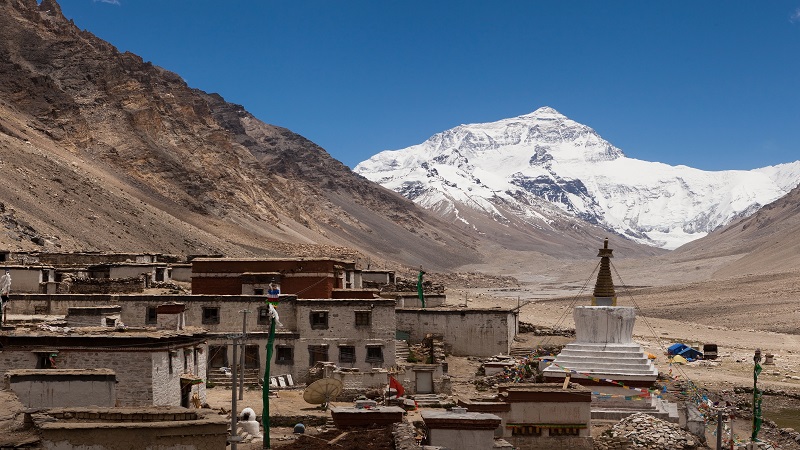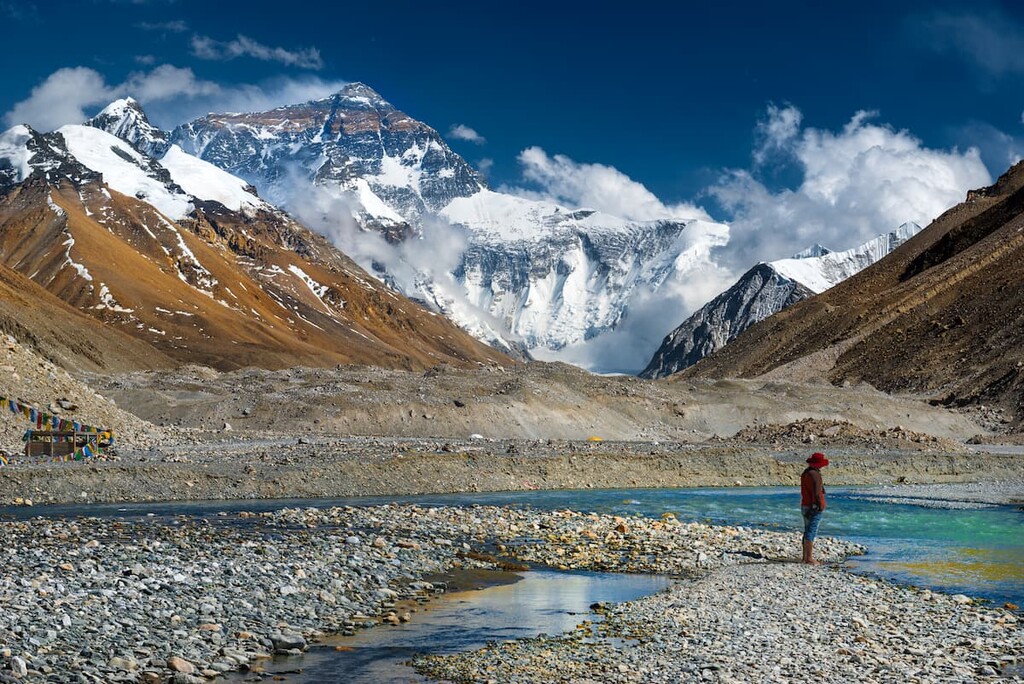

Mount Everest is not a mountain that can be climbed safely at any time of year. At 8,848.86 meters, its extreme altitude, freezing temperatures, powerful winds, and rapidly changing weather create a very narrow window for summit attempts. For most climbers, April and May offer the most favorable conditions, while September and October are particularly attractive for Everest Base Camp trekking and mountain viewing. Understanding the seasonal differences is essential when deciding when to climb Everest, which route to take, and how to prepare for this extraordinary expedition.
Key Takeaways
- April and May are the main months for Everest summit expeditions, offering the most important spring climbing window before the monsoon.
- September and October are excellent for Everest Base Camp trekking and sightseeing, especially on the Tibetan side, when post-monsoon skies can provide clear mountain views.
- June to August is the monsoon period, bringing more clouds, precipitation, and less predictable conditions.
- The Tibetan northern route offers a distinctive Everest climbing experience, with road access to the northern Base Camp and the challenging Northeast Ridge route.
- Successful Everest climbing requires far more than physical fitness, including high-altitude experience, technical skills, acclimatization, permits, professional support, and careful weather planning.
Why Timing Matters So Much on Mount Everest?
Mount Everest is not a mountain that can simply be climbed whenever a traveler has vacation time. At 8,848.86 meters above sea level, Everest rises into an atmospheric environment where temperature, wind, oxygen availability, snowfall, and visibility can change dramatically within a short period.
For an Everest expedition, choosing the right month is therefore not simply a matter of finding pleasant weather. The climbing season determines whether a team can safely move between camps, whether fixed ropes can be established, whether high-altitude workers can operate effectively, and whether a narrow weather window exists for the final summit push.
The summit itself remains below freezing throughout the year. Average temperatures can fall to around -36°C in January and may reach approximately -60°C under severe winter conditions. Even during the relatively warmer month of July, the average summit temperature remains around -19°C. These numbers explain why Everest does not have a conventional “summer climbing season” like lower mountains.
Instead, successful expeditions generally depend on short periods when several factors come together: weaker winds, relatively stable weather, manageable snowfall, clearer skies, and a workable route through the upper mountain.
For most serious summit expeditions, spring is the key season, with April and May forming the heart of the traditional Everest climbing window.
The Best Time to Climb Mt. Everest: April and May
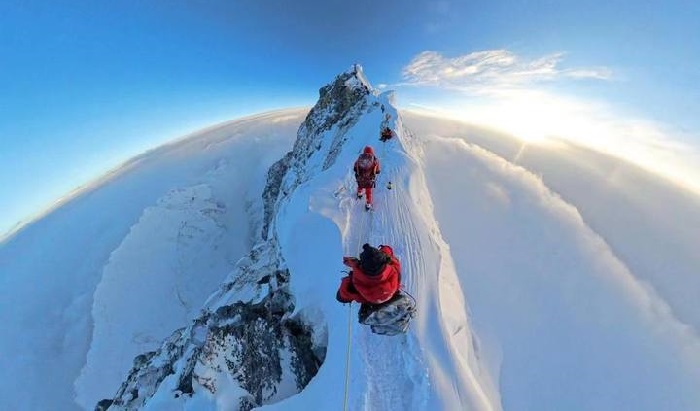
If your goal is to climb Mount Everest and reach the summit rather than simply visit Everest Base Camp, April and May are generally considered the most important months of the year.
The reason is not that Everest becomes warm. It does not. Instead, spring can provide a temporary improvement in the combination of wind, temperature, snowfall, and atmospheric stability before the Himalayan monsoon arrives.
Expeditions normally spend considerable time acclimatizing and preparing before attempting the summit. Climbers gradually move between different elevations, establish higher camps, return to lower elevations for recovery, and wait for a suitable weather forecast. The actual summit attempt may occupy only a small part of an expedition lasting many weeks.
This is why an Everest climbing expedition should never be planned around a single calendar day. A successful expedition needs flexibility.
Why April Is Important
April marks the beginning of the main spring climbing period. By this point, expedition teams have usually begun establishing camps and preparing the route at progressively higher elevations.
Conditions remain extremely cold, particularly at night, but the mountain gradually becomes more suitable for organized climbing compared with the harsh winter months. Climbers can begin the acclimatization rotations required before moving toward the upper camps.
For travelers who are not attempting the summit, April can also be an excellent time to experience the Everest region. The mountain may still carry substantial snow and ice, while the atmosphere can offer dramatic views when the sky is clear.
Why May Is Often the Main Summit Window
May is particularly important because the period before the monsoon can offer some of the year’s most useful climbing conditions. When the jet stream shifts away from the summit and high winds temporarily weaken, experienced teams may have an opportunity to make their final ascent.
The exact summit window changes from year to year. There is no guaranteed “best day” on the calendar. Expedition leaders carefully monitor forecasts and mountain conditions before deciding when to move upward.
For climbers, May is therefore less about comfortable temperatures and more about finding a temporary balance between extreme conditions and manageable weather.
Can You Climb Everest in June?
June represents a transition period. Early June can sometimes still provide opportunities, but the arrival of the South Asian monsoon progressively changes conditions across the Himalayas.
As moisture moves northward, clouds become more frequent and precipitation increases. Visibility can deteriorate, and snow accumulation can create additional challenges on the mountain.
This does not mean that every day in June is unsuitable. Mountain weather does not follow a perfect calendar, and conditions vary from year to year. However, the overall trend becomes less favorable as the monsoon approaches.
For anyone planning a serious expedition, it is therefore better to regard the spring window as the primary objective rather than relying on June as the main climbing season.
Why Summer Is Not the Ideal Everest Climbing Season?
June, July, and August are associated with the Himalayan monsoon, making summer one of the least attractive periods for a Mount Everest summit attempt.
At lower elevations, rain can make trails muddy and difficult. Higher on the mountain, precipitation may arrive as snow. Clouds can obscure the summit and surrounding ridges, while unstable weather can complicate expedition logistics.
The problem is not simply rainfall. A mountain expedition requires predictable enough conditions to coordinate movement between camps. When weather becomes unstable, the ability to predict safe climbing periods becomes more difficult.
For ordinary travelers who want to see Mount Everest rather than climb it, summer can still be possible. However, if spectacular mountain visibility is your priority, other seasons are generally more attractive.
Is Autumn a Good Time to Climb Mount Everest?
Yes, autumn can be an excellent season for experiencing Mount Everest, particularly for trekking and Everest Base Camp journeys.
September and October are especially attractive after the summer monsoon begins to retreat. Skies can become clearer, visibility improves, and the Himalayan landscape can appear exceptionally sharp.
For travelers trekking from Tingri toward the Tibetan Everest Base Camp, September and October can offer a compelling combination of clearer weather and dramatic mountain scenery.
However, it is important to distinguish between visiting Everest Base Camp and attempting to summit Everest.
Autumn is widely appreciated for trekking, sightseeing, photography, and mountain viewing. Summit expeditions, however, face a different set of considerations, and the spring season remains the traditional primary climbing window.
September: The Monsoon Begins to Retreat
September is a transition month. As monsoon influence decreases, clearer skies may gradually return to the Himalayas.
This makes September particularly attractive for travelers who want to experience the Everest landscape without the severe cold of winter. Days can be comparatively comfortable, while evenings and nights remain cold.
The mountain scenery can be especially impressive when the atmosphere clears after periods of cloud or rain.
October: Clear Skies and Stable Mountain Views
October is one of the most attractive months for visiting the Tibetan side of Everest.
The air is often crisp, the surrounding landscape becomes increasingly dry, and the chance of prolonged monsoon cloud decreases. For photographers and trekkers, these conditions can produce outstanding views of Everest and the surrounding Himalayan peaks.
If your objective is to trek to Everest Base Camp, photograph Everest, or experience the high-altitude landscape, October is one of the strongest choices.
What Happens on Everest During Winter?
From December through February, Everest enters its harshest winter period.
At the summit, temperatures can fall to extraordinary levels, while strong winds make the effective conditions even more severe. Snowfall and rapidly changing weather can make climbing logistics extremely difficult.
January is particularly cold. The average summit temperature is around -36°C, and severe conditions can push temperatures dramatically lower.
For most international travelers, winter is therefore not the season to consider for a summit expedition.
However, winter has another side.
From a distant viewpoint or suitable base area, the mountain can appear exceptionally clear against a deep blue sky. Winter landscapes can also be visually spectacular, particularly when fresh snow covers the surrounding Himalayan peaks.
For experienced travelers interested primarily in photography and sightseeing, winter may offer a quieter Everest experience, provided the journey itself is planned carefully and local conditions are suitable.
Everest Climbing Season at a Glance
Spring: April to May
Spring is the main climbing season for summit expeditions. Weather can become more favorable, expedition teams can establish higher camps, and short periods of lighter winds may create opportunities for summit pushes.
Early Summer: June
Early June can sometimes provide climbing opportunities, but conditions become progressively more affected by the approaching monsoon.
Summer: July to August
The monsoon makes this a poor choice for most Everest summit plans. Cloud, precipitation, and unstable conditions can interfere with climbing and visibility.
Autumn: September to October
Autumn is excellent for Everest Base Camp trekking, sightseeing, and photography. September and October can provide clearer skies after the monsoon, although summit climbing follows different logistical and seasonal considerations.
Late Autumn and Winter: November to February
Temperatures become increasingly severe and winter conditions dominate the mountain. November can still offer excellent mountain views, but serious summit climbing becomes much more difficult as winter approaches.
Early Spring: March
March marks the beginning of the gradual transition toward the climbing season. Conditions remain cold and challenging, but expedition preparations may begin before the main spring window.
Why Some Climbers Choose the Tibetan Side?
Mount Everest can be approached from both Nepal and Tibet, but the experiences are substantially different. The Tibetan side is the northern side of the mountain. The northern route has several characteristics that make it attractive to experienced mountaineers and adventure travelers.
One major advantage is accessibility. The road from the Tibetan plateau allows expedition teams and support vehicles to reach the Everest Base Camp area much more directly than the long trekking approach required on Nepal’s southern side. This can simplify transportation of equipment and supplies.
The Tibetan side also provides access to the Northeast Ridge, a technically demanding route with a long history of major expeditions. Its terrain is fundamentally different from the Khumbu approach in Nepal.
Another important factor is expedition organization. Foreign climbers traveling on the Tibetan side must operate within China’s regulated mountaineering and travel system, with permits, guides, transportation, and logistical arrangements organized through approved channels.
For serious climbers, the decision between Nepal and Tibet should not be based simply on which side looks better in photographs. Route difficulty, previous experience, expedition operator, weather, acclimatization, rescue arrangements, regulations, and personal climbing objectives all need to be evaluated.
Understanding the Northeast Ridge Route
The Northeast Ridge is the classic northern route from Tibet.
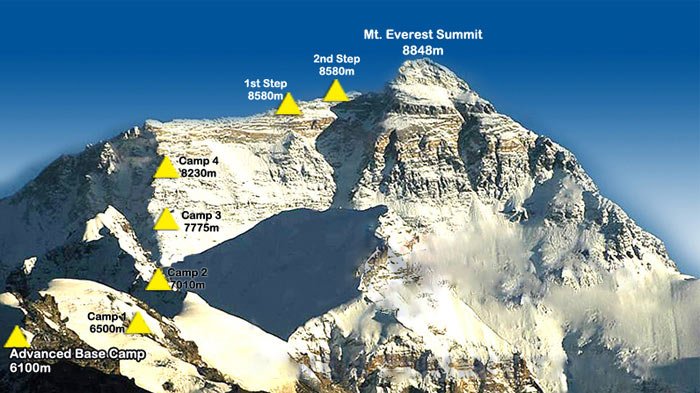
The expedition begins around the Rongbuk Glacier, with Base Camp established on the gravel plain below the glacier at approximately 5,200 meters. From there, climbers gradually move toward higher camps. Camp 2 is positioned at roughly 6,000 meters near the upper Rongbuk Glacier and the base of Changtse. Advanced Base Camp is located below the North Col at around 6,500 meters. From the North Col, climbers use fixed ropes to reach higher elevations, eventually establishing camps in the upper mountain.
At approximately 7,775 meters, another high camp serves as an important staging point before the final stages of the ascent. The route then continues up the North Face through gullies and increasingly steep terrain toward the upper camps.
The final summit push is exceptionally demanding. Climbers must negotiate steep rock features and the upper ridge before reaching the summit at 8,848.86 meters. At these elevations, the challenge is not simply the steepness of the mountain. Oxygen levels are dramatically reduced, temperatures are extreme, and the human body is operating far beyond normal environmental conditions.
Permits and Travel Requirements for the Tibetan Side
International travelers attempting Everest from Tibet need to comply with China’s travel and mountaineering regulations.
The northern side of Everest is within the Tibet Autonomous Region, so foreign travelers require the appropriate travel documentation and permits. These can include a Tibet Travel Permit, an Alien’s Travel Permit, and a mountaineering permit, depending on the itinerary and expedition arrangements.
Foreign climbers also need to travel through an authorized travel and expedition arrangement, with the necessary Tibetan guide, transportation, technical support, and logistical services.
Because permit requirements and procedures can change, travelers should confirm the latest requirements with a qualified local operator before making final arrangements.
Northeast Ridge Route
The Importance of Physical Preparation
Regular exercise at low elevation is not enough to prepare someone for Everest. A climber needs a combination of cardiovascular endurance, lower-body strength, climbing ability, balance, technical rope skills, and the ability to function for long periods under physical and psychological stress.
Training should ideally begin well before the expedition.
Build Climbing-Specific Endurance
One of the most useful forms of preparation is sustained uphill movement with a loaded backpack. Long hikes, stair climbing, hill training, and progressive elevation gain can help develop the endurance required for repeated climbing days.
The goal is not simply to become strong in a gym. Everest demands the ability to continue moving efficiently when tired, cold, and exposed to low oxygen.
Develop Lower-Body Strength
Strong legs are essential for high-altitude climbing. Squats, lunges, step-ups, and other controlled strength exercises can support the repeated upward movement required during long expeditions.
Strength training should complement rather than replace mountain-specific conditioning.
Train Cardiovascular Fitness
Both aerobic and anaerobic conditioning are valuable. Climbers need a strong cardiovascular base while also being capable of short periods of intense effort.
However, cardiovascular fitness alone does not prepare the body for extreme altitude. Technical experience and acclimatization remain essential.
Allow Enough Time
The source material recommends allowing approximately a year for specific Everest preparation, building progressively from an already solid fitness foundation.
This is important because rushing training creates another problem: injury.
A gradual progression in hiking distance, duration, elevation gain, and pack weight can help build endurance while reducing the risk of overtraining.
Essential Skills for an Everest Expedition
Physical conditioning is only one component of Everest preparation. Climbers need practical experience with snow and ice, rope systems, ascenders, descenders, crampons, and other high-altitude equipment. They also need to be comfortable moving on steep terrain while carrying equipment.
Previous experience above 6,000 meters can be particularly valuable because Everest is not an appropriate mountain on which to learn basic high-altitude skills for the first time.
A climber should understand how their body responds to altitude, how to recognize signs that conditions are becoming unsafe, and when to stop climbing. The ability to turn around is just as important as the ambition to reach the summit.
Common Mistakes to Avoid When Climbing Everest
Packing Too Much
Overpacking is a surprisingly common mistake. An Everest expedition already involves extensive equipment and logistical support. Carrying unnecessary personal items adds weight without improving safety or performance.
Every item should have a clear purpose. Experienced expedition teams carefully consider clothing, technical equipment, personal supplies, medication, and emergency items before departure.
Drinking Alcohol at High Altitude
Alcohol is best avoided during acclimatization and high-altitude climbing.
At altitude, hydration is already important, and alcohol can contribute to dehydration. It can also interfere with sleep and recovery, both of which are essential during a demanding expedition.
A celebration at Base Camp may sound appealing, but the mountain should come first.
Turning Motivation Into Pressure
Climbing partners should encourage one another, but Everest should never become a competition between teammates.
Every climber acclimatizes differently. Weather can affect individuals differently, and one person may need to descend while another continues.
A strong expedition culture prioritizes communication and safety over ego.
The Role of Acclimatization
Altitude is one of the greatest challenges of Everest.
At sea level, the human body has access to much more oxygen than it does near the summit. As climbers ascend, the body needs time to adapt.
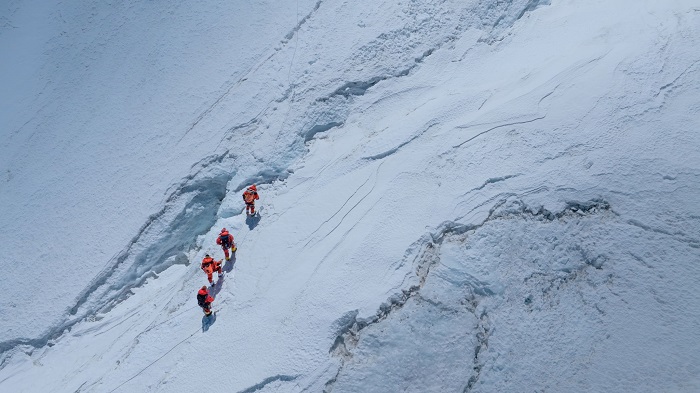
This is why Everest expeditions do not simply travel directly from Base Camp to the summit. Climbers normally move upward gradually, return to lower elevations, rest, and repeat the process. These rotations help the body adapt while also allowing teams to establish higher camps.
No training program can completely replace acclimatization.
Best Time to Visit Everest Vs Best Time to Climb Everest
These two questions are often confused.
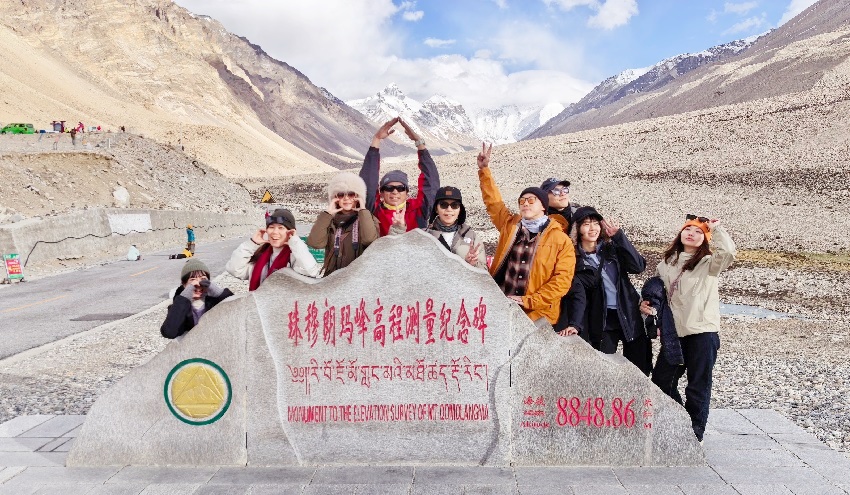
If your objective is to see Mount Everest, September and October can be excellent choices on the Tibetan side because the summer monsoon has generally weakened and mountain visibility can improve.
If your objective is to climb Mount Everest, April and May represent the primary traditional summit window.
If you want to trek around Everest without attempting a summit, spring and autumn both offer attractive conditions, depending on the route.
Therefore, the “best time” depends entirely on what you want to do.
| Travel Goal | Recommended Period |
|---|---|
| Everest summit expedition | April–May |
| Everest Base Camp trekking | April–May, September–October |
| Everest photography | September–October |
| Quiet winter sightseeing | November–February |
| Avoid for ideal mountain visibility | June–August |
Planning an Everest Expedition With Tibet Yulong
For international travelers who want to experience Mount Everest from the Tibetan side, professional local planning is particularly important because the journey involves more than transportation.
Tibet Yulong can assist international travelers with the organization of Tibet travel arrangements, including itinerary planning, local transportation, accommodation, permits, guides, and logistics for journeys toward Everest.
For climbers, the requirements are more specialized than those of an ordinary Everest Base Camp tour. A mountaineering expedition requires appropriate technical support, documentation, equipment planning, acclimatization arrangements, and experienced expedition personnel.
Travelers should therefore discuss their previous high-altitude experience, preferred route, travel dates, physical preparation, and expedition objectives with the local operator before confirming their journey.
Choosing the Right Everest Season
So, when is the best time to climb Mount Everest?
For a serious summit expedition, April and May are the most important months to target, because they provide the principal spring climbing window before the Himalayan monsoon arrives.
For travelers who want to see Everest without attempting the summit, September and October can be particularly rewarding, especially from the Tibetan side. Clearer post-monsoon skies, dramatic mountain landscapes, and cooler trekking conditions can create an unforgettable experience.
But no season makes Everest easy. The mountain remains an extreme environment throughout the year. Even during the most favorable climbing window, temperatures near the summit remain far below freezing, oxygen is severely limited, and weather conditions can change quickly.
The best Everest expedition is therefore not simply the one that reaches the summit. It is the one that combines careful preparation, appropriate timing, strong acclimatization, professional support, respect for the mountain, and the judgment to turn back when necessary.
For international travelers, the Tibetan side offers a distinctive way to experience the world’s highest mountain, from the road-accessible northern Base Camp to the dramatic Northeast Ridge. With the right preparation and a carefully selected season, the journey to Everest can become much more than a climb—it can be an extraordinary encounter with one of the most demanding and magnificent landscapes on Earth.