A rail journey from Dunhuang to Lhasa can bring together two extraordinary landscapes: the desert and ancient Silk Road heritage of Gansu, and the high-altitude scenery of the Tibetan Plateau. One important detail should shape your plans from the start: do not assume there is a direct train between the two cities. Depending on the current timetable, this trip may require changing trains, commonly through a major rail hub such as Xining. Train services and connections can change, so check the official railway booking system for your chosen travel date before buying tickets or arranging hotels. This guide explains how to plan the connection, what to expect aboard, how to prepare for altitude, and where Tibet Yulong Travel may fit into a wider itinerary.
- Check whether a direct service is available.
- Compare transfer options and connection times.
- Allow time to adjust to altitude.
- Confirm Tibet travel documents and current rules.
- Keep a flexible plan for changing schedules.
Is there a new Dunhuang–Lhasa travel train?
The phrase “new Dunhuang–Lhasa travel train” may appear in travel searches or promotional descriptions, but it is not enough to confirm a newly launched direct service. Railway routes, train numbers, seasonal services, and ticket availability are determined by the operating timetable. Unless an official railway listing shows a direct train for your dates, plan the journey as a rail connection rather than a single uninterrupted service.
For many travelers, the practical rail gateway to Tibet is Xining, in Qinghai Province. Trains from Xining connect with services to Lhasa on the Qinghai–Tibet Railway. Dunhuang, in Gansu, is not on that main route, so travelers generally need to reach a suitable connection point before boarding the train to Tibet. The exact itinerary depends on the current timetable and available tickets; there is no single transfer plan that works for every date.
Search for the entire journey and for each leg separately. If a through-ticket is unavailable, compare the arrival and departure times carefully. A connection that looks possible on a timetable may be uncomfortable if the first train is delayed or the transfer station is unfamiliar. When schedules do not provide a generous buffer, consider spending a night in the transfer city instead of risking a missed departure.
How to plan a Lhasa Travel Train itinerary from Dunhuang
1. Start with your travel dates
Choose dates with some flexibility if you can. Popular travel periods can mean limited availability, and a route with several legs is harder to arrange than a direct journey. Check the railway booking platform for each segment, including the departure station, arrival station, date, and train number. Station names matter: a city may have more than one station, and a transfer may involve a station change rather than a simple platform connection.
Avoid building a tight schedule around an unconfirmed train. Do not book a non-refundable hotel in Lhasa on the assumption that a particular connection will operate until you have verified the service for your dates. If you must travel on fixed dates, arrange the other parts of your trip around confirmed tickets and allow time for delays.
2. Choose a sensible transfer
Xining is a common point to investigate because it is a major gateway for rail travel to Tibet. Depending on the services operating on your dates, reaching it from Dunhuang may involve one or more train legs, or a different transport combination. Compare the total journey time, number of changes, and time spent waiting—not only the headline ticket price.
A planned overnight stop can make the trip easier. It gives you time to rest, reduces the pressure of a close connection, and can help you manage the transition from a long journey in the desert region to travel at higher elevations. If you prefer to keep moving, choose a connection with a comfortable margin and confirm whether you need to collect luggage or pass through station security again.
3. Verify before departure
Timetables and ticket inventory can change. Use the official railway booking channel or a reliable ticketing service that displays the actual operating details. Recheck your trains before leaving Dunhuang, and keep your booking information accessible offline in case mobile coverage is limited. For international visitors, make sure the name and passport details on each booking match the travel document you will carry.
A travel agent can help compare routes and coordinate a multi-leg itinerary, but ask for specific train numbers and confirmed booking arrangements. Be cautious of claims that a new direct train is guaranteed if the service is not visible in the official timetable for your dates.
What the journey is like
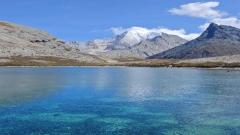
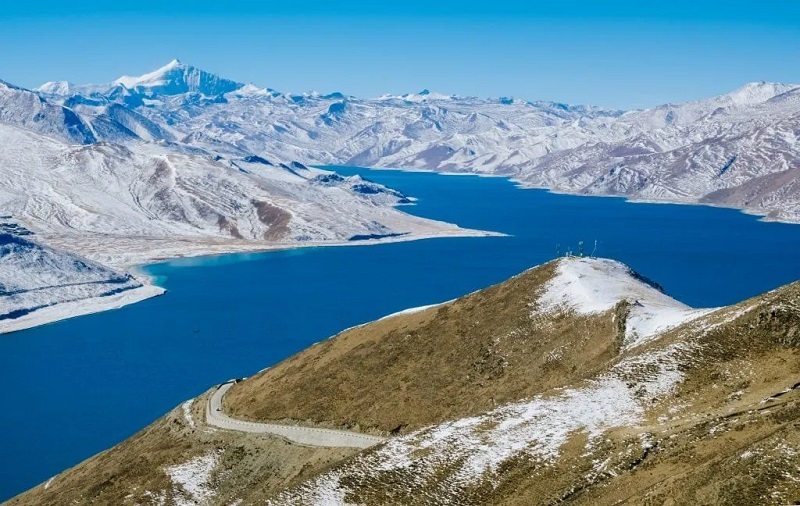
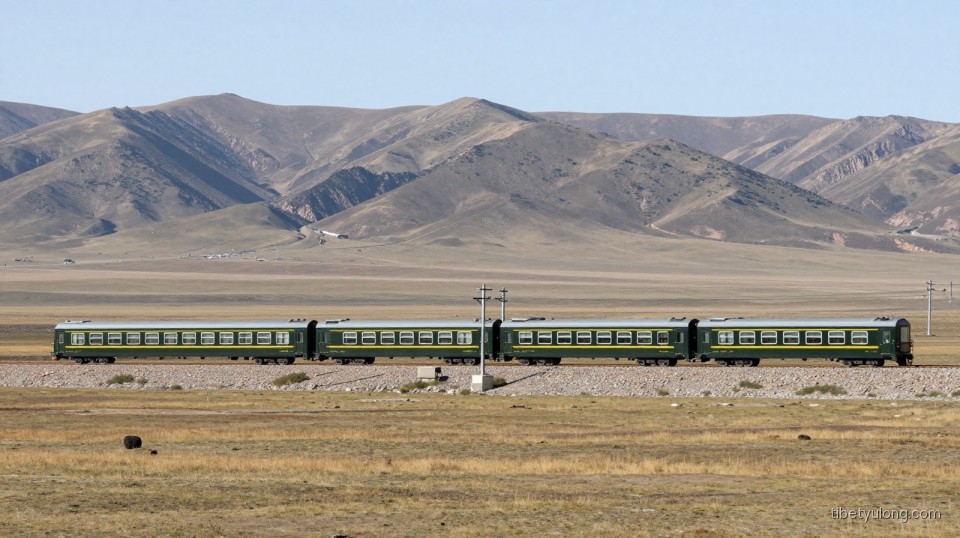
The route links regions with very different climates and scenery. Dunhuang is known for its desert setting and historic Silk Road sites; the journey toward Lhasa crosses inland landscapes and, on the Qinghai–Tibet section, high terrain. From the train, views can include broad plateaus, mountain ranges, open grassland, and settlements far from large cities. Visibility and scenery vary with weather, season, route, and the side of the train on which you are seated.
The train is transportation first, not a sightseeing tour with guaranteed views. Keep expectations practical: some stretches are visually striking, while others are long and remote. Bring water, snacks that suit your needs, a sleep mask, earplugs, and layers of clothing. Cabin temperatures and personal comfort can vary, so easy-to-remove layers are more useful than one heavy outfit.
Before the Tibet-bound train departs, follow the crew’s instructions and observe any onboard rules. The high-altitude section is a significant part of the experience, but individual responses to altitude differ. Avoid treating the train’s oxygen facilities as a substitute for medical advice or a reason to ignore symptoms.
Preparing for altitude and time in Lhasa
Lhasa sits at high elevation, and visitors can experience altitude-related symptoms even if they are generally fit. Common signs may include headache, unusual tiredness, poor sleep, dizziness, or shortness of breath. The train journey does not guarantee that every traveler will acclimatize comfortably. Once in Lhasa, plan a quieter first day, avoid strenuous activity, drink fluids according to your needs, and give yourself time to adjust before attempting demanding excursions.
Speak with a healthcare professional before travel if you have a medical condition, have concerns about altitude, or are unsure whether the journey is appropriate for you. Seek medical help for severe or worsening symptoms. Do not continue to higher elevations while unwell without qualified advice.
Pack for changing conditions. Even when daytime temperatures feel mild, evenings can be cold, and sun exposure is strong at altitude. Useful items often include sunscreen, sunglasses, a hat, comfortable walking shoes, and warm layers. Carry personal medication in your hand luggage and keep prescriptions or medical information accessible.
Tibet travel arrangements and documents
Entry and travel requirements for Tibet depend on a traveler’s nationality, itinerary, and the rules in effect at the time of travel. Foreign visitors generally need to arrange the required Tibet travel documents through an authorized travel agency and follow the approved itinerary and local requirements. Requirements can change, so confirm the latest details with an authorized agency before booking international flights, trains, or hotels.
Do not assume that a railway ticket alone is sufficient for the full trip. Check what documents are required at the station and during travel, and carry the originals or approved documentation specified for your case. Keep copies of passport and booking details separate from the originals. If you are combining Tibet with other destinations in China, confirm how the order of travel affects your arrangements.
How Tibet Yulong Travel may help
Tibet Yulong Travel can be considered when you need help organizing the Tibet portion of a wider itinerary. Before using any travel provider, ask what is included: Tibet travel document arrangements, train-ticket assistance, transfers, accommodation, guiding, and support if a schedule changes. Confirm which items are guaranteed and which depend on railway inventory or government requirements.
For a Dunhuang-to-Lhasa trip, useful questions include whether the agency can coordinate a realistic transfer, how it handles separate train bookings, and what happens if a connection is disrupted. Request a written itinerary with dates, stations, train numbers where available, and clear terms for payment, changes, and cancellations. A provider can assist with planning, but no agency can make an unlisted train service operate or guarantee ticket availability.
A practical packing and booking checklist
- Verify every train leg against the official timetable.
- Check station names, transfer time, and luggage arrangements.
- Leave a buffer or plan an overnight stop at the connection point.
- Keep passport details and tickets consistent and accessible.
- Confirm Tibet travel requirements for your nationality and itinerary.
- Pack layers, sun protection, personal medication, and basic snacks.
- Arrange a gentle first day in Lhasa and monitor how you feel.
- Save emergency contacts and booking details offline.
The best approach to a Dunhuang–Lhasa rail journey is to treat it as a carefully planned connection, not to rely on an assumed new direct service. Check the actual timetable, choose a transfer with enough breathing room, and confirm Tibet arrangements before setting out. With realistic timing and proper preparation, the journey can be a memorable link between Dunhuang’s desert heritage and the landscapes of the Tibetan Plateau.