Shigatse is a useful base for exploring western Tibet, with a lively city center, the historic Tashilhunpo Monastery, and access to high-altitude landscapes beyond town. Before you go, keep these essentials in mind:
- Arrange Tibet travel documents in advance.
- Allow time to adjust to the altitude.
- Visit Tashilhunpo Monastery respectfully.
- Check road conditions before heading farther west.
- Pack for strong sun and changing temperatures.
The city, also known as Xigazê, stands at roughly 3,800 meters above sea level, so even a short walk can feel more tiring than it would at lower elevations. Most international visitors reach Shigatse through Lhasa as part of an organized Tibet itinerary; independent travel rules and permit requirements should be confirmed with a licensed Tibet travel agency before booking. With a realistic schedule, sensible acclimatization, and respect for local customs, you can enjoy the city without treating it merely as a transit stop.

Plan Your Visit to Shigatse Before You Go
A successful trip begins with the practical details. Tibet’s entry and travel arrangements differ from those for many other destinations in China, and policies can change. Foreign travelers generally need a Tibet Travel Permit and must follow the applicable rules for visiting the region. Additional permits or arrangements may apply for destinations outside Lhasa and Shigatse. Confirm current requirements with an authorized agency and allow enough lead time; do not rely on old forum posts or assume that a standard Chinese visa is sufficient on its own.
Choose the right season
Shigatse has a high-altitude climate, with strong sunshine, cool evenings, and significant temperature changes between day and night. Spring and autumn often offer comfortable conditions for sightseeing, while summer can bring rain and occasional disruptions on mountain roads. Winter is colder, but the city remains a year-round destination; conditions farther west may be more demanding. Rather than choosing dates solely by season, check the forecast and road situation for every stop on your route.
Pack layers, a warm outer jacket, sun protection, sunglasses, and comfortable shoes. The sun feels intense at this elevation, even when the air is cool. A reusable water bottle is useful, and travelers who use prescription medicine should bring an adequate supply. If you have a medical condition that may be affected by altitude, seek advice from a healthcare professional before departure.
Decide how many days to spend
For the city itself, one full day can cover the main monastery and a relaxed walk through central Shigatse. Two days give you more breathing room and time for museums, markets, or a slower pace after arriving from Lhasa. If you plan to continue toward Mount Everest, Sakya, or other remote areas, add the necessary travel days rather than trying to fit everything into a rushed schedule. Distances on a map can be misleading when roads cross high terrain.
How to Get to Shigatse
Travel from Lhasa by road
The road journey from Lhasa to Shigatse is a common option and usually takes several hours, depending on the route, traffic, stops, and weather. Traveling by road allows for breaks and scenic viewpoints, but it is important not to overpack the day. Ask your driver or tour operator about the planned route and approximate driving time before departure. Rest stops and services can be limited outside towns, so carry water and snacks.
Take the train
Shigatse is connected to Lhasa by rail. Train schedules and ticket availability vary, so check official booking channels or ask your travel agency to confirm options for your dates. The railway can be a comfortable way to travel between the two cities, but it does not remove the need to account for altitude or arrange required travel documents. If your itinerary continues to remote destinations, you may still need road transport from Shigatse.
Arrive by air through Lhasa
Many visitors fly to Lhasa from other cities in China and continue to Shigatse by train or road. Flights and connections depend on the season and departure point. Avoid scheduling a tight same-day connection between arrival and a long overland journey; delays, fatigue, and the need to acclimatize can make a more flexible plan worthwhile.
What to See in Shigatse
Tashilhunpo Monastery
Tashilhunpo Monastery is the city’s best-known landmark and an important Tibetan Buddhist institution. Founded in the 15th century, it is associated with the Panchen Lamas and remains an active religious site. Its large courtyards, chapels, assembly halls, and hillside setting make it rewarding to explore at an unhurried pace.
Dress modestly and follow posted rules. Photography may be restricted inside particular buildings, so ask before taking pictures and never photograph worshippers without permission. Walk quietly, keep clear of religious activities, and follow the direction of staff or guides. Visiting with a knowledgeable local guide can add context to the monastery’s history and religious traditions, but leave time to observe the setting for yourself.
Explore the city center
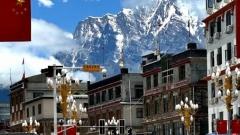
Shigatse’s urban streets offer a more everyday view of the region than a monastery visit alone. Browse local shops, look for Tibetan handicrafts, and sample simple meals in restaurants that serve regional and broader Chinese dishes. Ask before photographing people, shops, or religious objects. Prices and product origins can vary, so compare options and buy from vendors who can explain what they are selling.
Use Shigatse as a regional base
Travelers often stop in Shigatse on the way to destinations farther west, including the Mount Everest region. Other possible routes may include Sakya, known for its monastery and distinctive historical architecture. These excursions require advance planning, suitable permits where applicable, and careful attention to road and weather conditions. Confirm which places are accessible on your itinerary rather than assuming every route is open or practical.
Allow Time to Acclimatize
Altitude is one of the most important factors when you Visit Shigatse. The city sits high enough that some travelers experience headache, fatigue, nausea, dizziness, or shortness of breath, especially after arriving quickly from a much lower elevation. Symptoms vary, and fitness does not guarantee protection from altitude illness.
For the first day, keep activity light, drink fluids according to your needs, and avoid strenuous exercise and alcohol. Move slowly on stairs and hills. If symptoms worsen, do not continue to a higher elevation; tell your guide or travel companion and seek medical help. Severe breathing difficulty, confusion, or inability to walk normally requires urgent attention. A travel plan should include flexibility to rest or change direction.
Food, Accommodation, and Everyday Etiquette
Shigatse has hotels across several price ranges, but facilities and service can differ from those in major lowland cities. Confirm the location, heating, and room arrangements when booking, particularly for travel in colder months. Staying near the center can make it easier to reach restaurants and main sights, while a hotel arranged through a tour may simplify transport and permit logistics.
Food options include Tibetan staples such as tsampa, noodles, and yak-based dishes, alongside familiar Chinese meals. Menus and availability vary by restaurant. If you have dietary restrictions, communicate them clearly and consider carrying suitable snacks for long drives. Drink safe water and take care with unfamiliar foods if your stomach is sensitive.
At religious sites, modest clothing and a quiet manner are appropriate. Follow local instructions about walking direction, shoes, and photography. Ask permission before taking portraits, and do not touch religious objects or interrupt ceremonies. A friendly greeting and patience go a long way; avoid treating sacred spaces as photo sets.
A Simple Two-Day Itinerary
Day 1: Arrive from Lhasa and keep the schedule light. Check in, eat, rest, and take a gentle walk if you feel well. Avoid planning a demanding excursion immediately after arrival.
Day 2: Visit Tashilhunpo Monastery in the morning, allowing time to explore its courtyards and halls. Have lunch in town, then spend the afternoon at a relaxed pace in the city center. If continuing to a more remote destination, use the evening to confirm the next day’s route, weather, and departure time.
This outline is only a starting point. Your arrival altitude, health, transport schedule, and the pace of your wider Tibet trip should shape the final plan. If you are feeling unwell, rest instead of following an itinerary for its own sake.
Practical Advice for a Smoother Trip
Keep your passport and travel documents accessible, and carry copies separately. Confirm transport arrangements the day before departure, especially for longer road journeys. Mobile coverage and internet access may be inconsistent outside urban areas, so download useful information in advance and let someone know your route. Bring cash for places where card payment may not be available, while avoiding carrying more than you need.
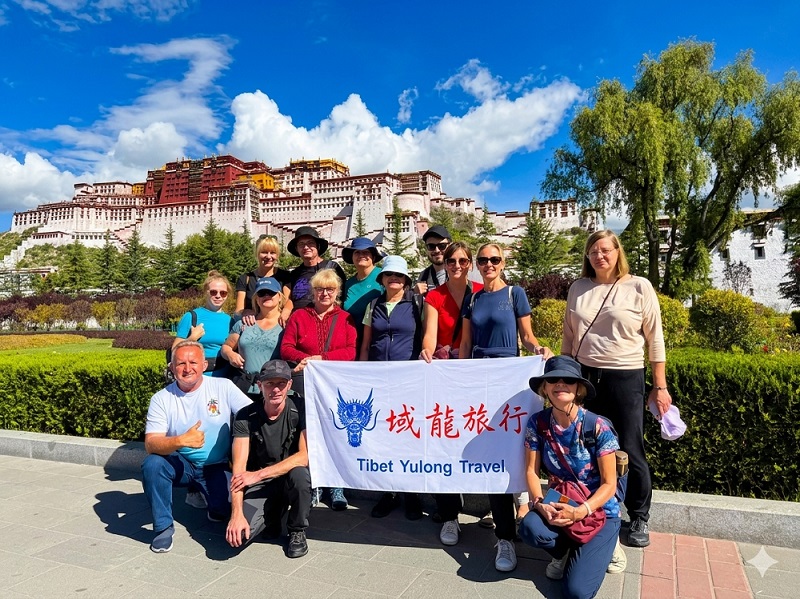
A local operator can coordinate transport, accommodation, and the required Tibet travel arrangements. Tibet Yulong Travel is one option travelers may consider when comparing agencies; before booking, verify that the operator is authorized for your itinerary and ask for a clear written breakdown of services, costs, cancellation terms, and permit arrangements. No agency can remove the effects of altitude or guarantee that weather and road conditions will remain unchanged.
The best way to Visit Shigatse is to plan the essentials early and leave room for a slower pace once you arrive. Give yourself time to adjust, treat religious sites with care, and build extra flexibility into any journey beyond the city. That balance makes Shigatse easier to appreciate as a destination in its own right, as well as a starting point for journeys across Tibet.