Tibetan momo are dumplings made with thin dough and a savory filling, commonly served steamed and enjoyed as a snack or meal. Their appeal lies in the contrast between tender wrappers and juicy centers, with fillings that may include meat or vegetables. Momo are found in Tibetan communities and in restaurants serving Himalayan food, though recipes and names can vary from one place to another. This guide covers what goes into momo, how they are prepared, what to serve alongside them, and how to order them when traveling. Whether you are tasting them for the first time or looking for a more informed way to explore Tibetan food, understanding the basics makes each plate easier to appreciate.
- Learn what momo are and how their fillings vary.
- Compare steamed, fried and soup-style preparations.
- Explore sauces and side dishes that complement them.
- Get practical tips for ordering and enjoying momo.
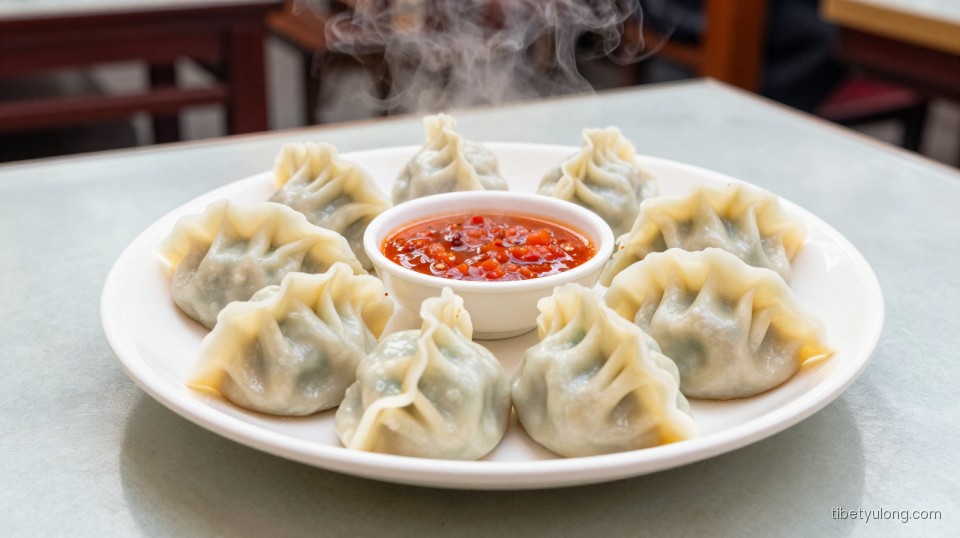
What Are Tibetan Momo?
Momo are filled dumplings associated with Tibetan cuisine and wider Himalayan food traditions. A typical momo has a small portion of seasoned filling wrapped in a round of dough, then sealed by pinching or pleating the edges. The shape can be neat and patterned or simple and practical; the fold helps keep the filling enclosed during cooking.
Recipes are not identical everywhere. Ingredients, seasoning and preferred shapes can differ between households, regions and restaurants. Momo are also part of food cultures beyond Tibet, including Nepal and parts of the Himalayan region. For travelers, that means a dish called “momo” may not taste exactly the same in every location. Asking about the filling and cooking method is often the best way to know what to expect.
Momo are often prepared for sharing, but they can also make a filling individual meal. They are commonly served hot, sometimes with a dipping sauce, and may appear as a snack, a starter or the centerpiece of a meal. Their straightforward ingredients and adaptable fillings help explain why they are popular across different settings.
Common Fillings and Flavors
Meat fillings may include yak, beef, lamb or other locally available meat, depending on the restaurant and region. Yak is closely associated with the Tibetan plateau, but it should not be assumed to be available in every establishment. If the menu is unclear, ask what the meat is and whether the filling contains additional ingredients such as onion, garlic or herbs.
Vegetarian momo can contain cabbage, potato, greens, mushrooms or a combination of vegetables. Some versions use cheese, while others rely on aromatic vegetables and seasoning for flavor. “Vegetarian” does not always mean vegan: the dough may contain dairy or egg, and a filling may include cheese or butter. Travelers with dietary restrictions should confirm the ingredients directly with the cook or server.
Seasoning is usually designed to complement rather than overwhelm the filling. Onion, garlic, ginger, herbs and spices may be used, but the balance varies. A well-made momo lets the filling remain recognizable while adding enough seasoning to make each bite satisfying. If you prefer mild food, request a less spicy sauce; the dumplings themselves may be mild even when their accompanying condiment is hot.
How Momo Are Cooked
Steamed momo
Steaming is a familiar preparation. The dumplings are arranged in a steamer so the dough cooks through while the filling stays moist. The wrapper is soft and slightly springy, and the filling’s juices remain inside if the seal is intact. Steamed momo are a good first choice for visitors who want to taste the filling without added crispness or oil.
Fried momo
Fried versions develop a browned, crisp exterior. Depending on the kitchen, momo may be pan-fried or cooked in oil. The result is richer and offers more crunch than the steamed style. Fried momo are often served with a sauce, though the exact condiment can differ. They are best eaten soon after serving, while the wrapper is still crisp.
Momo in soup
Some menus offer momo in a broth or soup. This preparation turns the dumplings into a warming, more substantial dish. The broth may be simple or more strongly seasoned, and its ingredients are not standardized. Ask whether the soup contains meat stock if you are vegetarian, and check the level of chili before ordering if you are sensitive to heat.
Sauces and Sides
A spicy tomato-based sauce is a common companion to momo, though recipes vary. It may include chili, garlic or other seasonings, and heat levels can range from gentle to intense. Start with a small amount rather than coating the dumpling immediately; this lets you judge the sauce and the filling separately.
Some restaurants serve momo with a thinner chili condiment or another house-made dip. Not every place uses the same recipe, and a sauce described as mild may still have noticeable heat. If spice is a concern, ask for it on the side. This is also a useful approach when sharing a plate with people who have different preferences.
Momo can be served with soup, vegetables or other dishes, but accompaniments depend on the restaurant and local custom. They pair well with a warm drink in cold weather and can fit into a larger meal alongside other Tibetan food. A simple order of momo and a drink is often enough for a light meal; a larger group can share several varieties and compare the fillings.
How to Order and Eat Momo
Start by checking the menu for the filling, cooking method and portion size. If those details are missing, ask whether the momo are steamed, fried or served in broth, and whether a plate is intended for one person or for sharing. When ordering meat, confirm the type rather than relying on assumptions about local availability.
Momo are usually eaten by hand or with utensils, depending on the setting. Pick one up carefully, especially if it has just been steamed: hot juices can collect inside. Take a small first bite or let it cool briefly before eating the rest. Add sauce gradually so you can taste the dumpling itself as well as the condiment.
If you have allergies, dietary requirements or religious food preferences, explain them clearly and ask about the wrapper, filling and cooking equipment. Shared kitchens may handle several ingredients, so people with serious allergies should be especially cautious. A menu label alone may not answer every question.
Finding Momo While Traveling in Tibet
In Tibet, momo may be available in restaurants, guesthouses and eateries that serve local or regional dishes, particularly in places accustomed to welcoming visitors. Menus and opening hours can vary, and not every restaurant will offer every filling or cooking style. Treat momo as one enjoyable part of a broader food experience rather than assuming that every stop will serve the same version.
Travelers exploring with Tibet Yulong Travel can ask their guide or local host about where momo are commonly available along a planned route and how to communicate dietary needs. Local guidance can also help clarify menu terms and regional differences. Availability depends on the destination, the day and the establishment, so confirm details during the trip rather than relying on a fixed expectation.
Food is a useful way to connect with place, but respectful curiosity matters. Ask before photographing people or kitchens, follow local dining customs, and avoid wasting food. If you enjoy a particular filling or sauce, asking how it is prepared can lead to a more meaningful conversation than simply looking for the most familiar version.
Storing and Reheating Leftovers
If you have leftover momo, refrigerate them promptly in a covered container rather than leaving them at room temperature for an extended period. Reheat them until hot throughout. Steamed momo can be reheated by steaming, while fried momo can be warmed in a pan or oven to help restore some crispness. The texture may change after storage, so freshly cooked momo are generally the best way to appreciate their wrapper and filling.
For takeout, keep the dumplings separate from sauce when possible. This helps prevent the wrappers from becoming soggy and lets each person choose how much condiment to use. Follow safe food-handling advice provided by the restaurant, especially when traveling in warm conditions or carrying food for a long time.
Why Momo Are Worth Trying
Momo offer a direct introduction to the variety within Tibetan food: a simple dough wrapper can hold different ingredients, take several forms and suit a range of appetites. The experience is not only about choosing a filling. It is also about noticing how the wrapper is folded, how the dumplings are cooked and how a local sauce changes their flavor.
For a first taste, steamed momo with a mild sauce on the side is an easy way to appreciate the basics. On a return visit, try a different filling or cooking method and ask what is typical at that particular restaurant. With a little attention to ingredients and preparation, this familiar-looking dumpling becomes a memorable part of exploring Tibetan food.