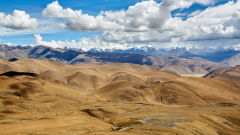
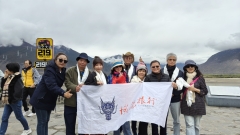
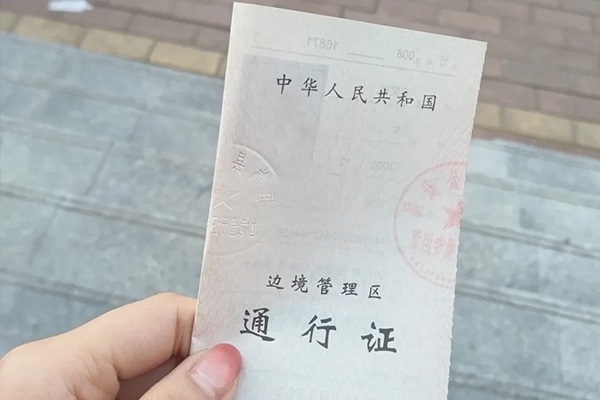
The Sichuan Tibet Highway is not a single road but a network of routes linking Chengdu with Lhasa across western Sichuan and the Tibetan Plateau. Most travelers compare the southern route, National Highway 318 (G318), with the northern route, National Highway 317 (G317). The southern line is known for dramatic valleys, river crossings and popular mountain viewpoints; the northern line passes through wide grasslands, historic settlements and less densely traveled sections. Both involve long driving days, changing weather, high elevations and road conditions that can shift with season and local works. This guide explains how the routes differ, what to expect along the way, and how to plan a safer, more comfortable overland journey. Tibet Yulong Travel can assist with itinerary planning and local arrangements, but travelers should verify current access, permits and transport details before departure.
- G318: more established, with varied scenery and popular stops.
- G317: quieter stretches, grasslands and cultural sites.
- Neither route is a quick or consistently easy drive.
- Allow time for altitude adjustment and changing conditions.
- Confirm travel documents and road access before setting out.
Understanding the Sichuan Tibet Highway
The name Sichuan Tibet Highway is commonly used for the overland connection between Sichuan and Tibet. Its two best-known options begin in or near Chengdu and travel west toward Lhasa: the southern route follows G318, while the northern route follows G317. They are distinct routes rather than two lanes of one continuous highway, and travelers may choose one direction for each leg or combine sections into a loop where logistics and access allow.
Distances and travel times depend on the exact itinerary, road conditions, stops and vehicle. A map may make the journey look straightforward, but mountain roads, high passes, construction and weather can add substantial time. Plan by overnight stops rather than by optimistic driving-hour estimates, and leave flexibility for delays.
The route is a road-trip experience, not simply a transfer. You pass through communities with their own customs and rhythms, and many of the most rewarding moments come from taking time to stop respectfully, walk around and adjust to the elevation. Do not treat remote villages or monasteries as staged attractions; follow local rules and ask before photographing people or religious spaces.
Southern Route: G318 from Chengdu toward Lhasa
The southern route follows G318 and is the option most often associated with the classic Chengdu-to-Lhasa drive. It travels through western Sichuan, crosses into the Tibetan areas of Sichuan and onward into Tibet, linking river valleys, mountain passes and settlements along the way. Well-known stops may include Kangding, Litang, Batang, Markam, Bomi and Nyingchi, although the precise itinerary varies and road access can change.
G318 is popular partly because it offers a wide range of landscapes within one journey. Travelers may see steep-sided valleys, forested slopes, high grasslands, glaciers or snow-covered peaks from suitable viewpoints, depending on route, season and visibility. The road also passes through towns where you can find accommodation and basic services, though facilities become more limited in some remote stretches.
The route’s popularity does not make it effortless. Traffic can build at busy scenic areas, and repairs, landslides or weather-related restrictions may affect progress. Some days involve long hours in a vehicle and repeated elevation changes. If you are driving, avoid trying to cover too much ground simply to keep to a rigid schedule. A slower plan gives you more room to rest, acclimatize and respond to unexpected conditions.
For travelers choosing the southern line, prioritize a route with sensible overnight stops and time to explore rather than a list of attractions packed into every day. A local guide can help explain regional context and coordinate logistics, while an experienced driver is valuable on unfamiliar mountain roads.
Northern Route: G317 through Western Sichuan
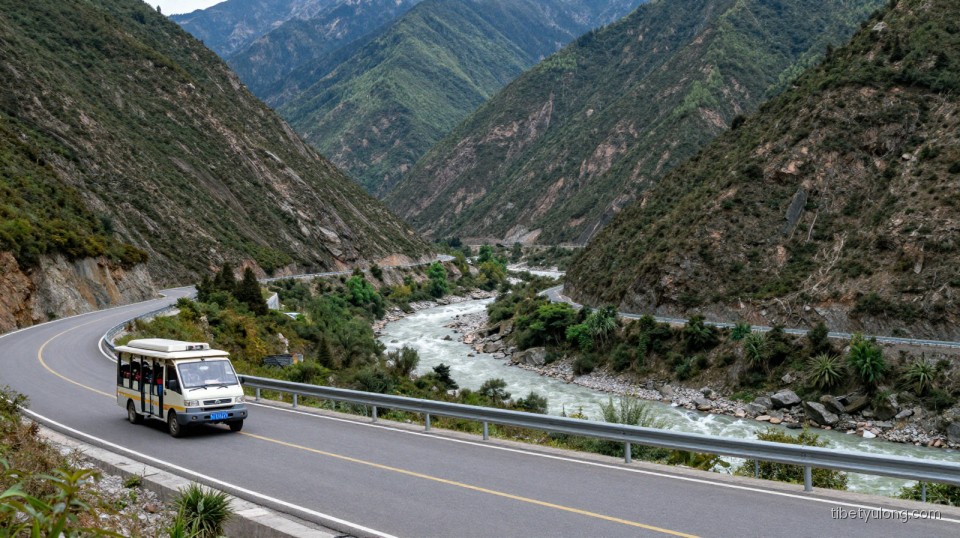
The northern route follows G317 from Chengdu toward Lhasa through a different set of landscapes and settlements. Commonly considered stops include places in western Sichuan such as Danba, Luhuo, Ganzi and Dege, followed by sections through the Tibetan Plateau toward the Tibet Autonomous Region. The exact route and overnight plan should be checked against current road access and travel requirements.
Compared with the southern line, parts of G317 feel more open and less centered on the familiar G318 itinerary. Grasslands, broad valleys and highland settlements shape much of the experience. Travelers interested in regional culture may value time in towns and villages along the way, but visits should be arranged thoughtfully, with respect for local customs and any restrictions at religious sites.
Do not assume that the northern route is easier because it may feel less busy. It includes remote sections, high elevations and long distances between services. Fuel, food and accommodation options can be limited in places, so confirm availability before departing each day and carry practical supplies. Weather can change quickly at altitude, and a route that is passable one day may be affected by snow, rain, rockfall or roadwork later.
G317 can suit travelers who want a quieter-feeling journey and are prepared for more independent planning. It is also a good choice for those who have enough time to avoid rushing through cultural and landscape stops. As with G318, current local advice matters more than an old itinerary found online.
Southern vs. Northern Route: How to Choose
The best route depends on what you want from the journey, how much time you have and what support you can arrange. G318 is often the more familiar choice for first-time overland travelers because it has a well-established travel profile and a broad range of recognized stops. G317 offers a different perspective, with more emphasis on highland landscapes and communities along its particular corridor. Neither route is universally superior.
Consider these factors before choosing:
- Scenery: G318 combines valleys, forests and high passes; G317 is associated with broad plateau landscapes and grasslands. Actual views depend on weather and the route taken.
- Travel rhythm: Both routes require multiple days. Avoid comparing them only by map distance; road speed and conditions matter.
- Services: Towns along the way provide useful breaks, but remote sections on either route may have fewer facilities.
- Interests: Choose stops based on landscapes, local culture and the amount of time you can spend, not just the number of places on an itinerary.
- Flexibility: If your schedule is tight, build in contingency days rather than assuming every road segment will run on time.
Some itineraries travel one route toward Lhasa and use another for part of the return journey. This can create a varied trip, but it requires careful planning around road conditions, permitted travel arrangements and the location of suitable overnight stops. Confirm that the complete plan is feasible before booking non-refundable transport or accommodation.
When to Travel and What Conditions to Expect
Conditions on the Sichuan Tibet Highway vary with elevation, season and local weather. Spring can bring changing temperatures and lingering snow at higher elevations; summer often has milder temperatures but may also bring rain and related road disruptions; autumn can offer clear days, though conditions still vary; winter travel may involve cold, snow or difficult access on some sections. These are general patterns, not guarantees for a particular departure date.
Before leaving, check current road and weather information with reliable local operators or authorities. Ask specifically about the sections you plan to drive, not only the forecast for Chengdu or Lhasa. Carry warm layers even when the starting city feels mild, and keep water, snacks, necessary medication and basic emergency supplies accessible in the vehicle.
Altitude deserves equal attention. The route rises well above the elevations most visitors are accustomed to, and altitude sickness can affect people regardless of age or fitness. Plan a gradual ascent where possible, rest when needed and avoid strenuous activity soon after reaching higher elevations. Symptoms such as headache, nausea, dizziness or unusual fatigue should be taken seriously. Seek medical advice for concerning symptoms and do not continue to higher ground if someone is unwell. A guide or driver is not a substitute for medical care.
Permits, Transport and Practical Planning
Travel rules and document requirements for Tibet can depend on nationality, travel arrangements and the areas included in the itinerary. Requirements may change, so confirm them with an authorized travel provider or relevant official channels well before departure. Do not rely on outdated forum posts, and do not assume that having a general travel document automatically permits access to every location.
Travelers can join an organized overland trip, arrange a vehicle with a driver, or plan a self-drive journey where permitted and practical. For a first trip on unfamiliar mountain roads, a knowledgeable driver can reduce navigation and road-management pressure. Self-drivers should verify vehicle and licensing requirements, understand the route, and be comfortable with long-distance driving at altitude. Public transport may serve some towns, but it does not necessarily provide the flexibility needed for remote sightseeing.
A realistic itinerary should include rest days, fuel stops and backup accommodation options. Keep offline maps available, but treat them as navigation aids rather than proof that a road is open. Confirm fuel availability and opening hours locally, especially before remote sections. Bring cash as a backup, a charged phone and power bank, and copies of essential travel documents. Pack modestly: layers, sun protection, comfortable walking shoes and any personal medication are more useful than excessive luggage.
Local Etiquette and Responsible Travel
The journey crosses culturally diverse areas. Dress respectfully at religious sites, observe posted rules and ask before taking photographs of people, ceremonies or interiors. If a place is closed or access is restricted, accept the limit rather than seeking an informal way in. Purchase food and services locally where possible, dispose of waste responsibly and avoid leaving the vehicle on fragile grassland or farmland.
A slower itinerary also benefits the communities you visit. Spending time in a town, using local accommodation and choosing a regional meal can make the trip more meaningful than a hurried photo stop. Be considerate on narrow roads: keep clear of livestock, yield when appropriate and never block village access for a scenic view.
Planning Support from Tibet Yulong Travel
Tibet Yulong Travel can be considered for help coordinating a Sichuan-to-Tibet itinerary, including route selection, transport and local arrangements. Before booking, ask for a day-by-day plan that identifies overnight stops, estimated driving times, altitude changes and contingency options. Request clear information about what is included, what documents are needed, how changes are handled and which services are confirmed rather than proposed.
Whether you choose G318 or G317, the most dependable plan is one that allows time to adapt. Confirm current access and travel requirements close to departure, keep the itinerary realistic and give priority to health and safety over reaching a particular stop on a fixed day.