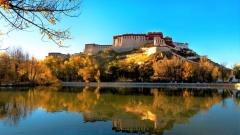
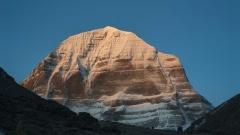
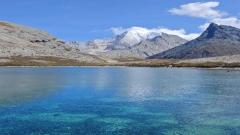
The Nyingchi Peach Blossom Festival is a springtime reason to explore southeastern Tibet, where pink and white blossoms appear among villages, fields, rivers, and snow-dusted mountain scenery. The experience is less about a single festival ground than about travelling through a broad landscape at a pace that leaves room for weather, road conditions, and local life. This guide covers the best-known viewing areas, practical planning, transport, altitude, and respectful travel. Bloom timing changes with elevation and seasonal conditions, so check locally before setting out rather than relying on a fixed date. Visitors should also arrange the permits and transport required for their itinerary in advance.
- Best-known areas: Gala Peach Blossom Village, Bomi, and the Yarlung Tsangpo valley.
- Timing: Usually a spring-season trip; exact bloom dates vary each year.
- Getting around: Plan road transfers and allow flexibility for changing conditions.
- Prepare well: Check permits, altitude needs, weather, and local access rules.
- Travel thoughtfully: Respect villages, farmland, and fragile natural areas.
What the Nyingchi Peach Blossom Festival Is Like
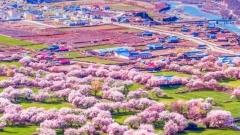
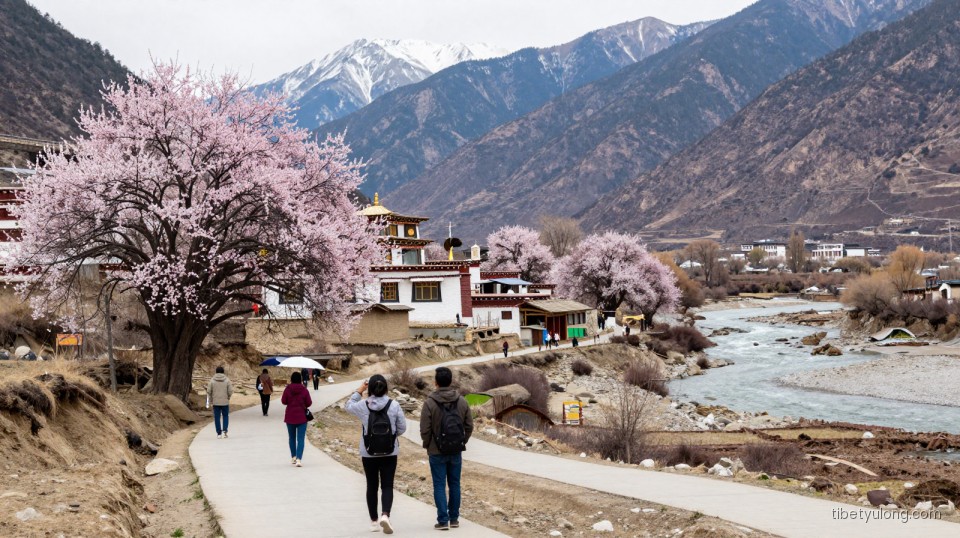
Nyingchi, also known by its Tibetan name, is in southeastern Tibet and is known for a relatively mild climate compared with many high-altitude parts of the region. In spring, wild peach trees and cultivated trees bloom across the area. The Peach Bloosom Festival is associated with this seasonal display and local events, but the blossoms are spread across multiple communities and valleys rather than confined to one venue.
That distinction shapes the trip. A visitor might see blossoms beside a village lane in the morning, stop near farmland or a river later in the day, and spend another day travelling toward Bomi or the Yarlung Tsangpo Grand Canyon area. The landscape changes with altitude and location, so flowers may be open in one place while another is still waiting for warmer weather. Treat local bloom reports as a guide, not a guarantee.
The festival can be busy at popular viewpoints, particularly around peak bloom and on weekends. If you prefer quieter visits, start early, spend time beyond the most photographed stops, and be patient when sharing narrow roads and village spaces with other travellers.
When to Visit and How to Check Bloom Conditions
The festival is held during the spring flowering season, but the peak varies from year to year. Temperature, elevation, and local weather all affect when trees bloom. Even within the same broad region, flowering can differ between a lower valley and a higher village. For that reason, it is safer to plan a flexible travel window than to build an itinerary around a precise date published well in advance.
Before departure, ask your accommodation, local travel operator, or destination contacts for recent updates on blossom conditions and road access. Confirm whether festival activities are scheduled during your visit, as event details can change. Avoid assuming that every scenic site will have the same flowering conditions or that a particular viewpoint will be accessible in all weather.
A stay of several days offers a better chance of seeing different settings and adapting to conditions. It also reduces the pressure to rush between distant spots in one day. If your schedule is short, choose one main area and check how long transfers take under current road conditions before adding extra stops.
Where to See Peach Blossoms
Gala Peach Blossom Village
Gala Peach Blossom Village is one of the best-known places associated with Nyingchi’s spring blossoms. Its village setting gives visitors a chance to see flowering trees alongside everyday rural surroundings. Go with care: paths, fields, and homes are part of a lived-in community, not simply a photo backdrop. Follow signs and local directions, keep to permitted routes, and ask before photographing residents.
Bomi
Bomi County is another commonly visited area for spring scenery. The route and landscape can offer a different impression from the main festival-area viewpoints, with blossoms appearing against a varied mountain and river setting. Conditions may differ considerably by location, so check which spots are actually in bloom before committing to a long drive. Road travel in mountain areas can take longer than a map estimate suggests.
Yarlung Tsangpo Grand Canyon area
The Yarlung Tsangpo valley is known for dramatic terrain, and some itineraries combine its scenery with a blossom-season visit. Access arrangements and local rules can vary by site, so confirm requirements before travelling. Do not assume a scenic location is open simply because it appears in an online itinerary; ask a local operator about current access and realistic journey times.
A route that combines one or two blossom areas with nearby landscapes is usually more comfortable than trying to visit every widely separated viewpoint. Consider daylight, driving time, weather, and your group’s altitude adjustment when deciding how much to fit into a day.
How to Plan Your Itinerary
For a first visit, base the itinerary on a manageable number of overnight stops. Begin in Nyingchi town or another suitable arrival point, then choose nearby blossom sites before adding a longer excursion to Bomi or the canyon area. This makes it easier to adapt if flowers are not yet open at one stop, or if weather slows the road journey.
A practical plan should include spare time. Road conditions, traffic, checkpoints, weather, and local access restrictions can affect travel, and a tight schedule may leave little opportunity to pause at a viewpoint. Ask your driver or guide to confirm departure times and expected journey lengths on the day, rather than relying only on general online estimates.
If you are travelling independently, verify that your route and documents meet current requirements before booking non-refundable transport. Some visitors choose a local guide or organised transfer to help coordinate permits, accommodation, and site access. The right choice depends on your experience, language needs, and travel plans; confirm exactly what is included before paying.
Getting There and Getting Around
Nyingchi is connected by air and road, but the best arrival option depends on your wider Tibet itinerary and current transport schedules. Flights and road services can change, so check directly with carriers or a reputable local travel provider before making connections. If you are continuing from another Tibetan destination, allow enough time for transfers and do not assume that a short distance on a map means a quick journey through mountainous terrain.
Once in the region, private vehicles and organised tours are common ways to reach scattered blossom sites. Public transport may not serve every viewpoint or match a visitor’s schedule. If hiring a vehicle, agree on the route, waiting time, fees, and arrangements for changes in weather before setting off. Choose a driver familiar with local roads, and avoid pressuring anyone to travel unsafely to meet an itinerary.
Travel rules in Tibet may require advance planning, including permits or organised arrangements for some visitors and routes. Requirements can depend on nationality, destination, and the rules in effect at the time of travel. Check with official channels or a qualified local operator before booking, and carry the documents they advise you to bring.
Altitude, Weather, and What to Pack
Nyingchi is at high altitude, even though its climate is often described as milder than that of other parts of Tibet. Travellers can still feel the effects of elevation, especially after a rapid ascent or a long travel day. Take time to acclimatise, avoid strenuous activity at first, stay hydrated, and seek medical advice before travel if you have health concerns. If symptoms are severe or worsening, get medical help rather than continuing the itinerary.
Spring weather can shift between sunshine, wind, rain, and cold conditions. Pack layers, a waterproof outer layer, comfortable shoes with good grip, sun protection, and any personal medicines you need. A hat and sunglasses are useful in bright conditions, while a warm layer is important for early starts and evenings. Bring water and snacks for longer drives, but take all rubbish back with you.
Do not step into fields or climb trees for photographs. Wet ground and uneven paths can be slippery, and branches may be damaged by visitors. Use established paths and follow local instructions around blossom sites.
Food, Accommodation, and Local Etiquette
Nyingchi town and larger settlements offer places to eat and stay, while smaller villages may have fewer services. Book ahead during busy periods when practical, and confirm the location, facilities, and cancellation terms directly with your accommodation. On a rural route, ask your driver or host where food and fuel are available; do not count on every village having the services you need.
Local menus may include Tibetan and regional dishes, alongside familiar options in larger towns. Be open to trying what is available, but mention dietary restrictions clearly before ordering. Carry a small supply of snacks if you have specific dietary needs or expect a long drive between stops.
The festival season is also a chance to observe local life, but visitors should behave as guests. Ask permission before taking close-up portraits, avoid blocking entrances or roads, and do not enter homes, monasteries, or private land without invitation. Follow guidance around religious sites, and dress and behave respectfully. Buying local products or using local services can support communities, but avoid bargaining in a way that feels hostile or pressuring small vendors.
Travelling with Tibet Yulong Travel
If you prefer help coordinating transport and logistics, Tibet Yulong Travel can be considered as one option for arranging a Nyingchi itinerary. Before booking, confirm in writing what the service includes: permits or document assistance, vehicle and driver, guide services, accommodation, meals, entry fees, and the policy for itinerary changes. Ask how the plan adapts to changing blossom conditions and road access, and check whether the proposed daily driving schedule is realistic.
Compare the itinerary with your own priorities, whether that means village scenery, photography, cultural visits, or a slower pace. A clear agreement and realistic expectations are more useful than a long list of stops. Whatever provider you choose, verify current travel requirements and keep copies of essential booking and identification details accessible.
Photography and Responsible Blossom Viewing
Soft morning light can bring out the colour of the blossoms, while cloudy conditions may help avoid harsh contrast. A phone camera is enough for casual photographs; a wider lens can include the surrounding village or mountain landscape. Give other visitors room at popular spots, and wait rather than stepping into a restricted area for a clearer angle.
The best visit is not measured by how many trees appear in a photograph. Keep to paths, leave flowers and branches untouched, and avoid littering or playing loud music in quiet areas. Respect signs and temporary closures, even when a spot looks accessible. These small choices help protect the scenery and make the festival season more considerate for the people who live there.